
Understanding the US Seventh Air Force's Deployment Plan in South Korea: Key Points and Current Debates
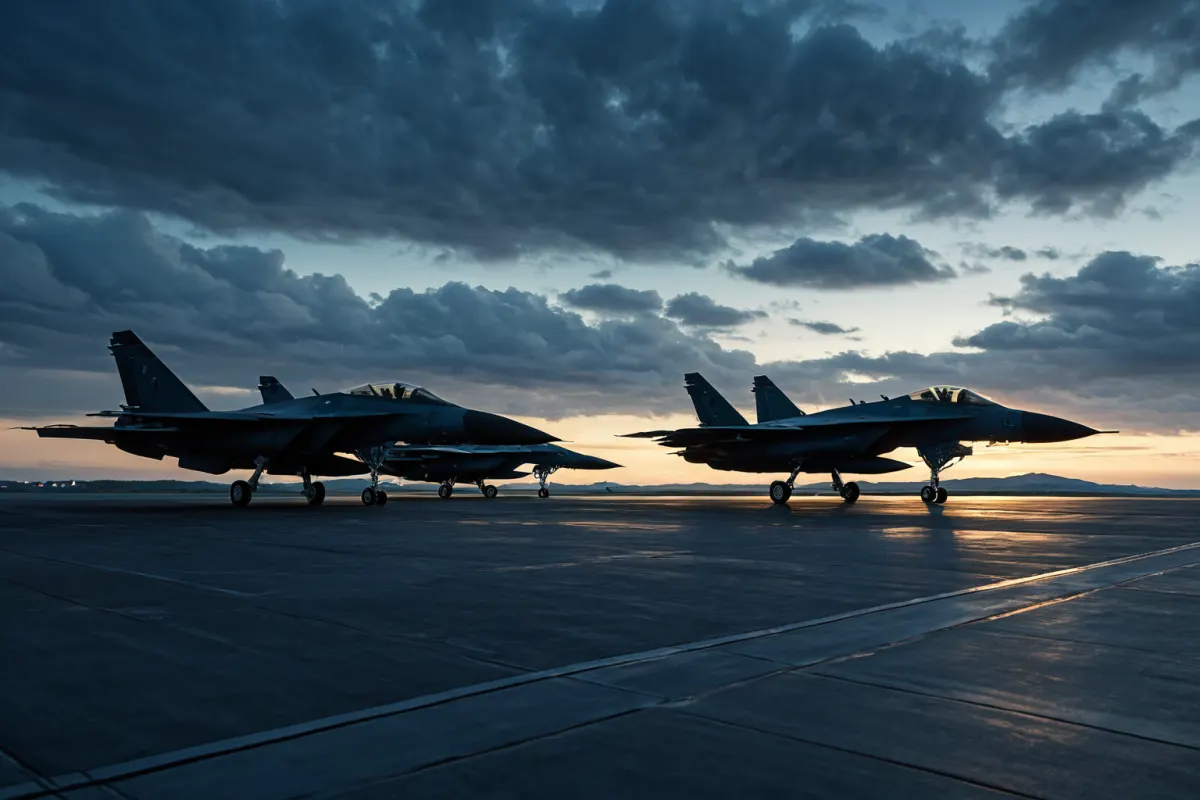
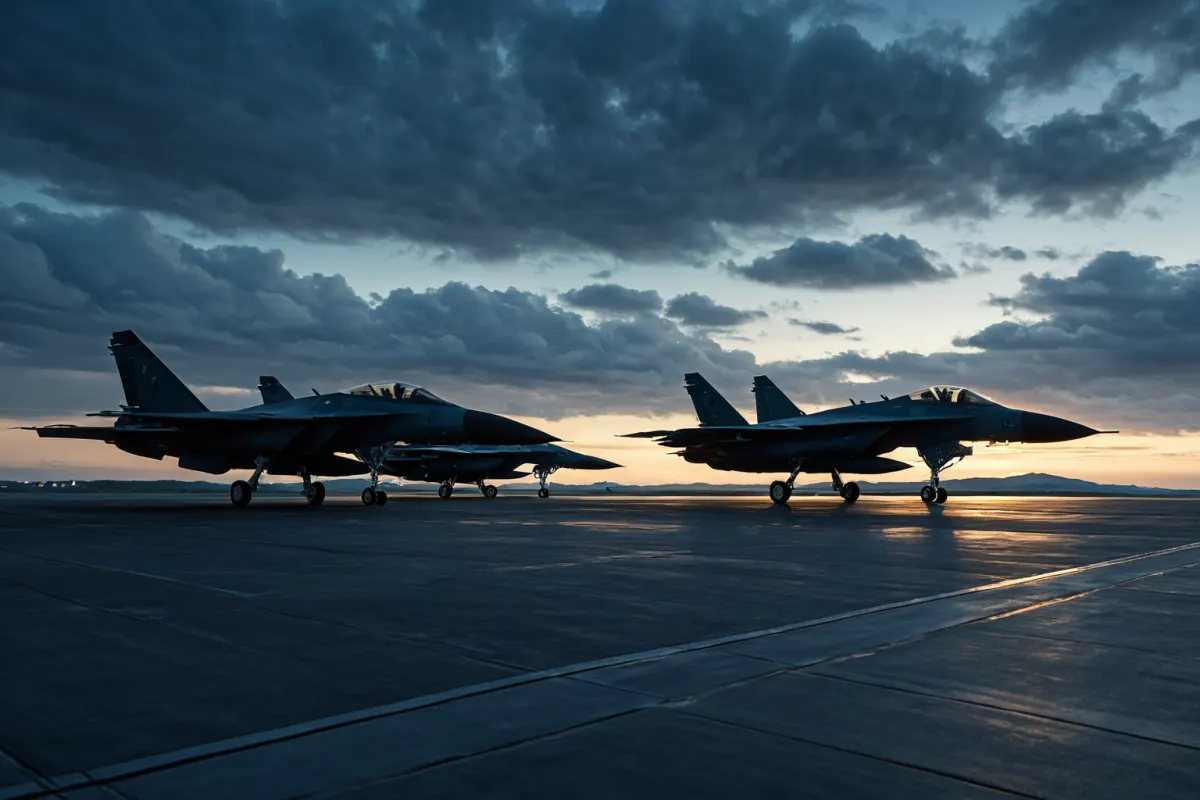
The US Seventh Air Force's deployment plan in South Korea refers to how US Air Force assets stationed in Korea are positioned and operated within the framework of the US-South Korean joint defense system. However, since detailed operational plans aren't publicly available, most discussions focus on broad categories like peacetime rotational deployments, wartime reinforcement procedures, base operations, and training coordination.
Most people searching for this topic want to know: "Which forces are permanently stationed in Korea?" "How does this change during conflicts?" And "What does this mean for US-South Korean relations?" This article will outline the key points based on publicly available information without exaggeration.
The Basic Structure of the Seventh Air Force's Deployment
The 7th Air Force serves as the core command for US Air Force assets in South Korea, operating in coordination with air bases throughout the country. The term "deployment plan" isn't a single document but rather encompasses various operational guidelines, deployment schedules, training plans, and joint operations procedures.
Typically, discussions include how air power is managed at major bases like Osan and Gunsan, surveillance and interception capabilities, and preparations for joint exercises. Rather than focusing on specific aircraft deployments, the key point is understanding how these forces are organized to support South Korea's defense mission.
You can find more articles on similar topics in one place.
View Related ArticlesWhat's Known and What Remains Secret
This topic involves national security, so detailed operational plans are rarely made public. Online sources often mix speculation with actual information, which may not reflect official operations.
Publicly available information typically includes base names, unit overviews, participation in joint exercises, and general directions of rotational deployments. Specific sortie schedules, detailed objectives, or wartime procedures remain undisclosed to the public.
For this reason, it's important to distinguish between confirmed information and speculation when examining "the US Seventh Air Force deployment plan." Separating verified facts from estimates reduces confusion significantly.
The Operational Meaning of 'Deployment' in Korea
"Stationed in Korea" doesn't mean forces simply remain at a base. Air power requires rapid sortie, refueling, maintenance, and re-deployment cycles, so the surrounding infrastructure and command structure must function together.
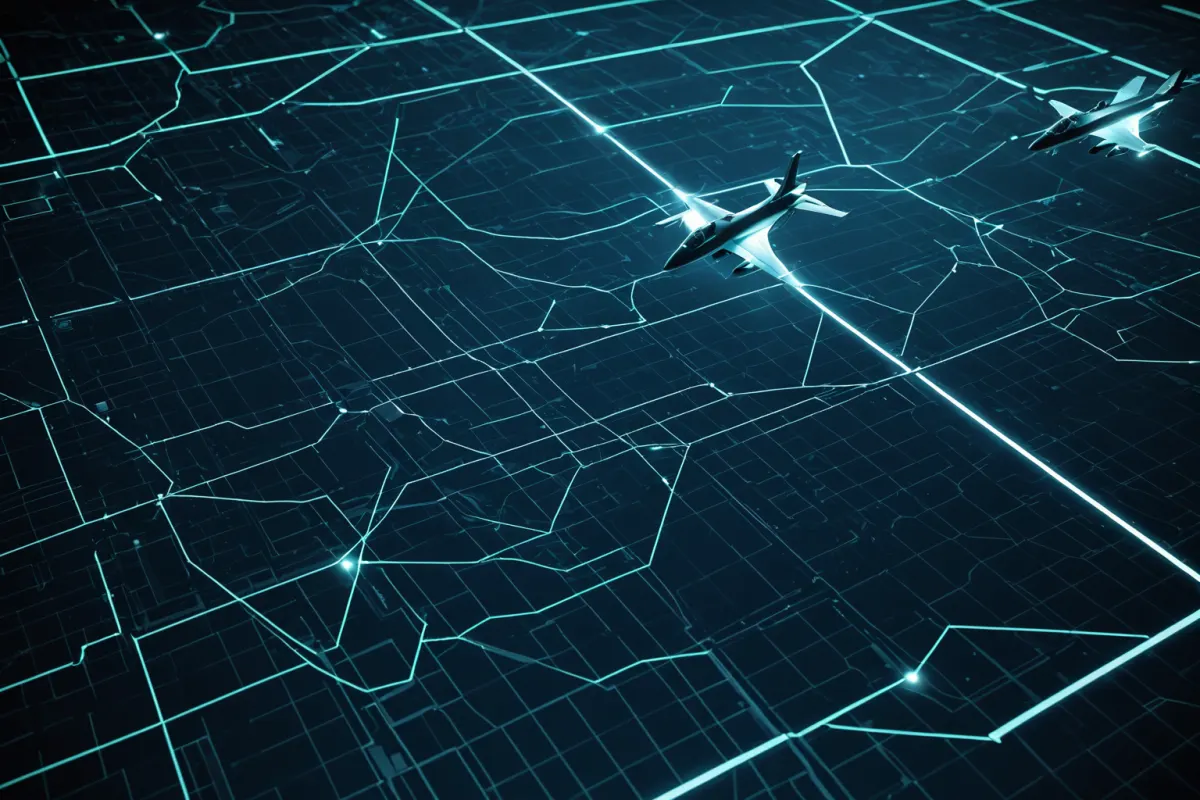
For example, during peacetime, operations focus on surveillance, training, and readiness for joint responses. During heightened tensions, alert status or base defense levels may be adjusted. While these changes aren't fully disclosed, the core of the plan revolves around "rapid response" and "sustained operations." Consider this framework:
- Peacetime: Training, patrols, maintenance, communication checks
- Crisis Period: Enhanced alert status, force repositioning, joint readiness
- Conflict Scenario: Reinforcement arrivals, expanded operational scope
Why This Topic Generates Debate and Common Questions
This subject often becomes contentious because it involves both Korean security concerns and US regional strategy. Some view it as directly tied to the defense of the Korean Peninsula, while others worry about how shifting regional circumstances might alter force deployment patterns.
A key debate point is whether "stationed in Korea" means permanent forces. In reality, a mix of permanent and rotational forces exists, with configurations varying based on mission requirements, timing, and training schedules. It's important to clarify which specific forces or time period is being discussed rather than making definitive claims.
Understanding Through Real Examples
For example, during joint US-South Korean military exercises, air power coordination procedures become more prominent. This isn't just about flights—it involves command control, aerial refueling, air defense response, and base security working together, clarifying the purpose of operational planning.
Similarly, news about a specific fighter jet temporarily deploying to Korea shouldn't be mistaken for a major change in permanent forces. Deployment and stationing are similar terms but have different meanings: one is temporary while the other represents a structural shift.
For instance, four fighter jets arriving during exercise periods versus an increase in permanently assigned units represent fundamentally different scenarios. The former is more about temporary deployment, while the latter could indicate a structural change in force composition that requires careful distinction.
The Connection Between Korean Security and Joint Air Power
The 7th Air Force's presence in South Korea isn't merely symbolic—it serves as the practical link between US-South Korean joint air power. Unlike separate land, sea, and air operations, forces must share information and coordinate missions at critical moments, making the air force command structure crucial.
Especially in regions like the Korean Peninsula with short warning times for threats, factors such as base accessibility, maintenance capabilities, sortie frequency, and communication integration are vital. These elements must align properly for operational plans to function effectively in reality.
In essence, understanding the US Seventh Air Force's deployment plan isn't about counting fighter jets—it's about comprehending how joint defense operates within a structured framework. Even with publicly available information, the overall pattern is quite clear.
Important Considerations When Checking Information
Security-related information can be easily distorted by headlines alone. Articles missing key context like year, exercise name, base location, or deployment area often lack proper background.
When searching for information, verify not just the claim but also its timing and specific unit involved. The term "stationed in Korea" means different things during peacetime deployments, training exercises, or reinforcement procedures.
In today's rapidly changing security environment, it's safest to check recent publicly available materials alongside current developments.
FAQ
Q1. Is the US Seventh Air Force deployment plan a public document?
No. Detailed operational plans are rarely made public, with most released information limited to overviews.
Q2. Are 'stationed forces' and 'rotational forces' the same thing?
No. Permanent stationed forces versus temporary rotational deployments serve different operational purposes.
Q3. Can I rely solely on search results to determine current force status?
We don't recommend it. Materials from different years or time periods can be mixed together, so checking the release date is essential.
This article was compiled based only on publicly available information. Specific deployments and operational details may vary by timing and circumstances.
Check out more articles on similar topics.
View Category ArticlesFAQ
Is the US Seventh Air Force deployment plan a public document?
No. Detailed operational plans are rarely made public, with most released information limited to overviews.
Are 'stationed forces' and 'rotational forces' the same thing?
No. Permanent stationed forces versus temporary rotational deployments serve different operational purposes.
Can I rely solely on search results to determine current force status?
We don't recommend it. Materials from different years or time periods can be mixed together, so checking the release date is essential.
Korean Source
This article is an English localization of a Korean-language report from BlogScore. Original: 미제7공군 한국 주둔 작전 계획이란? 알려진 범위와 쟁점