
Understanding the U.S. Naval Blockade: What It Really Means and Where It Applies
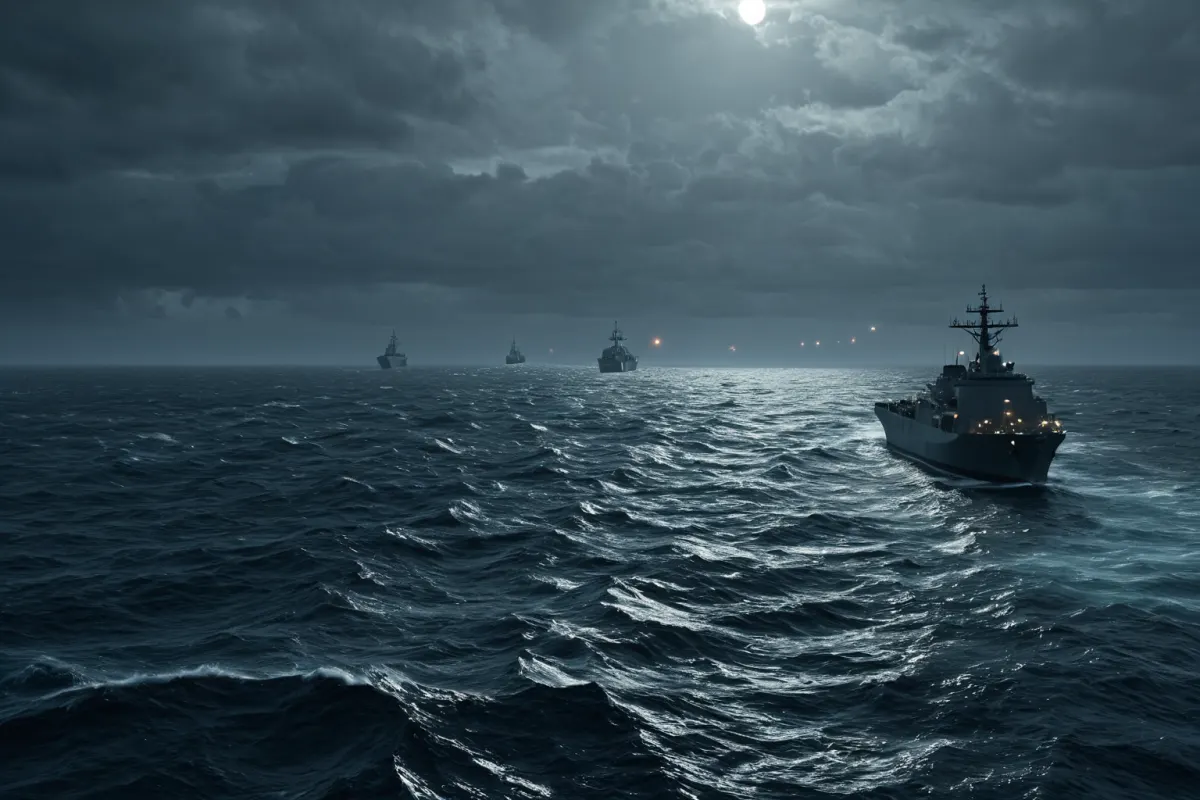
A U.S. naval blockade refers to the strategy of controlling maritime movement during war or strong military pressure, preventing vessels from moving freely. However, it rarely means completely blocking all sea routes; instead, it typically restricts specific areas, shipping lanes, ports, and vessel types.
This is why many people searching for information want to know: "How far does the blockade actually extend?" The answer is more complex than expected. The scope of a blockade varies based on international law, military capabilities, alliance cooperation, and geographic conditions in nearby waters, making it difficult to assume that all civilian cargo ships would immediately stop operating.
Basic Concept of a Naval Blockade
A naval blockade aims to obstruct the flow of military supplies, oil, weapons, and critical resources by blocking sea routes. Whether conducted unilaterally or with allies, the goal is to pressure an adversary's maritime logistics and reduce their ability to conduct warfare.
It’s important to note that a blockade isn’t simply about controlling port entrances. Instead, it can extend to monitoring major shipping lanes and surrounding straits. However, enforcement usually involves a combination of naval forces, aerial surveillance, and inspection procedures.
You can find more articles on similar topics in one place.
View Related ArticlesActual Areas and Routes Affected by Blockades
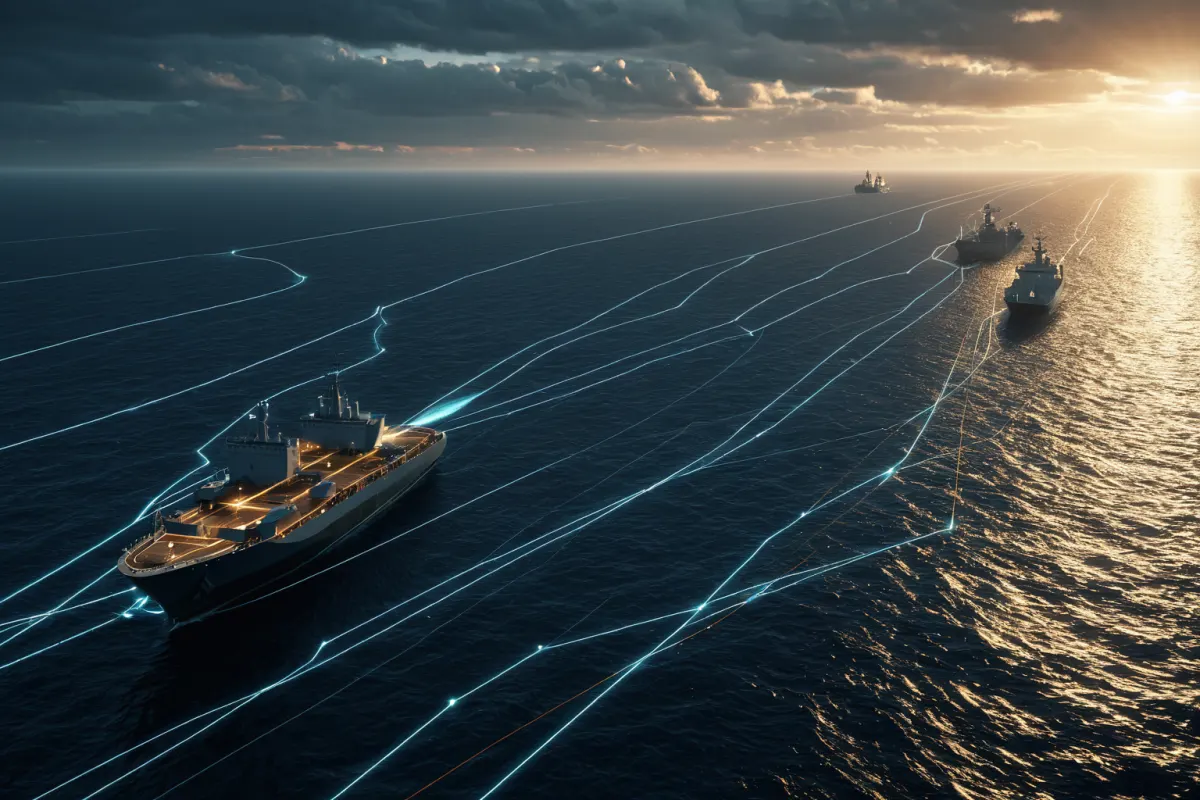
The actual scope of a blockade is generally divided into three categories: port access zones, key straits and narrow waterways, and selected maritime shipping routes. The intensity of control over these areas determines how strongly the blockade is felt.
For example, if a strait frequently used by oil tankers is controlled, economic impact can be immediate. On the other hand, tracking all vessels across open oceans is impractical, so blockades typically focus on "key sections" to disrupt an adversary’s logistics.
To illustrate: A country might leave its main export ports operational but intensify inspections of fuel tankers and container ships entering those ports. While the port appears open, actual cargo movement could slow significantly. In this case, the sea seems free, but logistics are effectively blocked.
Difference Between Civilian Vessels and Military Ships
A common question is whether civilian cargo ships are immediately blocked. The answer depends on the blockade’s intensity. Military vessels are clear targets, while civilian ships often face inspections, searches, or rerouting orders. However, even civilian vessels carrying sanctioned goods or using specific routes may be controlled.
Strategic items like oil, liquefied natural gas (LNG), semiconductor-related equipment, and military-use materials are prioritized for monitoring. General consumer goods transportation can vary in impact based on the blockade’s severity and political considerations.
International Law Concerns and Enforcement Practices
Naval blockades risk conflicting with international law, so they aren’t automatically justified by mere declaration. The blockade zone must be clearly defined, and indiscriminate interference with neutral vessels could lead to diplomatic issues. Therefore, enforcement usually includes legal justification, warning procedures, and inspection criteria.
Enforcement typically involves maritime patrols, satellite surveillance, radio warnings, and vessel identification checks. In severe cases, certain routes may effectively become high-risk zones, encouraging ships to voluntarily reroute. This makes blockades not only physical barriers but also psychological pressure tools.
Impact on Economy and Prices
If a naval blockade becomes reality, energy and logistics are the first sectors affected. Slower oil, grain, and industrial raw material transport can raise shipping costs, which then increase import prices and overall inflation. Countries heavily reliant on maritime trade will feel these effects more quickly.
Real-world examples help clarify this. When a strait’s navigation becomes unstable, shipping companies often take alternative routes, increasing travel time and insurance premiums. In many cases, the rise in "transportation costs" is felt before the actual price of goods increases.
Key Points to Consider When Evaluating a U.S. Naval Blockade
When news reports mention a U.S. naval blockade, focus on three things: which sea area is affected, what types of vessels are targeted, and whether it’s a military action or economic sanction. The same term "blockade" can mean different things depending on context—military blockades versus maritime sanctions differ in scope and intensity.
Another factor to consider is the opposing country’s response. Countries may reroute ports, shift to land transport, use third-country transit, or adjust vessel schedules to mitigate some of the pressure. Thus, while a blockade is powerful, it doesn’t necessarily lead to total paralysis for the target country.
Real-World Examples: How Blockades Are Felt Differently
A country with high reliance on maritime imports may experience widespread disruption from just blocking key shipping lanes. Conversely, countries with well-developed inland transportation networks might absorb some of the pressure more easily. In other words, a blockade’s effectiveness depends on the target country’s geography and economic structure.
Even if the U.S. intensifies maritime control, alternatives like using neighboring ports, expanding air transport, or building up stockpiles can prevent immediate full-scale paralysis. Therefore, analysts often assess both "what can be blocked" and "what can be rerouted" when evaluating a blockade’s impact.
Common Misconceptions About Naval Blockades
The most widespread misconception is the image of an entire sea surrounded by warships. In reality, blockades are far more selective and costly to maintain. Another common misunderstanding is that all vessels stop moving immediately upon a blockade’s start—instead, vessels are often categorized as inspected, rerouted, or permitted.
Thus, understanding naval blockades requires viewing them not as "complete shutdowns" but as strategic pressure aimed at cutting off key logistics. This perspective helps readers see news reports more accurately and anticipate real-world effects without exaggeration.
FAQ
Q. Do all vessels stop moving when a U.S. naval blockade begins?
A. No. Typically, restrictions apply to specific areas, cargo types, or vessel categories, with varying levels of permission for passage or rerouting depending on circumstances.
Q. Are naval blockades and sanctions the same thing?
A. No. Sanctions focus on economic and financial pressure, while a naval blockade specifically targets movement across waterways.
Q. Which sectors are most affected by a naval blockade first?
A. Energy transport, shipping rates, insurance costs, and raw material supply chains often feel the impact earliest.
Current developments can change rapidly depending on sea area control levels and military or diplomatic announcements, so it’s best to consult real-time reports and international maritime updates during active conflicts.
Continue exploring similar topics.
View Category ArticlesFAQ
Do all vessels stop moving when a U.S. naval blockade begins?
No. Typically, restrictions apply to specific areas, cargo types, or vessel categories, with varying levels of permission for passage or rerouting depending on circumstances.
Are naval blockades and sanctions the same thing?
No. Sanctions focus on economic and financial pressure, while a naval blockade specifically targets movement across waterways.
Which sectors are most affected by a naval blockade first?
Energy transport, shipping rates, insurance costs, and raw material supply chains often feel the impact earliest.
Korean Source
This article is an English localization of a Korean-language report from BlogScore. Original: 미 해상 봉쇄 의미와 실제로 막히는 범위