
Understanding U.S. Forced Labor Tariffs: What They Are and When They Apply
The U.S. forced labor tariff refers to measures taken by U.S. customs authorities to block or pressure the import of goods suspected of being produced using forced labor. In simpler terms, if there is suspicion or evidence that a product was made through forced labor, it may be denied entry at the border or subjected to additional investigation.
This system focuses on preventing products from entering the U.S. market entirely rather than imposing fines. Therefore, for exporters, understanding which products are targeted is more critical than when the tariffs will apply.
How U.S. Forced Labor Tariffs Are Applied
Technically, it's less about tariffs and more about import bans or holds. The U.S. Customs and Border Protection (CBP) can halt shipments if forced labor is suspected, requiring importers to provide documentation proving the origin and production process.
If a company fails to provide sufficient evidence, goods may remain detained, be returned, or even seized. In practice, this isn't just about paying extra fees—it requires proving the entire supply chain, not merely submitting paperwork.
You can view similar articles on this topic in one place.
View Related ArticlesProducts Subject to Forced Labor Tariffs
The scope isn't limited to specific countries or industries. Products with complex supply chains—such as textiles, apparel, agricultural goods, electronics, minerals, and solar-related items—are frequently scrutinized.
For example, if raw materials are sourced from Country A, processed in Country B, and then exported to the U.S., any forced labor issues at the raw material stage could affect the final product. Simply checking the country of manufacture isn't enough.
Determining When Tariffs Apply
There's no fixed date when these tariffs kick in. Instead, U.S. authorities may begin holding shipments once they raise concerns about forced labor related to specific companies, products, or regions and gather sufficient evidence.
Businesses should be particularly cautious of sudden investigations triggered by changes in U.S. laws, executive orders, or enforcement priorities. The focus is less on a specific implementation date and more on when enforcement begins.
In practice, businesses often watch for these signs:
- Increased scrutiny on specific industries
- Rising demand for supply chain documentation
- Unusually short deadlines or low prices
- Vague information about subcontracting stages
Required Documentation for Compliance
The most critical item is supply chain traceability documents. Basic requirements include raw material purchase contracts, production process charts, origin certificates, subcontractor details, and labor condition verification.
For instance, an apparel exporter must provide documentation connecting fabric suppliers, sewing factories, dyeing facilities, and packaging processes. Any gaps could be viewed as risks by U.S. authorities.
Practical tip: Simply collecting standard origin certificates isn't enough. Companies should document actual production locations and labor structures, ideally including photos, work logs, and audit reports for added security.
Real-World Impact on Importers
The most immediate impact is delayed customs clearance. If shipments are held up, delivery deadlines are missed, and contracts with buyers may be disrupted. This delay can quickly turn into financial loss, especially for seasonal products or fast-moving inventory.
Another consequence is damaged trust with U.S. buyers. American buyers often sever ties with suppliers suspected of forced labor issues or impose stricter pre-shipment inspections. Once labeled a high-risk supplier, recovery takes significant time.
For example, Korean mid-sized exporters might suddenly be asked by U.S. buyers to provide documentation for subcontracted factories. Without proper records, transactions may halt entirely, making it essential to establish organized documentation from the start.
How to Reduce Forced Labor Concerns
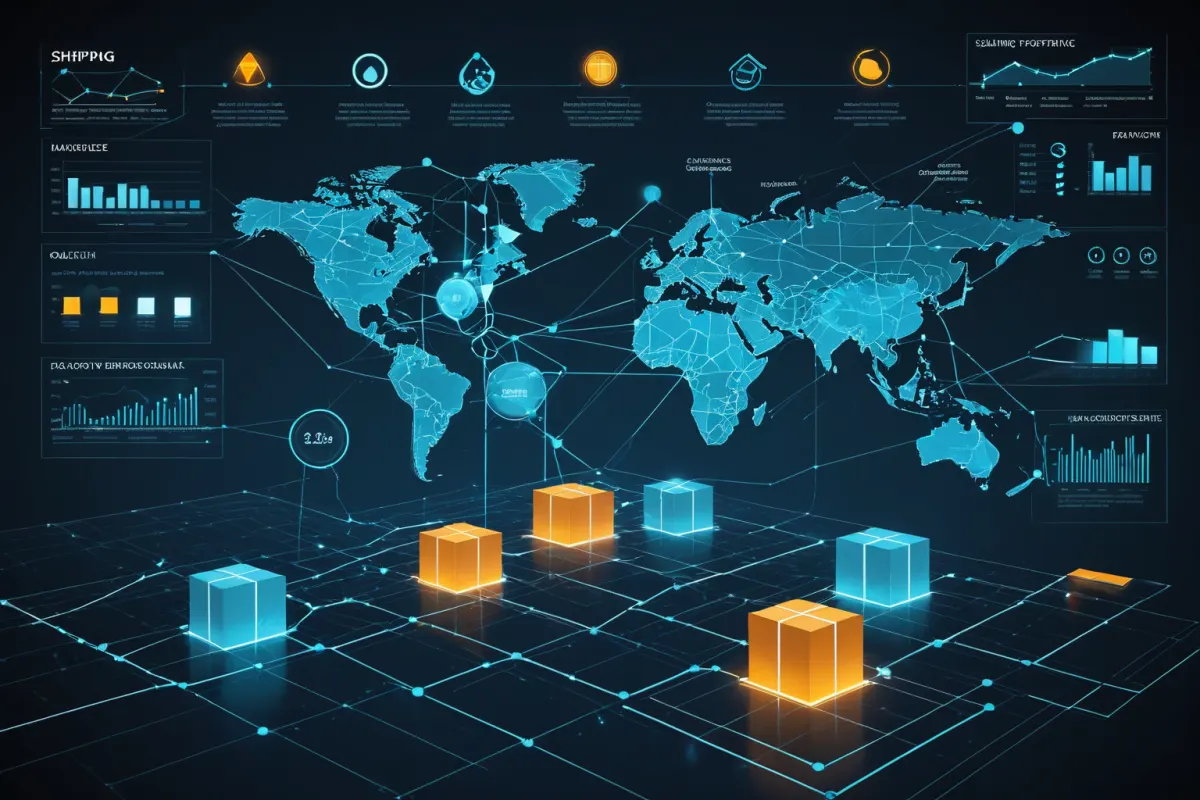
The most practical approach is to map your supply chain step-by-step. Maintaining a clear record of raw material suppliers, production facilities, subcontracting status, and labor structures allows for faster responses when needed.
Incorporating 'forced labor-free' clauses into contracts at the outset and regularly obtaining signed confirmations also helps. It's not about formal wording but building habits of requesting and storing actual documentation.
For example, a finished goods exporter might require production confirmation documents and labor operation reports from suppliers with each order, while proactively excluding subcontractors with potential risks.
Key Considerations for Korean Businesses
Korean businesses often rely more on overseas procurement than direct manufacturing, and many products pass through multiple countries before reaching the final stage. Even if production occurs in Korea, issues with raw material sourcing can cause problems.
Products with unusually low prices, opaque production processes, or heavy reliance on subcontracting may face heightened scrutiny from U.S. authorities. Failure to prepare documentation beforehand can lead to delayed responses.
In practice, U.S. officials prioritize evidence of verification over simple statements like 'we don't have this issue.' The difference between these approaches can determine whether goods clear customs.
FAQ
Q1. Are U.S. forced labor tariffs the same as regular import duties?
No. They're more about blocking imports of goods suspected of using forced labor rather than imposing additional taxes.
Q2. Does applying these tariffs automatically block all imports?
Not always, but insufficient documentation can lead to holds or extremely difficult clearance. Submission of proper evidence is key.
Q3. Do small businesses need to prepare for this as well?
Yes. Regardless of size, complex supply chains make businesses vulnerable to investigation. At minimum, companies should organize information about raw materials and subcontractors.
Given that enforcement standards can change frequently, it's safest to verify the latest customs requirements before exporting.
Continue exploring similar topics.
View Category ArticlesFAQ
Are U.S. forced labor tariffs the same as regular import duties?
No. They're more about blocking imports of goods suspected of using forced labor rather than imposing additional taxes.
Does applying these tariffs automatically block all imports?
Not always, but insufficient documentation can lead to holds or extremely difficult clearance. Submission of proper evidence is key.
Do small businesses need to prepare for this as well?
Yes. Regardless of size, complex supply chains make businesses vulnerable to investigation. At minimum, companies should organize information about raw materials and subcontractors.
Korean Source
This article is an English localization of a Korean-language report from BlogScore. Original: 미국 강제노동 관세, 무엇을 뜻하고 언제 적용되나