
Understanding U.S. Congressional Reports: Purpose and Key Sections Explained
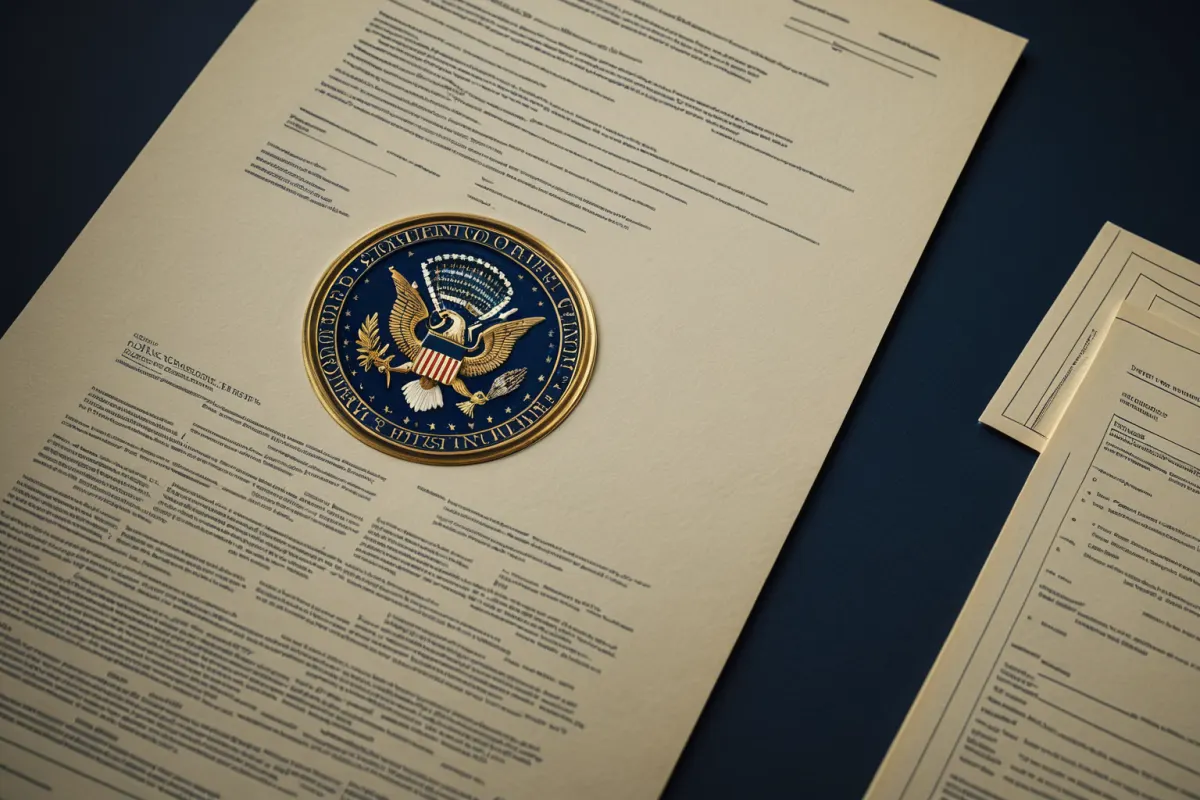
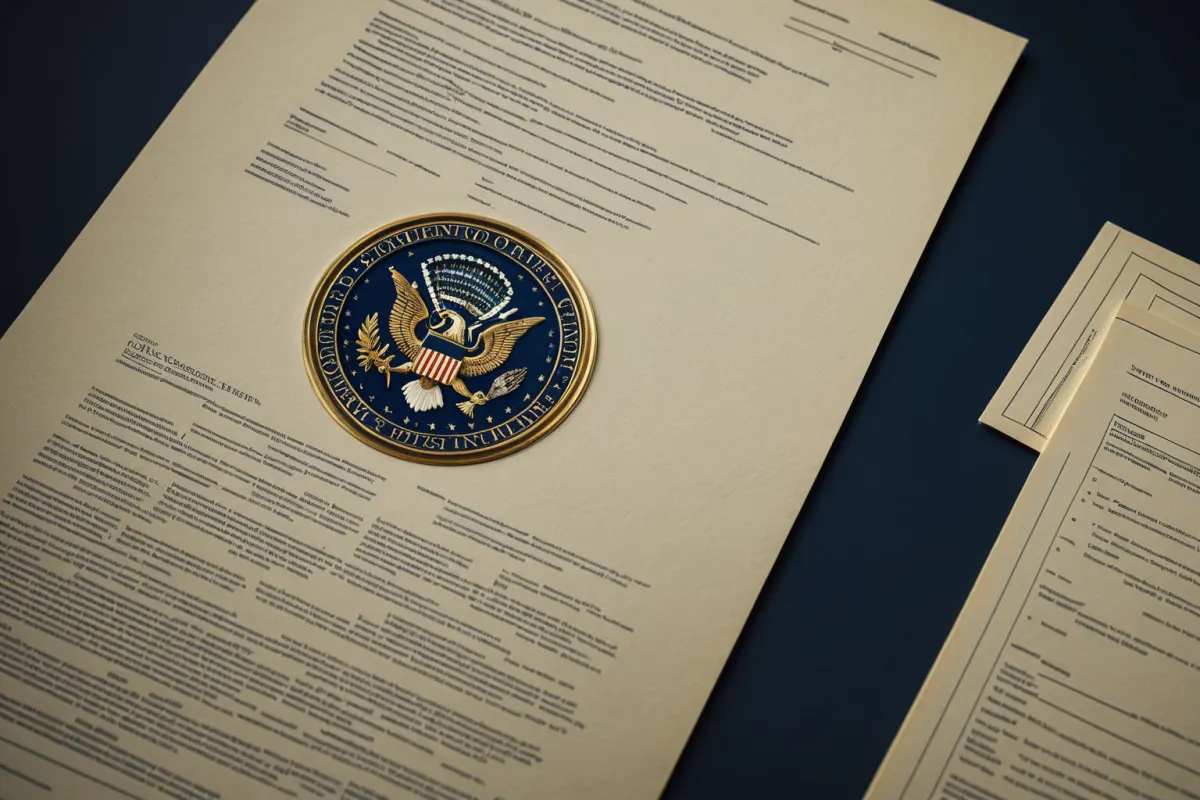
A U.S. congressional report is an official document compiled by the U.S. Congress that investigates, analyzes, and reviews specific topics. Unlike news articles, these reports provide more detailed evidence and are frequently referenced when discussing legislation or policy directions.
Many readers wonder why these documents matter and where to find the key points quickly. The answer is straightforward: focus on four elements—purpose, issuing body, summary of conclusions, and recommendations—to understand the overall context.
The Basic Role of U.S. Congressional Reports
These reports are created by either the Senate or House of Representatives to support policy decisions. They cover topics such as industry, diplomacy, security, budgeting, and technology, serving as reference materials during legislative processes.
A key point is that these documents do not necessarily represent a single "official conclusion." Depending on their type—such as investigative reports, analytical studies, or legislative review memos—their focus varies. Simply judging by the title can lead to missing important nuances.
For example, a report on semiconductor supply chains might not only detail current technology but also address the need for expanding domestic production, reliance on foreign sources, and potential budget support. This makes them frequently cited as resources for understanding policy trends.
You can find more articles on similar topics in one place.
View Related ArticlesWhy Reports Support Policy Decisions
The primary purpose of congressional reports is to help legislators and staff quickly grasp complex situations. Given the volume of information, these reports summarize key issues and options for decision-making.
Another important function is documentation. They record what problems existed at the time, which viewpoints were considered, and can later be referenced in legislative debates or hearings.
In practical terms, they help explain the background for policy drafts or clarify why specific legislation was introduced. For general readers, these reports offer insight into how Congress views particular issues.
Key Sections to Check First
When encountering a new congressional report, reading just the beginning can cover half of the content. Pay special attention to these five elements:
- Issuing body: Whether it comes from CRS (Congressional Research Service), GAO (Government Accountability Office), or CBO (Congressional Budget Office)
- Date of publication: When it was written and whether it reflects current issues
- Main question: What the report aims to explain
- Summary of conclusions: The core findings
- Recommendations: Proposed policy directions
Focusing on these five points allows you to quickly grasp the essence without reading the entire document. Particularly, the summary of conclusions often serves as a concise version of the report and is most useful for busy readers.
For instance, with a report on export regulations related to China, first check the regulated items and implementation timeline, then assess industry impact and alternatives—no need to read every paragraph in order.

Differences Between Report Types
Not all congressional reports are alike. CRS (Congressional Research Service) provides analysis for legislative reference, while GAO (Government Accountability Office) focuses on government efficiency and audit findings.
CBO (Congressional Budget Office) specializes in budget projections and fiscal impact assessments. For the same topic, CBO reports would address cost implications, whereas CRS reports focus more on policy issues.
Misunderstanding these differences can lead to reading the wrong document even if titles seem similar. Therefore, it’s essential to check the issuing body and type of report at the beginning.
Recommended Reading Order
The most efficient way to read a congressional report follows this sequence:
- Check the title for topic scope
- Read the summary section for conclusions
- Use the table of contents to find key issues
- Review tables and footnotes for evidence
- Verify publication date and updates
This approach makes it easier to navigate complex documents. Notably, tables and footnotes are often shorter than the main text but contain critical supporting evidence.
For example, a report on trade sanctions might explain policies in the main text, while footnotes cite specific legal clauses or data sources. The reliability of the information is often found in these details.
Real-World Application
Congressional reports can help verify claims made in news articles. While media coverage may briefly mention a topic, the report provides deeper context about underlying assumptions and limitations.
For instance, when discussing AI regulation, a congressional report might cover not only technological risks but also industrial competitiveness, federal vs. state authority differences, and international cooperation needs. This helps avoid one-sided perspectives common in media coverage.
When searching for reports, check both Korean and English terms like "U.S. congressional report," "Congressional Research Service," or "CRS report" to find the right resources. Also, always verify if a document is current, as policy, security, trade, and technology topics can change significantly within years.
Common Pitfalls in Searching
When searching for reports online, it’s helpful to use both Korean and English terms: "U.S. congressional report," "Congressional Research Service," or "CRS." Different search terms yield better results.
Additionally, always check if a document is recent. In fields like policy, security, trade, and technology, even minor date differences can alter content significantly. Using outdated information could lead to incorrect interpretations.
Reports with similar titles may address different issues, so checking the publication year and any updates is crucial. For example, legislation might have been amended or new executive orders issued since the report was published, making older reports potentially inaccurate for current contexts.
Faster Understanding Tips
For beginners, avoid trying to read everything at once. Focus first on: "What issue is addressed?" "What evidence is provided?" and "What recommendations are made?" Once these elements are clear, the rest of the document becomes easier to interpret as background information.
Policy reports often rely more on context than individual sentences. Rather than focusing on single numbers, understand how they compare to benchmarks or reference points.
Starting with a concise summary (around 10 pages) is also recommended before diving into full-length documents. This helps familiarize readers with the structure before tackling longer texts.
Frequently Asked Questions
Q1: Do U.S. congressional reports have legal authority?
No. These are reference materials for decision-making, not legally binding documents.
Q2: Should ordinary people read these reports?
Yes. For topics where U.S. policy impacts Korea—such as diplomacy, trade, and technology regulation—these reports provide valuable insights.
Q3: What should I check first for quick understanding?
Focus on the title, summary, conclusions, and recommendations in that order to quickly grasp key points.
U.S. congressional reports may appear lengthy and complex, but once you understand their purpose and structure, they become easier to navigate. They offer deeper insights than news articles for tracking policy trends, making them highly valuable resources for international readers interested in U.S.-Korea relations.
Continue exploring similar topics.
View Category ArticlesFAQ
Do U.S. congressional reports have legal authority?
No. These are reference materials for decision-making, not legally binding documents.
Should ordinary people read these reports?
Yes. For topics where U.S. policy impacts Korea—such as diplomacy, trade, and technology regulation—these reports provide valuable insights.
What should I check first for quick understanding?
Focus on the title, summary, conclusions, and recommendations in that order to quickly grasp key points.
Korean Source
This article is an English localization of a Korean-language report from BlogScore. Original: 미의회 보고서란? 작성 목적과 주요 내용 확인법