
Understanding Ultherapy's Effects: Realistic Expectations and Results
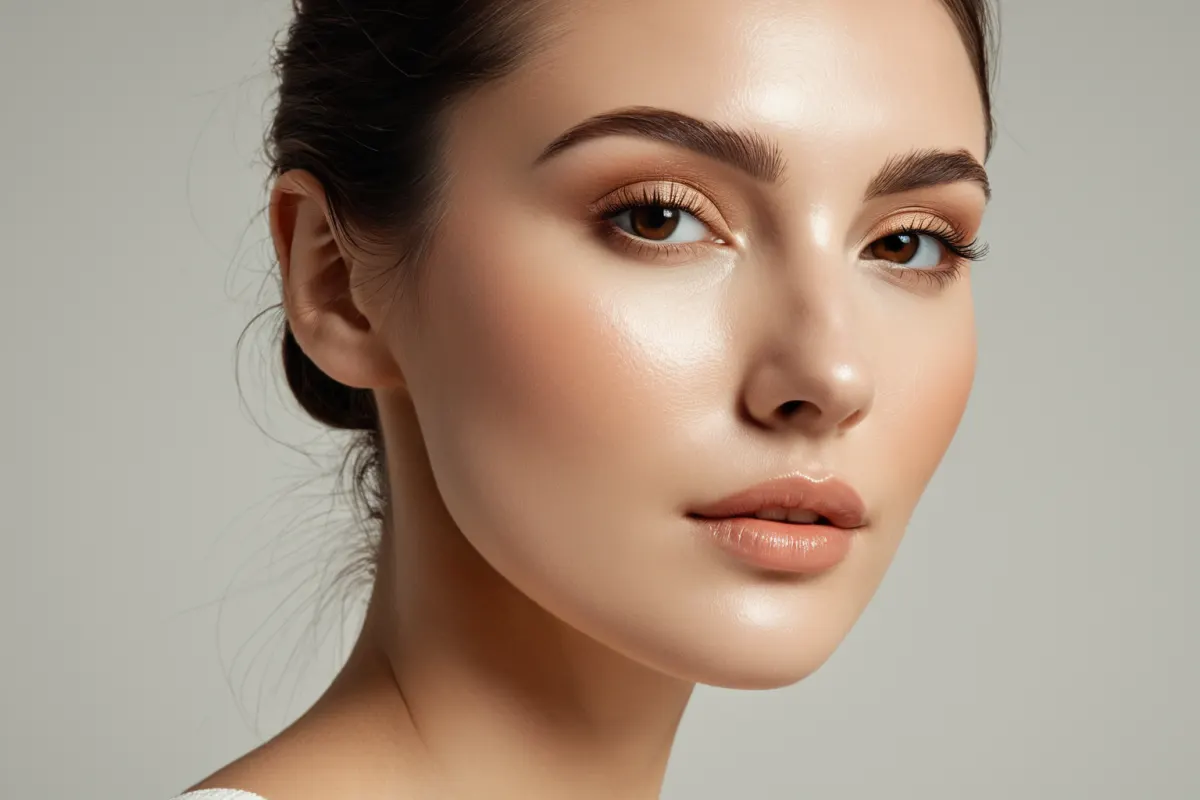
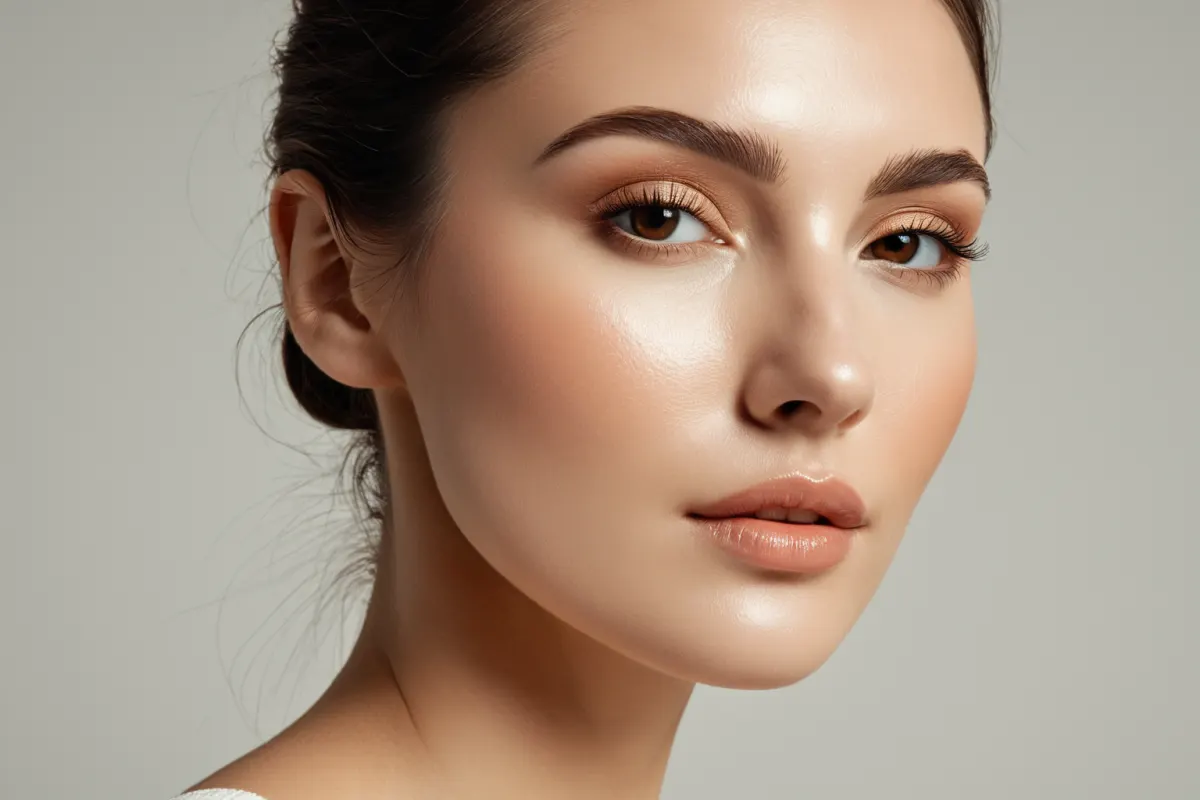
Ultherapy's effect is simply described as a lifting change that pulls skin upward from deeper layers without cutting. However, the results aren't immediate—instead, they gradually improve over 2-3 months as skin elasticity increases.
This is why people seeking Ultherapy often ask about whether their facial contours appear less sagging, if jawlines look more defined, or if lines around the mouth seem less droopy. Setting realistic expectations leads to higher satisfaction.
The Core of Ultherapy: Stimulating Skin's Elastic Layer
Ultherapy uses focused ultrasound energy to precisely target deeper skin layers, creating thermal coagulation points. This stimulation doesn't immediately pull the skin but encourages collagen regeneration over time for improved elasticity.
In other words, it's not a procedure that instantly tightens surface skin—it gradually helps restructure sagging areas. Common changes include less 'thin-skinned' appearance and slightly more defined jawlines when viewed in the mirror.
You can find similar articles on this topic all at once.
View Related ArticlesAreas Where Ultherapy Effects Are Most Noticeable
The most commonly mentioned areas include jawlines, double chins, sagging cheeks, under-eye areas, and neck lines. It's especially effective for those whose lower face appears heavy or whose jawline looks blurred from the side.
Conversely, if there's significant volume loss in the face, Ultherapy alone may not provide full satisfaction. In such cases, it's important to first determine whether additional volume enhancement is needed alongside Ultherapy.
For example, a late-30s professional might seek Ultherapy because their jawline disappears in photos, while a mid-50s person might want to address overall sagging. The former focuses on definition, the latter on reducing sagging—so expectations should align with these goals.
Difference Between Immediate and Two-Month Results
The visible changes right after Ultherapy are limited. Some may experience temporary redness, swelling, or a sensation of tightness, making the face appear more sensitive.
The real results typically become noticeable over time. Many start to see subtle improvements in skin texture around four weeks, with clearer lifting effects by two to three months. If unaware of this timeline, some might mistakenly think Ultherapy is "a quiet procedure" because immediate changes are minimal.
Common Points of Satisfaction in Ultherapy Reviews
Reviews often mention similar points: a more defined face shape, less spread-out jawline, and clearer makeup contours. These changes are especially visible in photos.
An important note is that the effect usually feels like a natural improvement rather than dramatic change—meaning others might not notice it as much as you do when looking in the mirror. This makes expecting overly dramatic results potentially disappointing.
How Price and Number of Shots Affect Ultherapy
The price varies based on number of shots, treatment area, device condition, and practitioner expertise. While some compare prices by shot count (e.g., 600 shots), more shots don't necessarily mean better results—proper distribution for your facial structure is key.
For instance, someone focusing only on jawline will need a different configuration than someone wanting to treat cheeks, deep cheek areas, and neck. So simply choosing the cheapest option might miss important treatment areas.
Ultherapy vs. Thermage: Key Differences
Ultherapy is often compared with Thermage. Ultherapy excels at deeper lifting effects, while Thermage focuses more on surface skin tightening and texture improvement.
Therefore, if your main concern is sagging lower face, Ultherapy might be the first option considered. If you're concerned about skin texture or fine lines, Thermage may also come up for discussion. That's why some combine both treatments—sometimes referred to as "Ulthera + Thermage" or "Ultherapy-Thermage."
What to Confirm Before Ultherapy
If you're getting it for the first time, understanding exactly what will be treated is crucial. You should clarify which areas will be lifted, how much change to expect, and pain levels beforehand.
Especially when searching for a clinic in Gangnam or places known for good Ultherapy results, focus more on consultation details than just review counts. Check whether the practitioner explains shot placement based on your face shape, manages expectations appropriately, and discusses potential side effects.
For example, if you have hollows under the cheekbones but only get strong jawline lifting, it might make your face look even more tired. Conversely, if you have a prominent double chin but receive only light overall treatment, satisfaction may be low.
Realistic Way to View Ultherapy Effects
Ultherapy's effect is closer to "reducing sagging appearance" rather than making the face smaller. So changes are often more noticeable from angles like 45 degrees or profile shots rather than straight on.
Also, results vary based on skin condition, fat volume, age, and lifestyle habits. If you have poor sleep or rapid weight fluctuations, improvement may be less pronounced. Therefore, it's best to avoid expecting Ultherapy alone to fix all sagging issues.
Realistic Checklist for Expecting Ultherapy Results
Here are four key points to help set expectations:
- If jawline appears less blurred
- If double chin is less pronounced (not completely gone)
- If sagging cheeks appear more smoothly defined
- If you understand results develop gradually rather than immediately
These four points can quickly help determine if Ultherapy suits your concerns. Understanding that changes take time also reduces post-procedure anxiety.
FAQ
Q. When do Ultherapy effects start to show?
A. Effects usually become noticeable around four weeks after treatment, with clearer lifting by two to three months.
Q. Can Ultherapy alone fix sagging completely?
A. No. For significant sagging or when combined with volume loss, additional treatments may be needed.
Q. Why do Ultherapy reviews vary so much?
A. Results differ due to facial structure, shot placement, expectations, and maintenance habits—so even the same treatment can feel different for each person.
If you're considering Ultherapy, focus less on whether it's "painful" or "not painful" in reviews and more on what specific changes you want. Prices and procedures may vary by time period, so double-check before your consultation.
Continue exploring similar topics.
View Category ArticlesFAQ
When do Ultherapy effects start to show?
Effects usually become noticeable around four weeks after treatment, with clearer lifting by two to three months.
Can Ultherapy alone fix sagging completely?
No. For significant sagging or when combined with volume loss, additional treatments may be needed.
Why do Ultherapy reviews vary so much?
Results differ due to facial structure, shot placement, expectations, and maintenance habits—so even the same treatment can feel different for each person.
Korean Source
This article is an English localization of a Korean-language report from BlogScore. Original: 울쎄라 효과가 실제로 뭔지: 리프팅 기대치와 후기 포인트