
Understanding the Relocation Plan and Timeline for the Yongin Semiconductor Cluster
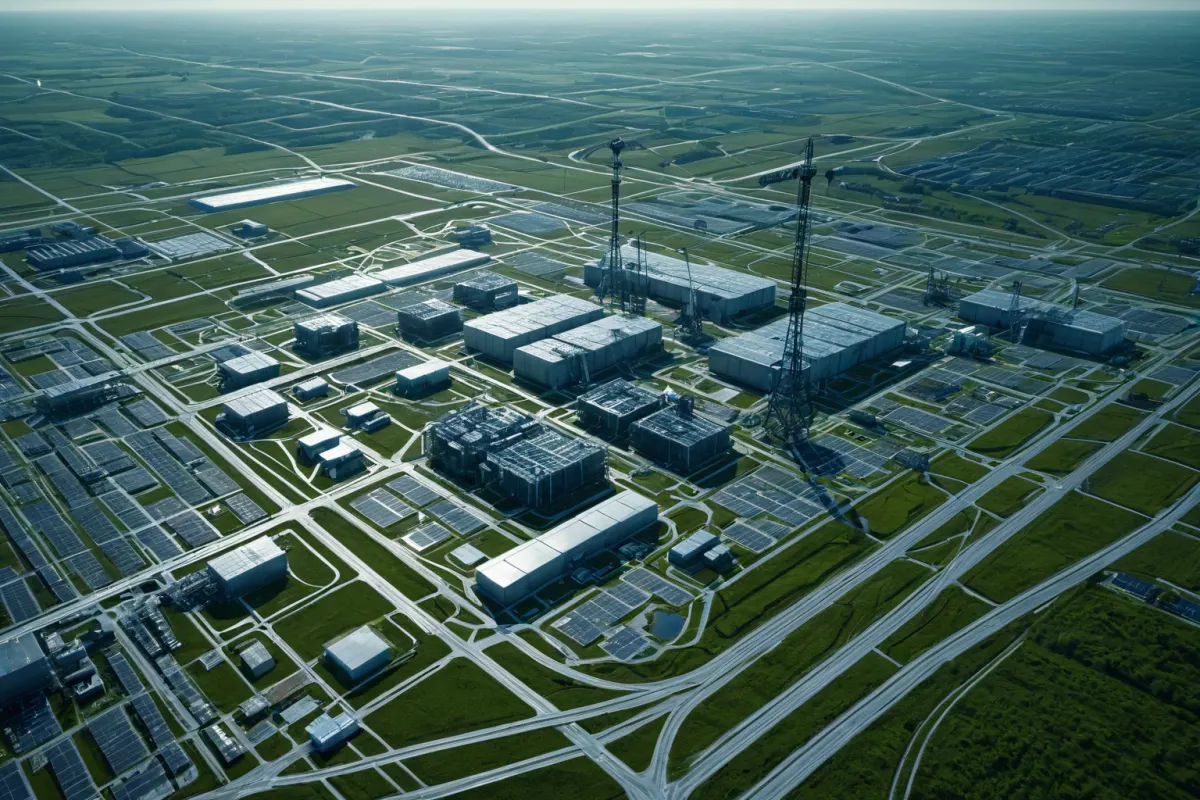
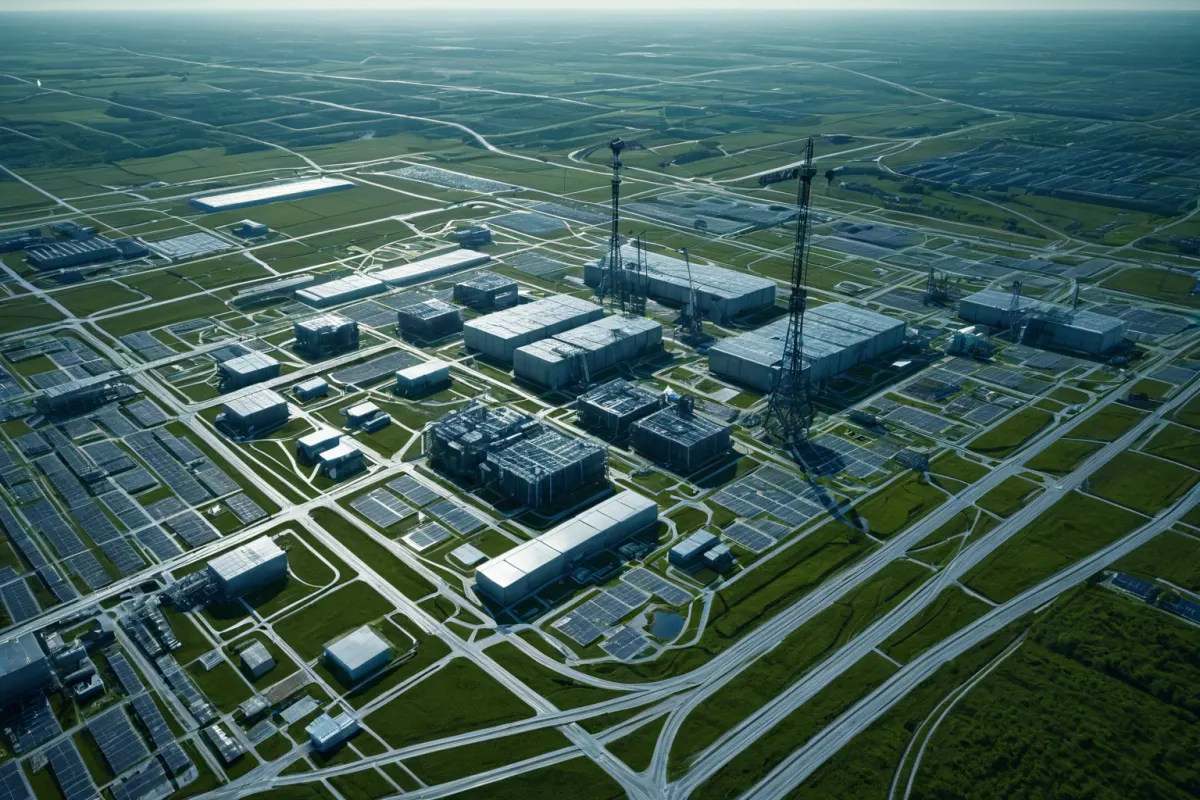
The Yongin Semiconductor Cluster relocation plan essentially aims to consolidate semiconductor-related production and support functions currently spread across different locations or facing expansion limitations into a large-scale industrial complex in Yongin. However, the actual timeline is not a single move but progresses through stages such as land compensation, permits, infrastructure construction, and factory commencement, making it longer than expected.
Especially important is the question of "when will it relocate?" Currently, the process must first address site preparation, power supply, road access, and water infrastructure before factories can begin operations. Therefore, when reviewing the relocation plan, it's crucial to consider both the timeline for industrial complex development and the status of power infrastructure readiness.
Core Flow of the Yongin Semiconductor Cluster Relocation Plan
The Yongin Semiconductor Cluster is a major semiconductor hub being developed in the Cheoin District of Yongin City. The term "relocation" here does not refer to a simple address change but rather moving semiconductor production and collaboration functions to a new site and reorganizing them into a large cluster.
This process typically involves land acquisition, site preparation, power grid construction, factory design and commencement, followed by phased occupancy. Delays in any single phase can push back the entire timeline, which is why schedules often change in announcements or reports.
You can view more articles on similar topics at once.
View Related ArticlesWhy the Timeline Is Longer Than Expected
Semiconductor industrial complexes require significantly more power and water than regular factories. Simply securing land is not enough; power supply networks, transmission facilities, water access, and transportation infrastructure must all be coordinated simultaneously.
This also includes land compensation negotiations with residents and environmental procedures, which may not be visible but have a significant impact on the timeline. Thus, it's more accurate to track "how far along the process is" rather than "when will it be completed?"
Why Yongin’s Location Is Drawing Attention
The location of the Yongin Semiconductor Cluster is frequently searched because its site has significant strategic value. Its proximity to Seoul, combined with easy connections to existing semiconductor ecosystems, makes it an ideal spot for consolidating production and collaboration networks.
However, even with these advantages, factories won't start operating immediately. The development of the industrial complex and actual factory operations follow separate timelines, so simply knowing the location is confirmed doesn't mean you can determine a completion date.

Power Supply as a Key Factor in the Timeline
The power supply issue for the Yongin Semiconductor Cluster is one of the most frequently discussed aspects of this project. Semiconductor manufacturing requires stable, high-capacity power, so merely connecting to nearby power sources isn't sufficient.
Therefore, substations, transmission lines, and grid reinforcement must be prepared alongside land development. In practice, securing power supply often takes longer than site preparation, making it essential to monitor power-related announcements when assessing the project timeline.
The Connection to Hynix
The search term "Yongin Semiconductor Cluster Hynix" appears because SK Hynix is a key participant in this cluster. Thus, the project should be viewed as a major initiative for establishing a new semiconductor production hub rather than just a local industrial complex.
However, industry schedules can vary based on investment plans, global demand, equipment importation, and process transitions. So "there's a plan" is very different from "it will happen immediately." Understanding this distinction helps avoid being misled by headlines about the timeline.
Difference Between General and National Industrial Complexes
The term "Yongin Semiconductor Cluster General Industrial Complex" may appear, but it is often described in connection with a National Industrial Complex. Projects at the national level typically include permits and infrastructure support, making their timelines managed on a larger scale.
General industrial complexes are usually developed more quickly around specific companies or industries, while semiconductor projects—requiring power, water, and transportation coordination—are better suited for National Industrial Complex support. Thus, it's difficult to judge speed based solely on the name.
Real-World Example of Relocation Timeline
For example, consider a scenario where existing supporting factories are located in other parts of Gyeonggi Province and need to relocate to the Yongin Cluster. In this case, site infrastructure must be completed first, followed by equipment relocation and testing.
In other words, it's not about employees packing up today and moving tomorrow; instead, some production lines remain at the original location while new facilities are gradually moved in. This is why relocation timelines often span years rather than months.
Key Points to Check for Completion Timeline
When assessing when the Yongin Semiconductor Cluster will be completed, focus on actual progress stages rather than concept sketches or promotional materials. Track site preparation rates, power infrastructure construction, road connections, and whether construction has begun.
For instance, if a report mentions "construction begins this year," it means building work has started—not that production is immediately underway. Semiconductor factories require testing and stabilization periods after construction, so significant time passes even after the start of construction.
Commonly Overlooked Details When Checking Timelines
When searching for information, concept sketches like those shown in Yongin Semiconductor Cluster promotional materials may catch your eye, but they're less relevant to actual timeline assessment. More practical details include progress on compensation negotiations, permit approvals, and power infrastructure procurement.
Another important distinction is between announcement dates and actual implementation dates. Policy announcements can come quickly, but construction often starts much later. Understanding this difference helps avoid overestimating or misunderstanding the project's pace.
The One-Line Answer to What People Most Want to Know
The Yongin Semiconductor Cluster relocation plan is progressing in stages, with the actual timeline dependent on site preparation, power supply readiness, permits, and factory commencement. At this stage, it's more important to focus on "how far along are we?" rather than "when will it move?"
Because the cluster’s power supply and infrastructure must be finalized before full relocation and operations can begin, it's essential to monitor both construction start dates and grid reinforcement progress in the latest announcements.
FAQ
Q1. Does the Yongin Semiconductor Cluster relocation start immediately?
A. No, the entire relocation does not happen all at once. Site preparation, power grids, and permits must be completed first before phased relocation begins.
Q2. When will the Yongin Semiconductor Cluster be completed?
A. It's difficult to pinpoint a single date due to varying progress across different stages. The timeline should be assessed by tracking infrastructure development, construction start, equipment importation, and testing phases.
Q3. Why is power supply such a critical issue?
A. Semiconductor factories require high-capacity power, so delays in power supply can delay the entire project timeline.
Continue exploring articles on similar topics.
View Category ArticlesFAQ
Does the Yongin Semiconductor Cluster relocation start immediately?
No, the entire relocation does not happen all at once. Site preparation, power grids, and permits must be completed first before phased relocation begins.
When will the Yongin Semiconductor Cluster be completed?
It's difficult to pinpoint a single date due to varying progress across different stages. The timeline should be assessed by tracking infrastructure development, construction start, equipment importation, and testing phases.
Why is power supply such a critical issue?
Semiconductor factories require high-capacity power, so delays in power supply can delay the entire project timeline.
Korean Source
This article is an English localization of a Korean-language report from BlogScore. Original: 용인반도체클러스터 이전 계획과 일정은 어떻게 되나