
Understanding the 'Open-Door Departure' Rule in South Korea: Legal Standards and Precautions
Definition and Legal Classification of Open-Door Departure
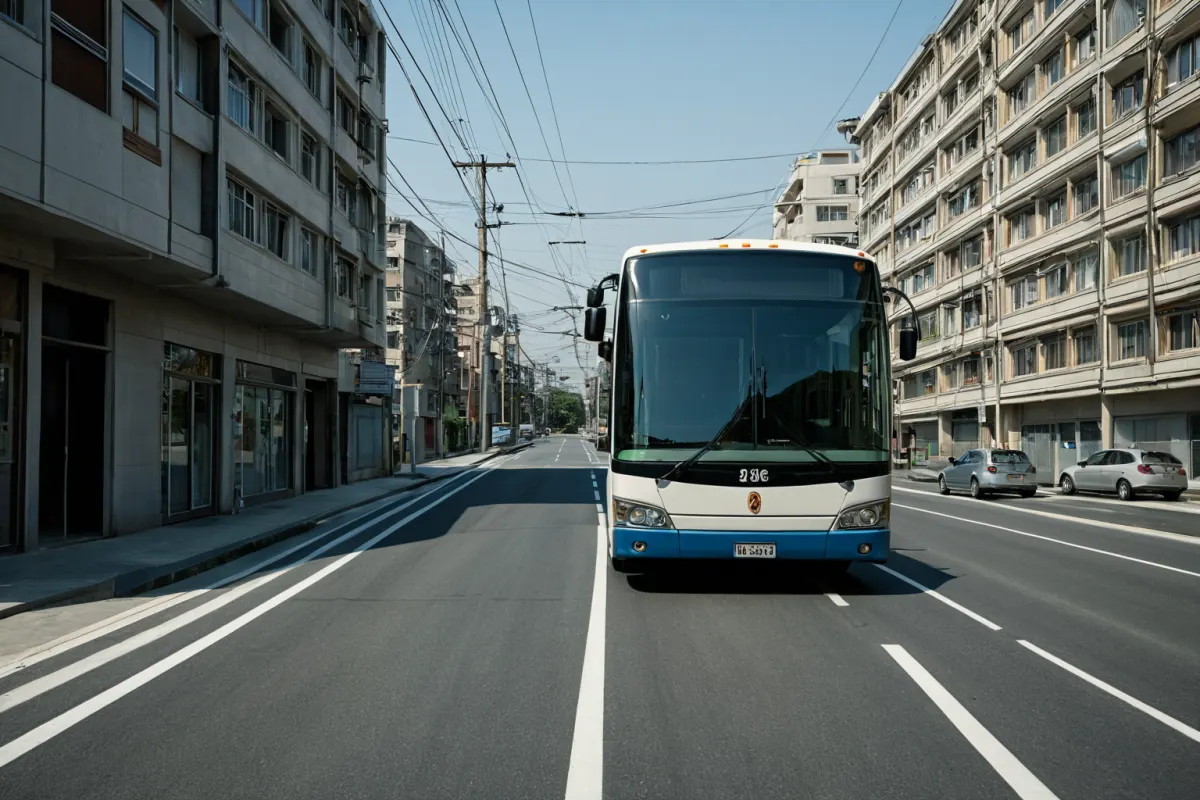
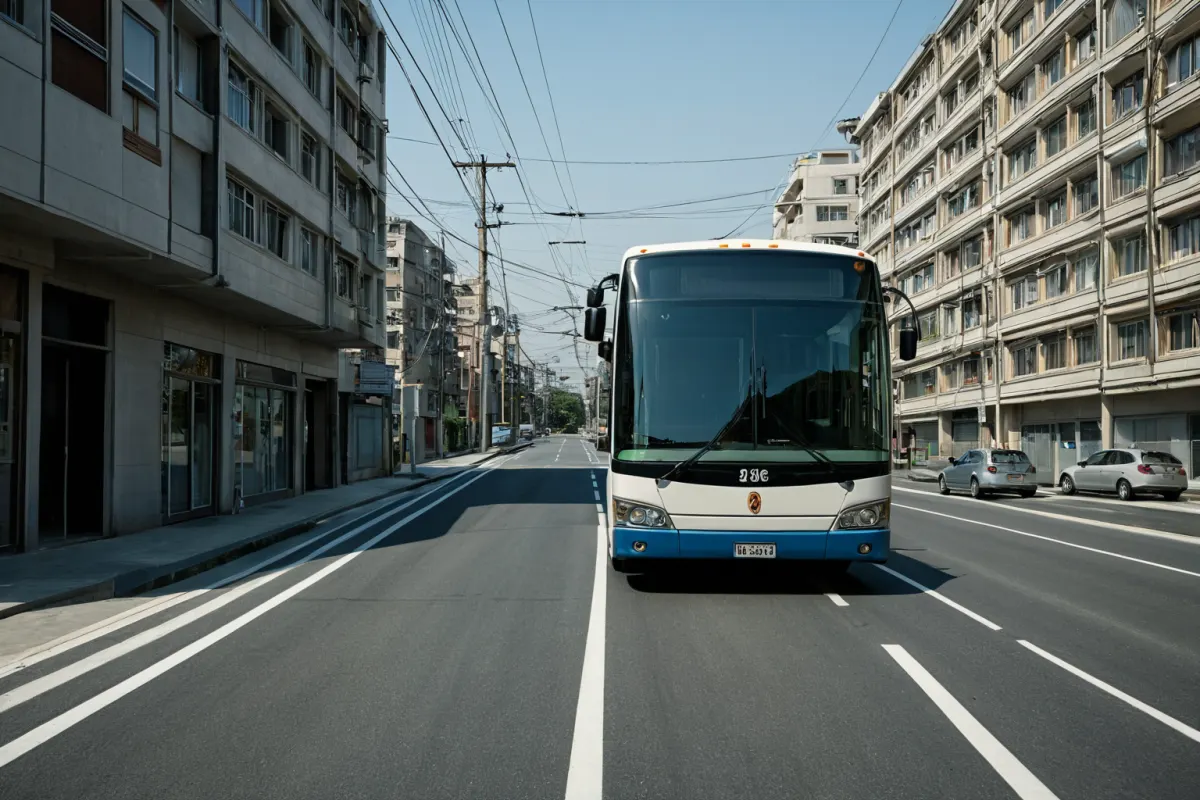
An open-door departure occurs when a vehicle departs with its doors unlocked or open. This typically happens when drivers fail to close doors before starting the car, often involving buses. Incidents may include passengers getting caught in doors due to drunkenness or clothing entanglement (e.g., long coats).
Open-door departures are classified as 'breach of duty' under South Korean law, distinguishing them from accidents like crossing the center line. Unlike those cases, victims do not need to cover repair costs—instead, drivers face liability for failing to ensure passenger safety. Bus operators, in particular, must conduct pre-departure checks due to higher risks of passengers getting trapped in doors.
A 2021 January 27 incident involving a bus driver departing with an open door led to a passenger’s death after their long coat became stuck in the door. This case highlighted the severity of such accidents and prompted stricter safety protocols for bus drivers, including mandatory pre-departure inspections.
A September 8, 2022 incident saw a drunk passenger boarding through the rear door, which remained open as the bus departed. The driver failed to check passengers’ status before moving, resulting in a severe entanglement accident. This case was classified as negligence due to inadequate pre-departure checks, leading to full repair cost liability for the at-fault party under insurance policies.
Insurance Limitations and Repair Cost Liability
Accidents involving drunk driving, unlicensed operation, or hit-and-runs are excluded from standard insurance coverage. As of March 2021, insurers require full compensation for damages caused by such negligence. These cases are categorized as 'gross negligence' in insurance terms, directly impacting premium calculations.
On March 28, 2021, a formal notice clarified that drunk driving, unlicensed operation, and hit-and-run incidents would not be covered by insurance, prompting insurers to revise their policies. Policyholders now must carefully consider coverage limits following such accidents.
Starting March 29, 2021, high-end imported vehicles require full out-of-pocket repair costs for gross negligence cases. Repairs for luxury brands like BMW or Mercedes-Benz often exceed ₩5 million even for minor fixes—three times the average cost of regular cars. This policy significantly increases financial burdens on negligent drivers.
Insurance restrictions serve not only as coverage limitations but also as legal benchmarks to clarify driver negligence. Both insurers and traffic authorities use these standards to determine liability in gross negligence cases.
Recent Open-Door Departure Incidents
A August 14, 2024 incident saw an elderly person die after being crushed under a bus that departed with open doors. The driver failed to close the door before starting, directly leading to the accident. This case highlighted inadequate passenger safety checks and drew attention to traffic management weaknesses.
On March 12, 2026, a trial is ongoing for an incident where a vehicle crossed the center line, resulting in the death of a Japanese infant. Classified as gross negligence, this case could lead to criminal charges. It underscores how driver negligence can cause severe outcomes and reignites debates about traffic law reform.
March 28, 2021 saw public notice that drunk driving, unlicensed operation, and hit-and-run cases would not be covered by insurance—a policy change insurers adopted following this announcement. Policyholders now must carefully consider coverage limits after such accidents.
A December 18, 2023 report highlighted societal concerns over narrow criteria for serious injury (중상해), which led to insufficient punishment for fatal traffic accidents. This case emphasized the need for legal standard improvements.
Legal Changes and Social Debates
The Traffic Accident Special Act was amended to allow criminal prosecution regardless of insurance coverage, effective August 11, 1992. However, gaps remain: narrow serious injury criteria still lead to lenient penalties for fatal accidents.
A March 3, 2022 report warned that restricting high-end vehicle repair costs under the '12 Major Gross Negligence' rule could increase national insurance premiums. This issue requires coordination between insurers and government bodies, particularly affecting owners of luxury vehicles who face significant financial burdens after gross negligence accidents.
Narrow serious injury definitions lower the fairness of legal penalties in real cases. For instance, accidents causing fatal outcomes but not meeting 'serious injury' thresholds may avoid criminal prosecution, creating ambiguity in accountability.
Prevention and Safety Information
Drivers must verify passenger conditions before departure, ensuring doors are closed. Bus drivers should pay special attention to passengers who may be intoxicated or wearing clothing prone to entanglement (e.g., long coats). This practice aligns with legal obligations and is essential for preventing accidents.
Buses operators should strengthen safety training programs for drivers, focusing on handling intoxicated passengers and door inspection procedures. Such initiatives can directly reduce open-door departure incidents.
Owners of high-end imported vehicles should carefully review insurance coverage to understand full liability in gross negligence cases. Consulting with insurers to clarify coverage limits is recommended, especially since pre-departure passenger checks significantly reduce accident risks.
Governments must strengthen regulations to prevent open-door departures, including reinforcing driver inspection duties and improving bus company safety management systems.
Key Information
Open-door departure accidents differ from gross negligence cases like drunk driving or hit-and-runs in legal classification, affecting insurance coverage and penalties.
Regulations implemented after March 2021 have reshaped insurers’ policies. Even uninsured drivers face full liability for gross negligence accidents.
Open-door departures commonly occur on buses, often involving intoxicated passengers or clothing entanglement (e.g., long coats). These are deemed driver negligence and subject to legal penalties.
Frequently Asked Questions
Are open-door departure accidents covered by insurance?
No—accidents involving drunk driving, unlicensed operation, or hit-and-runs are excluded from coverage. At-fault parties must pay full compensation.
Who covers repair costs in an open-door departure accident?
The negligent driver bears full cost for high-end imported vehicles, as per gross negligence rules.
Has the Traffic Accident Special Act revision made criminal prosecution possible?
Yes—criminal charges can now be filed regardless of insurance coverage.
FAQ
Are open-door departure accidents covered by insurance?
No—accidents involving drunk driving, unlicensed operation, or hit-and-runs are excluded from coverage. At-fault parties must pay full compensation.
Who covers repair costs in an open-door departure accident?
The negligent driver bears full cost for high-end imported vehicles, as per gross negligence rules.
Has the Traffic Accident Special Act revision made criminal prosecution possible?
Yes—criminal charges can now be filed regardless of insurance coverage.
Korean Source
This article is an English localization of a Korean-language report from BlogScore. Original: 개문발차 12대중과실 규정: 법적 기준과 주의 사항