
Understanding the Difference Between Solar and Lunar Eclipses: A Clear Guide
Defining Solar and Lunar Eclipses
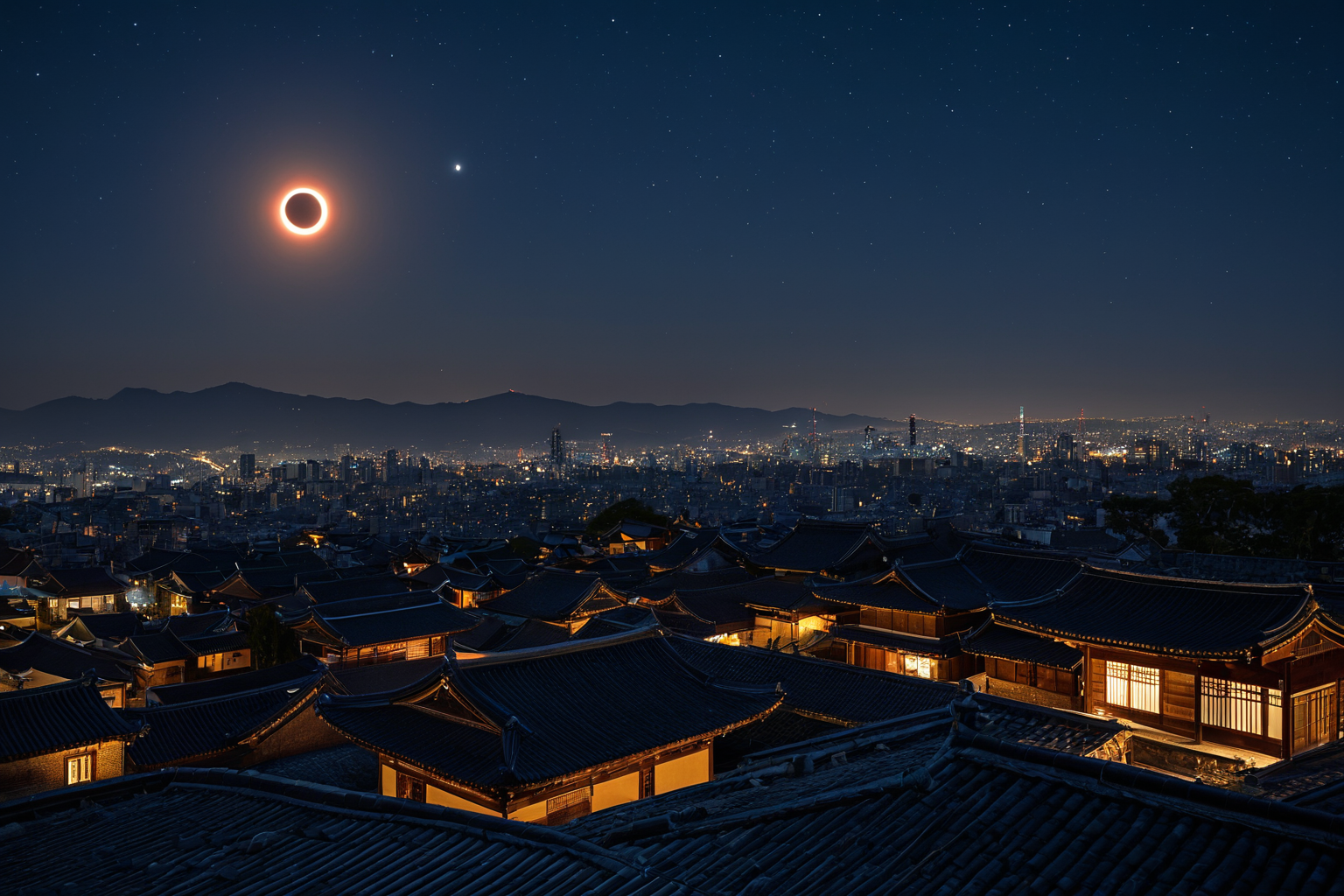
A solar eclipse occurs when the Moon passes between the Sun and Earth, blocking the Sun's light and causing darkness on parts of Earth. In contrast, a lunar eclipse happens when Earth comes between the Sun and Moon, casting its shadow on the Moon. During a total lunar eclipse, the Moon often appears reddish—a phenomenon known as 'blood moon' or 'red moon.'
The key difference lies in the alignment of celestial bodies. A solar eclipse occurs when the Sun-Moon-Earth line up in that order, with the Moon blocking the Sun. A lunar eclipse happens when Earth-Moon-Sun aligns, with Earth casting its shadow on the Moon.
Another important distinction is what can be observed from Earth versus the Moon. From Earth, we witness lunar eclipses, while observers on the Moon would see solar eclipses due to the reversed alignment of celestial bodies.
The Science Behind the Red Moon
During a total lunar eclipse, the Moon appears red because sunlight passes through Earth's atmosphere, scattering shorter wavelengths and allowing longer red wavelengths to reach the Moon. This effect is known as Rayleigh scattering.
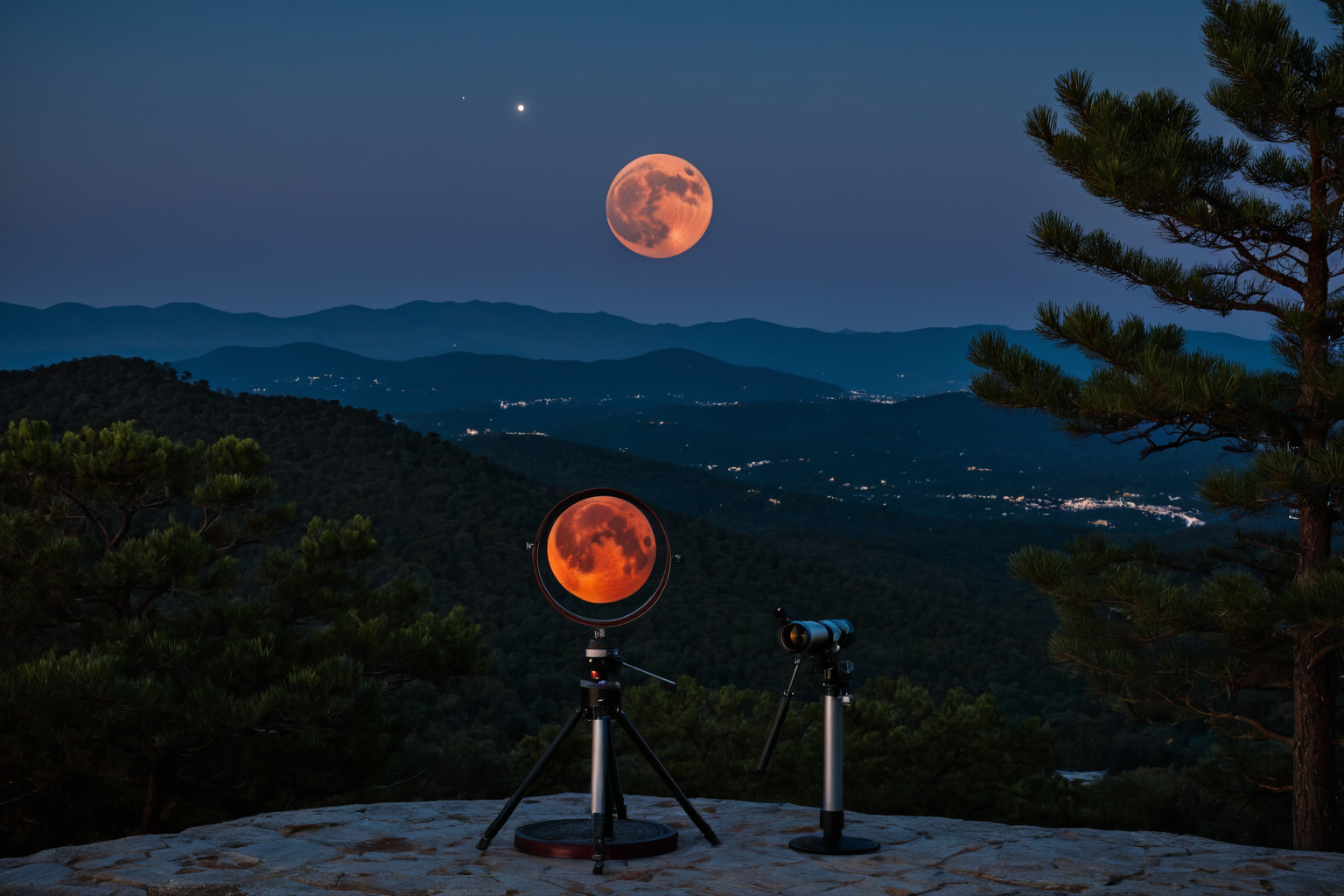
This 'blood moon' phenomenon was notably visible during the total lunar eclipse on January 31, 2018, when a supermoon combined with a blue moon. The Moon appeared vividly red in photographs taken at Mount Buhyeon Observatory in Yeongcheon City.
Scientifically speaking, Earth's atmosphere scatters sunlight differently depending on the angle of the Sun. When the Sun is near the horizon, more red light passes through the atmosphere to illuminate the Moon during a total lunar eclipse.
Eclipse Cycles and Visibility
Lunar eclipses occur approximately every three years, but they are difficult to observe from Korea due to Earth's axial tilt and the Moon's orbital inclination. These factors mean that perfect viewing conditions rarely align for specific regions like the Korean Peninsula.
On March 3, 2026, a total lunar eclipse will be visible starting at 8 PM local time for about one hour. This presents a significant opportunity for stargazers in Korea to witness this phenomenon, as it's relatively rare for the peninsula to experience such an event.
Previous lunar eclipses occurred on September 8, 2025, and January 31, 2018. The 2018 eclipse was particularly notable for its vivid red appearance, captured clearly by telescopes at Mount Buhyeon Observatory in Yeongcheon City.
Causes of Solar and Lunar Eclipses
Both phenomena result from celestial bodies aligning in a straight line. A solar eclipse occurs when the Sun-Moon-Earth line up, with the Moon completely blocking the Sun's light over certain areas of Earth. A lunar eclipse happens when Earth-Moon-Sun aligns, and Earth casts its shadow on the Moon.
During a lunar eclipse, the Moon appears red due to sunlight scattered through Earth's atmosphere. This is why it's called a 'blood moon'—the same phenomenon that made the 2018 eclipse so visually striking.
Solar and lunar eclipses typically occur about six months apart, but whether they're visible from a specific location depends on factors like celestial positions, Earth's axial tilt, and the Moon's orbital inclination.
Viewing Tips and Safety Information
When observing a solar eclipse, special precautions are necessary. Never look directly at the Sun without proper eye protection—use specialized eclipse glasses or filters made from safe materials to avoid permanent eye damage.
In contrast, lunar eclipses pose no risk to your eyesight since you're only viewing the Moon's reflected light. However, for optimal viewing during nighttime observations, minimize surrounding light pollution to see celestial objects more clearly.
The March 3, 2026 eclipse will begin at 8 PM local time and last approximately one hour. This is when the red color of the Moon will be most visible.
Due to Earth's orbital dynamics, lunar eclipses are difficult to observe from Korea. The alignment required for a clear view rarely occurs over this region, so stargazers often must wait years between observable events.
Key Information to Verify
The timing and visibility of lunar eclipses can be confirmed through precise astronomical observations. The March 3, 2026 eclipse is a significant opportunity for observers in Korea, as it will be visible for about an hour starting at 8 PM.
On January 31, 2018, a supermoon combined with a blue moon created a particularly vivid 'blood moon' during the total lunar eclipse. Photographs from Yeongcheon City's Mount Buhyeon Observatory captured this striking red appearance clearly.
The next lunar eclipse is scheduled for March 3, 2026, and may be accompanied by an annular eclipse visible over Antarctica—a phenomenon where a 'ring of fire' appears around the Moon as it enters Earth's shadow.
Lunar eclipses occur roughly every three years, but visibility from Korea depends on multiple factors. Since the peninsula rarely experiences these events clearly, preparing for the 2026 eclipse is highly recommended to avoid missing out on this rare spectacle.
Frequently Asked Questions
What is the difference between a solar and lunar eclipse?
A solar eclipse happens when the Moon blocks the Sun from Earth's perspective, while a lunar eclipse occurs when Earth blocks sunlight from reaching the Moon. Solar eclipses happen during Sun-Moon-Earth alignment; lunar eclipses occur with Earth-Moon-Sun alignment.
Why does the Moon appear red during a lunar eclipse?
The red appearance is caused by Earth's atmosphere scattering shorter wavelengths of light and allowing longer red wavelengths to reach the Moon. This 'blood moon' effect was visible in the January 31, 2018 eclipse.
Why are lunar eclipses difficult to observe from Korea?
Lunar eclipses require a specific alignment that rarely occurs over Korea due to Earth's axial tilt and the Moon's orbital inclination. While they happen approximately every three years globally, precise visibility conditions for Korean observers are uncommon.
Frequently Asked Questions
Solar and lunar eclipses serve as important examples in astronomy to help understand celestial mechanics. Understanding the difference between solar eclipses (Moon blocking Sun) and lunar eclipses (Earth blocking Sun from Moon's perspective) provides a foundation for learning about planetary motion.
The 'blood moon' phenomenon during lunar eclipses results from Earth's atmospheric scattering of sunlight—a scientifically explainable effect that creates stunning visual displays. For Korean astronomy enthusiasts, the March 3, 2026 eclipse offers a rare opportunity to witness this event firsthand, making it worth preparing for in advance.
Continued study and observation of these celestial events will deepen our understanding of how planetary motion interacts with Earth's atmosphere—a field that remains fascinating for both scientists and amateur stargazers alike.
Discover more articles on similar topics in one place.
View Related ArticlesFAQ
What is the difference between a solar and lunar eclipse?
A solar eclipse happens when the Moon blocks the Sun from Earth's view, while a lunar eclipse occurs when Earth blocks sunlight from reaching the Moon. Solar eclipses require a Sun-Moon-Earth alignment; lunar eclipses need an Earth-Moon-Sun arrangement.
Why does the Moon appear red during a lunar eclipse?
Earth's atmosphere scatters shorter light wavelengths, allowing longer red wavelengths to reach the Moon—creating the 'blood moon' effect visible in events like the January 31, 2018 eclipse.
Why are lunar eclipses difficult to observe from Korea?
Korea rarely experiences clear viewing conditions due to Earth's axial tilt and the Moon's orbital inclination, making each occurrence a special opportunity for stargazers.
Korean Source
This article is an English localization of a Korean-language report from BlogScore. Original: 개기일식과 개기월식의 차이점, 한 번에 정리해 드립니다