
Understanding the Difference Between 25.5-Ton and 27-Ton Dump Trucks: Key Selection Factors
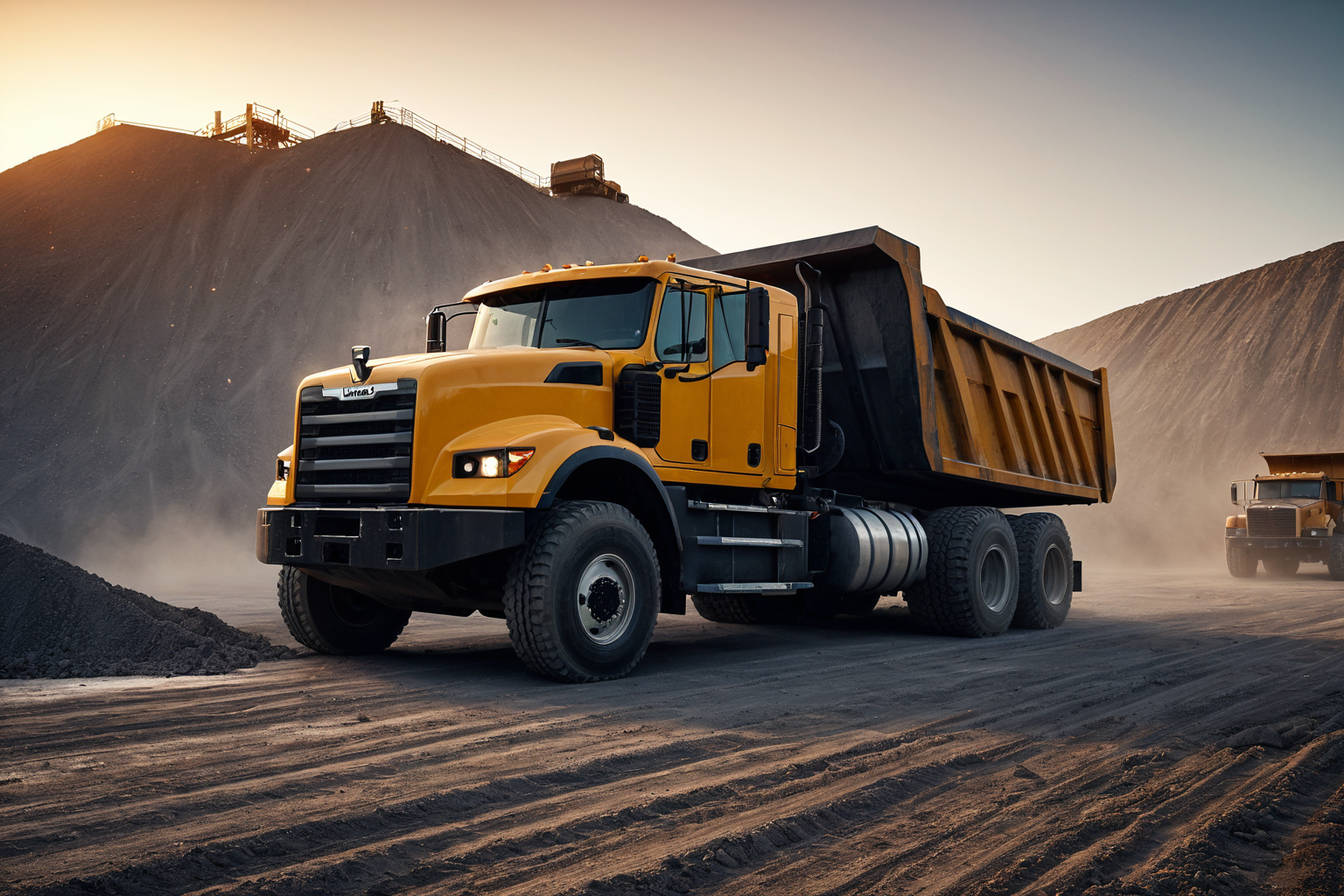
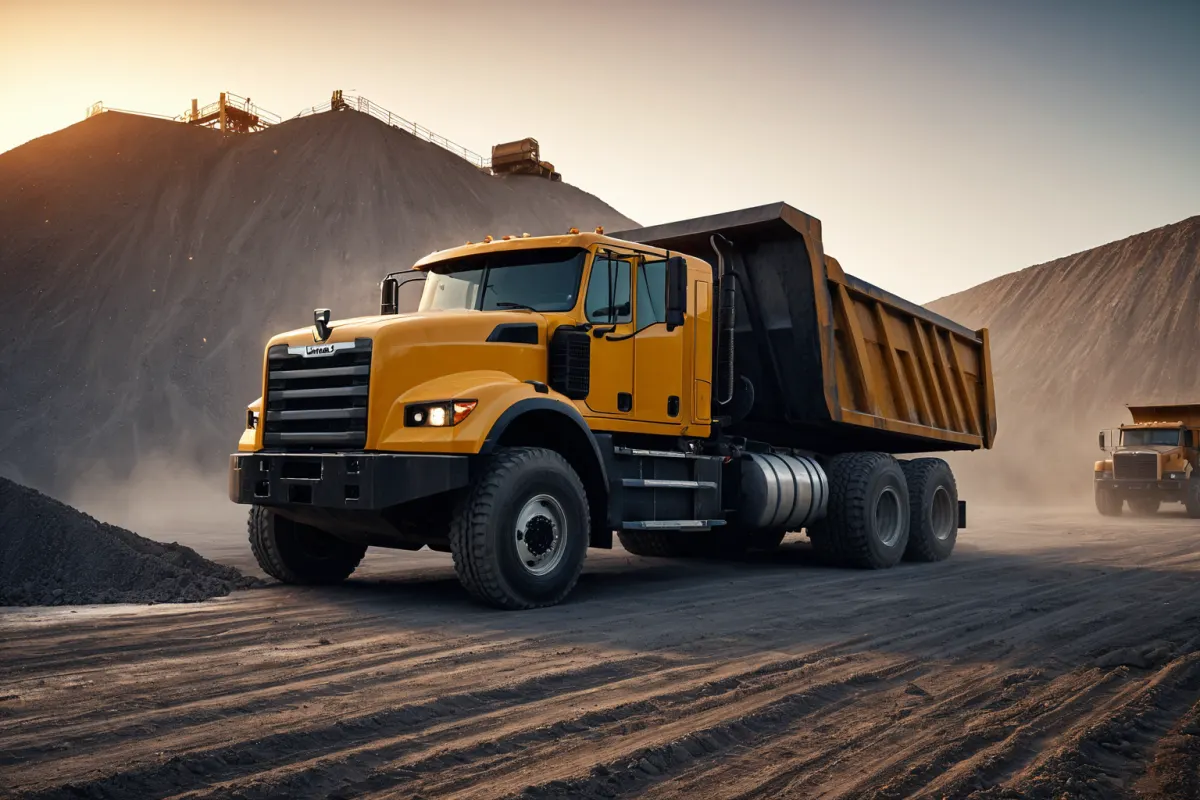
The terms "25.5-ton" and "27-ton" may seem similar at first glance, but they actually reflect differences in load efficiency, vehicle operation, licensing requirements, and fuel costs. Beginners often mistakenly assume that a larger truck is always better, which can lead to unexpected results.
This article breaks down the key differences between 25.5-ton and 27-ton dump trucks in simple terms, providing practical examples of when each type might be the right choice. However, keep in mind that vehicle specifications, registration standards, and load regulations vary by region, time period, and truck model—so always verify with the manufacturer and relevant authorities before purchasing.
First Understand What Makes 25.5-Ton and 27-Ton Dump Trucks Different
The numbers "25.5-ton" and "27-ton" don't just refer to load capacity—they also indicate vehicle gross weight, load configuration, chassis specifications, wheel arrangement, and legal classification. In other words, even though they look similar, their intended use and operating conditions can differ significantly.
For example, 25.5-ton dump trucks are often chosen for lower operational burden, while 27-ton models may be better suited for higher load efficiency or specific tasks. But don't assume the exact load capacity based solely on these numbers—engine power, axle configuration, body length, and licensing requirements all play a role.
The Key Difference Lies in Load Efficiency and Operating Conditions
Beginners often wonder which truck can carry more weight—but the real difference lies in operating conditions rather than just weight. While 27-ton trucks typically offer greater load capacity, they're also larger and heavier, potentially affecting maneuverability, parking, urban access, and road conditions.
In contrast, 25.5-ton trucks may feel less burdensome to operate but could require more trips on high-volume sites, increasing fuel costs, driver fatigue, and travel time. So it's important to consider both "how much can be carried in one trip" and "how consistently the truck can run over time."
Actual Selection Should Be Based on Work Environment and Distance
To simplify your decision-making process, first determine whether you're doing short-distance repetitive trips or long-haul operations. For example, if you're transporting materials like gravel, soil, or waste multiple times a day, load efficiency becomes critical. A 27-ton truck might be advantageous here—but narrow access roads or steep slopes could make it impractical.
Conversely, in urban areas, confined construction sites, or short-distance operations, a 25.5-ton truck may be more practical. For instance, on small-scale civil engineering projects with tight entryways, an oversized vehicle can cause long waiting times and disrupt workflow. In such cases, site suitability matters more than the tonnage number.
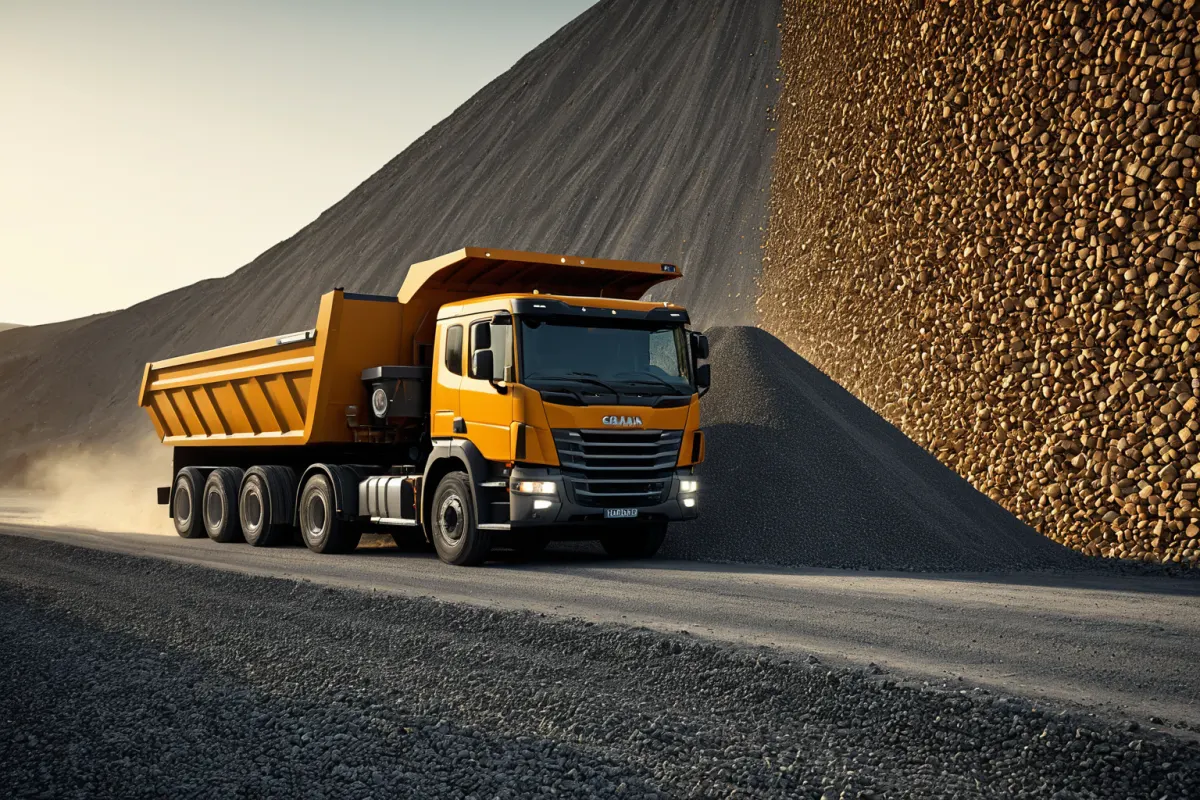
Fuel Efficiency and Maintenance Costs Can Make a Big Difference Long-Term
Dump trucks involve more than just purchase price—monthly maintenance costs matter too. Fuel, tire replacement, consumables, service intervals, insurance, and toll fees can add up over time, even if the differences seem small at first.
For example, switching from a 25.5-ton to a 27-ton truck might reduce daily trips from 10 to 8—but if the heavier vehicle lowers fuel efficiency or increases strain on tires and brakes, the savings may disappear. So before buying, don't just focus on how much you can carry; calculate the total monthly cost difference.
A Common Mistake for Beginners: Choosing Based Only on Numbers
The most common mistake is choosing a larger truck based solely on tonnage numbers without considering its practical implications. Larger vehicles come with more advantages but also more constraints—especially in narrow construction sites, hilly terrain, or urban areas with strict regulations.
Another frequent error is not thoroughly checking legal requirements. Dump trucks shouldn't be judged by appearance alone; you must confirm registration standards, load regulations, and road operation conditions. Since these rules can change over time, always verify the latest guidelines from official sources before signing a contract. When buying used equipment, pay close attention to frame condition, cargo bed status, and hydraulic system function rather than just exterior appearance.
Simple Selection Criteria for Beginners
If you're new to choosing dump trucks, follow this simple process: First check the width of access roads and road conditions at your site. Next calculate average daily trips and material volume. Finally compare maintenance costs and service convenience. Considering all three factors will make the difference between 25.5-ton and 27-ton models clearer.
For example, if your site is tight with short distances, a 25.5-ton truck might be more convenient. If you handle large volumes with good access, a 27-ton model could improve efficiency. The key is choosing based on your specific work pattern—not simply opting for the larger vehicle. Beginners should even walk through actual routes before making a purchase decision.
In Summary: The Right Choice Depends on Your Work Environment
The difference between 25.5-ton and 27-ton dump trucks ultimately comes down to load efficiency, site suitability, maintenance costs, and operational convenience. While 25.5-ton models may offer more flexibility in operation, 27-ton versions can provide better efficiency for high-volume tasks—but neither is universally superior.
The best choice depends on your specific work environment. Writing out actual numbers for road width, turning space, travel distance, load capacity, and maintenance costs will make decision-making much clearer. Since equipment selection has long-term financial implications, it's wise to compare thoroughly before deciding—whether you're buying dump trucks, agricultural machinery, or other heavy equipment.
Three FAQs to Simplify Your Decision
Q1. Which truck can carry more material: 25.5-ton or 27-ton?
A. Generally, the 27-ton model offers greater load capacity—but actual carrying ability depends on vehicle specifications and legal standards. Always check chassis details and registration requirements.
Q2. Which is better for beginners: 25.5-ton or 27-ton?
A. If your site is narrow with complex conditions, a 25.5-ton truck may be more practical. For high-volume operations where efficiency matters, consider the 27-ton model.
Q3. What should you check first when buying used dump trucks?
A. Focus on cargo bed condition, hydraulic system function, frame damage, tire wear, and maintenance history. Always verify against current inspection standards from official sources.
FAQ
Which truck can carry more material: 25.5-ton or 27-ton?
Generally, the 27-ton model offers greater load capacity—but actual carrying ability depends on vehicle specifications and legal standards. Always check chassis details and registration requirements.
Which is better for beginners: 25.5-ton or 27-ton?
If your site is narrow with complex conditions, a 25.5-ton truck may be more practical. For high-volume operations where efficiency matters, consider the 27-ton model.
What should you check first when buying used dump trucks?
Focus on cargo bed condition, hydraulic system function, frame damage, tire wear, and maintenance history. Always verify against current inspection standards from official sources.
Korean Source
This article is an English localization of a Korean-language report from BlogScore. Original: 25.5톤 덤프와 27톤 덤프 차이점은? 선택 기준과 추천 정리