
Understanding the Aging Curve: What It Really Means
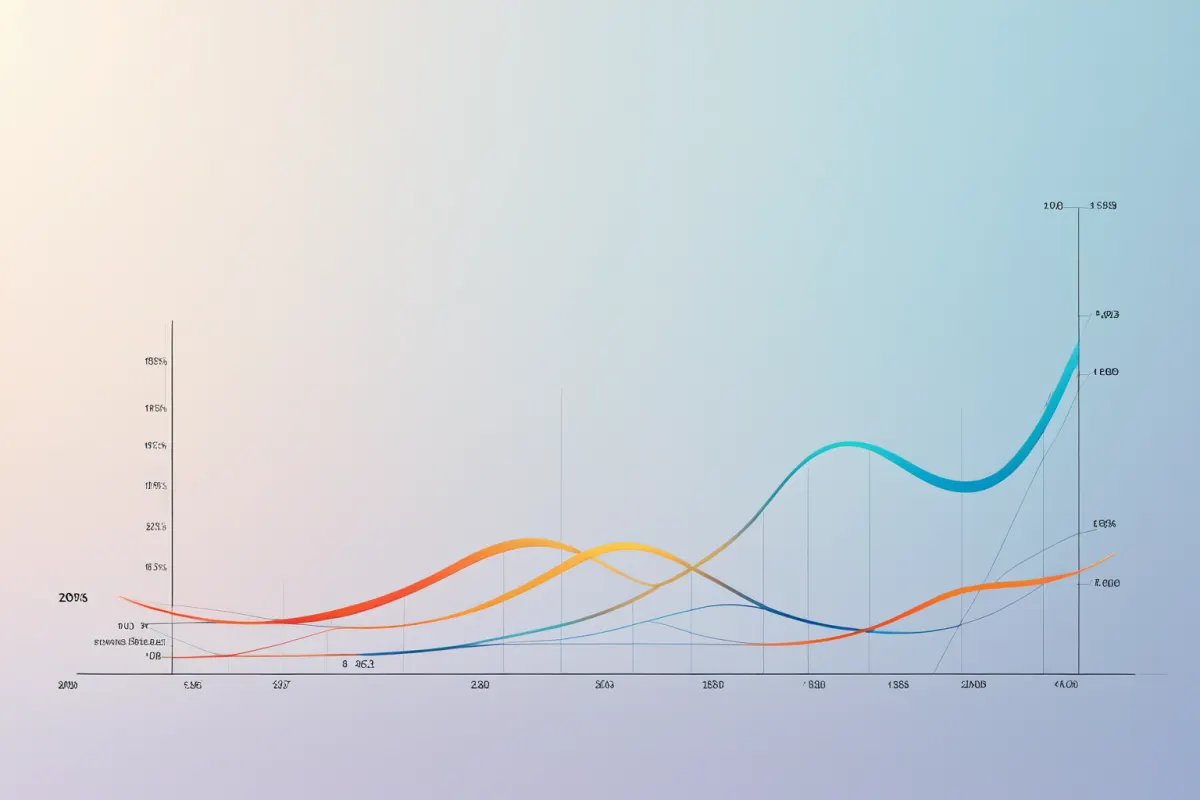
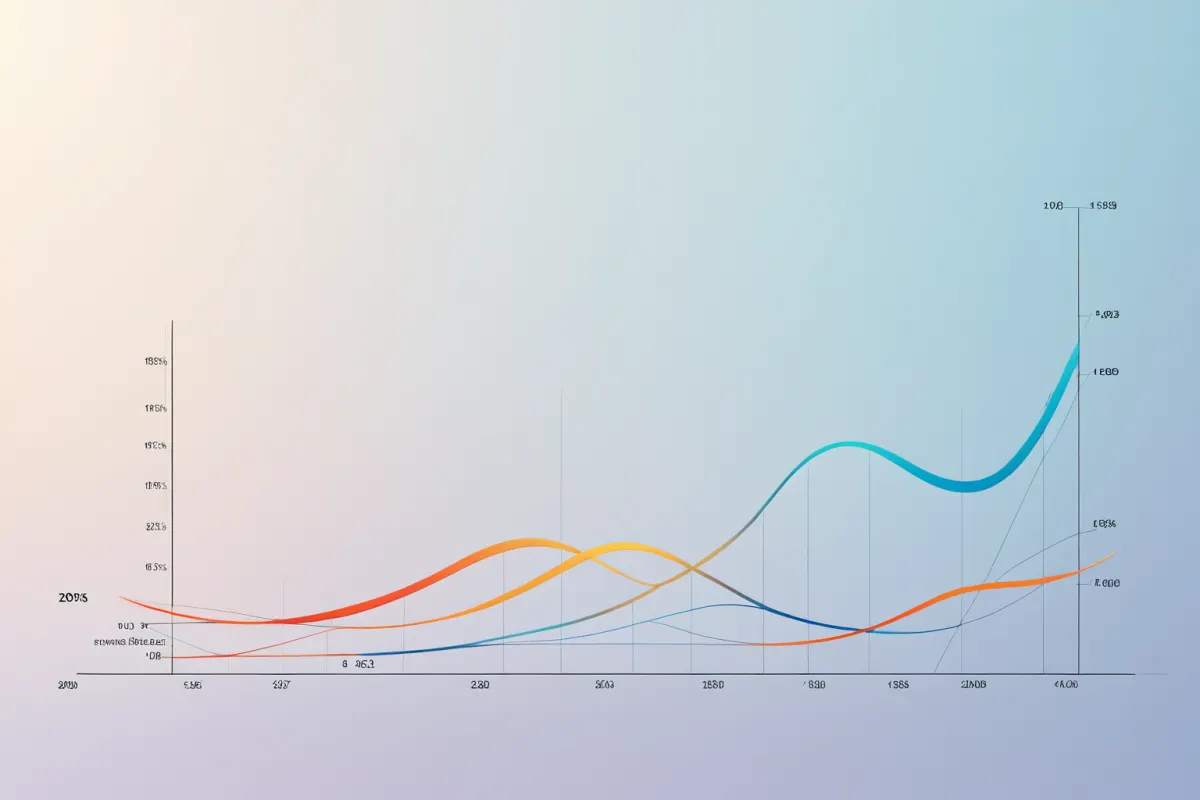
The aging curve refers to the gradual decline in physical or cognitive abilities such as athletic performance or job productivity as people get older. However, it doesn't mean 'you can't do anything when you age'—it's simply a term used to describe how quickly certain abilities change over time.
Those curious about this concept have likely encountered it in sports articles or workplace discussions. The meaning varies slightly depending on context, so understanding how it's actually used is more helpful than memorizing the term alone.
The Basic Meaning of Aging Curve
The term 'aging curve' comes directly from the English phrase 'aging curve.' 'Aging' means aging, and 'curve' refers to a change pattern or trend. So it essentially describes how abilities shift over time.
It's commonly used in sports. For example, baseball players may reach their peak performance in their late 20s, but after age 30, speed and recovery rates might gradually decline—a pattern described as the aging curve.
Broadening to everyday life, this concept applies to workplace productivity, focus, and physical stamina. It's a more objective way to describe changing patterns rather than simply saying someone is 'getting old.'
You can find similar articles on this topic in one place.
View Related ArticlesWhy It's Common in Sports Reporting
This term is especially prevalent in professional sports, where analysts examine how a player's hitting, defense, base running, and game management abilities change with age.
For instance, some batters might peak around 28, then see their power-hitting percentage decline after 33. Conversely, positions that rely more on experience may compensate for reduced physical ability through better decision-making.
Understanding the aging curve makes sports headlines easier to interpret. When a headline says "This player has weathered the aging curve well," it means they've maintained performance despite their age.
Everyday Applications in Work and Life
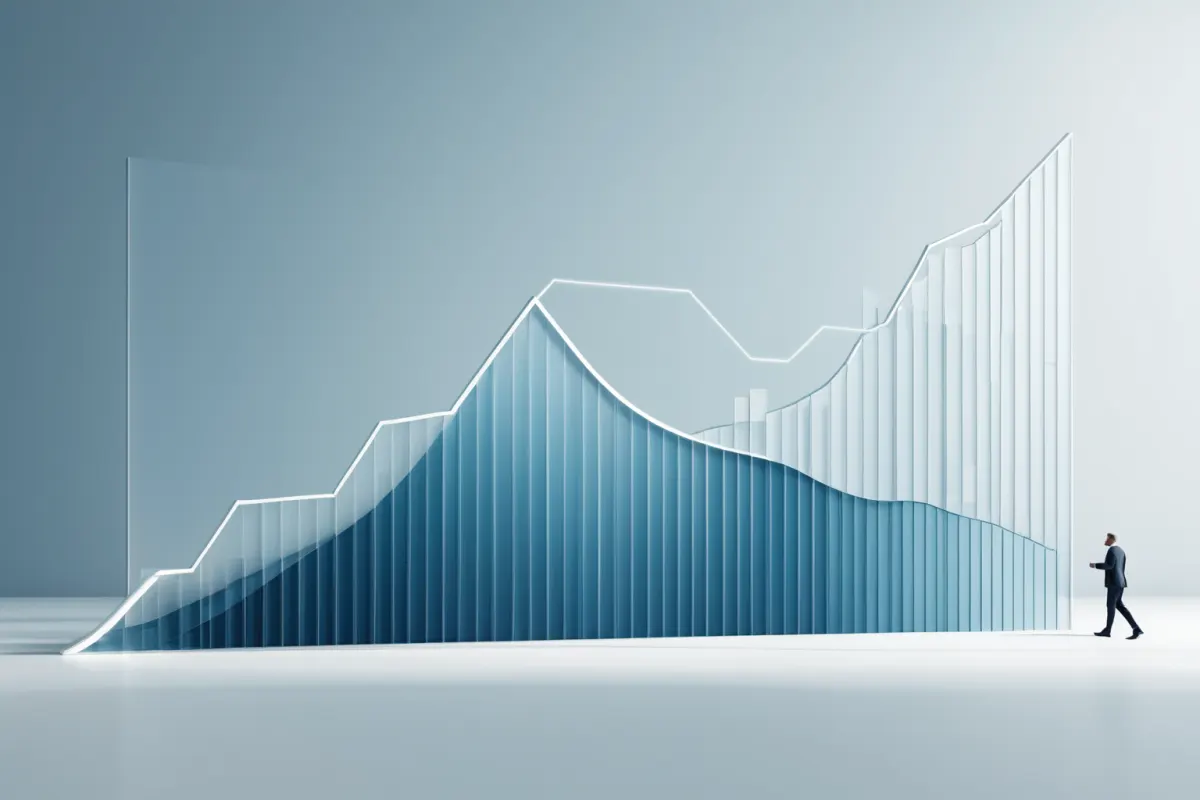
While often associated with sports, this concept applies to daily life too. Different professions—such as developers, designers, or salespeople—use similar language when discussing changes in stamina, judgment speed, and adaptability over time.
For example: "I used to be able to pull all-nighters, but now I recover more slowly" describes personal experience with the aging curve. Similarly, "Experience has grown, but speed isn't what it was" reflects the same idea.
The key point is that abilities don't disappear suddenly. Some people may lose physical stamina but gain sharper judgment; others might maintain memory while taking longer to recover. So the aging curve should be viewed with an understanding of individual differences.
Why the Aging Curve Happens
The aging curve isn't caused by just one factor. It results from a combination of gradually declining muscle mass, slower recovery rates, hormonal changes, and shifts in vision or reaction speed.
Lifestyle also plays a role. Poor sleep or lack of exercise can accelerate the perceived decline at any age, while regular physical activity, balanced diet, and stress management may help slow it down.
The main takeaway is that "age = inevitable decline" isn't accurate. The shape of this curve varies significantly based on health condition, profession, fitness habits, and stress levels.
Distinguishing the Aging Curve from Similar Terms
Other similar terms include aging, peak performance, and decline—but the aging curve focuses more on the pattern of change over time rather than just a result.
For example: "This player is showing signs of aging" describes their current state, while "The aging curve is steep" refers to how quickly abilities are changing. "Peak has passed" is more about present evaluation, whereas the aging curve implies both cause and process.
So when you see this term in articles or reviews, avoid interpreting it as simply meaning someone is older. Instead, consider what specific ability changed and when.
Examples in Real Sentences
For beginners, seeing examples helps understand the concept quickly:
"This player is still performing well into their mid-30s because their aging curve is gentle."
"I can feel my own aging curve as my stamina isn't what it used to be."
"Experience grows, but speed declines—this is a classic example of the aging curve."
The key point: The aging curve describes how age-related changes affect specific abilities.
Additional Points for Better Understanding
When considering an aging curve, don't focus only on averages—you should also account for individual differences. For example, two people aged 35 may have very different physical states based on their fitness habits.
In sports, the curve varies by position and role. In speed-dependent sports, decline might be felt earlier; in roles relying more on experience and judgment, players often maintain performance longer.
This is also true in daily life: Physical jobs may show faster changes, while experienced-based roles can become more stable with age. Understanding the aging curve helps avoid judging people solely by their age.
Key Takeaways When Observing the Aging Curve
The aging curve isn't a simple label of decline—it's closer to saying that different abilities may rise or fall at different times.
So when you hear this term, don't focus only on decline. Instead, think about which specific ability changed and how quickly it shifted. Whether in sports or daily life, the important thing is understanding the direction and speed of change.
FAQ
Q. Is the aging curve only used in sports?
No, while it's most commonly used in sports, it can also describe age-related ability changes in workplace or daily life contexts.
Q. Is the aging curve the same as aging?
No, they're not identical. Aging describes a state, while the aging curve describes the pattern of how abilities change over time.
Q. What does it mean if someone has a steep aging curve?
This means their abilities decline or change more quickly than others—though interpretation may vary by field and individual circumstances.
For up-to-date information on player records or job trends, additional verification is recommended.
Continue exploring similar topics.
Browse Category ArticlesFAQ
Is the aging curve only used in sports?
No, while it's most commonly used in sports, it can also describe age-related ability changes in workplace or daily life contexts.
Is the aging curve the same as aging?
No, they're not identical. Aging describes a state, while the aging curve describes the pattern of how abilities change over time.
What does it mean if someone has a steep aging curve?
This means their abilities decline or change more quickly than others—though interpretation may vary by field and individual circumstances.
Korean Source
This article is an English localization of a Korean-language report from BlogScore. Original: 에이징커브뜻이 뭔지 한 번에 이해