
Understanding Tactical Nuclear Weapons: Key Differences Explained
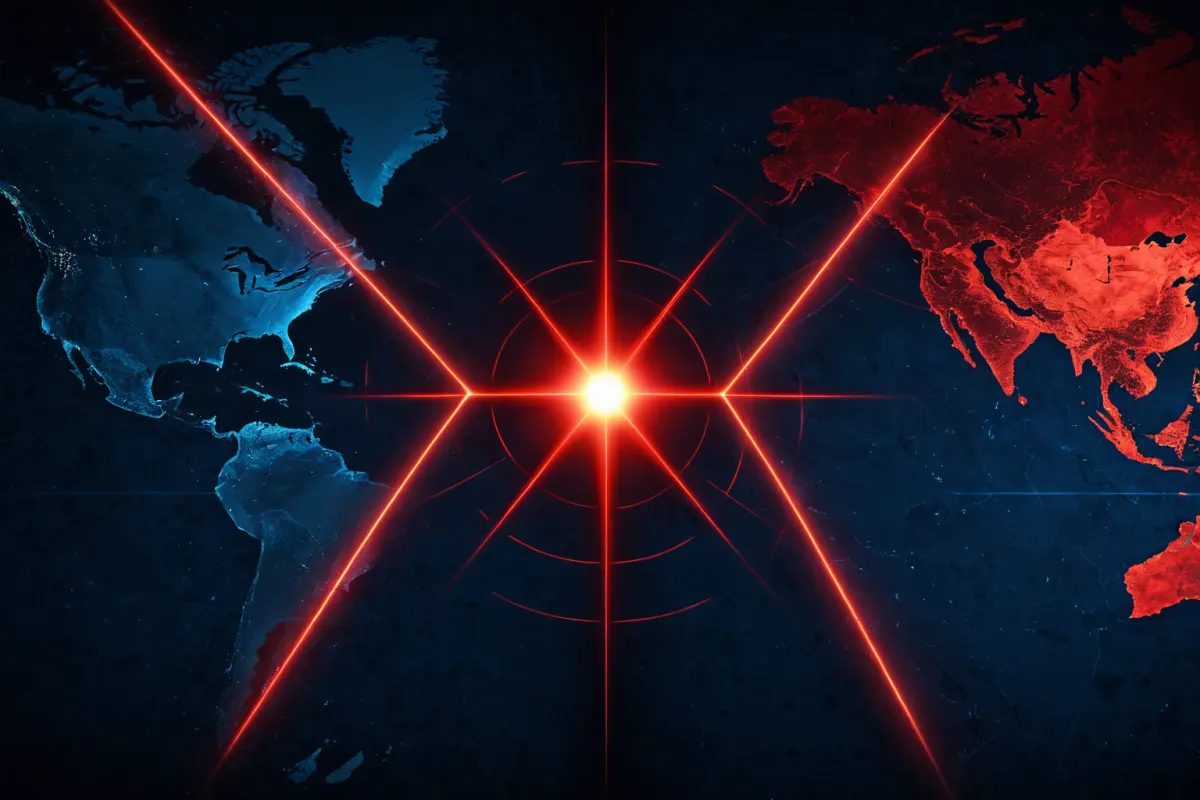
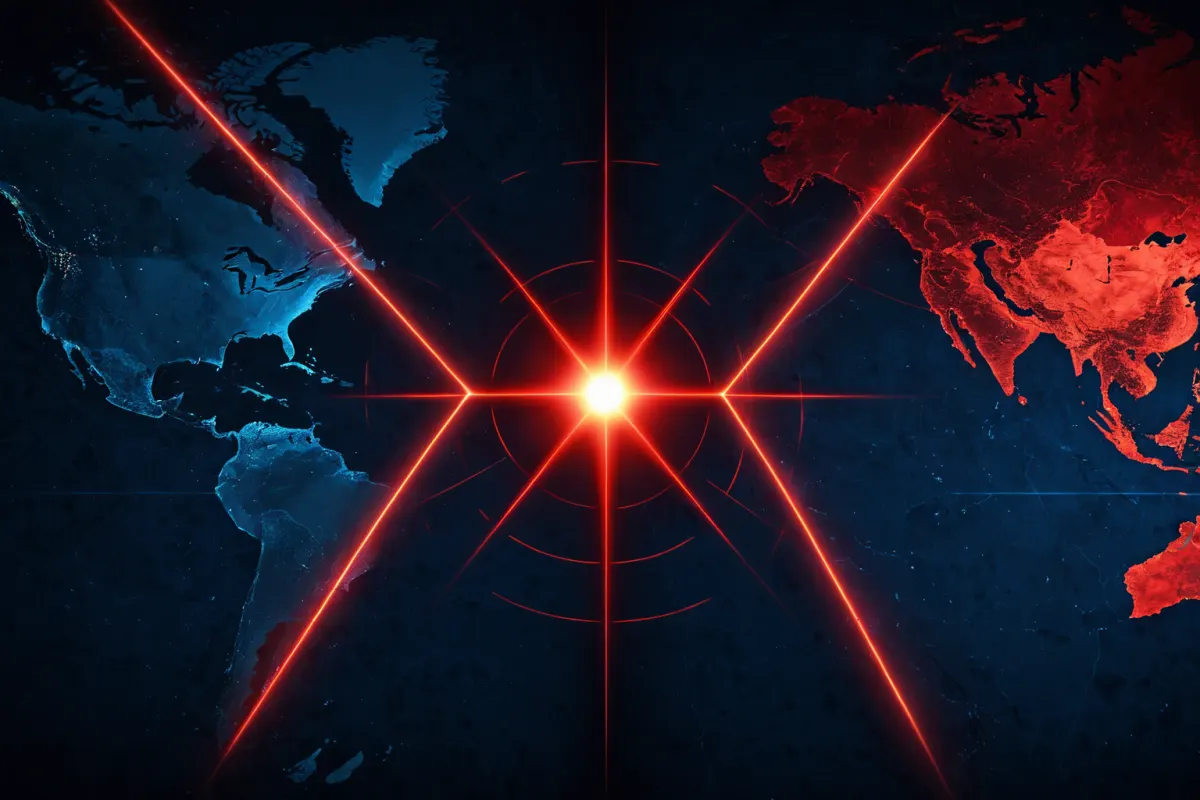
Tactical nuclear weapons are designed for limited military use on the battlefield or in specific regions. In contrast, strategic nuclear weapons target an adversary's critical infrastructure or overall war-fighting capability, differing significantly in purpose and impact.
However, a common point of confusion is that tactical and strategic nuclear weapons are often distinguished by their intended use rather than explosive power. In reality, the line between them is not clearly defined. For better understanding, it's helpful to search for both 'meaning of tactical nuclear weapons' and 'differences between tactical and strategic nuclear weapons'.
Why Understanding Tactical Nuclear Weapons Matters
Tactical nuclear weapons are typically discussed in forms such as short-range missiles, artillery shells, or torpedoes. They're described as a rapid battlefield deterrent rather than massive city-destroying weapons. While commonly perceived as smaller-scale weapons, they're intended for military targets only.
For example, imagine targeting enemy troop concentrations, forward bases, or naval forces. Regardless of scale, nuclear weapons can cause immense civilian casualties and radiation contamination—'smaller' doesn't mean 'safer.'
You can explore more articles on this topic in one place.
View Related ArticlesDifferences Between Tactical and Strategic Nuclear Weapons
The primary difference lies in purpose. Tactical nuclear weapons focus on pressuring an adversary at the battlefield or regional conflict level, while strategic nuclear weapons aim to neutralize an entire nation's war-fighting capability.
A second distinction is range and operational scope. Tactical nuclear weapons are often used over shorter distances, whereas strategic ones connect with long-range capabilities like intercontinental ballistic missiles. However, this division can vary depending on the country and weapon system.
The third difference involves political implications. Using tactical nuclear weapons is often seen as a signal that 'nuclear weapons are being used in actual combat,' prompting strong international reactions. Consequently, the risk of escalation is frequently discussed more than military effectiveness.
Why Tactical Nuclear Weapons May Seem Less Powerful
Tactical nuclear weapons are often designed with lower yields compared to strategic ones, making them appear smaller when viewed numerically. However, nuclear explosions differ fundamentally from conventional explosives, so comparing them simply by 'tonnage' can be misleading.
Real-world effects include blast waves, thermal radiation, radioactive fallout, and communication disruptions. A lower yield doesn't necessarily mean a smaller area of impact—factors like terrain, weather, and detonation altitude significantly affect outcomes.
Why Using Tactical Nuclear Weapons Is Particularly Risky
Many people mistakenly view tactical nuclear weapons as limited tools due to the word 'tactical,' but it's actually the opposite. Once used, there's a high likelihood of escalation in retaliation, lowering the threshold for nuclear response.
For instance, if one side uses tactical nuclear weapons, the other may interpret this as the start of full-scale war. At that point, psychological warfare, alliance involvement, and miscalculation become more significant concerns than military calculations. This is why discussions about tactical nuclear weapons always carry tension in international politics.
Why North Korea's Tactical Nuclear Weapons Are Frequently Discussed
North Korea's tactical nuclear weapons are often mentioned because the threat on the Korean Peninsula could quickly transition from deterrence to actual crisis management. The combination of short-range missiles with tactical nuclear concepts significantly impacts neighboring countries' military planning.
Another reason is questioning whether these weapons are actually usable. While tactical nuclear weapons may seem easier to deploy in theory, real-world factors like command and control, retaliation risks, international sanctions, and alliance responses complicate their practical application. Thus, it's difficult to equate public announcements with actual battlefield readiness.
Common Misconceptions About Tactical Nuclear Weapons
The first misconception is that tactical nuclear weapons are 'smaller atomic bombs.' While size may differ, the fundamental nature of a nuclear weapon means destruction is never minor.
The second misunderstanding is that tactical nuclear weapons only affect battlefields. In reality, they can impact surrounding civilian areas, border regions, and even cause long-term environmental damage. Nuclear weapons don't precisely target military objectives without collateral effects.
The third misconception is that tactical and strategic nuclear weapons are completely separate. In practice, using tactical weapons can rapidly shift the situation into a strategic context, showing how interconnected these concepts are.
Examples to Clarify Tactical Nuclear Weapon Differences
For example, if a nation considers limited nuclear use to disable an enemy's forward missile base, this falls under tactical nuclear weapons. Conversely, efforts to broadly neutralize an adversary's capital region, command centers, or critical infrastructure would align more with strategic nuclear weapons.
Understanding these distinctions makes it easier to grasp why 'tactical vs. strategic nuclear weapons' appears frequently in related searches. The key is not the explosive power but the war objectives they serve.
One-Sentence Summary of Tactical Nuclear Weapons
Tactical nuclear weapons are designed for military pressure on the battlefield or within limited regions, while strategic nuclear weapons target an entire nation's capabilities. However, in reality, these categories aren't perfectly distinct, requiring consideration of political and military context.
Understanding nuclear weapon terminology is crucial as even small wording changes can significantly alter meaning. It's important to look beyond headlines and consider purpose, operational scope, and escalation risks when reading about nuclear weapons.
FAQ
Q1. Are tactical nuclear weapons less dangerous than strategic ones?
A. No. Even if designed with lower yields, the destructive impact and risk of escalation remain extremely high.
Q2. Is 'tactical nuclear weapon' the same as 'tactical nuke'?
A. Yes, these terms are generally used interchangeably. However, some sources may use variations like 'tactical nuclear weapons,' 'tactical nukes,' or 'tactical nuclear warheads.'
Q3. Have tactical nuclear weapons ever been used in actual conflict?
A. Nuclear weapon use in modern international politics is extremely rare. Tactical nuclear weapons are most often discussed in the context of deterrence and threats rather than actual deployment.
Nuclear weapon terminology can vary based on international circumstances, so it's advisable to check the latest statements or reports for current interpretations.
Continue exploring similar topics.
View Category ArticlesFAQ
Are tactical nuclear weapons less dangerous than strategic ones?
No. Even if designed with lower yields, the destructive impact and risk of escalation remain extremely high.
Is 'tactical nuclear weapon' the same as 'tactical nuke'?
Yes, these terms are generally used interchangeably. However, some sources may use variations like 'tactical nuclear weapons,' 'tactical nukes,' or 'tactical nuclear warheads.'
Have tactical nuclear weapons ever been used in actual conflict?
Nuclear weapon use in modern international politics is extremely rare. Tactical nuclear weapons are most often discussed in the context of deterrence and threats rather than actual deployment.
Korean Source
This article is an English localization of a Korean-language report from BlogScore. Original: 전술 핵무기 뜻과 전술핵무기 차이점 한 번에