
Understanding the Strait of Hormuz Reopening: Schedules, Conditions, and Navigational Changes
The term 'reopening' of the Strait of Hormuz doesn't simply mean that 'the gate has been opened.' Instead, it's important to assess how safely vessels can actually pass through and whether navigation restrictions have truly eased. In other words, you need to look at military de-escalation, insurance cost changes, and shipping companies resuming operations—not just the schedule.
Especially since the Strait of Hormuz is a critical transit point for Middle Eastern oil shipments, even when reopening news breaks, full normalization often doesn't happen immediately. On the ground, operations vary slightly depending on vessel types allowed to pass, timing restrictions, and levels of security measures in place.
The Meaning Behind 'Strait of Hormuz Reopening'
The phrase 'reopening' is commonly used when there's a relaxation of blockades or navigation restrictions. However, media reports often conflate the legal announcement of reopening with actual resumption of maritime operations.
For example, even if news says it's reopened, only certain vessels may be allowed to pass initially, while large oil tankers or ships from specific countries might still require cautious navigation. Therefore, for this issue, understanding the conditions is more important than just the headline.
You can view similar articles on this topic all in one place.
View Related ArticlesKey Changes in Route Operations
Changes in route operations typically manifest in three ways. First, the range of vessels allowed to pass broadens. Second, navigation alert levels decrease, making transit schedules somewhat more stable. Third, insurance and freight rates gradually adjust.
In reality, shipping companies often don't immediately return to their original routes after an 'opening' announcement. They may continue using alternative routes while monitoring security conditions in surrounding waters and port control measures.
For instance, even if oil tankers are heading toward Asia, shipping companies might hold them for a few days or adjust speed in nearby waters. This can cause delays in cargo delivery schedules, prompting sensitive reactions from refiners and trading companies.
Why Reopening Schedules Aren't Immediately Finalized
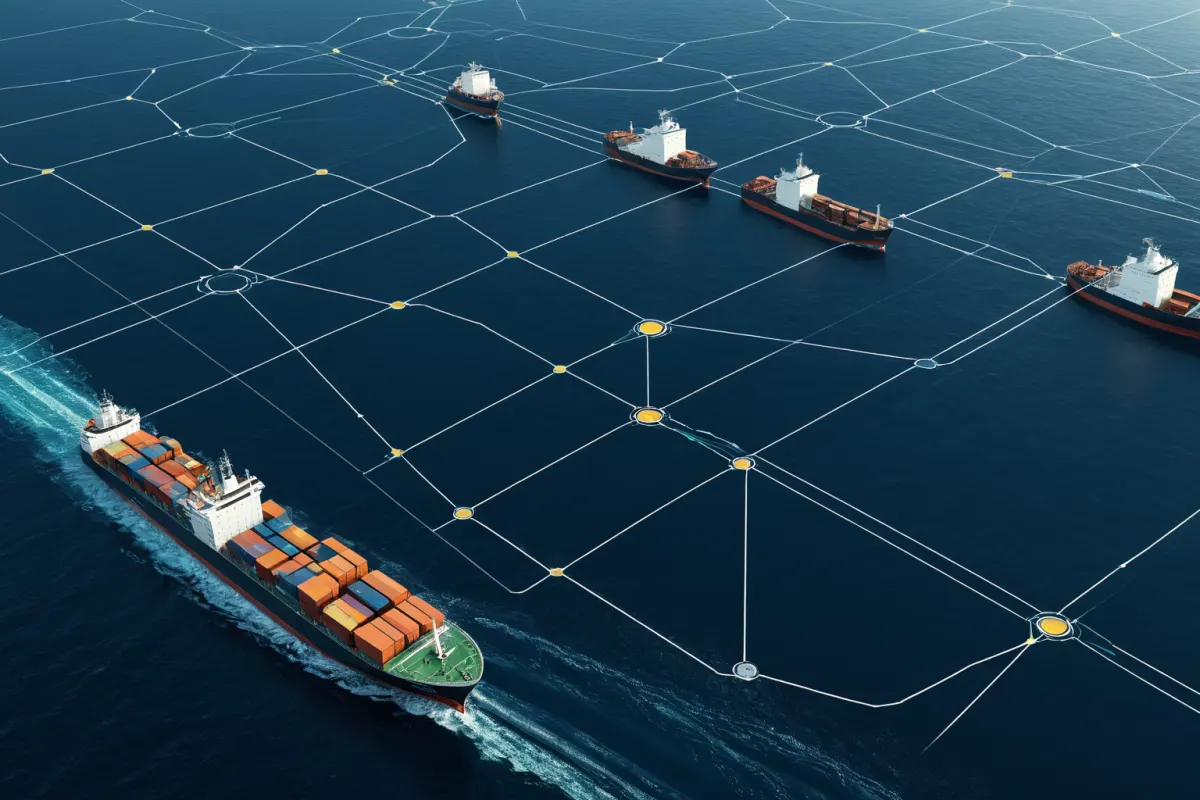
The reason reopening schedules seem vague is that control over the strait isn't determined by a single authority. Military tensions, diplomatic negotiations, neighboring country responses, and maritime accident risks all intertwine.
Another key point is that even after a navigation resumption announcement, it's usually implemented gradually. First, restrictions ease; then surveillance loosens; finally, operations return to normal levels.
For example, on day one, only empty or small vessels might be allowed through, followed by cargo ships a few days later, and eventually oil tankers passing more freely. This phased approach makes it difficult to judge solely based on the term 'reopening.'
Evaluating Normalization Through Conditions
When assessing the Strait of Hormuz reopening, the first condition to check is safety assurance levels. Has there been a reduction in incidents threatening vessels around the strait? Are patrol ships deployed steadily? Have navigation alerts been lifted?
The next factor is insurance and freight rates. If risks remain high, insurers may impose heavy costs, making it financially unviable for vessels to pass despite being allowed. Conversely, stable costs can lead to faster normalization of logistics flows.
Finally, shipping company internal standards matter too. Some companies have strict safety requirements in high-risk areas, so even if external conditions improve, they might continue using alternative routes for a while. Ultimately, reopening is about understanding the gap between 'possibility' and 'actual operation.'
Impact on Markets and Logistics
The Strait of Hormuz connects directly to oil and LNG transportation, so news of its reopening can shake international oil prices and shipping rates. Especially during sensitive energy supply periods, a single announcement can significantly influence market sentiment.
In logistics, uncertainty often poses a bigger problem than delays. When shipment schedules become unstable, port dwell times, unloading plans, and subsequent transport arrangements all shift in chain reactions. Therefore, businesses pay closer attention to actual vessel passage capabilities and current navigation alert levels rather than just news headlines.
For example, refiners may adjust oil import timelines, while trading companies recalculate delivery terms. While average consumers might not feel immediate effects, these adjustments eventually reflect in energy prices or maritime freight rates over time.
Information to Check When Researching
When searching for 'Strait of Hormuz reopening,' don't just look at article titles—also check the following details: which vessel types are permitted to pass, whether restrictions are temporary or long-term, and if there have been additional incidents in surrounding waters.
- Vessel types allowed to transit
- Levels of security and surveillance enforcement
- Changes in insurance premiums and freight rates
- Continued use of alternative routes
- Status of diplomatic negotiations
Reviewing these five points helps determine whether the reopening represents 'substantial normalization' or merely 'temporary easing.' Although terms may sound similar, market reactions can vary significantly.
Frequently Asked Questions
Q. Does a Strait of Hormuz reopening mean immediate normal navigation?
A. Not necessarily. It's common for restrictions to ease first before gradually returning to normal operations.
Q. Will oil prices drop immediately after the reopening announcement?
A. It's difficult to say definitively. Market reactions depend on actual navigation stability, insurance costs, and further tensions.
Q. What should ordinary people look for?
A. Instead of focusing solely on the reopening announcement, it's more useful to monitor practical indicators like vessel passage capabilities, maritime alert levels, and changes in freight rates.
The situation regarding Strait of Hormuz reopening can change rapidly, so it's advisable to verify current navigation conditions and international maritime alerts at the time of announcements.
Continue exploring similar topics.
View Category ArticlesFAQ
Does a Strait of Hormuz reopening mean immediate normal navigation?
Not necessarily. It's common for restrictions to ease first before gradually returning to normal operations.
Will oil prices drop immediately after the reopening announcement?
It's difficult to say definitively. Market reactions depend on actual navigation stability, insurance costs, and further tensions.
What should ordinary people look for?
Instead of focusing solely on the reopening announcement, it's more useful to monitor practical indicators like vessel passage capabilities, maritime alert levels, and changes in freight rates.
Korean Source
This article is an English localization of a Korean-language report from BlogScore. Original: 호르무즈재개방 일정과 조건, 항로 운영 변화는?