
Understanding SPD Ratings and Capacity: Key Points for Choosing Surge Protection Devices
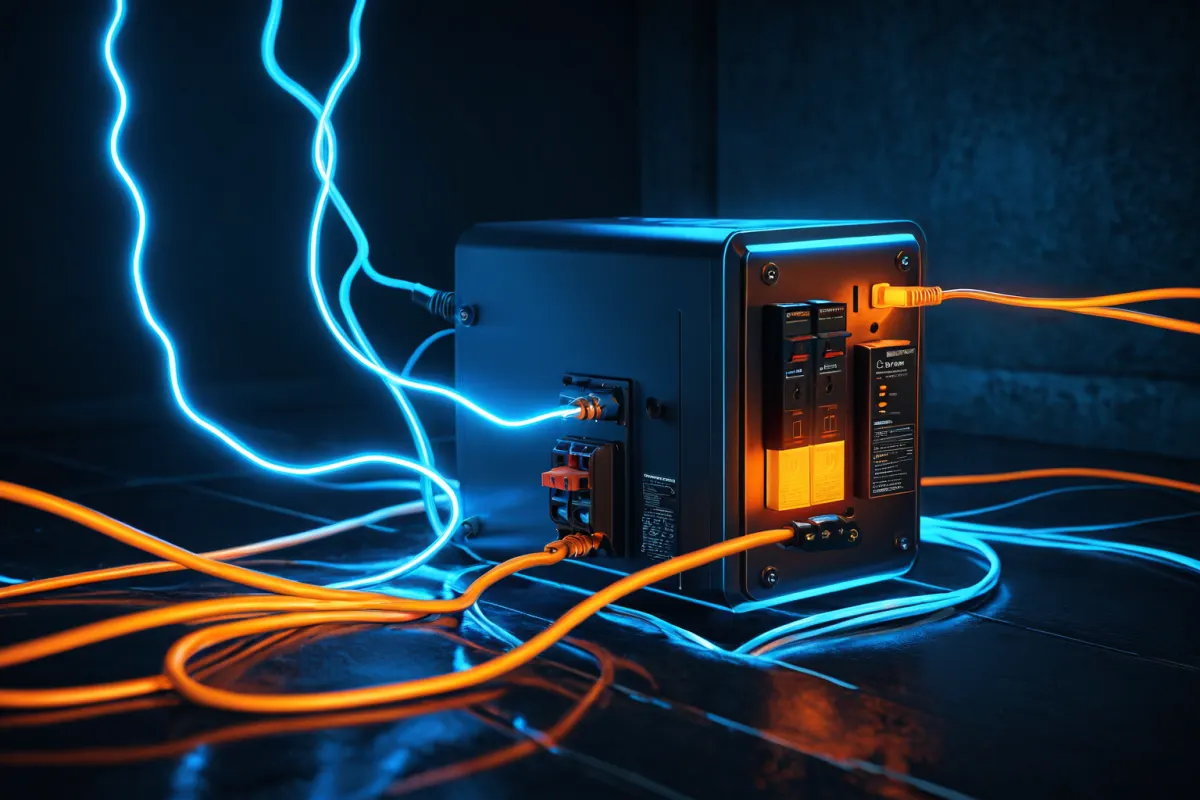
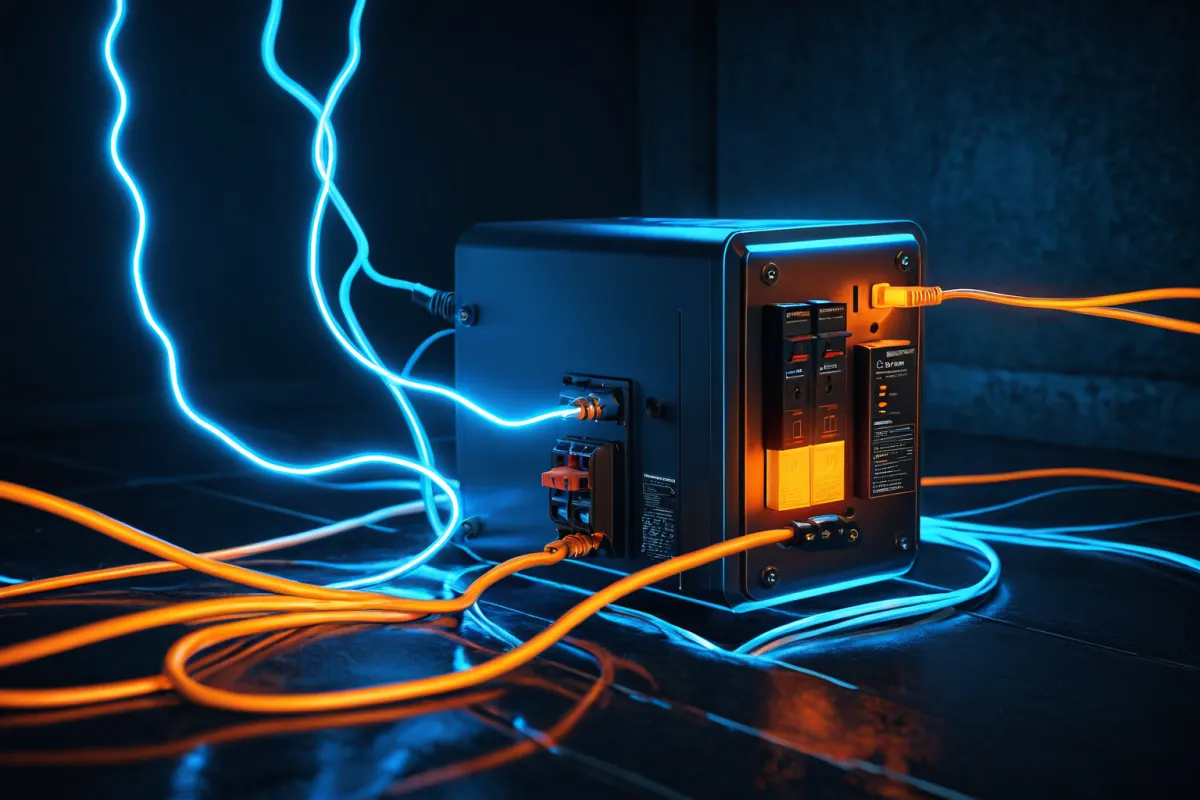
When looking at SPD ratings and capacity, the most important factor is whether it matches the level of protection needed for your home or facility. Bigger numbers don't necessarily mean better—your choice should depend on whether you're dealing with direct lightning strikes, long external wiring, or protecting internal equipment.
Surge protectors are devices that divert sudden voltage spikes to prevent damage to equipment. Especially during thunderstorm season, choosing the right SPD can significantly reduce the risk of electronic device failures.
Understanding SPD Ratings
SPD stands for Surge Protective Device, a device designed to block sudden overvoltages caused by lightning or switching events. The rating indicates what level of surge the device can handle.
Typically, SPDs are categorized as Type 1, Type 2, and Type 3. Type 1 is used near building entry points for handling large lightning currents, Type 2 is commonly found at distribution panels, and Type 3 is often placed close to individual devices. Using just one product to cover all areas can lead to either insufficient or excessive protection.
You can find similar articles on this topic in one place.
View Related ArticlesKey Factors to Consider When Checking Capacity Numbers
When examining SPD capacity, don't just look at current capacity—also check maximum continuous operating voltage, rated discharge current, maximum discharge current, and protection level voltage. These terms may sound complex but simply indicate how long the device can withstand surges, how much current it can divert, and how effectively it protects your equipment.
For example, for distribution panel use, ensure the discharge current performance is sufficient; for devices near outlets, look for lower protection level voltages. Higher numbers aren't always better, nor are lower ones necessarily worse—the location and purpose of installation come first.
Characteristics of Environments Needing Lightning Protection
Lightning damage doesn't only occur when a strike hits a building directly. Induced surges can enter through utility poles nearby, long external wiring in homes, or facilities with extended communication or CCTV lines.
The more external connections like power lines, internet cables, CCTV wires, antenna lines, and solar systems you have, the more protection points you need. Often, protecting just the electrical outlets isn't enough; you must consider the entire path of incoming surges.
Selecting by Rating Category
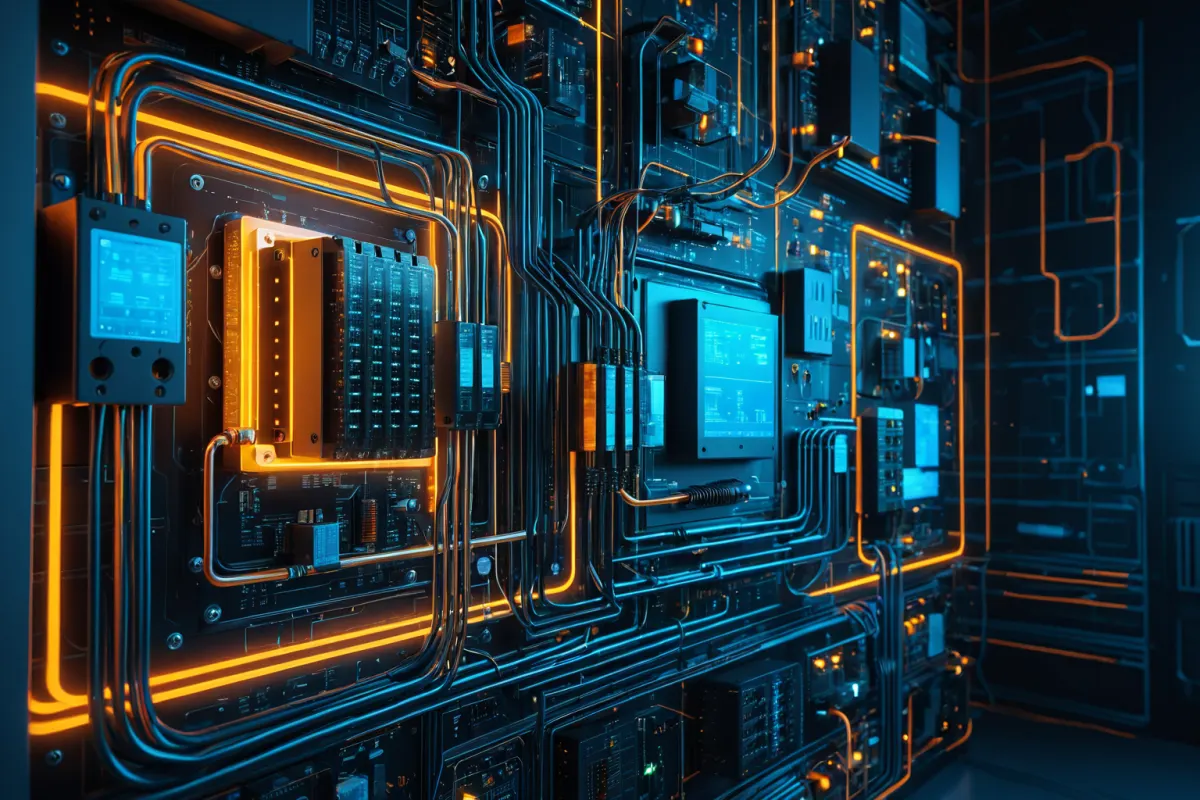
If you want to protect an entire building, start by looking at Type 1 or Type 2 models suitable for entry points or distribution panels. For protecting sensitive devices like computers, routers, TVs, and washing machines, adding protection near the outlets is more practical.
Here's a simple way to choose:
- Buildings with high risk of external lightning: Prioritize entry point protection
- General household distribution panels: Focus on Type 2 models
- Sensitive electronics: Add supplementary protection near the devices
For example, if your router frequently disconnects and your set-top box is unstable in a two-story home, it's better to check both power and communication line protection. In contrast, factories or warehouses with long wiring require higher-level protection and proper grounding.
Why Grounding Affects Performance
SPDs are not devices that 'hold' overvoltage but rather divert it quickly. Poor grounding can significantly reduce the actual protection performance, even if the device has high specifications.
This is a common oversight. Even with the same SPD, overly long or poorly connected grounding wires can cause higher voltage spikes during surges. Before installation, check grounding conditions, wiring length, and available space inside distribution panels.
Practical Selection Examples
For example, in an apartment building where power outages are frequent and sensitive devices are common, consider a Type 2 SPD for the distribution panel along with additional outlet-type protectors for TVs, PCs, and routers. The key is not to over-protect one area but to distribute protection across all entry points.
Another example: For community facilities with external CCTV and internet equipment, power-only SPDs aren't sufficient. You'll need communication line protectors that work in conjunction with proper grounding for effective lightning damage prevention.
Checkpoints to Verify Before Buying
Before choosing a product, first determine your installation location and check the voltage and wiring conditions there. Then review rated voltage, discharge current, protection level voltage, and replaceability in that order for safety.
Also important is whether the device is designed for single use or can be reused, and if it has status indicators or fault alerts. SPDs may look fine externally but suffer internal wear, so easy-to-check status features make maintenance easier.
A common mistake is thinking 'bigger capacity means it works everywhere.' In reality, matching the right rating to your installation location is more important than having a high number, and overly strong products can increase costs without delivering expected benefits.
Best Practices for Reducing Lightning Damage
During rainy seasons or when thunderstorms are frequent, develop habits of completely disconnecting sensitive equipment. Unplugging unnecessary devices when leaving them unattended is the simplest yet most effective method.
Especially for devices like modems, routers, set-top boxes, and external storage that are vulnerable to voltage spikes, even with SPDs, 100% safety isn't guaranteed. SPDs reduce damage but aren't a complete solution against all electrical surges.
Misconceptions About SPDs
SPDs and lightning protection might sound similar, but they refer to different scopes. Lightning protection usually refers to the entire system, while SPD is just one component that suppresses overvoltage within that system.
They're also not related to electromagnetic interference (EMI) shielding. EMI shielding reduces electromagnetic interference, whereas SPDs protect against voltage spikes—so they serve different purposes and aren't interchangeable.
FAQ
Q1: Are higher SPD numbers always better?
No. The device must match your installation location and purpose. Protection needs differ between entry points and near devices, so focusing only on high numbers can lead to inefficient choices.
Q2: Do homes really need SPDs?
If you have many external wires or sensitive electronics, yes. Particularly in areas with frequent lightning, environments with lots of electronic devices, or homes where internet equipment is always connected, SPDs are worth considering.
Q3: Is installation the final step?
No. SPDs are consumable components that require status checks. After experiencing a major surge or lightning strike, replacement might be necessary.
Choosing an SPD isn't just about comparing specifications—it requires evaluating installation location, grounding, wiring length, and protection targets together. Especially during thunderstorm season, it's wise to check your existing setup before the weather gets worse.
Continue exploring similar topics.
View Category ArticlesFAQ
Are higher SPD numbers always better?
No. The device must match your installation location and purpose. Protection needs differ between entry points and near devices, so focusing only on high numbers can lead to inefficient choices.
Do homes really need SPDs?
If you have many external wires or sensitive electronics, yes. Particularly in areas with frequent lightning, environments with lots of electronic devices, or homes where internet equipment is always connected, SPDs are worth considering.
Is installation the final step?
No. SPDs are consumable components that require status checks. After experiencing a major surge or lightning strike, replacement might be necessary.
Korean Source
This article is an English localization of a Korean-language report from BlogScore. Original: SPD 등급과 용량 의미: 낙뢰 서지보호기 선택 포인트