
Understanding 'Soyo Saetae': Meaning, Causes, and Historical Context Explained
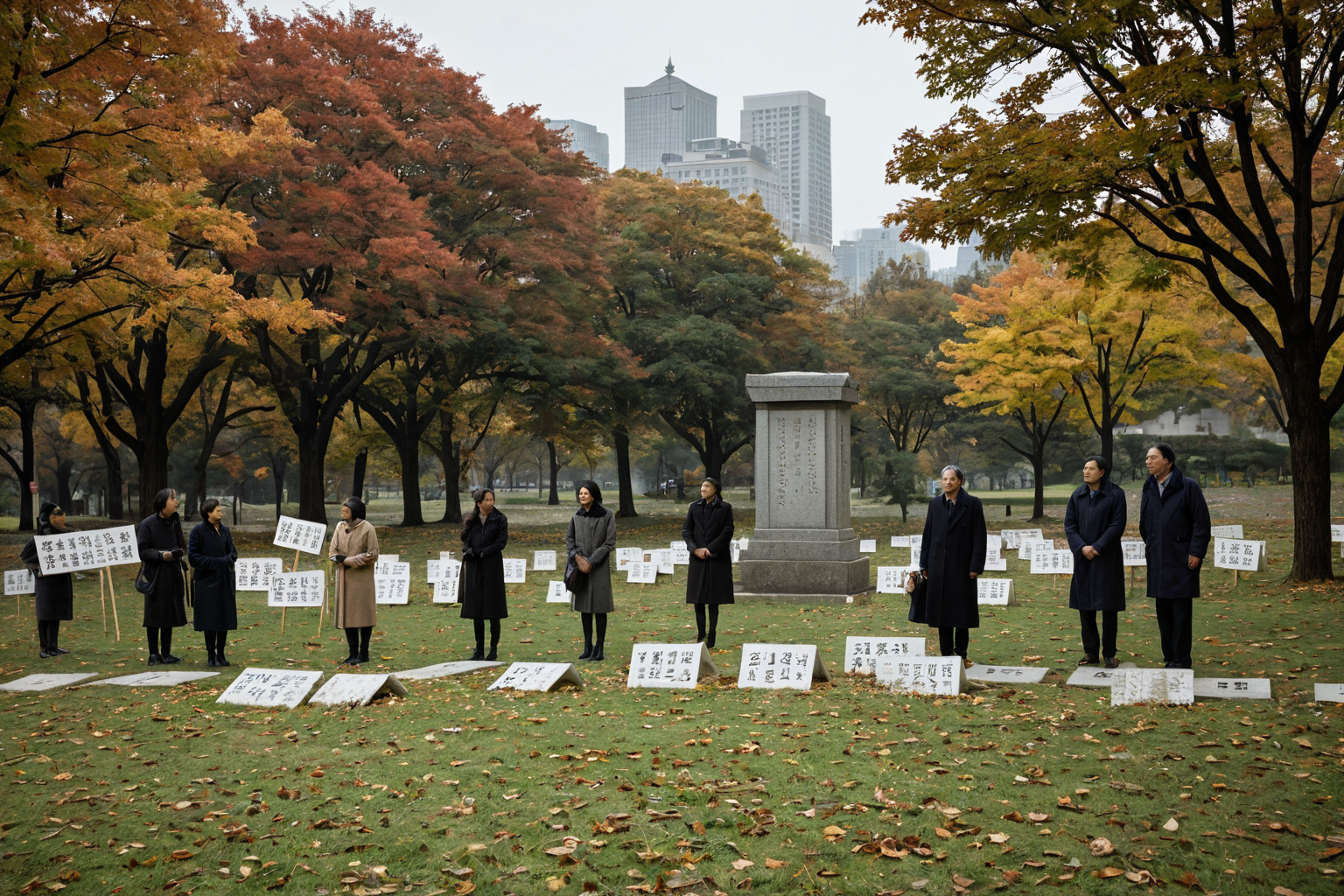
Meaning and Definition of Soyo Saetae
Soyo Saetae refers to social unrest or protests. Recently, it has been used controversially to distort the May 18th Gwangju Democratization Movement, sparking debate when a legislator referred to it as 'Soyo Saetae' during a forum. This led to physical altercations and police intervention.
The term has historically been used broadly across different contexts to describe social conflicts in various countries or eras. For example, the 1992 Los Angeles riots were reported using this phrase, leaving deep trauma on the Korean community there. Similarly, the Gwangju Uprising is at risk of being mischaracterized as 'Soyo Saetae,' which denies its true nature.
Its use can be politically motivated or used to distort history, requiring careful attention. The May 18th movement was a citizens' struggle for democracy, and labeling it as 'Soyo Saetae' is widely criticized for misrepresenting its essence.
Domestic Political Controversy: Mischaracterizing the May 18th Movement
On August 13, 2026, a forum hosted by legislator Lee Jin-sook referred to the May 18th movement as 'Soyo Saetae,' sparking physical altercations and police presence.
Lee's remarks were criticized for historically denying the May 18th movement. The incident was viewed not just as a linguistic error but as an attempt to undermine the legitimacy of the democratic movement. Media outlets and civic groups have condemned the use of 'Soyo Saetae' as politically motivated or historical distortion, amplifying criticism.
On August 17, 2026, the People Power Party announced it would not consider disciplinary action against Lee Jin-sook, though internal party members saw a backlash with over 3,700 calling for sanctions. This highlights political divisions and disagreements over historical interpretation.
Bae Hyun-jin pointed out in a group chat that using 'Soyo' was an attempt to evade responsibility by the party leadership, further intensifying the controversy and highlighting concerns about the term being misused for political gain.
Historical Events: Gwangju Uprising and LA Riots
Soyo Saetae has historically referred to multiple events. The 1992 Los Angeles riots left a deep trauma on the Korean community, and the event was reported using this term. Triggered by excessive police force against Black citizens, the riots intensified social tensions.
The Gwangju Uprising of 1980 is at risk of being mislabeled as 'Soyo Saetae,' which denies its true nature. The uprising was a citizen-led protest against military suppression under Chun Doo-hwan's regime and remains a pivotal moment in South Korea's democratization.
Both the 1992 Los Angeles riots and the Gwangju Uprising are examples of social unrest escalating into violence, leaving lasting historical memories for both Korean communities abroad and domestic democracy movements. The LA riots particularly affected Koreans who suffered under excessive police force during that time.
International Examples: Bangladesh, Iran, Indonesia
Soyo Saetae is also used internationally to describe various incidents. On August 6, 2024, protests erupted in Bangladesh, with some reports noting the safety of Korean residents as 'normal' (reported as 'I-sang-mu').
The Bangladesh unrest was triggered by public dissatisfaction and economic issues, resulting in approximately 3,195 arrests. The Korean community had to enhance security measures.
In Papua New Guinea, large-scale protests led the Prime Minister to declare a state of emergency. The unrest began as a protest against government economic policies, escalating into violence.
Indonesia's anti-government protests started on September 2, 2025, following the death of an motorcycle delivery driver. In Iran, tensions worsened on January 10, 2026, with reports of 51 deaths and hundreds injured.
In Albania, armed unrest against the government spread, leading to the successful evacuation of Korean missionaries. This case highlights international security management efforts.
The Historical Significance and Distortion of Soyo Saetae
Labeling the May 18th movement as 'Soyo Saetae' is widely criticized for historical distortion. The controversy arose from a forum hosted by Lee Jin-sook, with the People Power Party later announcing no disciplinary action.
Misusing historical terminology can harm democracy and civic awareness. The May 18th movement was a citizens' struggle for democracy, and using 'Soyo Saetae' undermines its legitimacy.
Preventing such distortions requires accurate historical understanding and education, especially to convey the true meaning of the May 18th movement to younger generations.
Domestic and International Responses to Soyo Saetae Incidents
The Bangladesh unrest affected Korean residents' safety, with reports indicating their security as 'normal.' The Korean community strengthened security through cooperation with local authorities.
In Papua New Guinea, the Prime Minister declared a state of emergency in response. This was seen as an active government effort to resolve social tensions quickly.
Albania's armed unrest saw successful evacuation of Korean missionaries, highlighting effective collaboration between local governments and embassies for international security management.
Key Events Related to Soyo Saetae
To better understand the definition, historical context, and international examples related to Soyo Saetae, consider these key events:
- August 13, 2026: Controversy erupted at Lee Jin-sook's forum when she called the May 18th movement 'Soyo Saetae,' leading to physical confrontations.
- August 17, 2026: The People Power Party announced it would not consider disciplinary action against Lee Jin-sook, despite internal backlash with over 3,700 members demanding sanctions.
- August 6, 2024: Protests erupted in Bangladesh, with reports noting the safety of Korean residents as 'normal' (reported as 'I-sang-mu').
- September 2, 2025: Anti-government protests began in Indonesia following the death of a motorcycle delivery driver.
- January 10, 2026: Tensions worsened in Iran, with reports of 51 deaths and hundreds injured.
Frequently Asked Questions
What does 'Soyo Saetae' mean when used?
Soyo Saetae refers to social unrest or protests. Recently, it has been misused to distort the May 18th Gwangju Democratization Movement.
Can we refer to the May 18th movement as 'Soyo Saetae'?
No. The May 18th movement is a historical event, and using 'Soyo Saetae' is widely criticized as historical distortion.
In which international contexts has 'Soyo Saetae' been used?
It has been used to describe protests and violent incidents in Bangladesh, Iran, Indonesia, and other countries. The number of arrests or casualties varies by country and situation.
See more articles on similar topics all in one place.
View Related ArticlesFAQ
What does 'Soyo Saetae' mean when used?
Soyo Saetae refers to social unrest or protests. Recently, it has been misused to distort the May 18th Gwangju Democratization Movement.
Can we refer to the May 18th movement as 'Soyo Saetae'?
No. The May 18th movement is a historical event, and using 'Soyo Saetae' is widely criticized as historical distortion.
In which international contexts has 'Soyo Saetae' been used?
It has been used to describe protests and violent incidents in Bangladesh, Iran, Indonesia, and other countries. The number of arrests or casualties varies by country and situation.
Korean Source
This article is an English localization of a Korean-language report from BlogScore. Original: 소요사태 뜻과 원인, 역사적 사건을 쉽게 풀어보기