
Understanding South Korea's Proposed Selective Conscription System

Yoon Suk Yeol Government's Plan for Selective Conscription
The Yoon Suk Yeol government plans to implement a selective conscription system starting in 2027, which will differ from the current mandatory draft by encouraging voluntary participation. Polls show 47.4% support for the selective conscription system, with 59.6% supporting female conscription.
The government is taking its first step toward this system through the introduction of technical non-commissioned officers (NCOs), with implementation planned to begin next year. The Ministry of Defense aims to announce specific details by year-end. This initiative seeks to minimize compulsory drafting and reform military structure, aiming to recruit over 3,000 technical NCOs to handle AI and drone operations.
The president stated that 'military service should not be a waste of life,' emphasizing the need for accelerated defense reforms. He also cited estimates of North Korea's nuclear arsenal (80-120 warheads) as part of his rationale for implementing this system next year.
Key Details of the Selective Conscription System
The selective conscription system, set to begin next year, will recruit over 3,000 technical NCOs. The mandatory service period is expected to be negotiated between 3-4 years. This approach maintains the current draft system while introducing selectivity to improve military efficiency.
For technical fields such as AI and drone operations, the service period for these specialized NCOs will be planned at 4-5 years. This differs from the traditional conscription system by focusing on developing personnel with specific expertise and clearly defining their roles within the military structure.
The Ministry of Defense plans to announce detailed information about the selective conscription system by year-end, following news reports published on August 13 and 20, 2026. President Yoon Suk Yeol announced the plan for implementing selective conscription on August 13, 2026, while Minister of Defense An Gyu-bae provided further details including estimates of North Korea's nuclear arsenal (80-120 warheads) during his announcement on August 20, 2026.
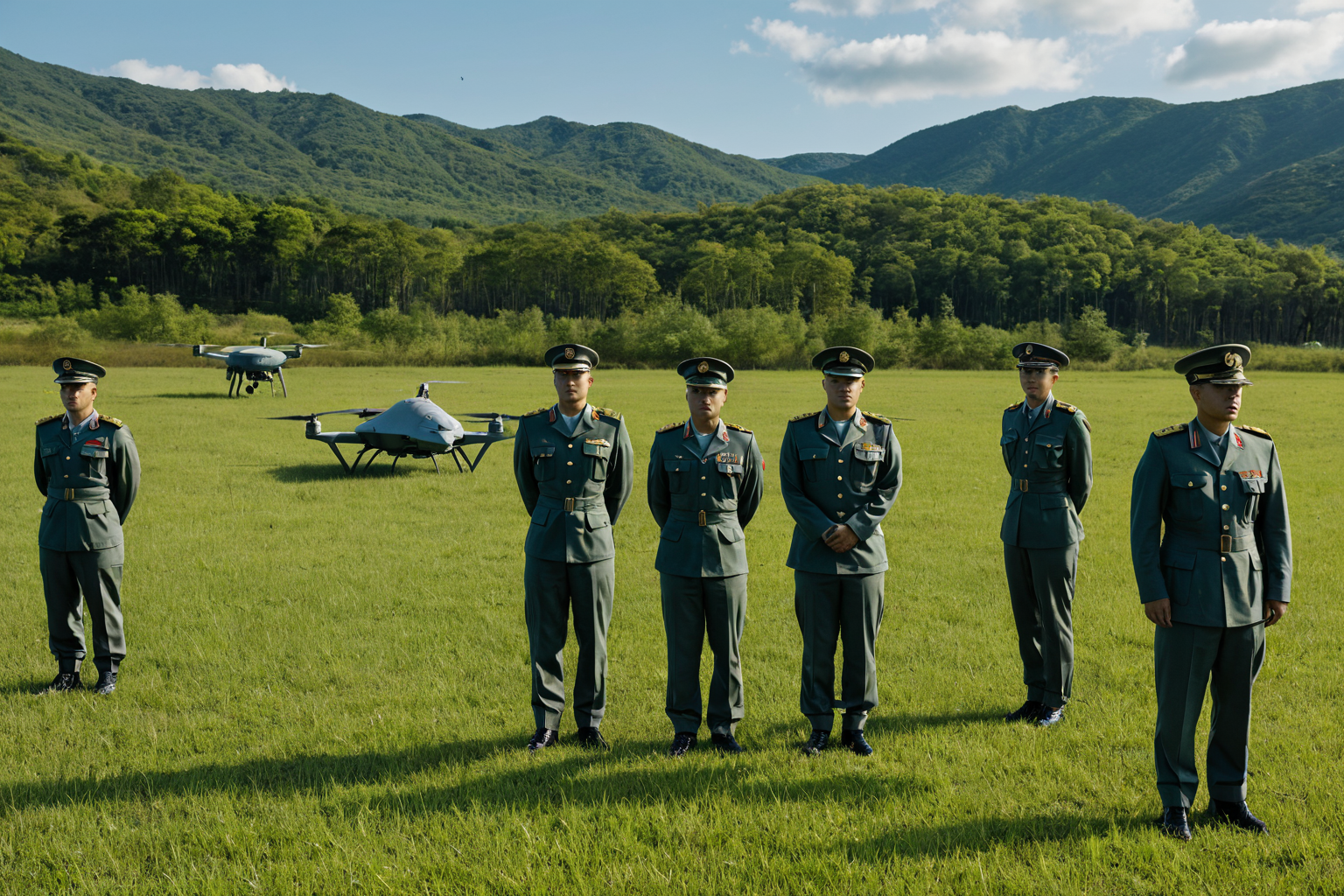
Controversy and Political Context Around Selective Conscription
There is debate over the term 'selective conscription,' with some arguing it could be used as political rhetoric. Some suggest this terminology replaces other terms like 'draft-military hybrid system' for political purposes.
While government announcements clearly state plans to implement selective conscription, public opinion polls show lower support (47.4%) than expected, indicating that societal consensus on the policy is still lacking. The 59.6% support for female conscription also indicates ongoing debate about gender equality in military service.
Implementation Timeline and Related Events
The Yoon Suk Yeol government announced its selective conscription plan on August 13 and 20, 2026, with implementation scheduled to begin in 2027. The first step will involve recruiting technical NCOs.
On August 13, 2026, the Blue House (the presidential office) announced plans to implement selective conscription next year, with the Ministry of Defense set to release specific details by year-end. On August 20, 2026, Minister An Gyu-bae presented estimates of North Korea's nuclear arsenal (80-120 warheads) while announcing the implementation plan for next year's selective conscription system.
President Yoon also stated that 'compulsory drafting should be minimized... and the military structure will change to a conscription system,' signaling a shift toward a new military framework that would replace the current draft system.
Background and Reasons for Implementing Selective Conscription
The government's push for selective conscription aims to improve military efficiency and secure technical personnel. Current mandatory conscription often lacks professional expertise, so introducing specialized NCOs is part of this reform effort.
To enhance military service efficiency, securing skilled personnel is essential. This is seen as a measure to enable military operations in advanced technology fields such as AI and drone management.
The president's statement that 'military life should not be a waste' foreshadows social debate, reflecting criticism of the current conscription system for failing to develop human capital while emphasizing the need to redefine the value of military service.
Responses and Safety Information
Measures related to implementing selective conscription primarily focus on recruiting technical NCOs. This involves setting a 3-4 year service period, focusing on developing personnel with specialized skills.
As part of military restructuring, safety information including estimates of North Korea's nuclear arsenal (80-120 warheads) was provided, which could inform military response strategies.
Following the Ministry of Defense announcement, next year's selective conscription implementation plan will be detailed. There is also potential for policy adjustments based on public opinion polls and support rates, reflecting efforts to build societal consensus.
Key Information to Verify
The specific details of the government's 'selective conscription system' have not yet been officially released, with the Ministry of Defense expected to announce them by year-end. This will be an important moment for understanding the policy specifics.
Poll results showing 47.4% support indicate a lack of societal consensus, and while 59.6% supports female conscription, this still falls short of a majority. These figures are important considerations when implementing selective conscription.
President Yoon's statement that 'military life should not be a waste' reflects critical views toward the current conscription system, emphasizing the need to redefine military service value. This is connected to the rationale behind introducing selective conscription.
Frequently Asked Questions
Q: Can the selective conscription system actually be implemented?
A: The government plans to implement it starting next year, with the Ministry of Defense set to announce specific details by year-end. However, there is potential for policy adjustments based on public opinion poll results.
Q: What will be the service period for technical NCOs?
A: The mandatory service period is expected to be negotiated between 3-4 years, while personnel in AI and drone operations fields are planned for a 4-5 year service term.
Q: Why is support higher for female conscription? A: The 59.6% support rate for female conscription reflects societal discussions about gender equality, emphasizing the need for equal military service opportunities.
Frequently Asked Questions
The Yoon Suk Yeol government's plan to introduce selective conscription aims to reform the current draft system by recruiting technical NCOs to improve military efficiency. This is part of broader defense reforms alongside estimates of North Korea's nuclear arsenal.
However, lower public support rates (47.4%) and debate over the term 'selective conscription' are expected to be key considerations during implementation. The Ministry of Defense will provide detailed information through its upcoming announcement, with societal consensus being a critical factor in determining whether this policy gains broader acceptance.
Improving military service efficiency and redefining its value are central goals of the selective conscription system, reflecting the government's defense reform direction. Additionally, there is increased potential for expanded social discussions regarding female conscription.
You can find more articles on similar topics here.
View Related ArticlesFAQ
Can the selective conscription system actually be implemented?
The government plans to implement it starting next year, with the Ministry of Defense set to announce specific details by year-end. However, there is potential for policy adjustments based on public opinion poll results.
What will be the service period for technical NCOs?
The mandatory service period is expected to be negotiated between 3-4 years, while personnel in AI and drone operations fields are planned for a 4-5 year service term.
Why is support higher for female conscription?
The 59.6% support rate for female conscription reflects societal discussions about gender equality, emphasizing the need for equal military service opportunities.
Korean Source
This article is an English localization of a Korean-language report from BlogScore. Original: 선택적 모병제 뜻과 복무 기간, 현황 정리