
Understanding South Korea's Mega Projects: Key Details and Current Developments
Mega Projects Overview and Government Strategy
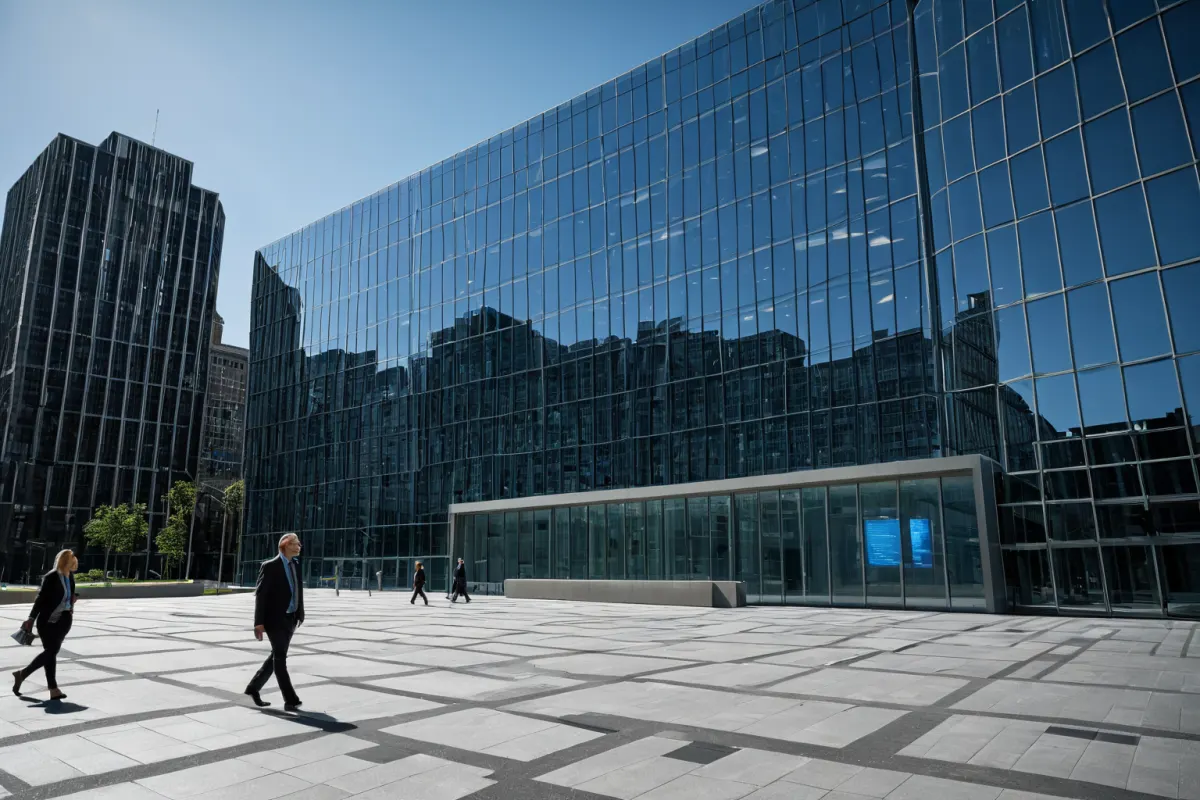
The government is implementing a national growth strategy through its 'Three Mega Projects,' focusing on concentrated investments in semiconductors and AI data centers. Starting from 2026, it aims to accelerate progress through regulatory easing and resource allocation, with an estimated total scale of around 500 trillion won. The government's goal is securing 'intelligent sovereignty,' which includes massive investments by Samsung (265.5 trillion won) and SK (210 trillion won).
Regional Controversy Around Mega Projects
The announcement of the 'Three Mega Projects' has led to concerns that the PK region (Gyeongsangbuk-do and Gyeongsangnam-do) is being effectively sidelined. According to a June 29 report by the Gyeongbuk Newspaper, the government plans to discuss investments in the Yeongnam and Chungcheong regions at the next meeting, with monthly meetings chaired by the president. However, residents and political figures from the PK region are expressing concerns about regional marginalization.
Controversy Over Mega Special Zone Law
The Mega Special Zone Law has sparked conflict between semiconductor industry development and labor rights protection. Climate justice groups began nationwide protests starting August 7, 2026, urging the repeal of the law, which has been criticized as 'labor rights destruction and chaebol favoritism.' Unclear demand for data center expansion also raises concerns about potential future conflicts.
Shift in Project Implementation Speed
The Mega Projects have shifted from a 'speed race' to a 'sudden attack,' progressing at breakneck speed. After the government announced its Three Mega Projects on July 1, 2026, key details were discussed at the second meeting on August 10, and by August 11, the plan to transition to a 'sudden attack' was formalized. This shift reflects the government's initial steps toward regulatory easing and resource allocation to accelerate progress.
Electricity Supply Agreement for Mega Projects
The second meeting related to the Mega Projects discussed an electricity supply agreement. During this meeting, Ko Eun-seob, head of Korea Electric Power Corporation (KEPCO), participated in discussions on measures to stabilize power supply, which is expected to be a critical condition for successful project implementation.
Data Center Expansion and Uncertain Demand
Uncertainty around demand for data center expansion has become a point of contention. While the government is focusing investment on AI data centers through these projects, concerns have been raised that actual demand may not be sufficiently secured. This raises worries about potential resource waste if infrastructure development proceeds faster than anticipated.
Regional Economic Shifts
The Mega Projects are planning to discuss investments in the Yeongnam and Chungcheong regions, but reports suggest PK (Gyeongsangbuk-do and Gyeongsangnam-do) was sidelined at the time of the government announcement. This has raised concerns about worsening regional imbalance, particularly in Gyeongsangbuk-do where dissatisfaction with the government's investment plan is growing.
Key Facts Summary
The government is implementing a national growth strategy through its 'Three Mega Projects,' focusing on concentrated investments in semiconductors and AI data centers. Starting from 2026, it aims to accelerate progress through regulatory easing and resource allocation, with an estimated total scale of around 500 trillion won. The government's goal is securing 'intelligent sovereignty,' which includes massive investments by Samsung (265.5 trillion won) and SK (210 trillion won).
Government Investment Plans by Region
After announcing the 'Three Mega Projects,' the government plans to discuss investments in the Yeongnam and Chungcheong regions at the next meeting, with monthly meetings chaired by the president. However, reports indicate that PK (Gyeongsangbuk-do and Gyeongsangnam-do) was effectively sidelined, leading to increased dissatisfaction from political figures and civic groups in Gyeongsangbuk-do.
Controversy Over Mega Special Zone Law
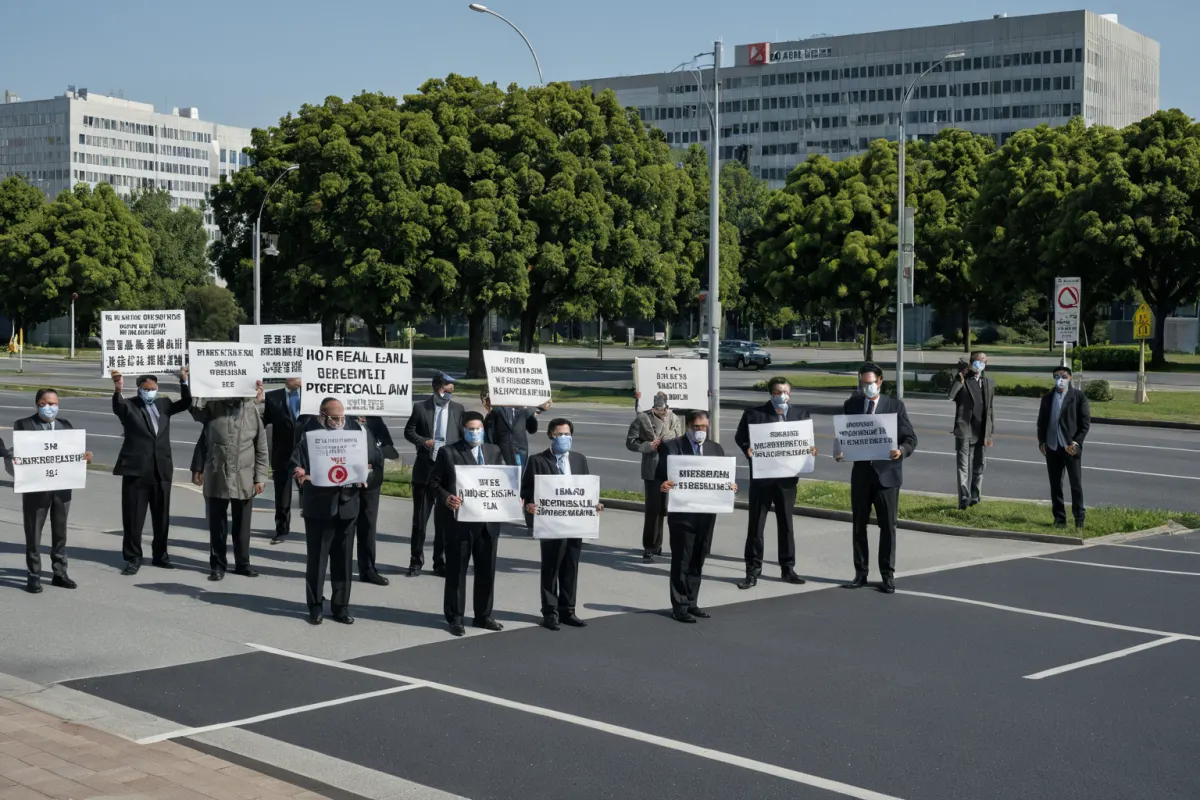
The Mega Special Zone Law has been criticized as 'labor rights destruction and chaebol favoritism,' with climate justice groups beginning nationwide protests on August 7, 2026. Civil society organizations, labor unions, and climate groups are calling for the law's repeal, highlighting tensions between semiconductor industry development and labor protection that could lead to further social disputes.
Shift in Project Implementation Speed
The Mega Projects have shifted from a 'speed race' to a 'sudden attack,' progressing at breakneck speed. After the government announced its Three Mega Projects on July 1, 2026, key details were discussed at the second meeting on August 10, and by August 11, the plan to transition to a 'sudden attack' was formalized. This shift reflects the government's initial steps toward regulatory easing and resource allocation to accelerate progress.
Electricity Supply Agreement
The second meeting related to the Mega Projects discussed an electricity supply agreement. During this meeting, Ko Eun-seob, head of Korea Electric Power Corporation (KEPCO), participated in discussions on measures to stabilize power supply, which is expected to be a critical condition for successful project implementation.
Data Center Expansion Demand Concerns
Uncertainty around demand for data center expansion has become a point of contention. While the government is focusing investment on AI data centers through these projects, concerns have been raised that actual demand may not be sufficiently secured. This raises worries about potential resource waste if infrastructure development proceeds faster than anticipated.
Regional Economic Imbalance Concerns
The Mega Projects are planning to discuss investments in the Yeongnam and Chungcheong regions, but reports suggest PK (Gyeongsangbuk-do and Gyeongsangnam-do) was sidelined at the time of the government announcement. This has raised concerns about worsening regional imbalance, particularly in Gyeongsangbuk-do where dissatisfaction with the government's investment plan is growing.
Key Information to Verify
Specific implementation plans and detailed goals for the Mega Projects have not yet been disclosed. Additionally, the government's specific strategies for securing 'intelligent sovereignty' remain unclear. As a result, the success of the Mega Projects and how regional imbalances will be addressed are under close scrutiny.
Frequently Asked Questions
Which sectors does the Mega Project focus on?
The government is advancing the Mega Projects with concentrated investments in semiconductors and AI data centers.
Why is the Mega Special Zone Law controversial?
The Mega Special Zone Law has been criticized as 'labor rights destruction and chaebol favoritism,' causing conflict between semiconductor industry development and labor protection.
How is the government implementing the Mega Projects?
The government has shifted from a 'speed race' to a 'sudden attack,' progressing at breakneck speed, with monthly meetings chaired by the president.
You can view similar articles on this topic in one place.
View Related ArticlesFAQ
Which sectors does the Mega Project focus on?
The government is advancing the Mega Projects with concentrated investments in semiconductors and AI data centers.
Why is the Mega Special Zone Law controversial?
The Mega Special Zone Law has been criticized as 'labor rights destruction and chaebol favoritism,' causing conflict between semiconductor industry development and labor protection.
How is the government implementing the Mega Projects?
The government has shifted from a 'speed race' to a 'sudden attack,' progressing at breakneck speed, with monthly meetings chaired by the president.
Korean Source
This article is an English localization of a Korean-language report from BlogScore. Original: 메가 프로젝트 뜻과 실제 내용을 한눈에 알아보기