
Understanding South Korea's Heatwave Protection Policies for Vulnerable Groups
Heatwave Protection Policies for Vulnerable Groups
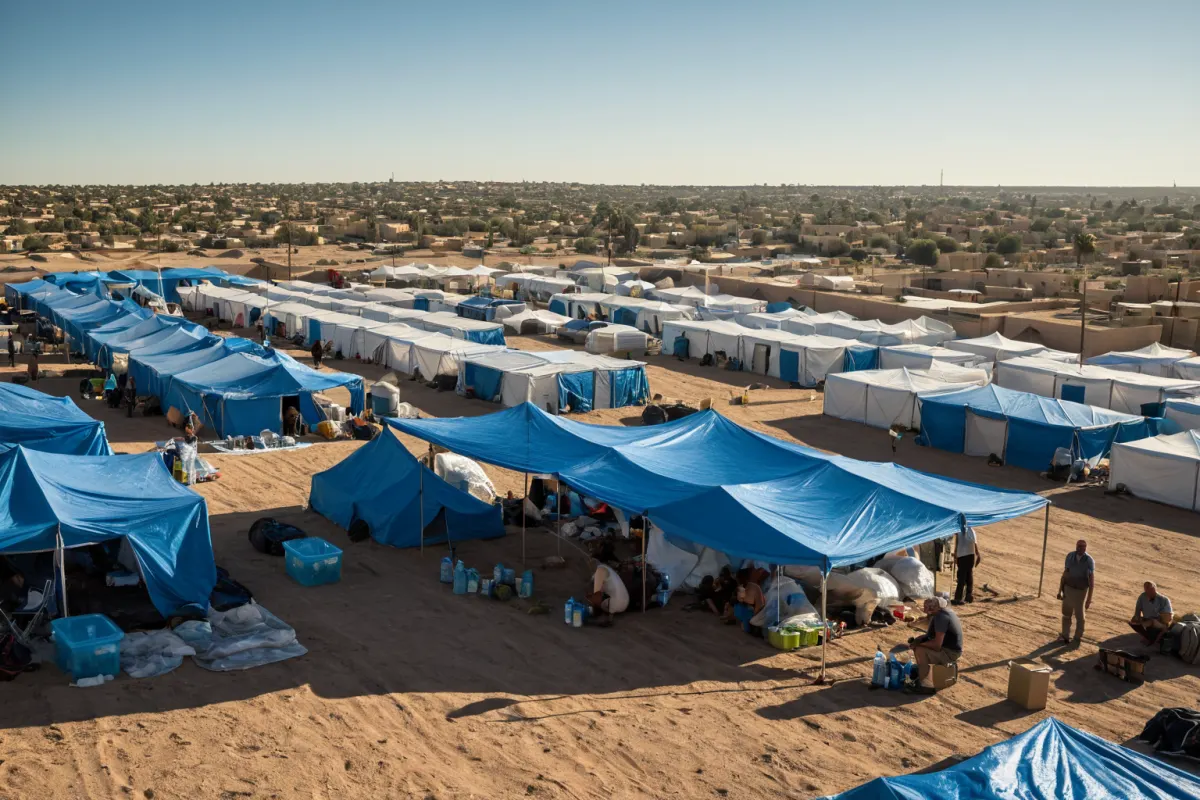
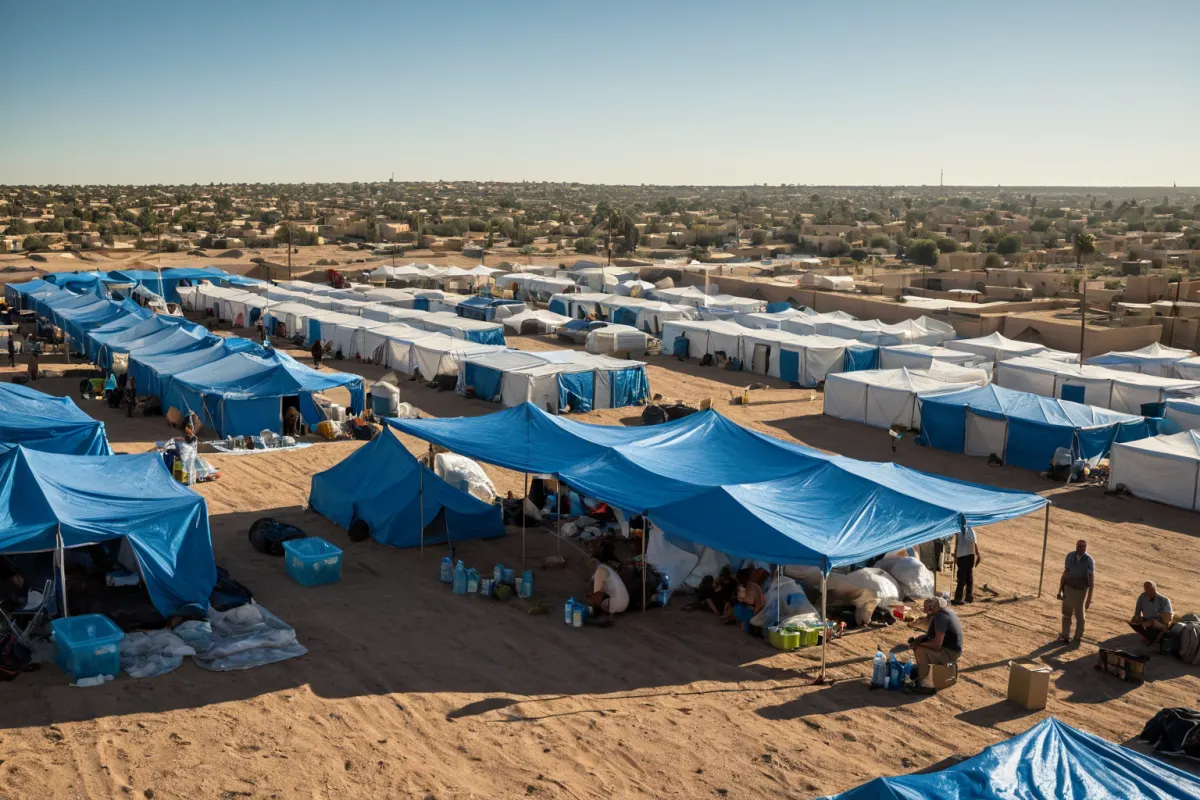
The government and local authorities are building a comprehensive response system to protect vulnerable populations during heatwaves. The Ministry of Health and Welfare has activated an Emergency Response Headquarters, conducting twice-daily check-ins with at-risk groups. SH (Seoul Housing and Urban Development Corporation) is providing cooling supplies to those living in makeshift shelters and tents. With the passage of the Climate Insurance Act and Climate Adaptation Act in parliament, a legal framework for protecting vulnerable populations has been established.
Government and Agency Heatwave Response Activities
The Ministry of Health and Welfare raised the Heatwave Emergency Headquarters to Level 2 on August 3, 2026, implementing a twice-daily check-in system for vulnerable groups. On August 9, 2026, the Minister announced a concentrated administrative effort to address heatwaves during an emergency meeting. Meanwhile, the Deputy Minister of Environment visited vulnerable communities on August 7 to strengthen cooling shelters and energy welfare coordination.
SH began distributing cooling supplies to makeshift shelter residents on August 11, 2026, as part of a coordinated effort with the Ministry's Emergency Response Headquarters. This initiative has drawn attention as a concrete example of supporting disadvantaged housing conditions.
Passage of Climate Insurance and Adaptation Acts
The Climate Insurance Act passed through the parliamentary Special Committee on Climate on August 10, 2026, establishing compensation for heatwave-related crop losses. The Climate Adaptation Act is nearing passage in the full parliament, aiming to legally protect vulnerable groups such as elderly individuals and outdoor workers from climate crises.
The approval of the Climate Adaptation Act on August 10, 2026, established a legal foundation for climate change response and protecting vulnerable populations. This development strengthened the government's comprehensive response system following the Level 2 escalation of the Heatwave Emergency Headquarters.
Local Government Example: Gumi City’s Targeted Management
Gumi City began on-site, targeted management of vulnerable groups starting August 9, 2026. This initiative aims to eliminate heatwave 'blind spots' by strengthening neighborhood-level inspections and support systems for resident safety.
Launched one week after the Ministry activated its Emergency Response Headquarters, Gumi City's approach aligns with national policies to better protect vulnerable populations.
International Cooperation and Academic Discussions
An international academic forum on climate adaptation for vulnerable groups was held on July 23, 2026. The event aimed to explore government and local strategies while sharing global experiences to improve heatwave protection systems.
The forum featured various research findings on climate change and heatwave response, with particular focus on international case studies of protecting vulnerable populations. These insights provided valuable information for domestic policy development.
Government and Political Parties’ Legislative Proposals
Political parties introduced related legislation in early August 2026 to improve disaster response systems, addressing gaps in heatwave plans for people with disabilities. The proposed law aims to establish a more comprehensive legal framework for protecting vulnerable groups.
On August 13, 2026, the Ministry of Health and Welfare announced strengthened measures for people with disabilities following the Level 2 escalation of the Heatwave Emergency Headquarters. This aligns with legislative proposals from political parties to enhance disability-focused heatwave response strategies.
Local Government Support Examples: Jeongseon County and North Jeolla Province
Jeongseon County announced on August 11, 2026, enhanced cooling facilities and support for vulnerable groups, focusing on elderly individuals and children. The plan includes facility expansion and tailored assistance programs.
North Jeolla Province also implemented cooling support for heatwave-vulnerable populations on the same day. This targeted initiative supports disadvantaged housing communities, strengthening regional heatwave response efforts.
SH (Seoul Housing) provided heat prevention supplies to vulnerable residents in Yongson and Guryong neighborhoods on August 10, 2026. This serves as a representative example of supporting structurally vulnerable groups, potentially becoming a model for government-local collaboration.
Heatwave Emergency Headquarters Level 2 Escalation
The Heatwave Emergency Headquarters was elevated to Level 2 on August 3, 2026, as prolonged heatwaves increased risks for vulnerable populations. This move, implemented alongside the Ministry's Emergency Response Headquarters activation, reflects heightened government response efforts.
After the Level 2 escalation, the Ministry conducted twice-daily check-ins with vulnerable groups and strengthened on-site inspections of cooling centers and energy welfare programs to minimize heat-related fatalities. On August 7, President Lee Jae-myung declared record-breaking heatwaves a national climate disaster, urging concentrated administrative efforts to protect vulnerable populations.
Climate Insurance and Adaptation Acts for Vulnerable Group Protection
The Climate Insurance Act passed the parliamentary Special Committee on Climate on August 10, 2026, establishing a compensation system for heatwave-related crop losses. This significant legislation aims to reduce economic burdens on farmers as part of climate change response in agriculture.
The Climate Adaptation Act is nearing passage in full parliament, including legal protections for vulnerable groups such as elderly individuals and outdoor workers. It is expected to contribute to a comprehensive climate change response system beyond heatwave management.
Concerns Over Inadequate Heatwave Plans for People with Disabilities
The Ministry of Health and Welfare acknowledged on August 13, 2026, that current heatwave plans for people with disabilities are insufficient. They have introduced related legislation to improve disaster response systems, aligning with political party proposals from early August 2026. This marks a clear policy direction toward reducing heatwave risks for disabled citizens.
Key Information to Note
Government and local initiatives have established a legally codified system for protecting vulnerable populations during heatwaves, following the passage of the Climate Insurance Act and Climate Adaptation Act. Gumi City demonstrates on-site management approaches, while SH provides cooling supplies to housing-vulnerable groups, showcasing practical implementation.
Frequently Asked Questions
How is compensation for crop losses due to heatwaves handled after the Climate Insurance Act passed?
The Climate Insurance Act's passage through the parliamentary Special Committee on Climate established a compensation system for heatwave-related crop losses. This reduces economic burdens on farmers and provides legal groundwork for climate change response.
Which groups does the Climate Adaptation Act protect?
The Climate Adaptation Act includes provisions to legally protect vulnerable groups affected by climate crises, such as elderly individuals and outdoor workers. It is expected to contribute to a comprehensive climate change response system beyond heatwave management.
How does Gumi City’s targeted management work?
Gumi City began on-site management of vulnerable populations starting August 9, 2026. This involves strengthening neighborhood-level inspections and support systems to eliminate heatwave 'blind spots' for resident safety.
FAQ
How is compensation for crop losses due to heatwaves handled after the Climate Insurance Act passed?
The Climate Insurance Act's passage through the parliamentary Special Committee on Climate established a compensation system for heatwave-related crop losses. This reduces economic burdens on farmers and provides legal groundwork for climate change response.
Which groups does the Climate Adaptation Act protect?
The Climate Adaptation Act includes provisions to legally protect vulnerable groups affected by climate crises, such as elderly individuals and outdoor workers. It is expected to contribute to a comprehensive climate change response system beyond heatwave management.
How does Gumi City’s targeted management work?
Gumi City began on-site management of vulnerable populations starting August 9, 2026. This involves strengthening neighborhood-level inspections and support systems to eliminate heatwave 'blind spots' for resident safety.
Korean Source
This article is an English localization of a Korean-language report from BlogScore. Original: 폭염 취약계층 보호 정책, 이렇게 알아보세요