
Understanding South Korea's 4-Step Infectious Disease Response System
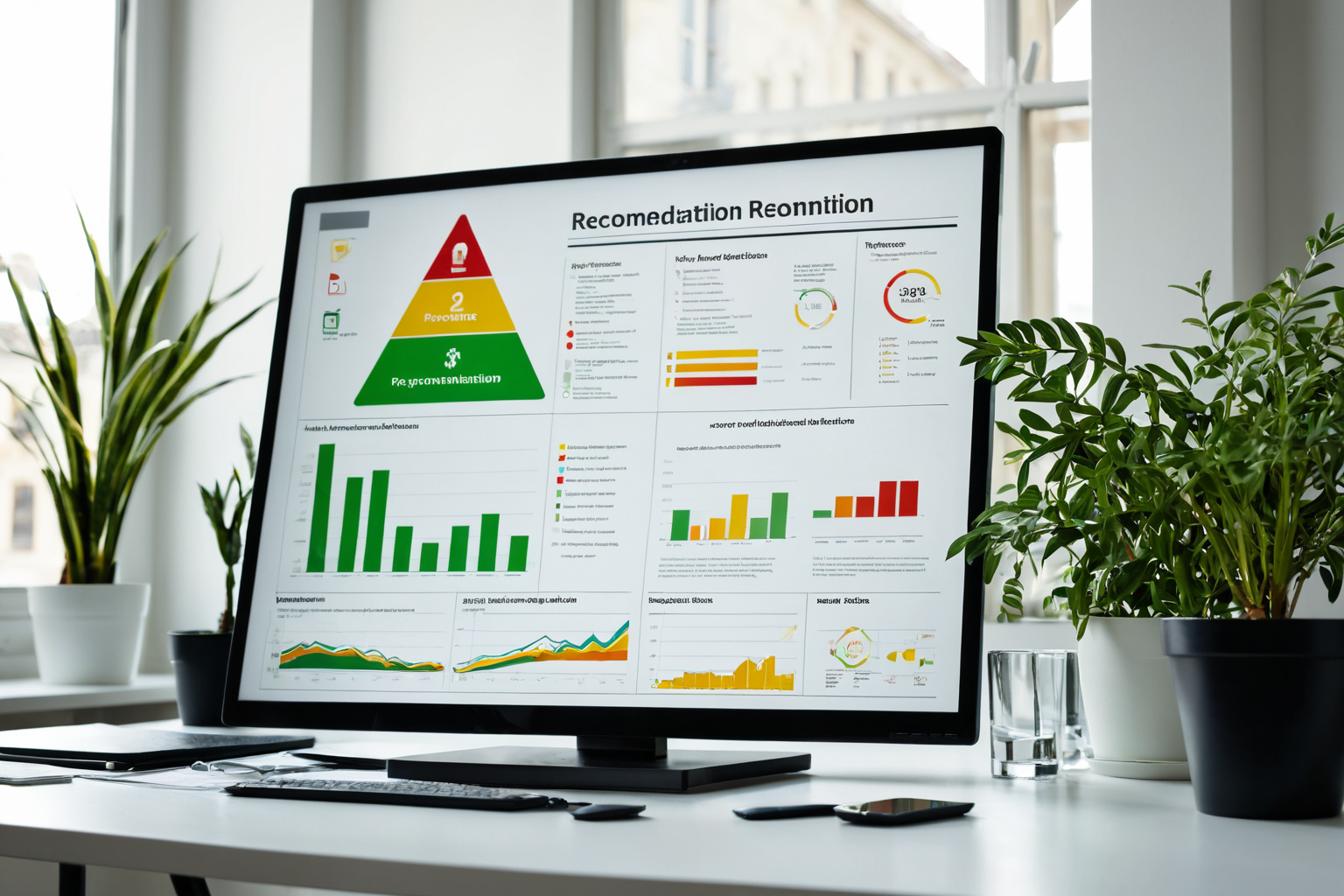
The Evolution of South Korea's Infectious Disease Response System
As of August 18, 2026, South Korea has implemented a four-tier system for infectious disease crisis management that replaces blanket social distancing and movement restrictions. This new approach allows for tailored measures while considering economic and educational impacts, marking a shift from previous one-size-fits-all policies.
The Centers for Disease Control and Prevention (KCDC) established the Infectious Disease Crisis Social Response Manual to maintain balance between public health and daily life. This manual evolved from the 2023 dismantling of the Central Disaster Management Headquarters, followed by a downward adjustment of crisis levels in May 2024 to the current system.
This approach reflects a different strategy than previous responses to diseases like MERS, showing a more sophisticated infectious disease management framework. Multiple news reports have been published since August 18, 2026, with active discussions about economic and educational impacts.
Key Details of the Infectious Disease Crisis Social Response Manual
The manual introduces a four-tier system that includes social distancing and movement restrictions while considering daily life. This design allows for flexible responses based on region and timing, moving away from previous blanket measures.
Under this system, wedding ceremonies without meals can accommodate up to 99 people, and group gatherings are limited to six people. These adjustments aim to minimize economic impact by expanding permitted activities in certain sectors of daily life.
The four-tier social distancing system was applied in the Seoul metropolitan area starting July 12, 2021, with a de facto 'shutdown' planned until July 25. Jeju Island was adjusted to tier three starting September 23, 2021, allowing up to four people for private gatherings.
Historical Evolution of the Response System
The coronavirus crisis level system evolved from the dismantling of the Central Disaster Management Headquarters in June 2023 through a downward adjustment to 'concern' level in May 2024, reaching its current form. This evolution reflects the gradual normalization of infectious disease response measures.
MERS response initially used an early containment strategy, while coronavirus response applied a coexistence approach. The KCDC is implementing four strategic initiatives for further refining the crisis management system, reflecting lessons learned from past experiences.
In August 2021, Jeju Island's application of tier four social distancing led to the suspension of operations at 12 designated beaches, while the Seoul metropolitan area remained on tier four and non-metropolitan areas on tier three. This demonstrates regional differences in response measures.
Structure of the Response System and Tiered Measures
The Infectious Disease Crisis Social Response Manual introduces a four-tier system segmented into 'recommendation → prohibition' levels, moving away from blanket social distancing to region- and situation-specific measures.
As of August 18, 2026, with multiple news reports published, the manual has implemented measures considering economic and educational impacts. For example, group gathering limits at six people reduce burdens on small businesses and school activities.
The refined infectious disease crisis management system was announced on July 15, 2026, with the KCDC presenting methods to maintain balance between public health and daily life based on lessons from past responses.
Examples of Tiered Response Implementation
From July 12, 2021, the Seoul metropolitan area implemented tier four social distancing with a de facto 'shutdown' planned until July 25. This temporary strict measure aimed to minimize economic impact.
Jeju Island was adjusted to tier three starting September 23, 2021, allowing up to four people for private gatherings. This adjustment reflects Jeju's status as a tourism hub with region-specific considerations.
On August 6, 2021, the Seoul metropolitan area remained on tier four while non-metropolitan areas operated under tier three, extending social distancing measures by two weeks based on infection spread conditions. This demonstrates how regional differences influenced response measures.
Improvements and Challenges in the Response System
The Infectious Disease Crisis Social Response Manual focuses on maintaining balance between public health and daily life, moving away from previous one-sided approaches to allow for flexible responses.
However, as of August 18, 2026, with multiple news reports published, accurately assessing and addressing economic and educational impacts remains a challenge. This indicates the need for continuous improvement in the response system.
The KCDC is implementing four strategic initiatives under its refined infectious disease crisis management plan, emphasizing differences between MERS and coronavirus response strategies. This represents a new approach based on lessons learned from past experiences.
Key Information to Verify
The Infectious Disease Crisis Social Response Manual was announced on August 18, 2026, with multiple news reports published. This reflects the sophistication of South Korea's infectious disease response system.
In tier four, wedding ceremonies without meals can accommodate up to 99 people, and group gatherings are limited to six people. These measures aim to minimize economic impact by expanding permitted activities in certain sectors of daily life.
The dismantling of the Central Disaster Management Headquarters in 2023 and the downward adjustment of crisis levels to 'concern' in 2024 reflect the gradual normalization of infectious disease response, representing development based on past experiences.
Frequently Asked Questions
Why was the Infectious Disease Crisis Social Response Manual introduced?
The manual was established to refine South Korea's infectious disease response system and maintain balance between public health measures and daily life. It moves away from previous one-size-fits-all policies toward flexible, region- and time-specific responses.
What measures are implemented in tier four?
Tier four includes social distancing and movement restrictions within the four-tier system. Wedding ceremonies without meals can accommodate up to 99 people, and group gatherings are limited to six people. These measures aim to minimize economic impact.
How has the infectious disease response system evolved?
The system evolved from the dismantling of the Central Disaster Management Headquarters in June 2023 through a downward adjustment to 'concern' level in May 2024, reaching its current form. MERS response used an early containment strategy, while coronavirus response applied a coexistence approach.
Frequently Asked Questions
The Infectious Disease Crisis Social Response Manual represents a new system focused on balancing public health with daily life. It reflects development based on past experiences and is designed for flexible responses based on region and timing.
With multiple news reports published as of August 18, 2026, measures considering economic and educational impacts are gaining attention, reflecting the gradual normalization of infectious disease response.
The infectious disease response system has continuously improved based on past experiences and will continue to develop in flexible and efficient ways in the future. This represents an important foundation for maintaining balance between public health and daily life.
You can view similar articles on this topic all at once.
View Related ArticlesFAQ
Why was the Infectious Disease Crisis Social Response Manual introduced?
The manual was established to refine South Korea's infectious disease response system and maintain balance between public health measures and daily life. It moves away from previous one-size-fits-all policies toward flexible, region- and time-specific responses.
What measures are implemented in tier four?
Tier four includes social distancing and movement restrictions within the four-tier system. Wedding ceremonies without meals can accommodate up to 99 people, and group gatherings are limited to six people. These measures aim to minimize economic impact.
How has the infectious disease response system evolved?
The system evolved from the dismantling of the Central Disaster Management Headquarters in June 2023 through a downward adjustment to 'concern' level in May 2024, reaching its current form. MERS response used an early containment strategy, while coronavirus response applied a coexistence approach.
Korean Source
This article is an English localization of a Korean-language report from BlogScore. Original: 코로나 감염병 대응 4단계 적용 기준과 주의사항