
Understanding South Korea's 2023 Harsh Penalties for Aggressive Driving
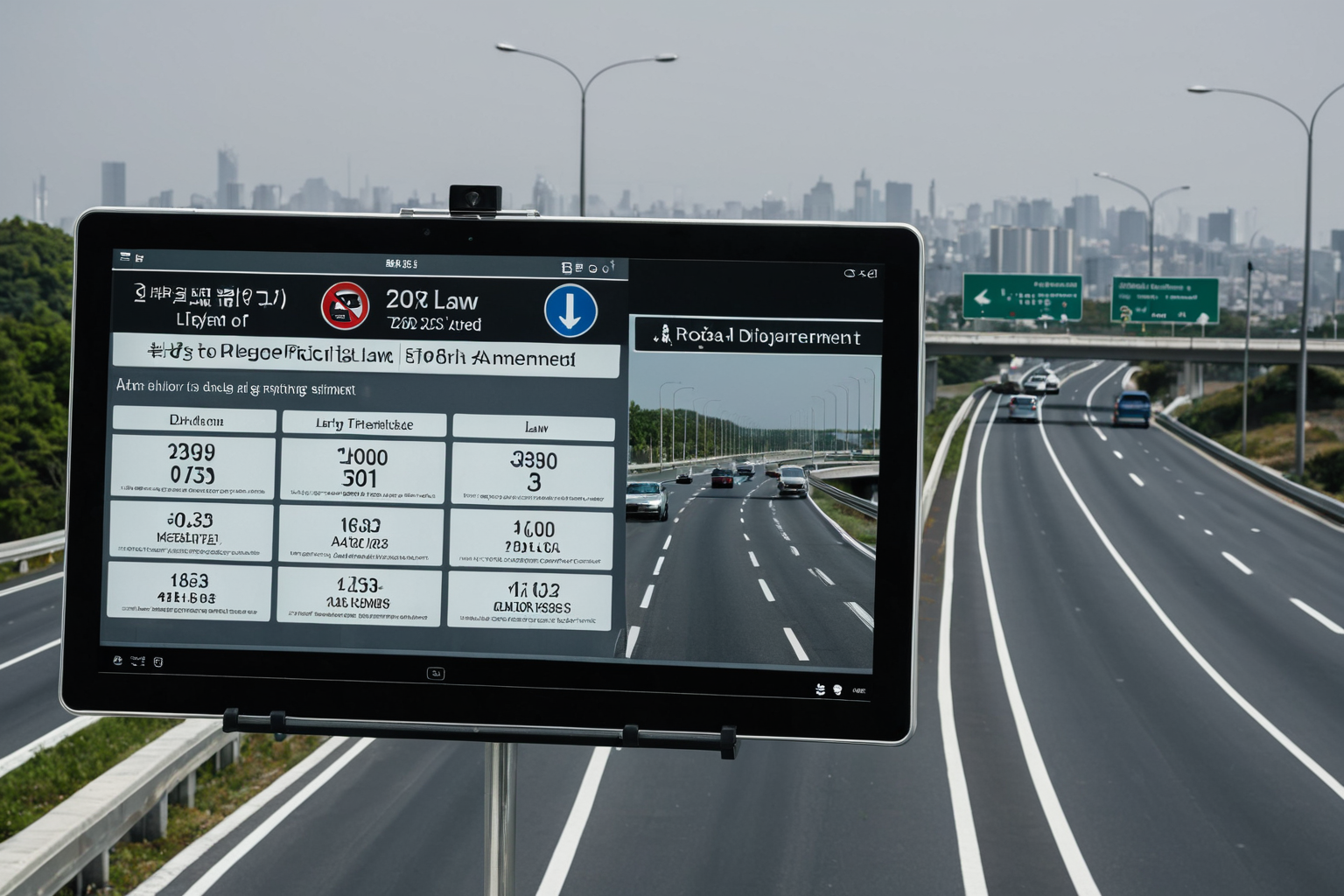
South Korea's 2023 road traffic law amendments have significantly tightened penalties for aggressive driving (난폭운전). Offenders can now face up to one year in prison or a fine of ₩5 million, and retaliatory or threatening driving may be prosecuted as aggravated intimidation even after just one instance.
Latest Aggressive Driving Penalty Guidelines
The rules regarding aggressive driving changed significantly following the February 2016 Road Traffic Act amendment. Previously considered minor infractions subject to fines, these behaviors are now explicitly classified as criminal offenses under law.
Article 136-2 of the Road Traffic Act defines aggressive driving as any maneuver that endangers others' safety—such as sudden braking, abrupt lane changes, or cutting off other vehicles. This is no longer simply a matter of poor driving habits but legally recognized dangerous behavior.
As of 2023, penalties have been clearly specified: offenders may face up to ₩5 million in fines or one year in prison, reflecting the strengthened provisions introduced through recent legal amendments.
The Legal Line Between Retaliatory and Threatening Driving
Retaliatory driving can now be prosecuted as aggravated intimidation even after a single instance. Previously, penalties for such behavior were insufficient, but the 2016 Road Traffic Act amendment clearly established this legal framework.
For example, if a driver intentionally obstructs another vehicle, it is classified as retaliatory driving and may be prosecuted under aggravated intimidation laws immediately. Courts distinguish between retaliatory driving and general aggressive driving when determining penalties.
Additional Penalties for Driving Under the Influence or Aggressive Driving with Children
If a driver operates a vehicle while intoxicated or engages in aggressive driving with children on board, they may face additional charges under child abuse laws. This will take effect starting July 10, 2026.
Driving under the influence with children present is no longer just a traffic violation but also constitutes child abuse. This reflects a legal strengthening aimed at protecting children, which has gradually become clearer since the 2016 Road Traffic Act amendment.
Sudden Lane Changes Classified as Aggressive Driving
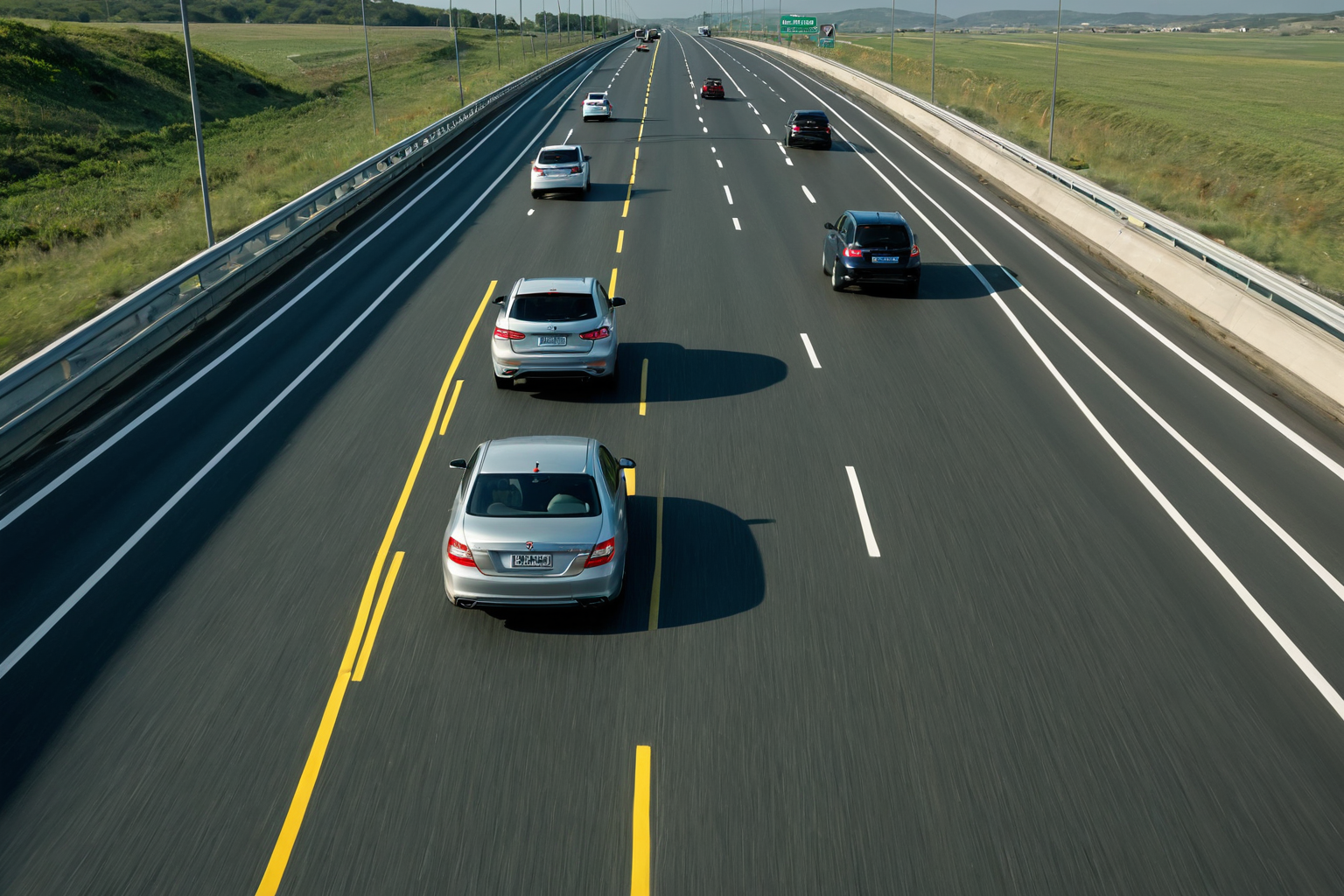
Abrupt lane changes are now classified as aggressive driving and subject to criminal penalties. This regulation has been in effect since the 2016 Road Traffic Act amendment, particularly applying to dangerous maneuvers like cutting off vehicles or sudden lane changes on highways.
Sudden lane changes are legally recognized as dangerous behavior rather than merely poor driving habits, with clear penalty guidelines established for such actions. This is part of broader efforts to prevent traffic accidents.
Recent Cases and Responses
In August 2026, a 40-year-old man was arrested after a two-hour chase following aggressive driving and road rage incidents from Suwon to Cheonan. This case demonstrates how aggressive driving is now treated as a criminal offense.
Chungnam Police conducted joint crackdowns on reckless drivers in Cheonan and Asan areas ahead of National Liberation Day, reflecting increased enforcement efforts since the Road Traffic Act amendments.
Causes and Investigation of Aggressive Driving
The main causes of aggressive driving include driver stress, negligence, and intoxication. Especially when children are on board, driving under the influence or engaging in aggressive driving results in harsher penalties.
Since the 2016 Road Traffic Act amendment, investigations into aggressive driving have been intensified, with cases involving child abuse receiving even stricter handling. This reflects both evolving societal awareness and legal reinforcement.
Aggressive driving-related fatalities are subject to enhanced penalties of up to four years and six months in prison, particularly for cases involving drunk aggressive driving. For instance, a well-known female solo singer was recently sentenced to four years and six months in prison after being found guilty of drunk aggressive driving.
Safety Tips and Response Strategies
To prevent aggressive driving, drivers should manage stress before driving, avoid alcohol consumption, and maintain safe following distances. When children are on board, absolutely no drinking while driving is permitted.
Since the Road Traffic Act amendment, enforcement and education efforts have been strengthened to prevent traffic accidents, reflecting a broader societal effort to raise awareness about aggressive driving.
Vehicles over 3.5 tons must maintain speed limit devices; failure to do so may result in license revocation—a measure aimed at enhancing safety for large vehicles.
Key Information to Verify
The 2023 aggressive driving penalty guidelines under the Road Traffic Act amendment allow for up to one year in prison or a ₩5 million fine. Retaliatory and threatening driving can be prosecuted as aggravated intimidation after just one instance.
Driving under the influence or aggressively with children on board will face additional charges under child abuse laws, effective from July 2026. Sudden lane changes are classified as aggressive driving and subject to criminal penalties—both regulations have been in effect since the 2016 Road Traffic Act amendment.
As of current reports, child abuse law applications will begin on July 10, 2026, as part of legal reinforcement measures aligned with evolving societal awareness.
Frequently Asked Questions
The penalty for aggressive driving under the amended Road Traffic Act can reach up to one year in prison or a ₩5 million fine. This is part of the strengthened provisions following the 2016 amendment.
Retaliatory and threatening driving can be prosecuted as aggravated intimidation after just one instance, a clear legal provision established since the 2016 Road Traffic Act amendment.
Driving under the influence or aggressively with children on board will face additional charges under child abuse laws, effective from July 2026.
Frequently Asked Questions
The 2023 aggressive driving penalty guidelines have been significantly strengthened under the Road Traffic Act amendment. Offenders may face up to one year in prison or a ₩5 million fine, and retaliatory or threatening driving can be prosecuted as aggravated intimidation after just one instance.
Driving under the influence or aggressively with children on board will face additional charges under child abuse laws, while sudden lane changes are classified as aggressive driving and subject to criminal penalties. Both regulations have been in effect since the 2016 Road Traffic Act amendment, with child abuse law applications set to begin July 2026.
Aggressive driving is legally recognized as a dangerous behavior rather than merely poor driving habits. Therefore, drivers must recognize their responsibility and develop safe driving practices. Since the Road Traffic Act amendment, penalties for aggressive driving have gradually become stricter, reflecting societal consensus on this issue.
You can find similar articles in one place.
View Related ArticlesFAQ
What is the penalty for aggressive driving under South Korea's 2023 road traffic law?
Offenders can face up to one year in prison or a fine of ₩5 million. This includes penalties for sudden lane changes and retaliatory driving.
Can retaliatory driving lead to criminal charges?
Yes, even a single instance of retaliatory driving can be prosecuted as aggravated intimidation under the 2016 Road Traffic Act amendment.
How does aggressive driving with children on board affect penalties?
Driving under the influence or aggressively with children present results in additional child abuse charges, effective from July 10, 2026.
Korean Source
This article is an English localization of a Korean-language report from BlogScore. Original: 2023 난폭운전 처벌 기준: 벌금, 형사처분, 주의사항