
Understanding the Difference Between Solar and Lunar Eclipses
The Definitions of Solar and Lunar Eclipses
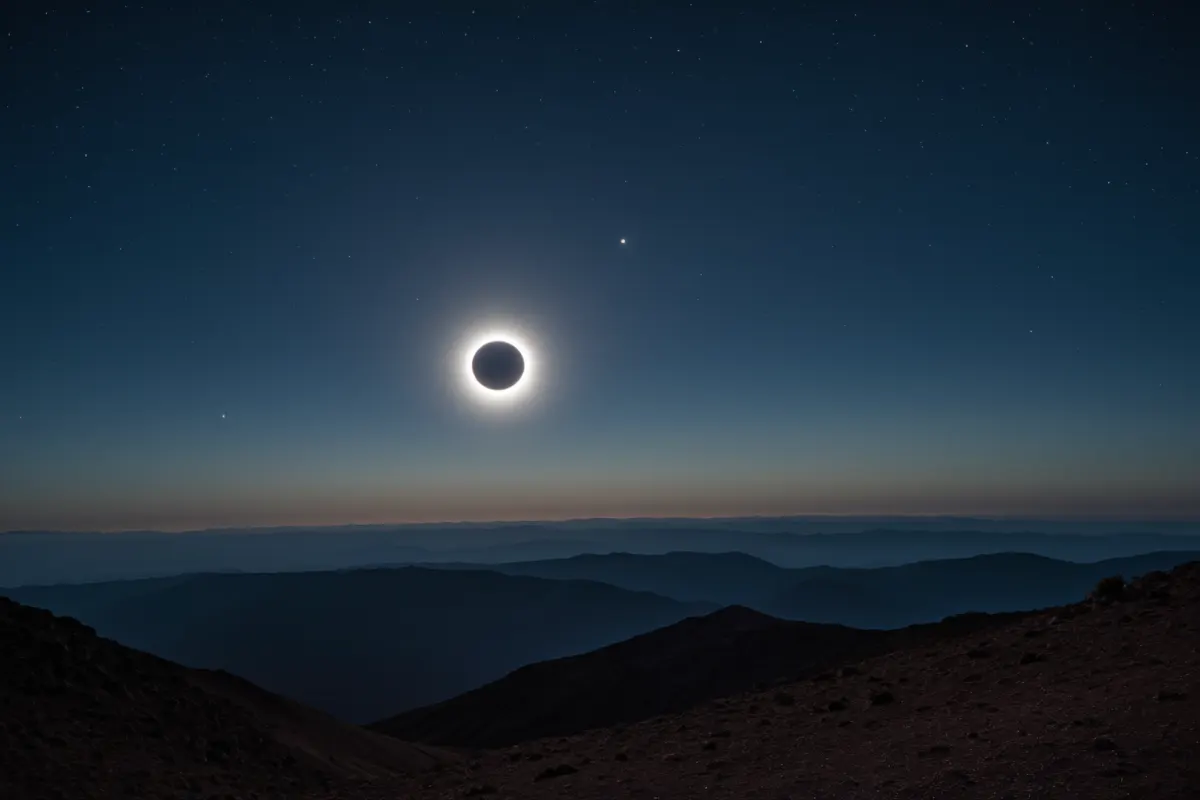
A total solar eclipse occurs when the Moon passes between the Earth and the Sun, blocking the Sun's light. A total lunar eclipse happens when the Moon moves into the Earth's shadow. These two astronomical events occur due to different positional relationships and have distinct characteristics and observation times.
Key Differences Between Solar and Lunar Eclipses
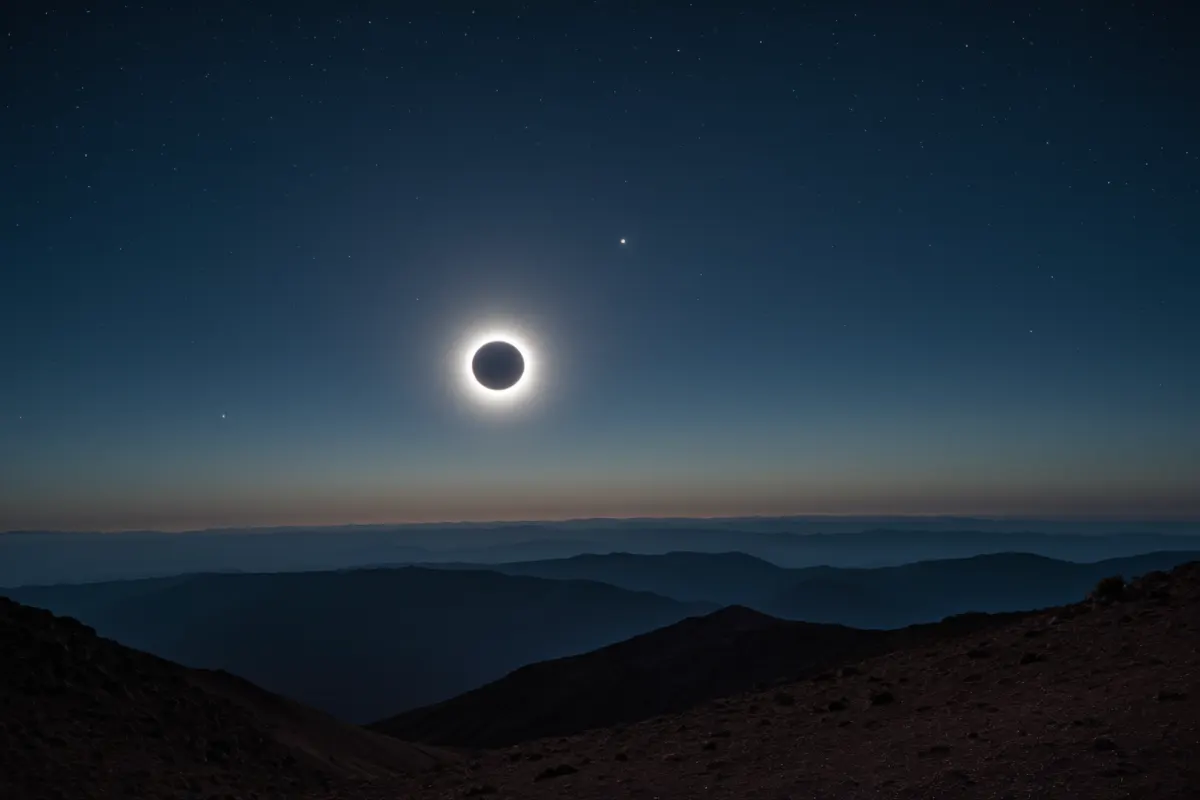
A total solar eclipse refers to the moment when the Sun is completely obscured by the Moon. From Earth, the Moon appears to block the Sun, causing temporary darkness in the surrounding area. The maximum duration of a total solar eclipse is about 2 minutes, making it a brief event that can only be observed for a short time.
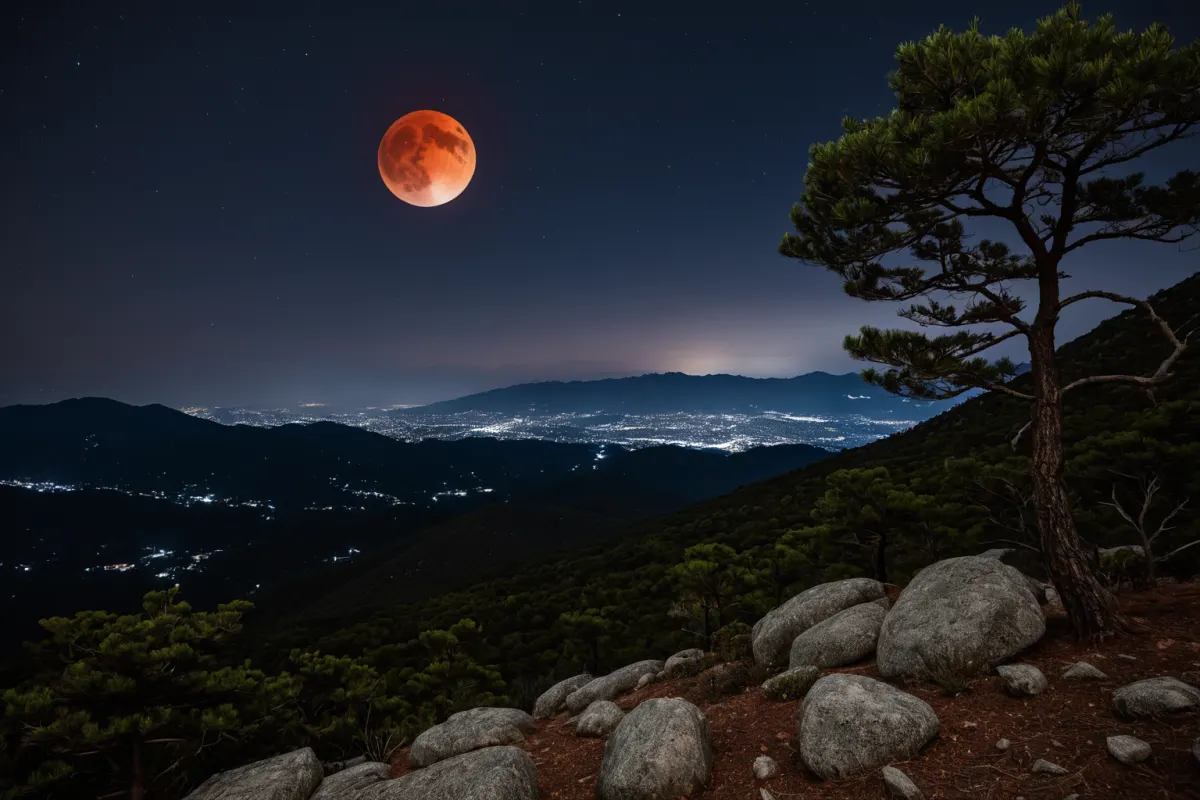
In contrast, a total lunar eclipse occurs when the Moon enters the Earth's shadow. During this time, the Moon often appears red—a phenomenon known as a 'blood moon.' This happens because sunlight passes through Earth's atmosphere, where blue light scatters and only red light reaches the Moon.
Historical Observations of Lunar Eclipses
On January 31, 2018, a total lunar eclipse occurred alongside a supermoon and a blue moon—a rare combination not seen for 35 years. The Moon appeared red as it entered Earth's shadow.
The next total lunar eclipse is scheduled for September 7-8, 2025, which is one of the most common types of eclipses. Viewers in accessible regions can witness the Moon entering Earth's shadow while glowing with a reddish hue.
Upcoming Dates for Solar and Lunar Eclipses
A total lunar eclipse will occur on March 3, 2026, coinciding with the Korean traditional festival of Daeboreum (the first full moon of the lunar new year). During this time, the Moon will enter Earth's shadow and display a 'blood moon' effect. The peak moment is expected at 7:54 a.m., though local observation times may vary slightly.
On the other hand, a total solar eclipse is predicted for August 13, 2026. During this event, the Sun will be obscured by the Moon, creating temporary darkness. However, because total solar eclipses last only about two minutes, they are challenging to observe.
Scientific Explanation of the Blood Moon Phenomenon
The red appearance of the Moon during a total lunar eclipse is caused by sunlight passing through Earth's atmosphere. Blue light scatters in the atmosphere, while red light reaches the Moon, creating this distinctive reddish glow.
This phenomenon is scientifically explained by atmospheric scattering. When sunlight passes through Earth's atmosphere, shorter-wavelength blue light scatters more easily, leaving longer-wavelength red light to illuminate the Moon.
Observing Locations and Times
Total lunar eclipses are visible from specific regions; for example, the September 8, 2025, eclipse will be observable in parts of Asia and North America. Viewers can see the Moon entering Earth's shadow while appearing reddish.
The March 3, 2026, total lunar eclipse is also visible from East Asia and parts of North America. Because it coincides with Daeboreum (the first full moon of the lunar new year), this event holds cultural significance in East Asian countries, adding to its appeal for observers.
Safety Information for Observing Eclipses
When observing a solar eclipse, it is essential to use proper solar viewing glasses or specialized filters. Looking directly at the Sun without protection can cause serious eye damage.
In contrast, lunar eclipses involve only observing the Moon's light, so no special safety equipment is required. However, when observing outdoors, it is important to be mindful of your surroundings for general safety.
Related Astronomical Phenomena
Total solar and lunar eclipses are part of a broader category of astronomical events. Other types include partial solar or lunar eclipses, where the Sun or Moon isn't fully obscured.
Additionally, supermoons and blue moons—phenomena related to the Moon's orbital position—can coincide with total lunar eclipses. For instance, on January 31, 2018, a combination of these events was observed.
Upcoming Lunar Eclipse Dates and Viewing Tips
The total lunar eclipses scheduled for September 8, 2025, and March 3, 2026, will be primarily visible in Asia and North America. During these events, the Moon will enter Earth's shadow while appearing reddish.
For optimal viewing, find a comfortable outdoor spot to look at the Moon. The March 3, 2026, eclipse is particularly special as it coincides with Daeboreum, enhancing both its astronomical and cultural significance.
How to Observe a Solar Eclipse Safely
Directly viewing the Sun during a solar eclipse is dangerous. Always use specialized solar filters or eclipse glasses. Some regions host public viewing events guided by experts for safer observation.
Because total solar eclipses are brief—lasting only about two minutes—it's important to prepare in advance. For example, the August 13, 2026, event will last approximately two minutes, so being ready ensures you don't miss it.
Cultural Significance of Lunar Eclipses
Throughout history, total lunar eclipses have been viewed as mysterious phenomena in many cultures. Some communities regarded the 'blood moon' as a sacred or significant event and performed rituals around it.
The March 3, 2026, eclipse coinciding with Daeboreum will draw extra attention in East Asia, including Korea. This event combines astronomical interest with cultural tradition, making it more than just a scientific observation.
Frequently Asked Questions
How can I tell the difference between a solar and lunar eclipse?
A total solar eclipse happens when the Moon blocks the Sun from Earth's perspective, while a total lunar eclipse occurs when the Moon enters Earth's shadow. For safety, avoid looking directly at a solar eclipse without proper filters; during a lunar eclipse, you can safely observe the red glow of the Moon.
Why does the Moon appear red during a lunar eclipse?
The 'blood moon' effect occurs because sunlight passes through Earth's atmosphere. Blue light scatters away, leaving only red light to reach the Moon.
What should I be careful about when observing a solar eclipse?
Always use certified solar viewing glasses or filters during a solar eclipse. Looking directly at the Sun can cause permanent eye damage.
Frequently Asked Questions
Total solar and lunar eclipses are astronomical events caused by the alignment of Earth, Moon, and Sun. A total solar eclipse occurs when the Moon blocks the Sun, while a total lunar eclipse happens when the Moon enters Earth's shadow. Upcoming events include a total lunar eclipse on September 8, 2025, and March 3, 2026, both featuring the 'blood moon' effect. Observers should be aware of safety precautions for solar eclipses and consider cultural contexts like Daeboreum when planning to view these events.
You can explore more articles on similar topics here.
View Related ArticlesFAQ
How can I tell the difference between a solar and lunar eclipse?
A total solar eclipse happens when the Moon blocks the Sun from Earth's perspective, while a total lunar eclipse occurs when the Moon enters Earth's shadow. For safety, avoid looking directly at a solar eclipse without proper filters; during a lunar eclipse, you can safely observe the red glow of the Moon.
Why does the Moon appear red during a lunar eclipse?
The 'blood moon' effect occurs because sunlight passes through Earth's atmosphere. Blue light scatters away, leaving only red light to reach the Moon.
What should I be careful about when observing a solar eclipse?
Always use certified solar viewing glasses or filters during a solar eclipse. Looking directly at the Sun can cause permanent eye damage.
Korean Source
This article is an English localization of a Korean-language report from BlogScore. Original: 개기일식과 개기월식의 차이점 알아보기