
Understanding the Shamans' Ritual Space: Meaning and Role Explained
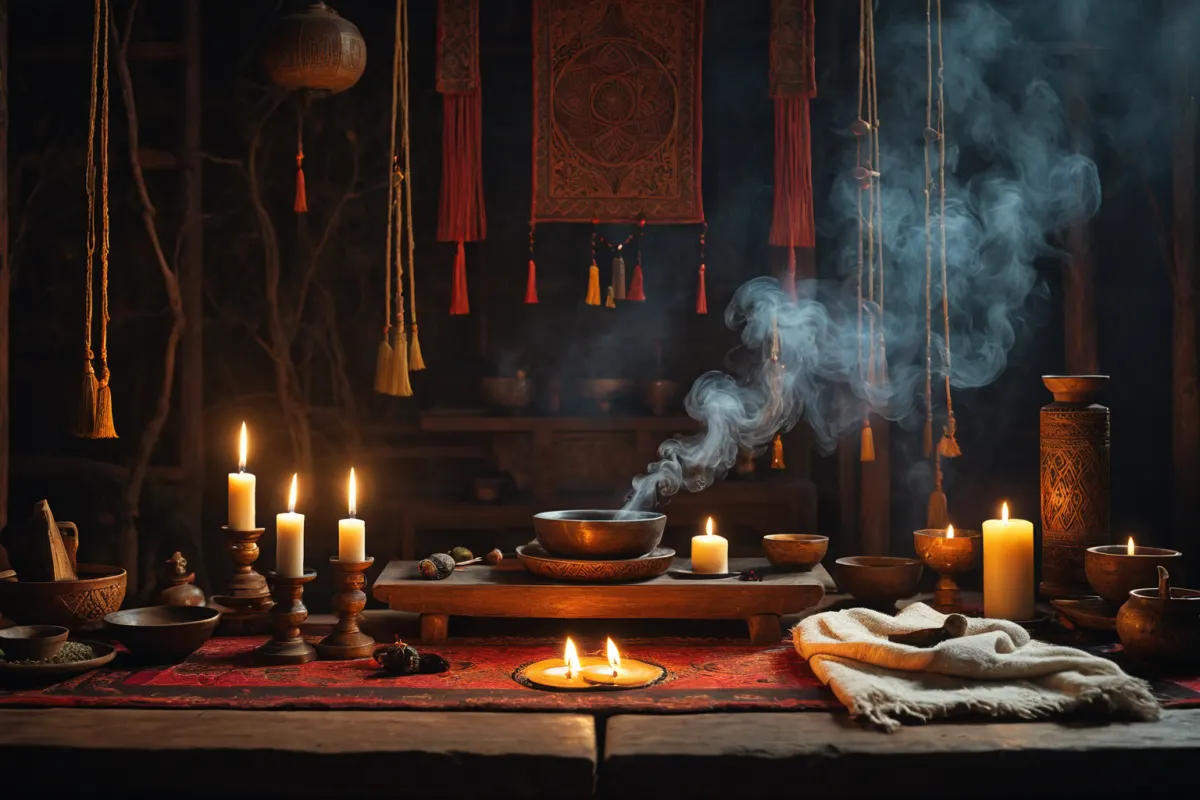
The Shamans' Ritual Space (샤먼 미신전) serves as the central area for shamans during rituals, differing from simple shrines or decorative structures. It functions as a symbolic bridge between the divine and human realms, with its form and purpose varying based on regional traditions and shamanic practices.
Though the term may seem unfamiliar at first, the key is understanding it as the designated space for rituals. Its meaning lies more in how it's used within specific contexts than in architectural details.
The Fundamental Meaning of Shamans' Ritual Spaces
Shamans' ritual spaces are where shamans communicate with deities and conduct ceremonies. While they may resemble religious facilities, they differ from conventional worship halls as their design strongly reflects specific rituals or intentions.
Depending on the region, these spaces can take the form of small altars or rooms housing deity statues. The key is recognizing that it's a space designated for ritual purposes, not its physical size.
Find more articles on similar topics in one place.
View Related ArticlesThe Relationship Between Shamans and Their Space
Shamans have traditionally been seen as mediators within communities, addressing issues like illness, misfortune, or ancestral matters that are difficult to explain. The ritual space is where this role becomes tangible.
For example, when someone seeks to cleanse negative energy in their home or pray before an important event, shamans conduct specific procedures. Here, the space isn't just a backdrop but enhances focus during rituals.
Components of a Ritual Space
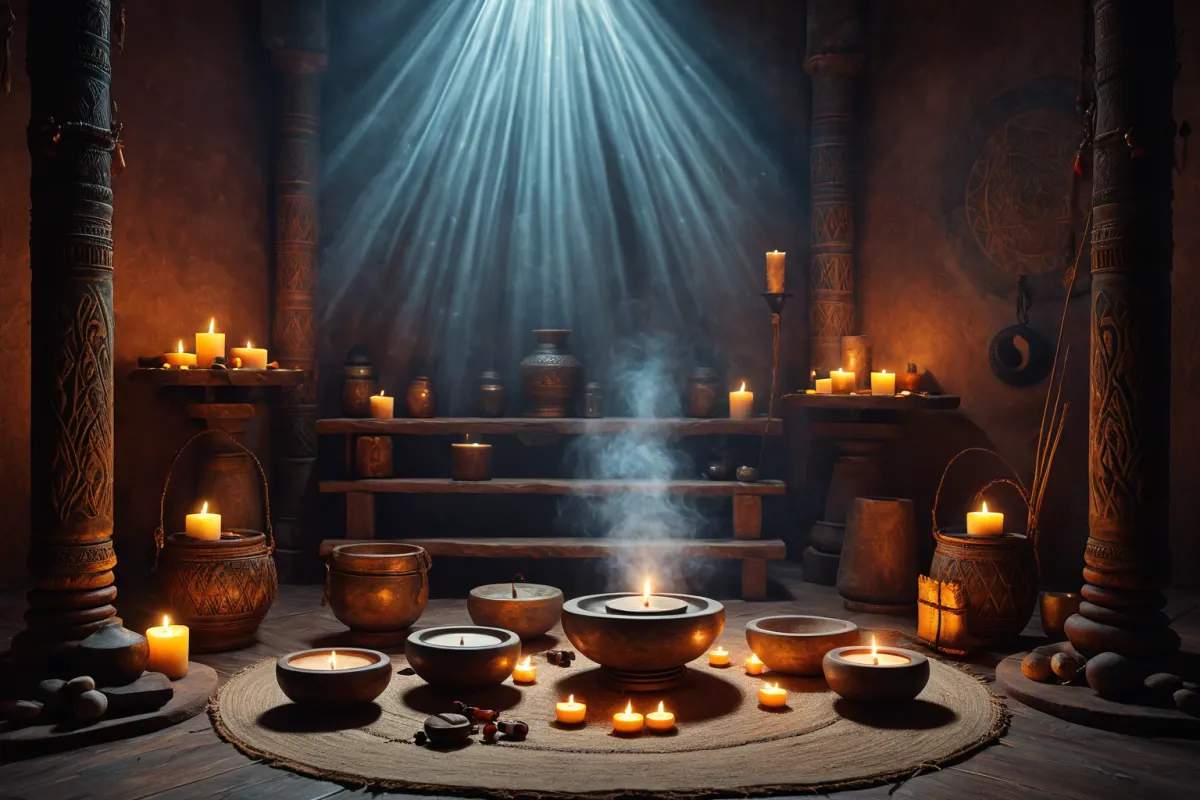
Shamans' ritual spaces often feature items symbolizing deities, offerings, and ritual tools like drums or bells. While these elements vary by tradition and region, they all serve to emphasize sacredness.
Not all decorations carry the same meaning. Some places prioritize neatness over ornateness, while others use color and symbolism to express divine presence.
Why People Visit Shamans' Ritual Spaces
People visit these spaces for diverse reasons—addressing health concerns, relationship conflicts, business decisions, or household misfortunes. They seek ritual solutions to life's complex problems.
Many visit before making important decisions to clarify their thoughts. Rather than viewing the space as a direct solution provider, it's seen as a place to organize anxieties and assign meaning.
Variations Across Regional Traditions
The appearance of shamans' ritual spaces isn't fixed; it varies by region. How deities are worshipped, ritual procedures, and offerings differ, and even places with the same name may serve different purposes and atmospheres.
For instance, some spaces emphasize community connection while others focus on individual or family prayers. Understanding requires context beyond just visual appearance.
What to Notice When Visiting
When visiting for the first time or reviewing materials, pay attention to a few key points: who manages the space, what rituals are conducted, which deity is honored, and its relationship with the local community.
- Determine if it's for personal or communal use
- Identify whether the ritual purpose is prayer, healing, or purification
- Focus on actual usage rather than decorations
For example, during a home harmony ritual, the ceremony and symbols matter more than altar size. For community events, observe if multiple people participate regularly.
Cultural Understanding Considerations
Shamans' ritual spaces should be viewed not as mere curiosities but as living expressions of long-standing beliefs and cultural practices. When encountering them through photos or videos, consider their deeper meaning beyond surface decorations.
Regional traditions are complex and cannot be easily judged by external standards. Even if they appear similar at first glance, the underlying belief systems and ritual purposes may differ significantly.
Understanding Through Examples
Consider a family feeling anxious about moving or starting a business. In a shamans' ritual space, they might organize the area, arrange symbolic items, and conduct specific rituals to find inner calm.
For community events, collective prayers for well-being may take place. Here, the ritual space serves not just personal wishes but also strengthens social bonds and community spirit.
Additional Information on Shamans' Ritual Spaces
Understanding these spaces requires recognizing that religion, folklore, and local culture intersect. Viewing them through a single lens can lead to misunderstandings; considering cultural context helps appreciate their natural role.
While the term 'superstition' often carries negative connotations, in reality, it represents an integral part of community life where anxieties and hopes meet ritual symbolism. When learning about these spaces, focus on function and context rather than names.
FAQ
Q1. Is a Shamans' Ritual Space similar to a temple?
A. Not exactly. Temples are Buddhist worship spaces, while shamans' ritual spaces are for shamanic ceremonies rooted in folk beliefs.
Q2. Do all Shamans' Ritual Spaces look the same?
A. No. Their size, structure, and deities honored vary by region, tradition, and management style.
Q3. What's most important for beginners to understand?
A. Focus on why rituals happen rather than how the space looks. Understanding this purpose clarifies their significance.
For the latest operational details or regional traditions, consult local resources or relevant institutions.
Continue exploring similar topics.
View Category ArticlesFAQ
Is a Shamans' Ritual Space similar to a temple?
Not exactly. Temples are Buddhist worship spaces, while shamans' ritual spaces are for shamanic ceremonies rooted in folk beliefs.
Do all Shamans' Ritual Spaces look the same?
No. Their size, structure, and deities honored vary by region, tradition, and management style.
What's most important for beginners to understand?
Focus on why rituals happen rather than how the space looks. Understanding this purpose clarifies their significance.
Korean Source
This article is an English localization of a Korean-language report from BlogScore. Original: 샤먼 미신전 기본정보: 의미와 역할부터 알아보기