
Understanding Seoul's Fire Safety Investigation Process for Building Owners
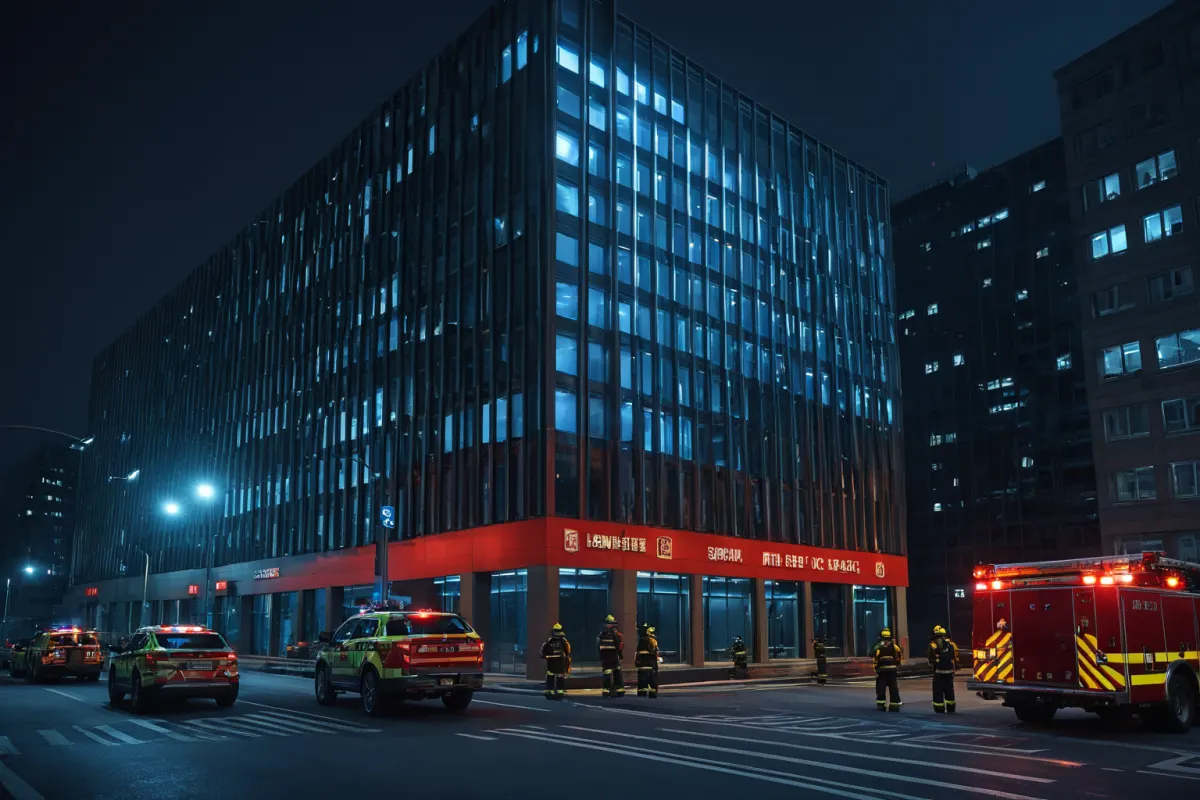
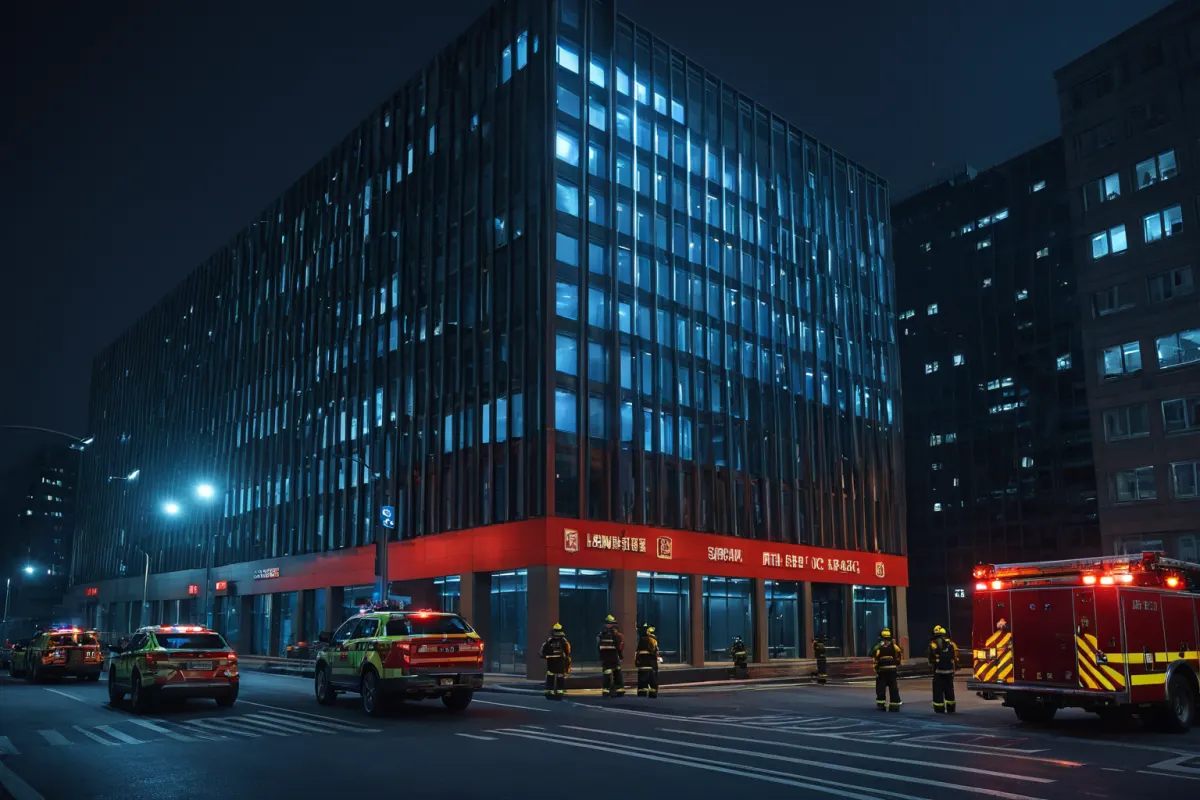
Seoul's Fire Safety Investigation is a process designed to identify potential fire hazards in buildings and, if necessary, implement corrective measures. Unlike simple on-site checks that conclude immediately, this procedure often involves follow-up requests for improvements.
Building owners and managers frequently ask: "Who is targeted? Will I be notified beforehand? What should I prepare?" The process varies depending on the investigation's purpose and target type, so understanding it in advance helps avoid surprises.
Target Facilities for Seoul Fire Safety Investigations
Seoul does not randomly inspect all buildings. Instead, investigations focus on facilities with higher fire risks or potential for significant casualties, such as public gathering spaces, retail stores, accommodations, medical facilities, elderly care centers, factories, and underground areas where evacuation could be complex.
Investigations may also target facilities based on recent complaints, fire history, abnormal signs in fire equipment, or inspection results. Even within the same industry, a building's structure and maintenance status can determine whether it is selected for investigation.
For example, an 8-story office building might be inspected if emergency lighting frequently fails or fire doors are permanently fixed. Conversely, well-maintained small facilities may not be prioritized.
You can view more articles on similar topics in one place.
View Related ArticlesHow Investigations Are Conducted
Inspections typically occur after prior notice, but may also happen without warning in urgent cases. On-site, fire safety officials or investigators examine building structures and facility conditions, ask questions of relevant personnel, and review necessary documents.
Key areas checked include fire extinguishers, automatic fire detection systems, sprinklers, emergency broadcasts, smoke extraction systems, evacuation routes, and the availability of emergency exits. Larger or multi-use facilities may also be inspected for fire barriers, shutters, electrical rooms, and mechanical spaces where fires could spread.
Photographs and records may be taken on-site, and if issues are found, simple guidance is often followed by a request for corrective action. It's important to note the required timeframe and details of any corrections needed rather than simply accepting verbal instructions.
Documents to Prepare Before an Inspection
To prepare for an inspection, organize basic building information and fire safety maintenance records. Having documents such as fire inspection reports, self-check records, repair histories, fire equipment service contracts, and floor plans can make explanations at the site much smoother.
Owners often worry about what happens if they don't have these documents, but the key is being able to clearly explain the actual condition of facilities. Missing documentation may suggest poor management practices, which could be disadvantageous during an inspection.
For example, if emergency exits in a basement storage area are frequently blocked by items, it's helpful to keep photos documenting the issue and post-correction verification. These records can aid in explaining the situation during inspections.
Common Issues Found During Inspections
Inspections often reveal basic issues that seem overlooked. Typical findings include blocked emergency exits, malfunctioning fire door closers, expired fire extinguishers, non-working exit signs, and obstructions around detectors.
Businesses frequently block doors for convenience or stack boxes in front of storage areas, which can hinder evacuation and firefighting during emergencies—though these issues may not seem significant daily.
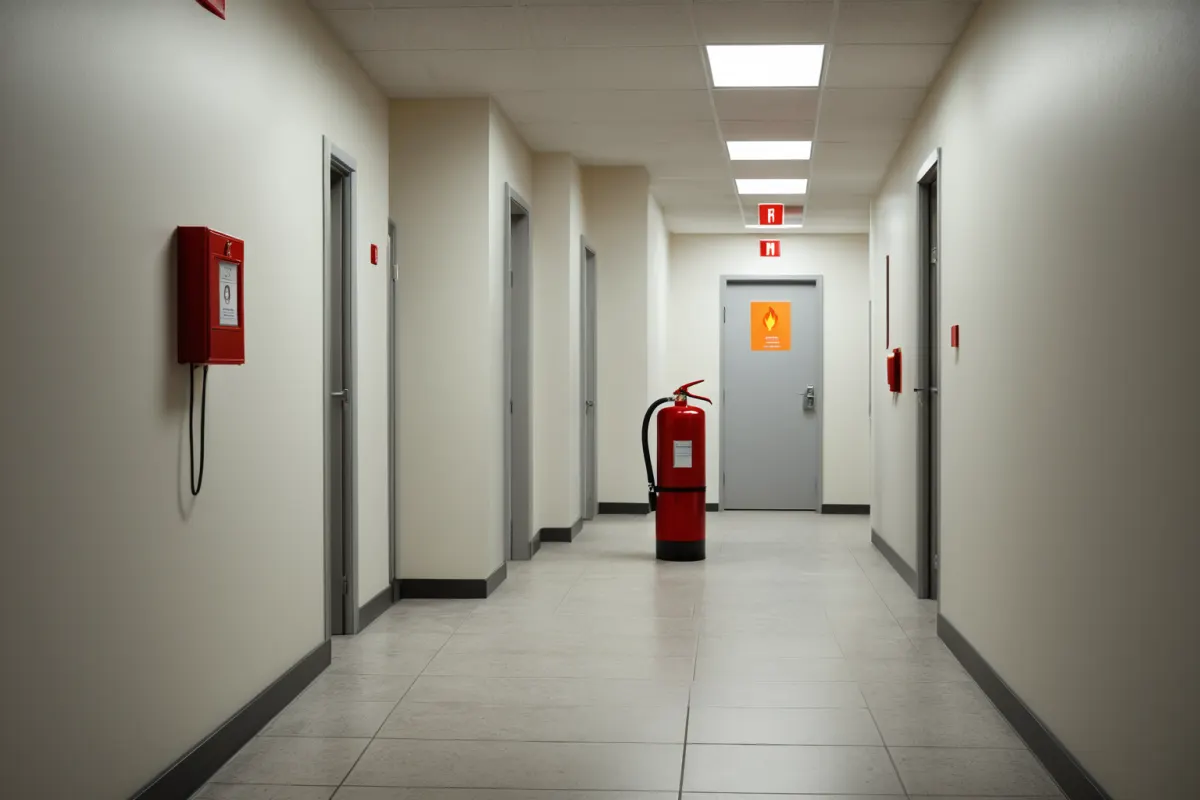
In a mixed-use building like a cafe combined with a school, the flow of customers and evacuation routes might overlap, leading to careful checks of signage and emergency exit locations. Having one manager walk through the daily path to identify blockages can reduce on-site issues.
Corrective Actions After Inspection
If problems are identified during an inspection, you may receive immediate instructions for improvement or a specified timeframe for corrections. It's crucial to document exactly what needs fixing and by when.
Simple fixes like clearing blocked exits or replacing fire extinguishers can be done immediately with photo evidence of before-and-after conditions. More complex structural changes may require more time, so coordination with the responsible official is necessary.
If improvements are delayed, re-inspections or additional administrative actions could follow, so it's advisable to keep notes and plan a timeline after an inspection. For multi-story buildings, assigning specific staff per floor can help prevent oversight.
Quick Self-Checks Before an Inspection
To prepare for an investigation, consider conducting these basic checks:
- Ensure no items are blocking emergency exits or corridors
- Verify fire extinguishers are within normal pressure ranges
- Confirm exit signs and emergency lighting function properly
- Check that fire doors automatically close
- Make sure evacuation maps are clearly visible
Completing these steps can significantly reduce on-site issues. Small businesses, which often lack dedicated managers, should have the owner or manager conduct these checks monthly—just five minutes at the end of each day in a two-story office space could make a big difference during inspections.
Misunderstandings About Fire Safety Investigations
A common confusion is between "inspections" and "investigations." Inspections are routine maintenance-focused checks, whereas investigations aim to identify hazards and require corrective actions—making them more direct in nature.
Another point of confusion: Not receiving prior notice doesn't mean you're safe. Facilities with high fire risks or repeated complaints may be inspected without warning, so consistent daily management is key.
Finally, minor issues like permanently fixed fire doors or blocked evacuation routes might seem insignificant but can lead to major violations. These seemingly small problems are often the most critical during inspections.
FAQ
Q. Which buildings are typically targeted for Seoul's Fire Safety Investigations?
A. Public gathering spaces, accommodations, medical facilities, underground areas, and factories with higher fire risks or evacuation challenges are primary targets.
Q. Will I be notified before an inspection?
A. Notifications may occur depending on the situation, but urgent cases might proceed without prior notice.
Q. Will a fine be issued immediately after being cited?
A. Fines are not always immediate; corrective actions are usually requested first. However, serious violations or lack of compliance could lead to additional measures later.
Ultimately, Seoul's Fire Safety Investigation process is about verifying whether regular maintenance and management practices are in place. On-site conditions matter more than complex explanations, so starting with emergency exits and fire safety equipment can make the process much smoother.
Please note that specific investigation criteria may vary by time and facility type; always check official notices and contact relevant authorities for the most current guidance before responding to an inspection.
Continue exploring similar topics.
Browse Category ArticlesFAQ
Which buildings are typically targeted for Seoul's Fire Safety Investigations?
Public gathering spaces, accommodations, medical facilities, underground areas, and factories with higher fire risks or evacuation challenges are primary targets.
Will I be notified before an inspection?
Notifications may occur depending on the situation, but urgent cases might proceed without prior notice.
Will a fine be issued immediately after being cited?
Fines are not always immediate; corrective actions are usually requested first. However, serious violations or lack of compliance could lead to additional measures later.
Korean Source
This article is an English localization of a Korean-language report from BlogScore. Original: 서울시 화재안전조사 대상과 절차는 어떻게 진행되나요