
Understanding Rangnick's Tactical Style: How It Operates in Matches
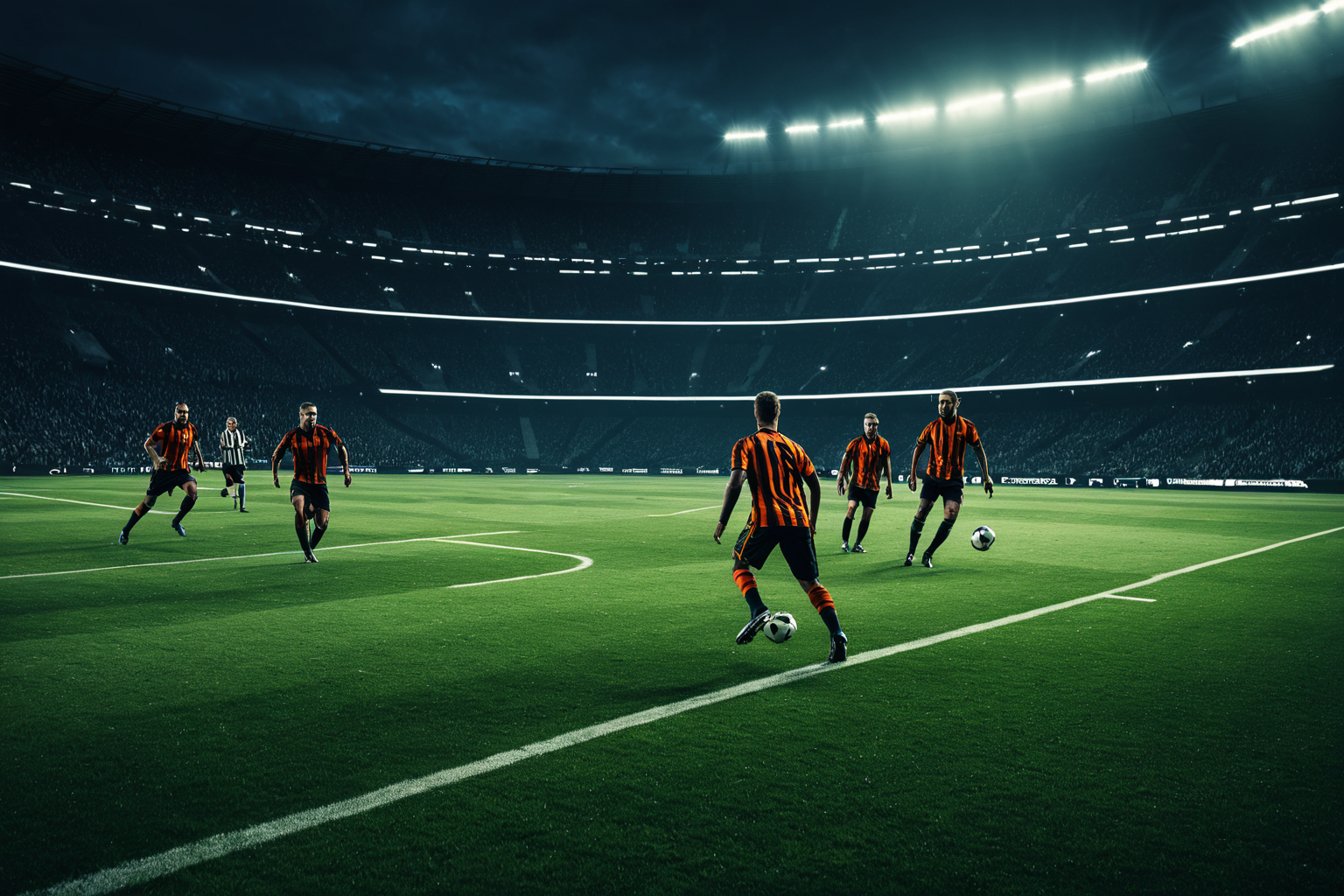
Rangnick's tactical style can be summarized as prioritizing defensive stability first, followed by quick transitions to strike opponents. Instead of maintaining long possession, it minimizes risky zones and connects defense to attack in one fluid movement to create decisive moments.
This is why Rangnick's teams often avoid flashy ball control, favoring efficient progressions that evade opponent pressure. While each match may vary slightly, the core approach remains clear: build a solid defensive structure before advancing, then strike decisively when opportunities arise without overextending lines.
Defensive Stability as the Foundation
Rangnick's tactical foundation lies in tightly controlling the center of the pitch. Opponents find it difficult to penetrate near the penalty area due to well-managed spacing and a compact gap between defenders and midfielders.
These teams don't recklessly push forward. Instead, they maintain their defensive block before immediately delivering forward passes upon regaining possession. While matches may sometimes feel stagnant, this approach significantly reduces the risk of conceding goals.
For example, when opponents attempt to work the ball wide, Rangnick's teams often first cut off central penetration and guide play outward. Then, as the ball slows down, they apply pressure to regain possession.
You can find more articles on similar topics here.
View Related ArticlesQuick Transitions as the Key to Attack
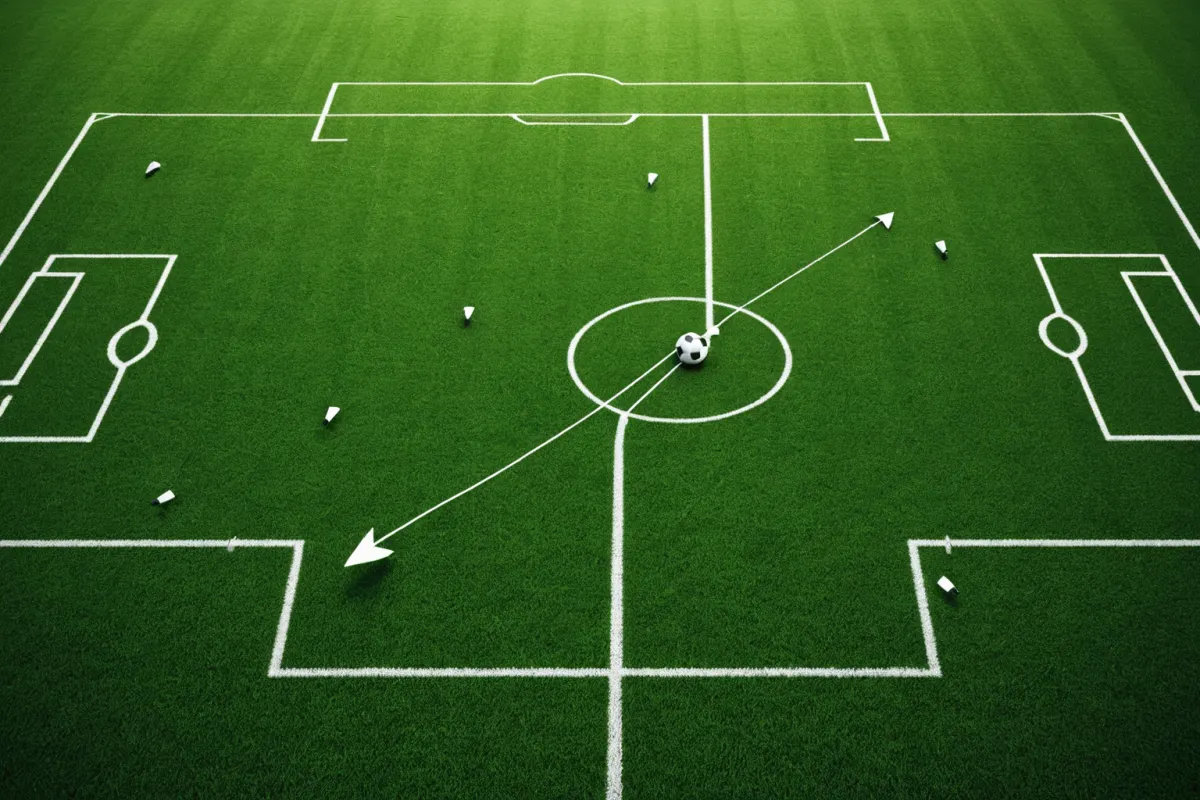
Movement after gaining possession is quite direct. Rather than slowly drawing opponents out with multiple short passes, Rangnick's teams emphasize the direction and speed of the first pass. This often results in long or diagonal transitions.
In Rangnick's system, side players and forward targets play crucial roles. After opening space on the flank, they quickly connect to central areas or behind defenders to create numerical advantages. Even if passes don't flow seamlessly, teams frequently continue attacks by winning back possession for a second ball.
While this style may appear simple in attack progression, it requires well-prepared execution. Successful transitions depend on precise positioning of receiving players, timing of runs, and balanced support from behind to avoid disruption.
Role Allocation Over Formation
When explaining Rangnick's tactics, focusing solely on formations like 4-3-3 or 4-2-3-1 misses the point. In reality, role allocation across positions matters more than the formation itself.
For instance, defensive midfielders often serve as safe distributors rather than mere connectors when under pressure. Fullbacks don't necessarily advance aggressively but adjust their positioning based on the situation to balance attack and defense. Central midfielders manage tempo by moving between attack and defense.
Forwards frequently combine with one player dropping deep for connection while another targets space behind defenders. Compared to teams where all attackers share similar roles, Rangnick's approach emphasizes clear responsibilities across the front line.
When Rangnick's System Shines
On days when Rangnick's tactics align well with opponents' style, it becomes difficult for rivals to create decisive chances even while maintaining possession. Conversely, Rangnick's teams often connect shots despite fewer attacking opportunities.
Common examples include quickly striking forward after regaining the ball in defense, progressing through side play to reach penalty areas within a few passes, and demonstrating presence during set pieces. Even when match flow seems unbalanced, one decisive transition can shift momentum rapidly.
However, this style can become frustrating if opponents sit deep defensively. Since Rangnick's system isn't built around prolonged possession to create space but rather exploits open areas efficiently, it struggles against teams that compact their shape deeply.
Real-World Examples of Tactical Characteristics
Rangnick's teams displayed some variation in style depending on circumstances, but clear patterns emerged. The focus was consistently reducing unnecessary risks during buildup while maximizing transition speed to improve attacking efficiency.
For example, when opponents applied strong pressing forward, Rangnick's teams didn't stubbornly stick to short passes but made bold long passes to neutralize pressure. Conversely, they quickly advanced before defenders could organize to exploit numerical advantages. The faster these decisions were made, the more effectively Rangnick's system worked.
When watching matches, three elements help understand this approach: First, whether the first pass after regaining possession moves forward; second, whether there are movements cutting in from wide areas toward center; third, whether defensive lines push too high without caution.
Key Points to Understand Rangnick's Style
Rangnick's tactics aren't about aesthetically pleasing possession-based football but rather efficient real-world execution. While match content may sometimes seem monotonous, the fundamental structure of the team remains clear.
Especially when a coach has a clear vision for their style, individual player roles become crucial. Even with the same system, how well players execute specific responsibilities—such as who handles defensive transitions or who initiates play upon regaining possession—affects the overall feel significantly. Rangnick's approach works most smoothly when role distinctions are clearly defined.
For viewers who find tactics confusing in football matches, watching Rangnick's teams highlights what happens immediately after regaining possession rather than how long they hold the ball. This moment represents the core of his tactical philosophy.
FAQ
Q1. What is the most distinctive feature of Rangnick's tactical style?
A. Prioritizing defensive stability before creating scoring opportunities through quick transitions. It emphasizes efficiency over possession percentage.
Q2. Is Rangnick's style an attacking approach?
A. Not inherently aggressive, but teams often create clear chances quickly after regaining the ball. This makes attack moments stand out clearly in matches.
Q3. What should beginners look for during a match?
A. Focus on the first pass after regaining possession, speed of side-to-center transitions, and spacing between defensive lines to understand Rangnick's tactical direction.
Note: Team tactics may vary depending on coaching staff and player composition, so checking recent match data provides the most accurate picture of current operations.
Continue exploring similar topics through other articles.
View Category ArticlesFAQ
What is the most distinctive feature of Rangnick's tactical style?
Prioritizing defensive stability before creating scoring opportunities through quick transitions. It emphasizes efficiency over possession percentage.
Is Rangnick's style an attacking approach?
Not inherently aggressive, but teams often create clear chances quickly after regaining the ball. This makes attack moments stand out clearly in matches.
What should beginners look for during a match?
Focus on the first pass after regaining possession, speed of side-to-center transitions, and spacing between defensive lines to understand Rangnick's tactical direction.
Korean Source
This article is an English localization of a Korean-language report from BlogScore. Original: 론알트쿠만 전술 스타일, 어떤 경기 운영이었나