
Understanding Psychiatric Hospital Admission: Criteria, Process, and What to Prepare
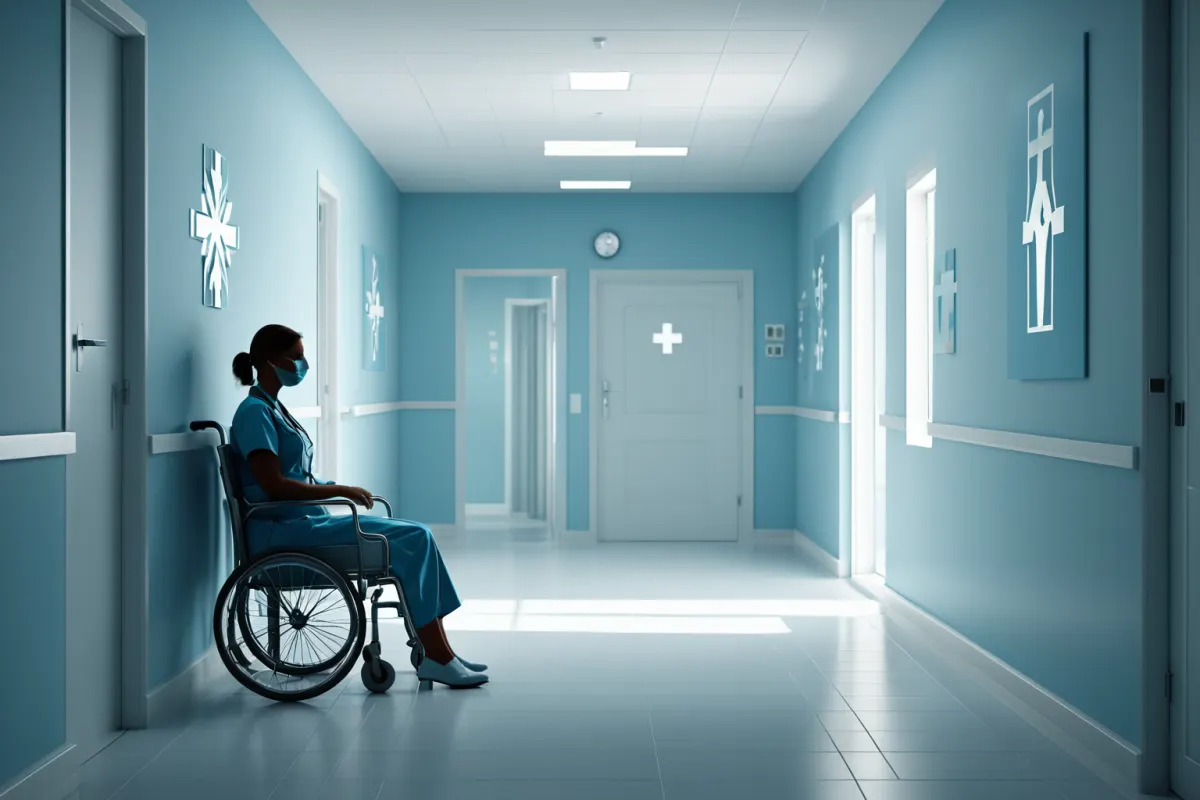
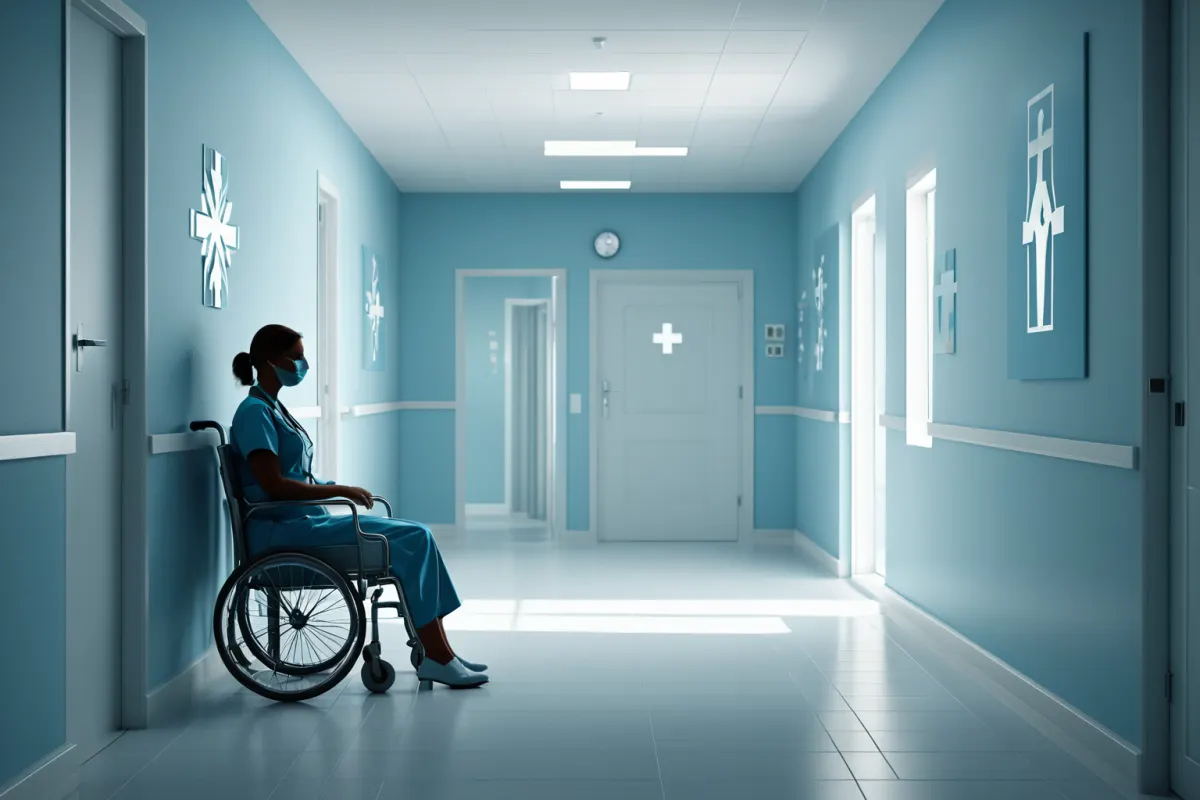
Psychiatric hospital admission can occur in two main ways: when a patient consents to treatment, or when medical professionals determine that involuntary or emergency admission is necessary. However, the more critical question isn't whether hospitalization is mandatory—it's whether a person's current state is safe and manageable with outpatient care. Hospitalization isn't about giving up on treatment; it's one of several ways to support recovery when symptoms become severe enough that daily functioning becomes challenging.
Newcomers often get confused by the admission criteria, process, and required items. While specific procedures may vary by hospital, the general flow is similar: assess current condition through a medical evaluation, determine admission type, confirm guardianship or paperwork, and gather essential personal items for stay.
Common Situations That May Require Admission
Psychiatric hospitalization isn't decided based on feeling down—it's typically considered when risk of self-harm or suicide, potential harm to others, or significant impairment in daily functioning due to impaired reality testing is present.
For example, a person who hasn’t slept for days and experiences severe anxiety and delusions that prevent them from leaving home, or someone whose symptoms rapidly worsen without medication, may be evaluated for admission. Not everyone with schizophrenia requires hospitalization; many cases are managed outpatient depending on symptom severity and risk level.
It’s especially important to seek medical evaluation in the following situations:
- If you’ve expressed thoughts of self-harm or suicide, or made attempts
- If you’re experiencing delusions that make you aggressive toward others
- If basic needs like eating, sleeping, or hygiene are nearly impossible to manage
- If hallucinations or delusions disrupt daily functioning
Ultimately, admission decisions are made after medical evaluation. It’s better to seek a professional assessment than delay based on internet information alone.
Explore more articles on similar topics in one place.
View Related ArticlesDifferences Between Admission Types
Psychiatric hospital admissions are generally categorized as voluntary, consent-based, involuntary, or emergency admission. While terminology may vary by institution and situation, the key distinction lies in whether a patient consents to treatment, and whether guardianship or medical judgment is required.
Voluntary admission occurs when a patient understands their need for care and chooses to admit themselves. This process tends to be simpler, with patients more involved in treatment planning. In contrast, consent-based or involuntary admissions involve family members and healthcare providers when the patient’s condition makes independent decision-making difficult.
Emergency admission is used when immediate risk is high—such as severe suicide or violence risks—and rapid intervention is necessary. In these cases, stabilization often occurs first on-site before formal procedures are completed.
The key point isn’t about which type of admission applies—it’s what safety measures are needed right now. The appropriate approach varies based on patient condition, family situation, and hospital resources.
The Actual Admission Process
The actual process is simpler than many expect. It usually begins with an outpatient visit or emergency room check-up, where a doctor evaluates the current state and determines if admission is necessary. The hospital then informs the patient about available beds, admission type, and next steps.
When first visiting, it’s helpful to provide specific details about recent symptom onset, sleep patterns, eating habits, medications being taken, past treatment history, and any risk of self-harm or violence. For example: “I’ve barely slept for a week, and I’m increasingly convinced someone is watching me.” Giving clear facts speeds up the evaluation process.
Before admission, hospitals will also inform you about prohibited items—such as sharp objects, long cords, certain electronics, alcohol, or drugs. Policies vary by facility, so checking in advance is recommended.
Here’s what to prepare for your first day:
- ID card
- Name and details of current medications (or prescription)
- Medical records or previous admission history
- Comfortable clothes, underwear, toiletries
- Guardian contact information
Most hospitals don’t allow all personal belongings upon entry, so bring only essentials. High-value items should be left behind for safety.

What to Prepare: Patient and Guardian Tips
Preparation isn't about bringing too much—it's about ensuring you don’t forget the essentials. For patients, having comfortable clothing, hygiene items, and medication details is enough to start.
Guardians should keep their phone nearby for hospital contact, and prepare notes on what triggers anxiety (e.g., specific words or topics), past medication side effects, and other relevant information. This helps medical staff quickly understand the patient’s condition during a short consultation.
A common oversight is not clarifying insurance coverage, treatment costs, and length of stay. Hospitalization costs vary based on room type, tests required, and acute care needs. It’s best to ask about fees, visiting hours, and whether outside activities are permitted when checking in.
For example, someone admitted for schizophrenia may stabilize quickly and be discharged after a short stay, while others might need extended treatment or outpatient follow-up. The length of hospitalization is usually adjusted based on recovery progress rather than pre-set timelines.
Practical Considerations Before Admission
When considering psychiatric hospitalization, it’s important to look beyond just treatment effectiveness and also address real-life challenges like work or school schedules, family care responsibilities, pet care, and home safety.
For those living alone, checking home safety before admission is especially important. Organize medications in one place and remove dangerous items so others can safely manage the environment while you’re away. If family members are involved, clarify who to contact first and what information should be shared to avoid confusion.
Another key point: planning for after discharge. Hospitalization isn’t the end of treatment—it’s often followed by continued outpatient care. Suddenly stopping medication can lead to symptom relapse, so it’s important to note follow-up appointment details provided at discharge.
Psychiatric care doesn't end with hospitalization. Some patients also seek counseling services alongside medication, though during acute phases, safety and medication adjustments usually take priority over therapy.
What Happens If You Delay Seeking Help?
If symptoms worsen but you delay seeking help by thinking “it’ll get better on its own,” complications like sleep deprivation, refusal to eat, increased aggression, or impaired reality testing may compound. At this stage, it’s safer to seek professional help than try to handle things alone.
Conversely, some people fear hospitalization unnecessarily when outpatient care might be sufficient. In such cases, asking if an outpatient visit for medication adjustment and observation is possible can be a good first step. Not all mental health conditions require immediate hospitalization.
The key takeaway: don’t delay making the decision to seek help. If there’s risk of self-harm or harm to others, or if basic daily functions are disrupted, getting evaluated as soon as possible is crucial.
Frequently Asked Questions
Q1. Is patient consent always required for psychiatric hospitalization?
Voluntary admission requires patient consent, but in high-risk situations where judgment is impaired, other types of admission may be considered. The final decision is made after medical evaluation.
Q2. Does having schizophrenia mean you must be hospitalized?
No. Many people with schizophrenia manage well on outpatient care if symptoms are stable. Hospitalization is typically considered when symptoms worsen or safety concerns arise.
Q3. What should I bring first for hospital admission?
ID, medication details, guardian contact information, and comfortable clothing are the top priorities. Check with your hospital in advance about prohibited items.
Psychiatric hospital admission criteria and processes may vary slightly between facilities. If you’re experiencing acute symptoms or self-harm risks, it’s best to seek immediate care at a nearby psychiatric clinic or emergency department.
Continue exploring similar topics.
View Category ArticlesFAQ
Is patient consent always required for psychiatric hospitalization?
Voluntary admission requires patient consent, but in high-risk situations where judgment is impaired, other types of admission may be considered. The final decision is made after medical evaluation.
Does having schizophrenia mean you must be hospitalized?
No. Many people with schizophrenia manage well on outpatient care if symptoms are stable. Hospitalization is typically considered when symptoms worsen or safety concerns arise.
What should I bring first for hospital admission?
ID, medication details, guardian contact information, and comfortable clothing are the top priorities. Check with your hospital in advance about prohibited items.
Korean Source
This article is an English localization of a Korean-language report from BlogScore. Original: 정신병원 입원 기준과 절차, 준비해야 할 것들