
Understanding Profit Rate Calculation: Formulas and Practical Applications
The Basic Principles of Profit Rate Calculation
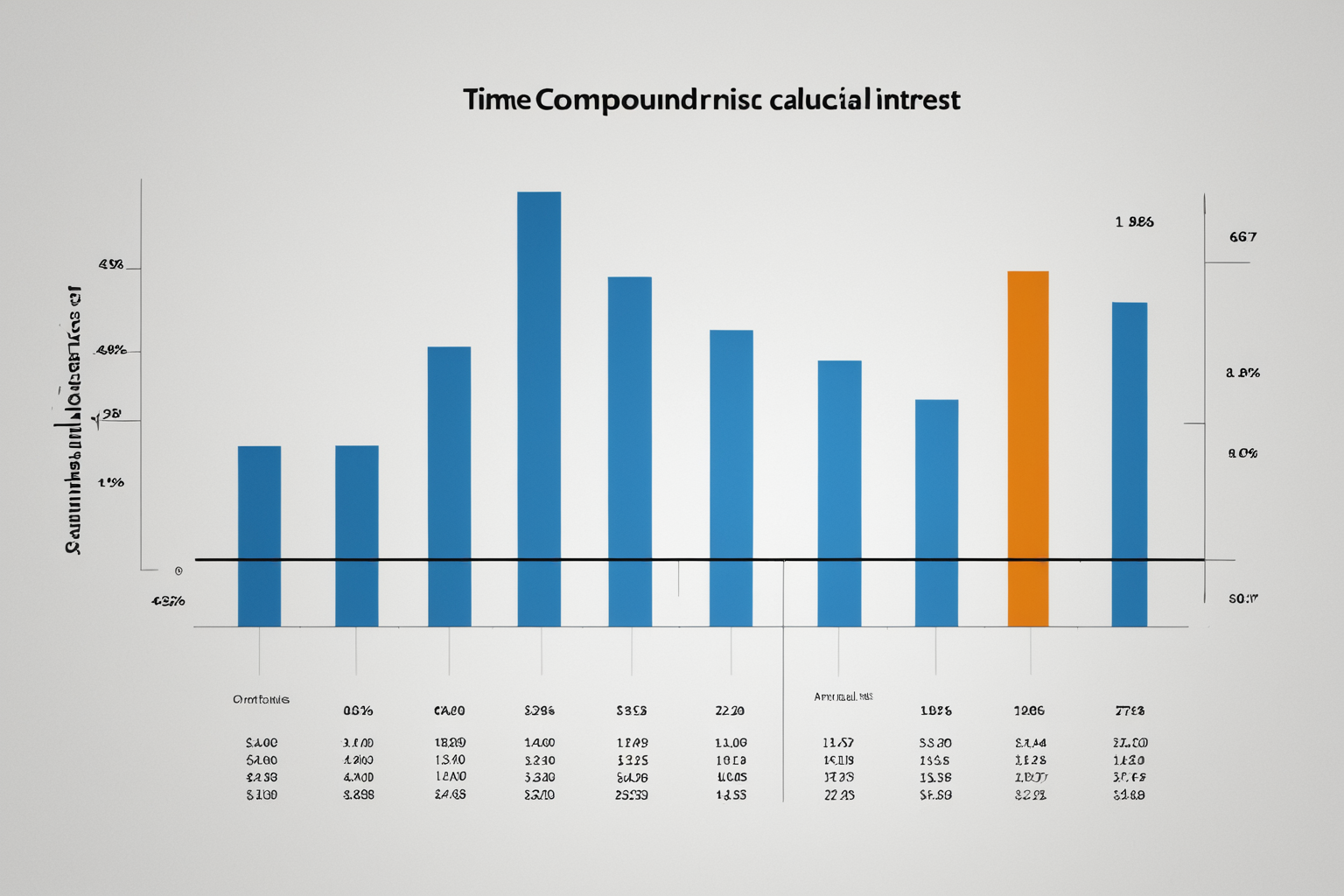
Profit rate is the ratio of earnings to investment amount, calculated using simple or compound interest methods. Simple interest generates the same annual interest each year, while compound interest reinvests the interest so that additional interest accumulates on previous interest. For example, investing 1 million won at a 5% simple interest rate for three years yields total earnings of 150,000 won, whereas compound interest would generate approximately 157,620 won.

Important Considerations When Calculating Profit Rates
To accurately understand investment returns, it's essential to distinguish between arithmetic mean and geometric mean. Simply averaging annual profit rates can mask actual losses, making geometric mean analysis more precise. For instance, if an investment gains 50% in one year and loses 30% the next, calculating a simple average would suggest a 10% return, but the actual result is approximately a 4.5% decrease.
National Pension Fund Profit Rate Improvement and Exhaustion Timeline
For the National Pension Service, improving profit rates by 2 percentage points could extend the exhaustion timeline from 2065 to approximately 2120, a difference of about 55 years. This is particularly important in light of low birth rates and an aging population that necessitate urgent improvements to pension fund profitability.
The Rule of 72 for Long-Term Investment Strategies
The Rule of 72 is a strategy based on the principle that interest will double within a period equal to 72 divided by the annual rate. For example, an investment yielding 6% annually would approximately double in value after about 12 years (72 ÷ 6). This rule is useful for planning long-term financial strategies.
Maximizing Profit Rates Through Strategic Sell-Offs
Strategic sell-offs involve dividing an investment portfolio into multiple stages and selling at different profit thresholds. For example, selling a stock in three stages when achieving 10%, 20%, and 30% returns can help manage volatility while maximizing profits. This approach provides stable income generation by accounting for short-term fluctuations.
Savings Accounts and Compound Interest Calculations
While savings accounts typically use simple interest as the default calculation method, some products apply compound interest. For instance, saving 1 million won at a 5% compound interest rate over three years would yield approximately 157,620 won in total earnings. However, due to default options, actual returns may be distorted, so it's crucial to review product terms before investing.
Features and Profit Rates of ELD (Index-Linked Deposits)
ELD (Index-Linked Deposits) are savings products linked to stock market indices. While principal is protected, additional returns occur when the index rises. For example, if the KOSPI index increases by 10%, the ELD profit rate would rise proportionally. This structure provides investment opportunities while reducing volatility risk.
Dividend Income and Profit Rate Relationship
Dividends are one form of income from stock investments, and dividend yield can be used to evaluate investment performance. Generally, stocks with higher dividend yields provide stable cash flow but excessive dividends may negatively impact a company's ability to reinvest.
Caution When Comparing Bonds and Savings Accounts
Bond interest rates often appear higher than savings account rates, but this is a simplified calculation that doesn't factor in market volatility or credit risk. To accurately assess actual returns, investors should consider taxes, transaction costs, and maturity conditions.
Accuracy of Retirement Fund Profit Rate Calculations
Retirement fund profit rate calculations are often inadequate, making it difficult for investors to gauge their actual performance. Some reports argue that retirement fund rates need more precise calculation methods.
Limits of Profit Rate Predictions
Profit rate predictions rely on historical data but can differ from actual returns due to market volatility and economic conditions. Therefore, scenario analysis across multiple potential outcomes is preferable to simple projections.
Application of Expected Return Formulas
Expected return formulas are used to evaluate investment performance and are commonly applied in calculating Market Risk Premium (MRP). However, some reports note that the calculation process for expected returns can be opaque, making accurate evaluation difficult.
American Treasury Yield Impact on Markets
American treasury yields directly influence global financial markets, particularly being linked to low-interest rate environments. For example, rising U.S. treasury yields often lead to higher domestic interest rates.
8% Annual Return with Principal Protection Products
Some investment products offer an 8% annual return along with principal protection, though actual returns may vary based on market conditions. Investors should review product documentation for precise details.
The Accuracy Challenge in Profit Rate Calculations
Profit rates calculated as a percentage of invested capital are widely used to evaluate investment performance but can obscure actual losses. Therefore, investors should analyze results using geometric mean rather than simple averages to accurately assess their true performance.
Comprehensive Summary of Profit Rate Calculation Strategies
To calculate profit rates accurately, it's necessary to distinguish between simple and compound interest, understand the difference between arithmetic and geometric means, apply calculation methods appropriate for different investment types, verify product terms, and consider market volatility. Profit rate calculation is not merely a numerical exercise but requires comprehensive analysis.
Before making investment decisions, investors should consult various resources and expert opinions to make informed judgments.
Frequently Asked Questions
What's the difference between simple interest and compound interest? Simple interest generates the same annual interest each year, while compound interest reinvests the interest so that additional interest accumulates on previous interest. For example, investing 1 million won at 5% for three years would yield total earnings of 150,000 won with simple interest but approximately 157,620 won with compound interest.
Why is geometric mean more accurate than arithmetic mean? Geometric mean reflects volatility and losses, providing a more accurate picture of actual performance compared to the simple average calculation. For instance, an investment gaining 50% in one year followed by a 30% loss would result in approximately a 4.5% decrease when calculated using geometric mean.
What are the advantages of ELD (Index-Linked Deposits)? ELDs provide principal protection along with additional returns based on stock index performance, offering investment opportunities while reducing volatility risk.
Why is improving National Pension Fund profit rates important? Improving the National Pension Fund's profit rate by 2 percentage points could extend its exhaustion timeline by approximately 55 years. This helps stabilize the pension system amid low birth rates and an aging population.
You can view similar articles on this topic in one place.
View Related ArticlesFAQ
What's the difference between simple interest and compound interest?
Simple interest generates the same annual interest each year, while compound interest reinvests the interest so that additional interest accumulates on previous interest. For example, investing 1 million won at 5% for three years would yield total earnings of 150,000 won with simple interest but approximately 157,620 won with compound interest.
Why is geometric mean more accurate than arithmetic mean?
Geometric mean reflects volatility and losses, providing a more accurate picture of actual performance compared to the simple average calculation. For instance, an investment gaining 50% in one year followed by a 30% loss would result in approximately a 4.5% decrease when calculated using geometric mean.
What are the advantages of ELD (Index-Linked Deposits)?
ELDs provide principal protection along with additional returns based on stock index performance, offering investment opportunities while reducing volatility risk.
Why is improving National Pension Fund profit rates important?
Improving the National Pension Fund's profit rate by 2 percentage points could extend its exhaustion timeline by approximately 55 years. This helps stabilize the pension system amid low birth rates and an aging population.
Korean Source
This article is an English localization of a Korean-language report from BlogScore. Original: 수익률 계산 공식과 실제 적용 방법