
Understanding the Process for Identifying Descendants of Pro-Japanese Collaborators in South Korea
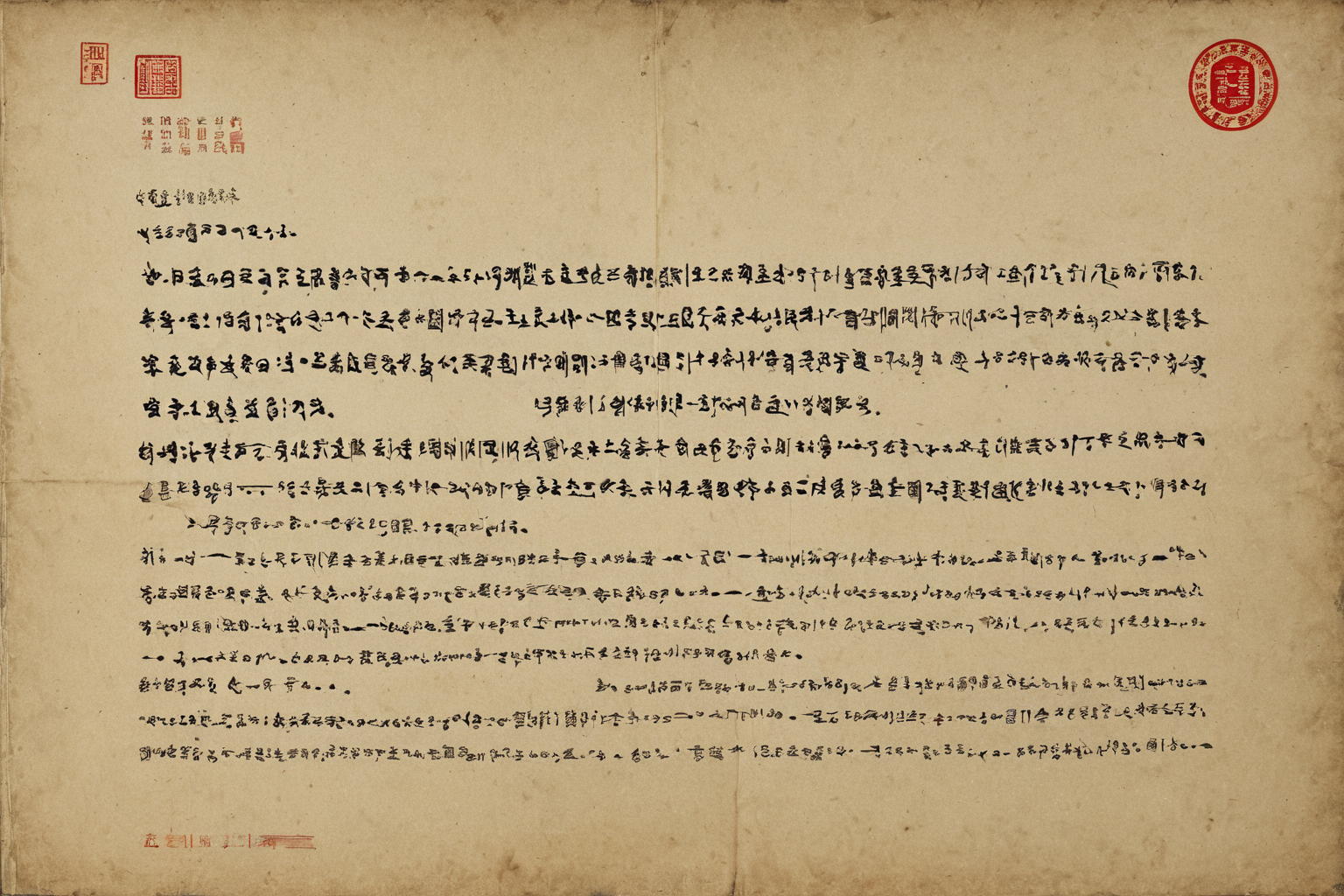
Overview of Documents and Procedures for Identifying Descendants of Pro-Japanese Collaborators
The Pro-Japanese Assets Investigation Committee has been revived after 16 years, initiating procedures to reclaim assets from descendants of those who collaborated with Japan. The Ministry of Justice has begun the process of recovering assets owned by these descendants, drawing attention from Gen Z (born in the 2000s). However, specific document requirements have not yet been publicly disclosed.
Revival of the Pro-Japanese Assets Investigation Committee and Asset Scale
The Pro-Japanese Assets Investigation Committee was revived on August 16, 2026, after a 16-year hiatus, starting investigations into assets owned by descendants of collaborators. During its first investigation phase, assets totaling 24 billion won were identified, with at least 32.5 billion won targeted for recovery.
The Ministry of Justice officially launched the asset recovery process on April 24, 2026. Following controversies surrounding the pro-Japanese actions of Ha Young's great-great-grandfather An Sangho, a land worth 5.8 billion won began undergoing state reclamation procedures starting January 15, 2026.
Status of Family Tree Verification Websites
The 'Roots Search' family tree verification website is currently experiencing system overload due to increased user traffic. This site was designed to help verify the family trees of descendants of collaborators but is now inaccessible.
Gen Z has shown growing interest in identifying these descendants, with related news coverage beginning on August 14, 2026. As a result, the scope of assets targeted for recovery is expanding.
Verifying family trees is essential for confirming an individual's status as a descendant of collaborators, and these records serve as important historical documents tracing family histories and pro-Japanese activities. However, due to the website being down, many people are now visiting local archives or municipal offices directly to request family tree documents.
Especially, Gen Z members—accustomed to digital information access—are encountering difficulties since family tree verification requires traditional methods. This highlights a gap between digital technology and conventional administrative systems in this process.

Detailed Asset Recovery Process
Assets owned by descendants of collaborators will be reclaimed by the state after their pro-Japanese activities have been verified. The reclamation process for land worth 5.8 billion won began on January 15, 2026, following confirmation of An Sangho's pro-Japanese actions.
The Ministry of Justice carries out asset recovery based on findings from the Pro-Japanese Assets Investigation Committee. During its first investigation phase, assets totaling 24 billion won were identified, with at least 32.5 billion won expected to be recovered.
Proving pro-Japanese activities requires historical records and evidence. The committee collects various documents such as official records, historical files, and family correspondence to verify these actions. For example, An Sangho was identified as having worked for the Japanese Governor-General's Office during the colonial period, making his assets subject to recovery.
Reconstructing the formation and movement of assets is a complex process. Descendants have often divided or sold assets over time, altering their modern forms, which makes tracing ownership difficult and time-consuming.
Lack of Information on Verification Procedures
The specific documents required for identifying descendants of collaborators and detailed steps in the procedure remain unclear. The 'Roots Search' website being down has made family tree verification more challenging.
No official document requirements have been published by the Ministry of Justice or the Pro-Japanese Assets Investigation Committee, nor are there clear conditions under which descendants might be excluded from asset recovery. This lack of clarity is causing difficulties for those attempting to navigate the process.
Confirming pro-Japanese activities is central to identifying eligible descendants, but the definition of 'pro-Japanese activity' remains ambiguous. For instance, it's unclear whether working as a civil servant in the Japanese Governor-General's Office during colonial times qualifies as such an act or if additional criteria must be met.
This ambiguity could lead to legal disputes, with potential attempts by descendants to avoid asset recovery through various arguments. Therefore, the Pro-Japanese Assets Investigation Committee is reviewing relevant laws and historical facts comprehensively to ensure fair judgments.
Important Considerations for Identifying Descendants of Collaborators
Asset recovery targets only descendants whose pro-Japanese activities have been confirmed. However, specific criteria and required documents remain undisclosed. While many tried using the 'Roots Search' website for verification, it is currently inaccessible due to system overload.
The growing interest from Gen Z has increased demand for information about this process, but accurate documentation and procedures are still lacking. More detailed guidance from the Pro-Japanese Assets Investigation Committee and Ministry of Justice is expected in the future.
Identifying descendants of collaborators can also serve as an opportunity for families to revisit their historical pasts. Many families are re-examining colonial-era histories, which has led to increased family discussions about this period.
For those identified as descendants with confirmed pro-Japanese activities, the asset recovery process involves legal procedures that may force them to confront historical responsibilities. As such, this process could extend beyond simple asset recovery into broader societal discussions about historical accountability.
Frequently Asked Questions
Q: What documents are required to identify descendants of collaborators?
The official list of required documents has not been published yet. Specific information will be provided by the Ministry of Justice or the Pro-Japanese Assets Investigation Committee.
Q: How can I verify family trees if the 'Roots Search' website is down?
The 'Roots Search' family tree verification site is currently inaccessible due to high traffic. Alternative methods for verifying family trees are necessary.
Q: Who is eligible for asset recovery under this program?
Assets of descendants whose pro-Japanese activities have been confirmed will be reclaimed. Specific criteria remain undisclosed.
Upcoming Schedule and Key Points to Watch
The Pro-Japanese Assets Investigation Committee plans to begin its second investigation phase in the second half of 2026, aiming to identify and recover more assets. An additional 50 billion won in assets may be identified during this process.
The Ministry of Justice intends to release more detailed guidelines for the asset recovery process by mid-October 2026. This will clarify document requirements and procedural steps to help the public better understand the process.
With Gen Z taking a leading role in gathering information, social discussions about identifying descendants of collaborators are expected to intensify. This could evolve beyond simple asset recovery into a broader movement for historical accountability.
Readers are encouraged to regularly check the official websites of the Ministry of Justice and Pro-Japanese Assets Investigation Committee for updates. Contacting local archives or cultural heritage preservation organizations may also help in finding ways to verify family trees.
You can find similar articles compiled in one place.
View Related ArticlesFAQ
What documents are required to identify descendants of collaborators?
The official list of required documents has not been published yet. Specific information will be provided by the Ministry of Justice or the Pro-Japanese Assets Investigation Committee.
How can I verify family trees if the 'Roots Search' website is down?
The 'Roots Search' family tree verification site is currently inaccessible due to high traffic. Alternative methods for verifying family trees are necessary.
Who is eligible for asset recovery under this program?
Assets of descendants whose pro-Japanese activities have been confirmed will be reclaimed. Specific criteria remain undisclosed.
Korean Source
This article is an English localization of a Korean-language report from BlogScore. Original: 친일파 후손 확인에 필요한 서류 및 절차 정리