
Understanding 'Muslim' vs. 'Islam': A Clear Guide to Key Terms
A Muslim is someone who follows Islam, while Islam refers to the religion itself. To avoid confusion between what a Muslim means and the difference between Muslim and Islam, simply remember: one refers to people, the other to the faith.
You might encounter terms like 'Muslim,' 'Islam,' 'Muslim countries,' or 'Muslim prayer times' all at once, which can be confusing. Understanding these distinctions makes reading news or travel information much clearer.
What Does 'Muslim' Mean?
A Muslim is a person who follows Islam. This term includes both men and women and does not refer specifically to people from any one country.
Just as someone who follows Christianity is called a Christian, someone who follows Islam is referred to as a Muslim. For example, 'Muslim woman' simply means a woman who practices Islam.
The key point here is that being a Muslim does not mean someone is Arab. Muslims are defined by their faith, while Arabs are associated with language, culture, and region.
You can explore more articles on similar topics in one place.
View Related ArticlesWhat Does 'Islam' Mean?
Islam is the name of the religion. It refers to the faith centered around belief in one God (Allah) and following the teachings of Prophet Muhammad.
In other words, Islam is a system of belief rather than an institution or group. Think of it this way: individuals who follow Islam are Muslims, while the religion itself is called Islam.
For example, when someone refers to 'Islamic culture,' they mean the broader lifestyle, customs, dining practices, and dress norms associated with the faith. In contrast, 'Muslim' directly refers to a person who follows that culture or belief system.
The Difference Between Muslim and Islam
This is often the most confusing part. Simply remember: Muslims are people, Islam is the religion.
Consider these examples: 'That person is a Muslim' refers to an individual, while 'This region is part of the Islamic cultural sphere' describes the religious and cultural background.
Misusing these terms can lead to awkward phrasing. For instance, saying 'Islam prays' would be incorrect; it should be 'Muslims pray.'
Understanding 'Muslim Countries'
The term 'Muslim countries' generally refers to nations where a large portion of the population practices Islam or where Islamic culture is deeply embedded in society. However, this phrase isn't always used formally.
Some countries have mostly Muslim populations but maintain secular laws and systems, while others have religious norms that strongly influence daily life. For this reason, articles often use broader terms like 'Islamic nations' instead of 'Muslim countries.'
For example, Indonesia is frequently cited as a country with one of the world's largest Muslim populations. However, even within countries with significant Muslim communities, cultural practices and religious influence vary widely from place to place.
Muslim Prayer Times and Cultural Etiquette
When reading about Muslims, you'll often come across information about prayer times. Muslims traditionally pray several times a day at designated hours, which can be integrated into daily routines.
Knowing this is helpful when traveling. For instance, shopping malls or airports may have prayer rooms, and restaurants might indicate whether they serve halal food.
Travelers new to these concepts might wonder why someone chooses certain menu items over others. Simply understanding that Muslims often avoid pork and alcohol due to religious reasons can help clarify such choices.
Muslim Food and Halal Dining
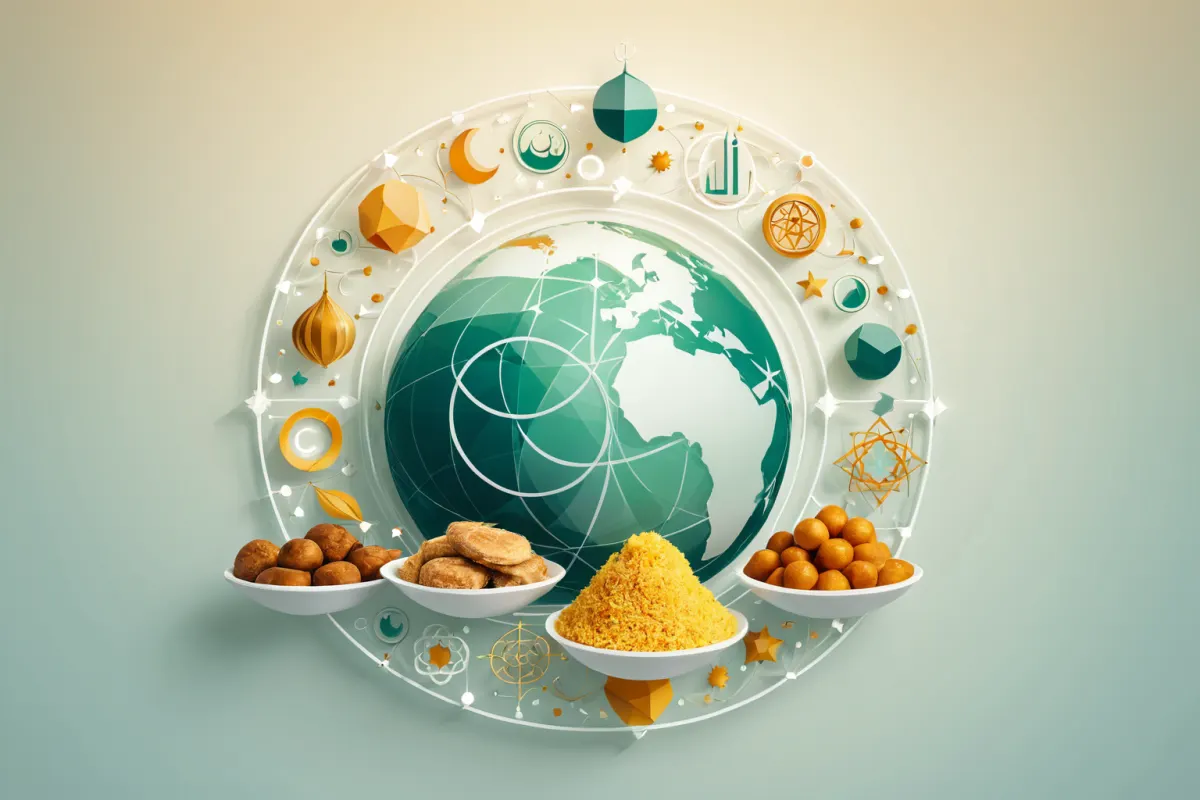
The term 'Muslim meat' typically refers to food that meets Islamic dietary standards, with the key being whether it's halal.
Halal means permissible under Islamic law. In terms of food, this often excludes pork or certain preparation methods. Therefore, when identifying meat suitable for Muslims, it's not just about the type of meat but also how it was prepared and what ingredients were used.
For example, beef might still be avoided if it hasn't been prepared according to halal guidelines. Conversely, halal-certified products are easier to find at restaurants or supermarkets abroad.
Global Muslim Population and Regional Distribution
The Muslim population is spread across the globe. While the Middle East often comes to mind first, many Muslims also live in South Asia and Southeast Asia.
Recognizing this helps avoid reducing Muslims to a single image. While religious beliefs are shared, clothing styles, languages, and cultural practices vary significantly by country.
For example, even though both Indonesia and Saudi Arabia have large Muslim populations, daily life looks quite different between the two. Thus, assuming all Muslims are the same is inaccurate.
A Note on 'Muslim Brotherhood' Terminology
'Muslim Brotherhood' is not a general religious term but refers to a specific political or social movement. It should not be confused with the broader Muslim community.
When encountering this phrase in news articles, verify whether it refers to an organization rather than the entire religious group. Similar-sounding terms can lead to misunderstandings if used interchangeably.
This confusion is common in news and international affairs coverage. The term 'Muslim' might refer to faith in some contexts but indicate a political group or regional background in others.
How to Avoid Confusing These Terms
The simplest way is to ask: Is this referring to people, the religion, or a cultural sphere? Use 'Muslim' for people, 'Islam' for the religion, and 'Islamic world' for cultural or societal contexts.
For example, 'Muslim population' refers to numbers of people, while 'Islamic culture' describes lifestyle influenced by the faith. Once you grasp this distinction, news headlines become much easier to understand.
At first, these terms may seem similar, but with a few readings, they'll become second nature. When searching for information online, applying this framework will help you find more accurate results.
FAQ
Q1: Are 'Muslim' and 'Islam' the same thing?
No. A Muslim is someone who follows Islam, while Islam is the name of the religion.
Q2: Do all Muslims come from Arab countries?
No. Muslims live worldwide, whereas Arabs are primarily associated with language, region, and culture.
Q3: Is all food eaten by Muslims the same?
No. While basic principles remain similar, dietary habits can vary based on country and individual religious observance.
The distinction between Muslim and Islam is sufficient for understanding everyday news or travel information. However, since customs and religious guidelines may differ, it's always a good idea to verify the latest details before traveling or making dining choices.
Continue exploring similar topics.
View Category ArticlesFAQ
Are 'Muslim' and 'Islam' the same thing?
No. A Muslim is someone who follows Islam, while Islam is the name of the religion.
Do all Muslims come from Arab countries?
No. Muslims live worldwide, whereas Arabs are primarily associated with language, region, and culture.
Is all food eaten by Muslims the same?
No. While basic principles remain similar, dietary habits can vary based on country and individual religious observance.
Korean Source
This article is an English localization of a Korean-language report from BlogScore. Original: 무슬림 뜻과 이슬람 차이, 용어 정리