
Understanding the Meaning of Malbok: Differences Between Chobok and Jungbok
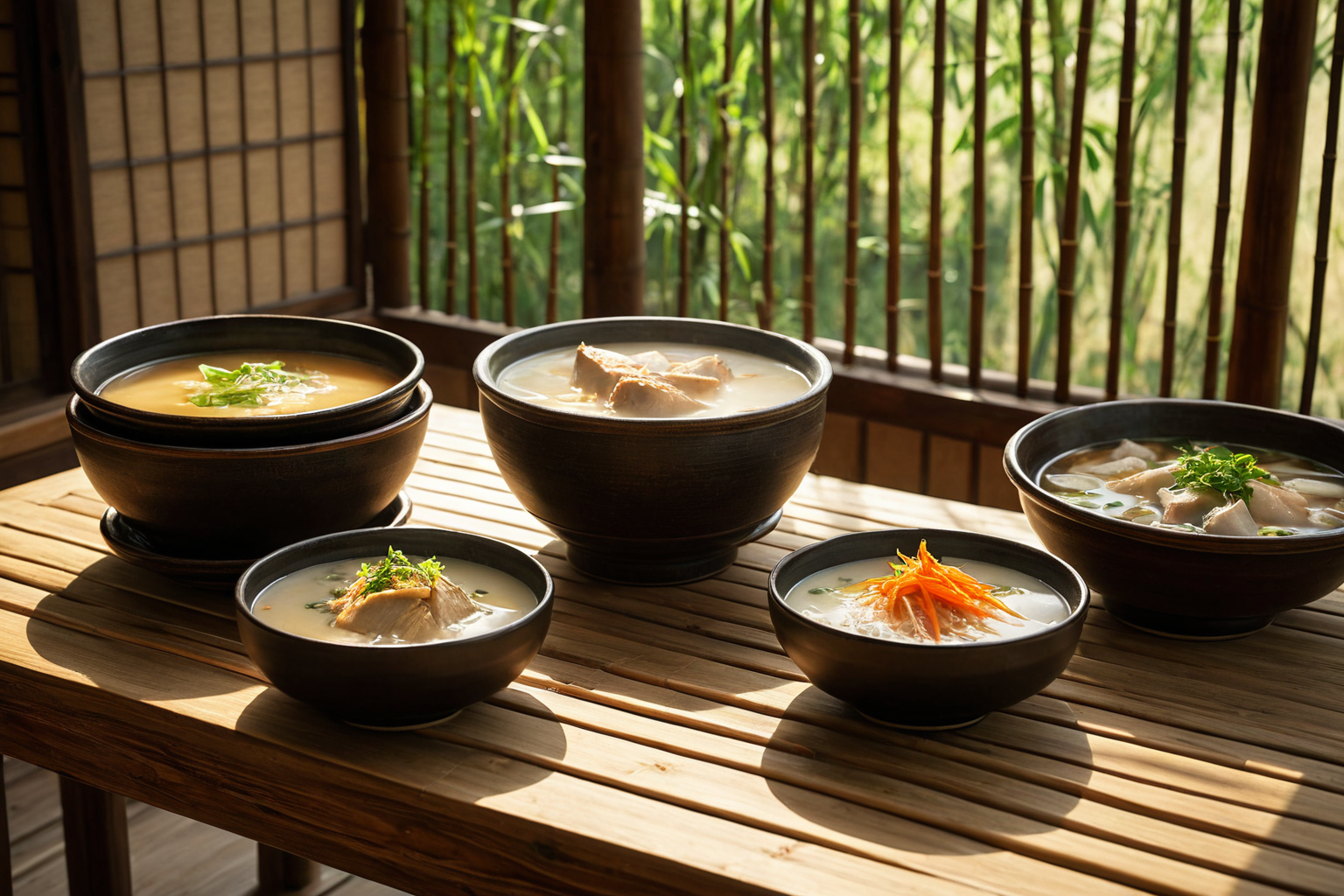
The three periods of summer heat known as Sambok consist of Chobok (first period), Jungbok (second period), and Malbok (third period). These mark the beginning, peak, and end of the hottest days of summer. The term 'Bok' in Korean comes from the Chinese character '伏,' meaning 'to lie down or crouch.' It reflects an old tradition of bending over to find comfort during extreme heat. During Sambok, it's customary to eat samgyetang (ginseng chicken soup) to replenish energy.
Meaning and Calculation of Chobok, Jungbok, and Malbok
Chobok marks the start of summer's hottest period, typically around mid-July. Jungbok follows about 10 days later in early August, while Malbok occurs roughly 10 days after Jungbok, in mid-August. These dates reflect the progression from the beginning to the peak of summer heat.
The character '伏' (Bok) means 'to crouch,' symbolizing how people would bend over during hot weather to find relief. Samboke refers to the period from July through mid-August, representing the most intense heat of summer.
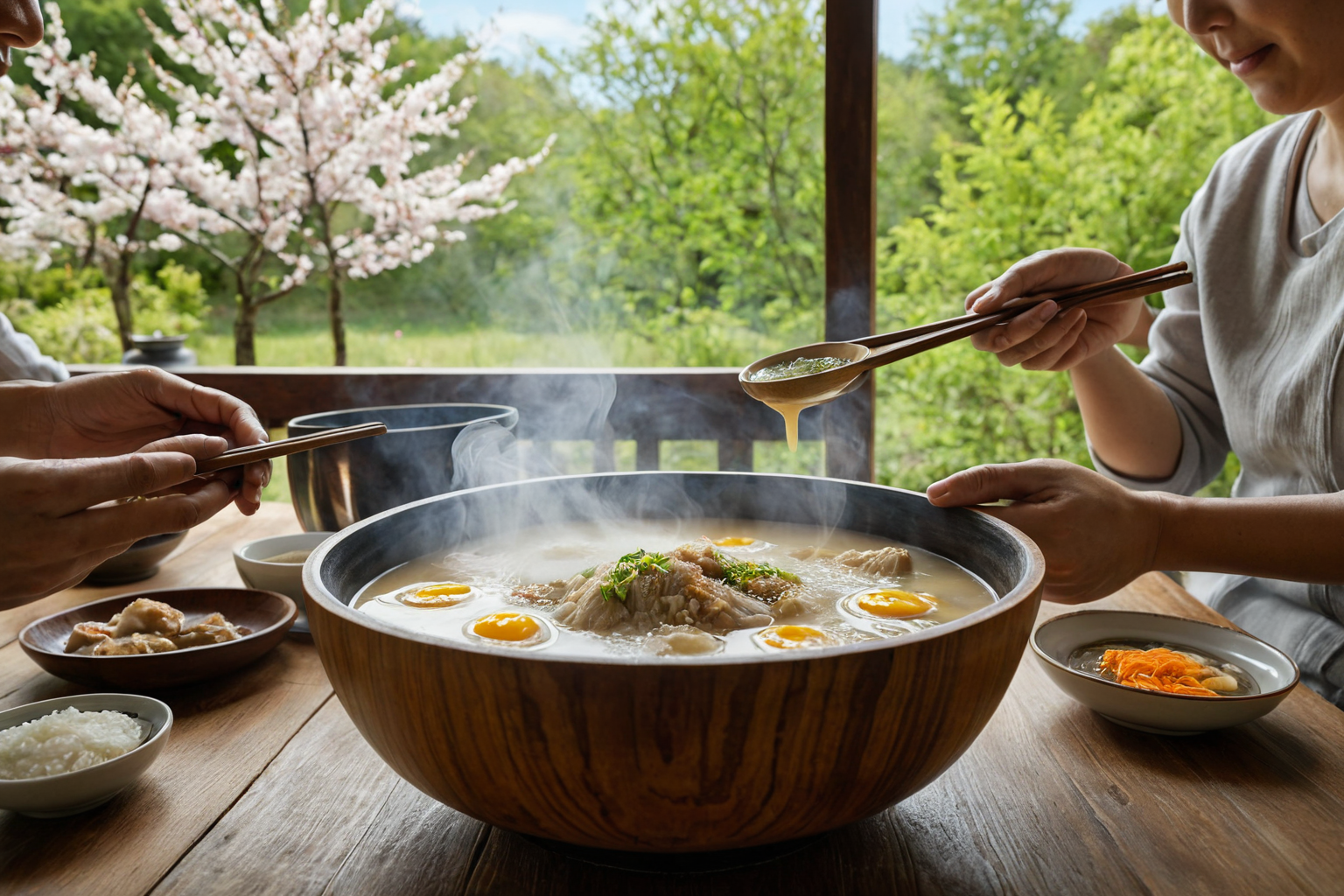
Traditional Foods for Sambok: Samgyetang and Chicken Soup
The classic food eaten during Sambok is samgyetang. This dish combines chicken with medicinal herbs, believed to replenish energy and help combat the heat. In some regions, a similar dish called 'chicken stew' (닭백숙) is also enjoyed during this time.
Samgyetang is based on the principle of 'using heat to counteract heat,' where consuming warm food helps expel internal body heat. This tradition has been passed down for generations, and many still enjoy samgyetang during Sambok to beat the summer heat.
Sambok and Consumer Trends: Increased Chicken Orders and Discounts
Recently, there's been a noticeable rise in chicken orders during Sambok. Specifically, orders for chicken increase by 2.5 times around Chobok, while some businesses offer up to 4,000 won discounts during Malbok.
Companies like Yoajung provide promotions such as 8,000 won off during Chobok, Jungbok, and Malbok. This trend shows how modern food culture is adapting to the Sambok period beyond traditional samgyetang.
Historical Background of Sambok and Its Relation to Seasonal Calendars
Sambok originates from ancient Korean traditions tied closely to seasonal changes. However, 'Bok' days are not directly aligned with the solar calendar. Instead, they represent a cultural practice that has naturally evolved alongside traditional customs.
The Samboke period is considered the hottest time of summer when people traditionally eat foods like samgyetang to restore energy. These dishes were valued not just for taste but also for their health benefits.
Calculation Methods and Exact Dates for Sambok
Sambok is calculated starting from Chobok, with Jungbok 10 days later and Malbok another 10 days after that. For example, in 2023, Chobok was on July 15th, Jungbok on July 25th, and Malbok on August 4th.
However, the exact dates vary each year due to differences between lunar and solar calendars. Since Chobok is calculated based on the hottest day of summer, it shifts slightly every year.
Sambok and Health Management
Replenishing energy during Sambok is crucial because heat causes significant fluid loss in the body. Eating samgyetang helps restore strength and combat the heat.
Additionally, overuse of air conditioning can lead to health issues like colds or headaches. It's recommended to use air conditioning at a moderate temperature for comfort without causing discomfort.
Cultural Significance of Sambok
Sambok is more than just a period to endure summer heat; it’s deeply connected to Korean traditional culture. It reflects ancestral wisdom on living in harmony with nature and overcoming the challenges of hot weather.
Through traditions like eating samgyetang, Sambok has become a cultural opportunity to stay healthy throughout the summer. These customs remain relevant today, continuing to influence daily life for many Koreans.
Frequently Asked Questions (FAQ)
What is the difference between Chobok, Jungbok, and Malbok?
Chobok is the first day of Sambok, marking the start of summer heat. Jungbok represents the middle period, while Malbok signifies the peak of summer heat.
Why do people eat samgyetang during Sambok?
Samgyetang is based on the 'using heat to counteract heat' principle, helping expel internal body heat and replenish energy. It also reflects a long-standing belief in the health benefits of chicken and medicinal herbs.
Why do chicken orders increase during Sambok?
People tend to choose quick meals like chicken due to high energy expenditure from summer heat. Additionally, businesses offer discounts during this period, driving increased consumption.
Frequently Asked Questions
Sambok is a traditional Korean custom for enduring summer heat, divided into Chobok, Jungbok, and Malbok. The term 'Bok' comes from the Chinese character meaning 'to crouch,' reflecting an old practice of bending over to find relief in hot weather. During Samboke, people eat samgyetang to replenish energy, while modern trends include increased chicken orders and special discounts.
Sambok is not just a period for enduring summer heat but a culturally significant time deeply connected to Korean traditions. The custom of eating samgyetang has been passed down through generations and remains popular today as a way to stay healthy during the hottest months.
Find more articles on similar topics in one place.
View Related ArticlesFAQ
What is the difference between Chobok, Jungbok, and Malbok?
Chobok is the first day of Sambok, marking the start of summer heat. Jungbok represents the middle period, while Malbok signifies the peak of summer heat.
Why do people eat samgyetang during Sambok?
Samgyetang is based on the 'using heat to counteract heat' principle, helping expel internal body heat and replenish energy. It also reflects a long-standing belief in the health benefits of chicken and medicinal herbs.
Why do chicken orders increase during Sambok?
People tend to choose quick meals like chicken due to high energy expenditure from summer heat. Additionally, businesses offer discounts during this period, driving increased consumption.
Korean Source
This article is an English localization of a Korean-language report from BlogScore. Original: 말복의 의미, 초복 중복과의 차이와 함께 정리