
Understanding LH Rental Housing Supply vs. Public Rentals in South Korea
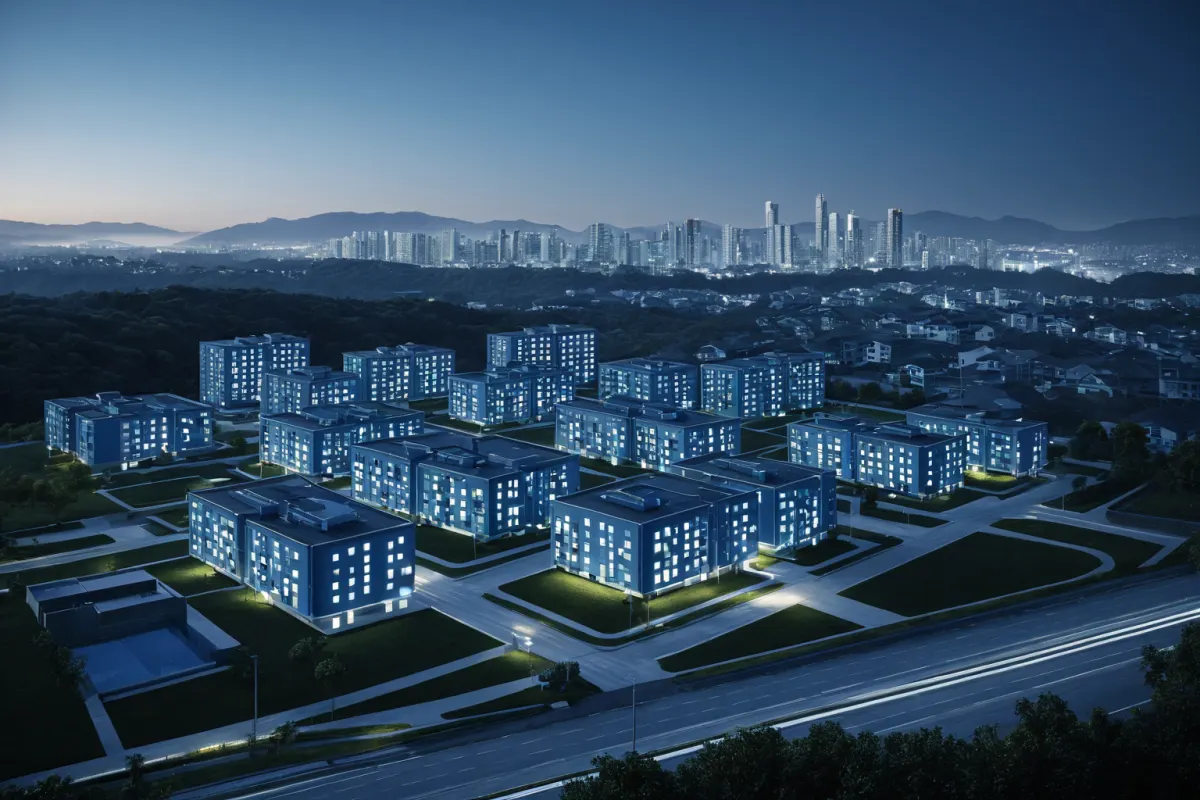
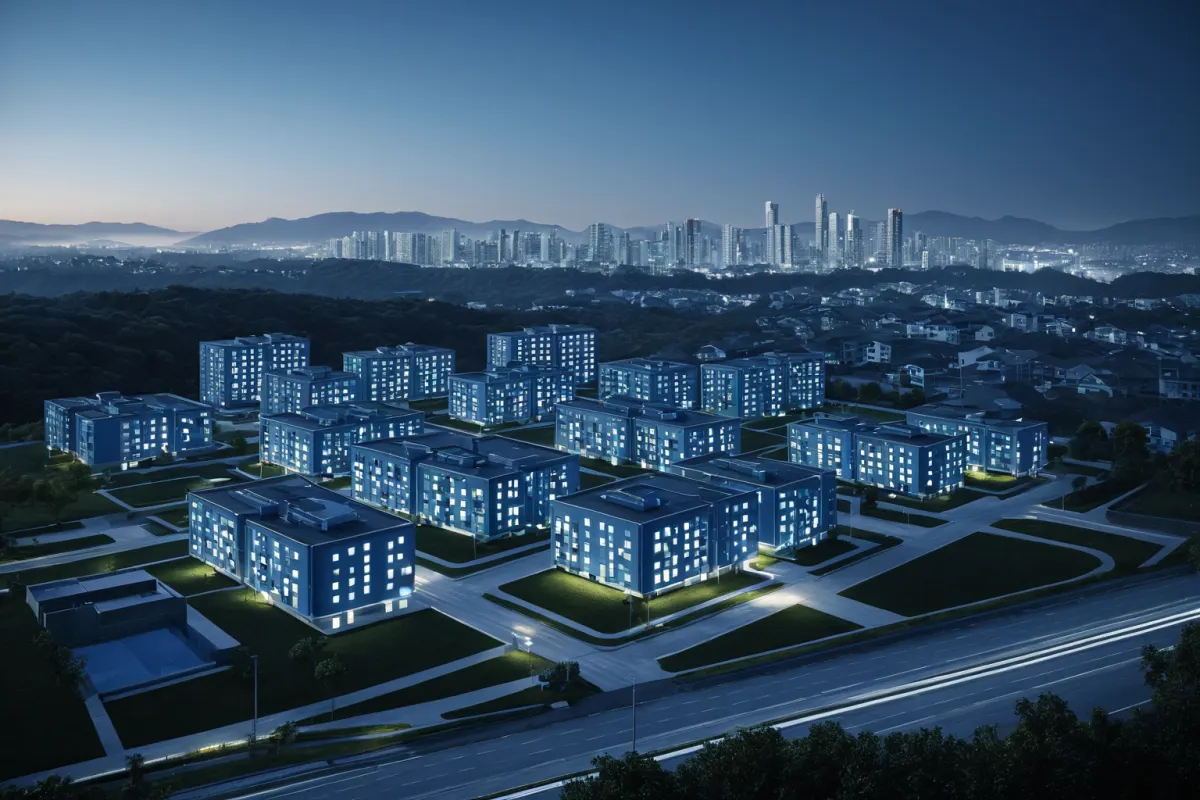
LH rental housing supply refers to the broad framework in which Korea Land & Housing Corporation (LH) provides housing with a focus on public interest. Public rentals, meanwhile, refer to specific types of housing within this system that come with eligibility requirements and lease terms. While these terms may sound similar, they differ significantly in who can live there, how long residents can stay, and how rent is determined.
A common point of confusion when searching for information is whether all housing supplied by LH qualifies as public rental. The answer is no. LH offers various housing types including Happiness Housing (행복주택), National Rental (국민임대), Permanent Rental (영구임대), Purchase Rental (매입임대), and Deposit-Only Rental (전세임대). Public rental generally refers to housing owned or managed by the public sector within these options.
Basic Structure of LH Rental Housing Supply
LH rental housing is typically offered through public tenders. Eligibility varies based on location, income level, assets, homeownership status, and household composition, with different criteria applying to each type of housing.
For example, young professionals or newlywed couples often look at Happiness Housing first, while low-income households might find National Rental or Permanent Rental more suitable. Those struggling with high deposit costs may prefer Deposit-Only Rental as a more practical option.
The key takeaway is that simply seeing "LH provides housing" does not mean you should apply immediately. You must verify whether the housing meets your needs, if it can be converted to ownership later, and how long you can live there before applying.
You can find more articles on similar topics in one place.
View Related ArticlesPublic Rentals and Housing Stability
Public rentals typically offer lower rent burdens compared to private rentals, making them ideal for long-term living. This makes them a practical choice for households where housing costs significantly impact daily expenses.
However, eligibility criteria vary by type. Some public rentals allow indefinite residency, while others require renewal after a certain period or re-evaluation of income and assets. If your income or assets exceed the set limits, you may lose eligibility to continue living there.
In short, viewing public rentals as simply "affordable long-term housing" is insufficient. You must also consider whether ongoing eligibility requirements apply and whether conversion to ownership might be possible later on.
Difference Between LH Rental Housing Supply and Public Rentals
To summarize the key difference: LH rental housing supply refers more broadly to the entity providing housing and how it's distributed, while public rentals describe the nature of the housing itself and its operational principles. Within the same pool of housing supplied by LH, different types may exist that could be confused with public rentals or similar terms like Publicly Supported Private Rentals.
For instance, news about "LH Housing Supply Plan" might include sales, rentals, purchases, and deposit support options. In contrast, public rental specifically refers to housing provided under government-supported rental programs.
This distinction affects what information you should seek: if preparing for occupancy, focus on eligibility and rent criteria for public rentals; if interested in supply volume or schedules, review LH housing supply plans and announcement dates.

Key Eligibility Criteria to Check Before Applying
A common mistake when applying for LH rental housing is overlooking income and asset criteria. Simply being a non-homeowner isn't enough; there are specific income caps based on household size, alongside asset limits.
Also be cautious if your household composition is unclear. For example, even young adults living separately from parents might not qualify as single-person households depending on how their household structure is classified. It's important to confirm your eligibility criteria before gathering documents.
- Confirm non-homeownership status
- Check income level requirements
- Verify asset limits
- Review household composition and age requirements
- Determine if regional priority housing applies
Many applicants skip over these details, read the announcement briefly, and get rejected for missing documents. Before applying, confirm your eligibility first to avoid wasting time on applications that won't succeed.
Difference Between Happiness Housing, National Rental, and Permanent Rental
While often seen as similar, these three types serve different purposes. Happiness Housing targets specific groups like young people, newlyweds, or elderly residents. National Rental serves a broader low-income population. Permanent Rental focuses on those needing stronger housing support.
Rent levels and eligible living periods also differ. Happiness Housing is often praised for its location and accessibility, while National Rental and Permanent Rental prioritize income thresholds and priority allocation systems.
For example, a newly employed single adult might find Happiness Housing ideal due to proximity to work, while a low-income family with children may better suit National Rental. Recipients of basic livelihood support or vulnerable housing groups often turn to Permanent Rental for opportunities.
Application Process and Document Preparation
The application process typically involves checking announcements, submitting online applications, providing required documents, undergoing eligibility review, and receiving results. It's important to prepare your documents ahead of time when an announcement is released.
Typical required documents include resident registration certificates, family relationship certificates, income-related paperwork, and asset verification forms. Requirements vary by announcement, so applicants who apply multiple times should organize frequently used documents in advance.
For example, newlywed couples may need marriage certificates or children's documentation, while young applicants might be asked for employment verification or income statements. Late submissions can lead to rejection even if you're eligible, so it's advisable to prepare documents several days before the deadline.
Real-Life Examples of Choosing the Right Option
A 30s entry-level worker named A decided to look into LH rental housing after finding their commute too long. Initially considering only public rentals, they discovered Happiness Housing better matched their situation—due to income eligibility and proximity to work.
On the other hand, B, who has children, prioritized long-term stability over slightly lower rent. In this case, National Rental or Permanent Rental offered more suitable options for stable living. Ultimately, choosing the right housing type depends on your specific circumstances rather than simply favoring one option over another.
LH also occasionally announces special initiatives like "LH Housing Supply Promotion Headquarters" or regional efforts such as "Gyeonggi South Housing Supply." When encountering these announcements, distinguish between general supply expansion news and actual application opportunities. News may guide direction but the announcement determines eligibility for occupancy.
Why Checking Current Information Is Important
Rental housing criteria can change slightly each year. Especially income thresholds, asset limits, and priority allocation conditions often vary depending on when announcements are made. Relying solely on outdated information could lead to unexpected issues.
Larger-scale announcements like LH's public housing supply plan may differ from actual recruitment notices. While the plan outlines direction, the recruitment notice specifies available units and current terms.
Understanding this distinction reduces confusion when searching for information: those looking for "LH Housing Supply" are usually interested in volume and schedules, while those seeking "LH Rental Housing Supply" want to confirm their eligibility first.
Frequently Asked Questions
Q1. Are LH rental housing supply and public rentals the same thing?
No. LH rental housing supply refers broadly to the provider and method of distribution, while public rentals typically describe housing owned or managed by the government for long-term leasing.
Q2. Can young people automatically apply for Happiness Housing?
No. Age is only one factor; income, assets, homeownership status, and location must also be considered.
Q3. What should I check first in a housing announcement?
The most practical order to review is eligibility criteria, income/asset limits, living period, rent amount, and application schedule.
Always confirm current conditions with the latest announcement before applying, as details can change by year or season.
Continue exploring similar topics.
View Category ArticlesFAQ
Are LH rental housing supply and public rentals the same thing?
No. LH rental housing supply refers broadly to the provider and method of distribution, while public rentals typically describe housing owned or managed by the government for long-term leasing.
Can young people automatically apply for Happiness Housing?
No. Age is only one factor; income, assets, homeownership status, and location must also be considered.
What should I check first in a housing announcement?
The most practical order to review is eligibility criteria, income/asset limits, living period, rent amount, and application schedule.
Korean Source
This article is an English localization of a Korean-language report from BlogScore. Original: LH 임대 주택 공급과 공공임대 차이, 무엇이 달라지나