
Understanding Land Transaction Approval Zones in South Korea
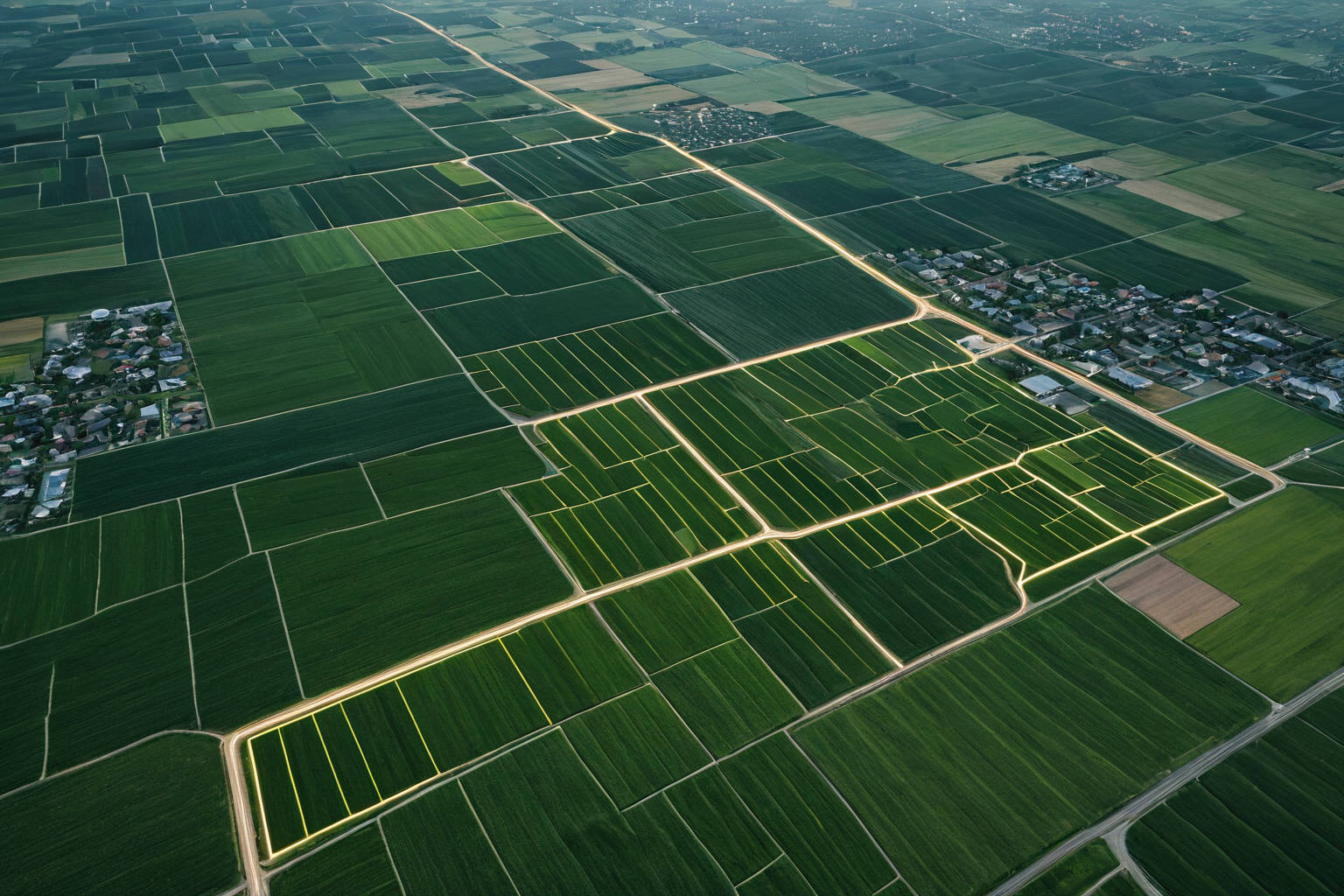
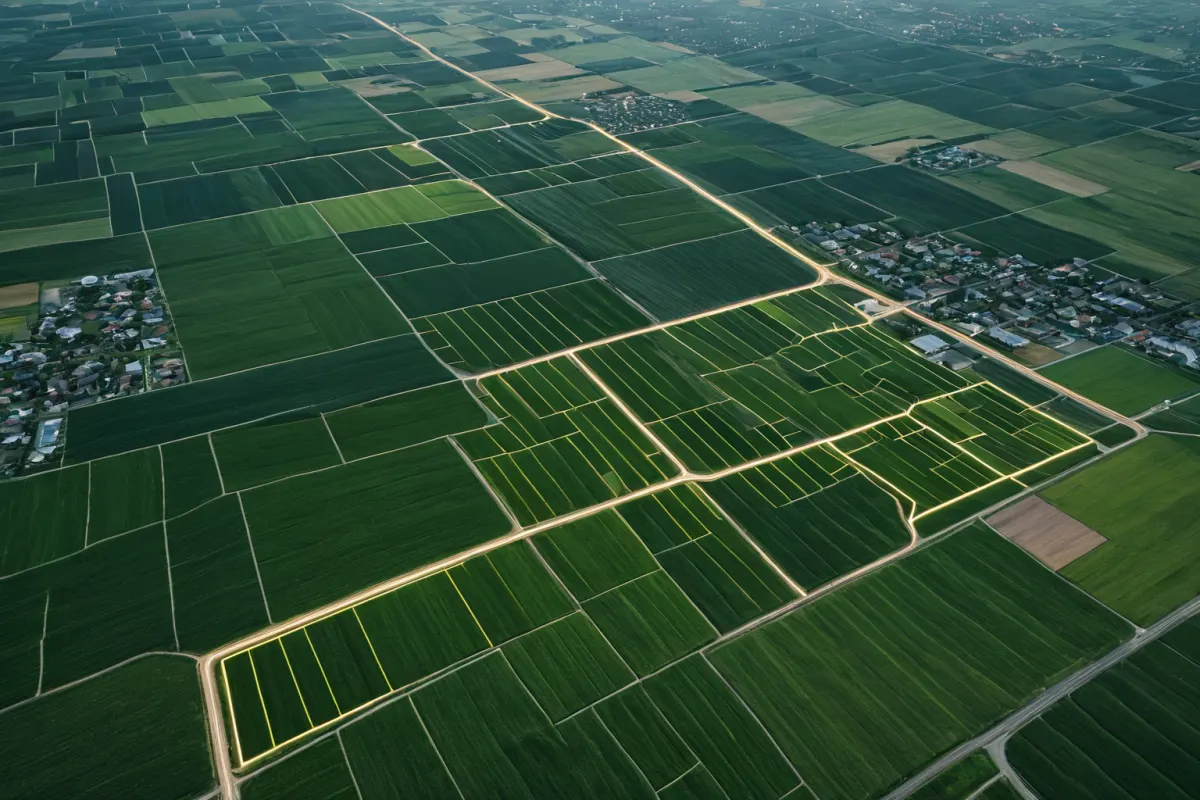
When researching land purchases, you might wonder, "Why can't I just sign a contract for this piece of land?" The answer often lies in the concept of land transaction approval zones. While the name sounds complex, the core idea is simple: certain areas require prior government approval before land transactions can proceed.
This system isn't about blocking transactions but rather preventing speculative buying and ensuring appropriate land use. For newcomers, understanding how this differs from standard property sales—along with the required procedures and potential pitfalls of skipping approval—is crucial.
What Are Land Transaction Approval Zones?
Land transaction approval zones refer to designated areas where government approval is mandatory before buying or selling land. These zones typically cover regions with high development potential, speculative risks, or areas needing planned land management. The exact locations of these zones aren't fixed—they can change based on market conditions and policy updates.
The key principle isn't "you can't buy any land you want" but rather "we'll verify whether your transaction meets specific criteria first." This includes checking if the buyer's intended use aligns with actual needs, if the land size meets requirements, and if the proposed post-purchase plan is reasonable. Since current zones and guidelines change frequently, always confirm details through local government announcements or official websites before proceeding.
Find more articles on similar topics in one place.
View Related ArticlesKey Differences from Standard Land Sales
In standard land transactions, buyers and sellers typically agree on terms, sign a contract, and proceed with payment and registration. In contrast, land transaction approval zones require government permission before any contract can be finalized. Signing a contract without prior approval may lead to legal complications, so getting the sequence right is essential.
Another key difference lies in verifying the buyer's purpose. Whether planning for housing, agricultural use, or simple holding affects approval chances. Think of it this way: standard sales focus on "Do the price and terms match?" while approval zones also ask, "Will you actually use this land as intended?"
Knowing When Approval Is Required (and Exceptions)
Not all transactions in these zones require approval. Small plots or cases meeting specific exceptions may be exempt. However, exemption criteria vary based on land type, zoning, size, and purpose—making it impossible to generalize.
A common beginner mistake is assuming small parcels don't need approval. In reality, identical sizes can have different outcomes depending on location and use. For example, one buyer skipped checking approval status before signing a contract for rural residential land, leading to costly rework later. To avoid confusion, always verify with local authorities before finalizing any deal.
Step-by-Step Process for Buyers
You don't need to overcomplicate things. The standard process involves: confirming the land's location, checking if it's in an approval zone, clarifying your intended use, gathering required documents, applying for approval, and finalizing the contract afterward.
For example, if you're buying 1,000㎡ of agricultural land, first confirm whether it falls within an approval zone. If so, clearly state your farming plans in your application. Then gather necessary paperwork, submit your request, and proceed with the contract once approved. Note that document requirements and processing times vary by region, so always check official guidelines.

Avoiding Common Mistakes for Beginners
The most frequent error is signing a contract before verifying approval needs. Following standard transaction habits here can lead to problems later. Second, relying on informal advice like "my friend said it's fine"—official guidelines matter more than casual opinions.
Third, being vague about your purchase purpose. Approval reviews prioritize actual feasibility, so overly broad investment statements may hurt your case. Fourth, assuming approval zones are permanent. Zone designations can change over time, so always check the latest information rather than relying on outdated data. Legal and operational guidelines also evolve, making it essential to consult official sources for current details.
Summary: Purpose Verification Is Key
In short, land transaction approval zones require government permission before buying or selling in designated areas. The main differences from standard sales are the required approval step and purpose verification. Simply put: even if you want to buy a piece of land, you must first confirm whether it's permissible under these rules.
For beginners, focusing on practical workflow rather than legal jargon is wise. Remember the sequence: check zone status, clarify your purpose, consult local authorities, and complete the transaction after approval. Land deals rarely allow easy corrections once mistakes are made, so approaching the initial stages carefully is always safest.
FAQ
Q1. What is a land transaction approval zone in simple terms?
A. It's a system requiring government permission before buying or selling land in designated areas. The goal is to reduce speculative transactions and ensure appropriate land use.
Q2. Can I sign a contract first in an approval zone?
A. Generally, no—you should verify the approval process before signing. Skipping this step risks legal issues or needing to redo procedures later. Always confirm with local authorities for safety.
Q3. How do I find out if land is in an approval zone?
A. Check local government announcements, official land-related guides, or administrative resources. Zone designations and rules change frequently, so always verify the latest information before proceeding with a transaction.
Continue reading articles on similar topics.
View Category ArticlesFAQ
What is a land transaction approval zone in simple terms?
It's a system requiring government permission before buying or selling land in designated areas. The goal is to reduce speculative transactions and ensure appropriate land use.
Can I sign a contract first in an approval zone?
Generally, no—you should verify the approval process before signing. Skipping this step risks legal issues or needing to redo procedures later. Always confirm with local authorities for safety.
How do I find out if land is in an approval zone?
Check local government announcements, official land-related guides, or administrative resources. Zone designations and rules change frequently, so always verify the latest information before proceeding with a transaction.
Korean Source
This article is an English localization of a Korean-language report from BlogScore. Original: 토지거래 허가구역이란 제도, 일반 토지 매매와 비교해 어떻게 다를까