
Understanding KBO League Game Cancellations: Reasons and Criteria
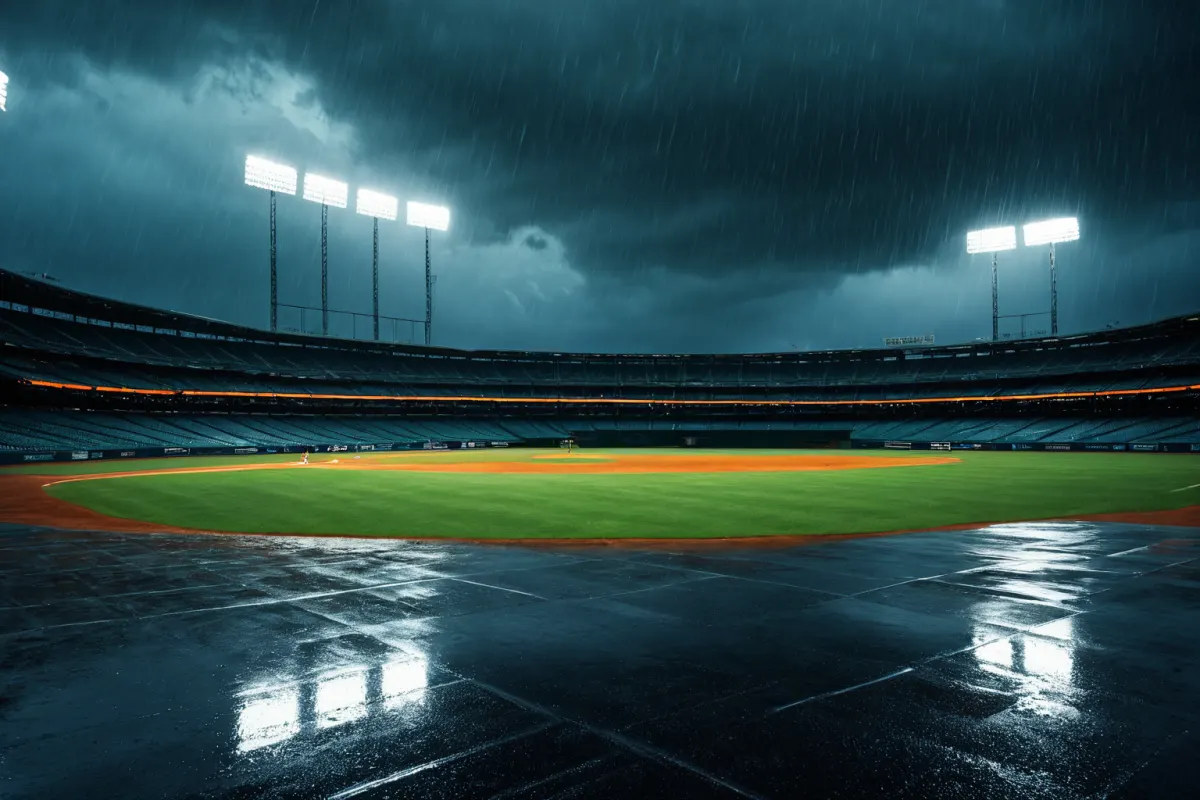
KBO League games are typically canceled due to severe weather conditions like rain, strong winds, or extreme heat, as well as poor field conditions. However, it's not simply about bad weather—safety and the feasibility of holding a normal game are also evaluated.
There’s often confusion among fans between pre-announced cancellations and last-minute decisions. This can leave fans wondering why some games proceed in similar weather while others get canceled.
The Basic Criteria for KBO League Game Cancellations
The primary factor is the safety of players and spectators. If slipping hazards, poor visibility, or lightning risks are present, cancellation takes priority over proceeding with the game.
Secondly, the viability of the game itself is assessed. If the infield and outfield cannot drain water properly or if soil and grass conditions are severely damaged, the game won’t go ahead. Conversely, if rain is expected to stop quickly and field maintenance can be done in time, the game may just wait it out.
Thirdly, scheduling considerations play a role. For night games that start late due to weather delays, there might be an attempt to resume after a brief pause—but starting too late could lead to cancellation considering player safety, broadcasting schedules, and upcoming fixtures.
You can find more articles on similar topics in one place.
View Related ArticlesDifference Between Rain Cancellations and Game Viability
A common point of confusion is the distinction between rain cancellations and whether a game can actually be played. It’s not just about whether it’s raining—it’s about whether the game can start and continue to completion.
For instance, heavy rain before the game starts often leads to cancellation. However, if light rain occurs in the first or second inning but is expected to stop quickly, and the field drains well, the game might pause briefly and then resume.
The key here is the concept of a ‘viable’ game. Generally, a game must reach a certain number of innings before it’s considered valid, but cancellation and viability are separate concepts. Games canceled early versus those already underway will be handled differently.
Other Reasons for Cancellations Beyond Weather
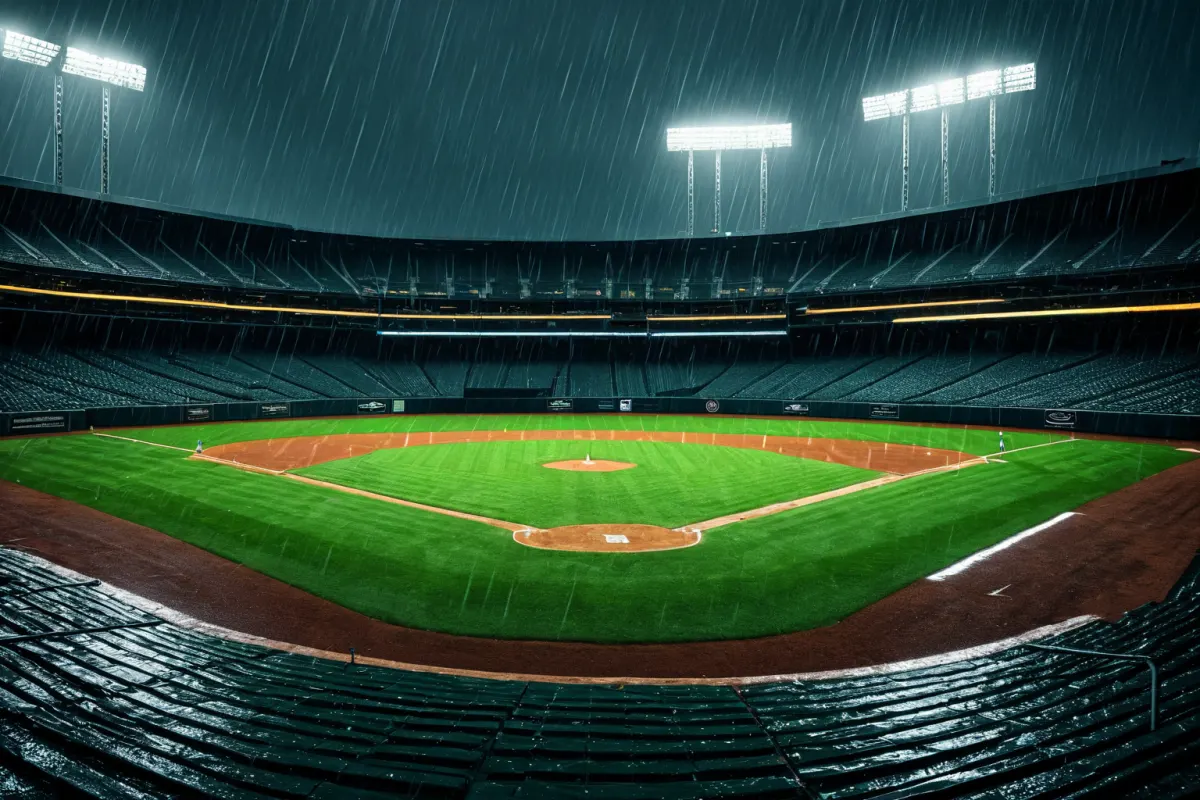
KBO League game cancellations aren’t solely weather-related. Strong winds that threaten fence safety, extreme heat making player condition management difficult, or lightning sightings can all lead to changes in operations.
Lightning is particularly critical—if it’s detected, immediate evacuation procedures for both players and spectators are required, which often leads to cancellation if delays become too long. In fact, thunderstorms with lightning can cause quicker cancellations than just light rain.
Field-related issues also play a role. Problems like lighting failures, scoreboard malfunctions, or spectator seating safety concerns can result in cancellations even if the weather is fine. Ultimately, the decision hinges on whether the game can be held—not simply whether it’s raining.
The Need for Collective Judgment by Teams and Umpires
Game cancellations aren’t decided unilaterally. The decision involves input from team operations staff, umpires, and field management personnel who assess conditions on-site. This means outcomes can vary between stadiums—even within the same time frame.
For example, a stadium like Jamsil may require more time to dry the infield after light rain compared to another venue with better drainage. Fans might wonder why one game proceeds while another is canceled—but it’s often due to differences in field characteristics and maintenance capabilities.
Baseball relies heavily on consistent field conditions; wet soil can lead to more defensive errors and injury risks. Thus, when in doubt, cancellations are preferred over proceeding with a risky game.
How Fans Can Confirm Game Cancellations
The most reliable way is to check both team announcements and KBO operational notices. Cancellations often aren’t confirmed until close to the scheduled time, so relying only on ticket reservation messages might lead to missing out.
For example, if a game is set for 6:30 PM but rain is forecasted starting at 4 PM, fans with tickets should monitor team social media and venue announcements from around 5 PM onward. Sometimes games are initially marked as “allow entry, then wait,” before being canceled later.
If you’re planning to attend, bring a waterproof jacket instead of an umbrella (as rain may be heavy), and check public transport schedules for the last bus or train in case of delays. This way, you can avoid unnecessary trips by considering both game attendance and travel time.
Real-World Examples of Cancellation Criteria
The first example involves sudden heavy rain just before a game starts. In such cases, water accumulation on the field makes maintenance difficult, leading to earlier cancellations than expected.
The second scenario is when rain stops briefly during the game. Rather than canceling immediately, teams may pause warm-ups and monitor conditions before deciding whether to resume. While this can be frustrating for fans, it’s necessary for player trust in the decision-making process.
The third example involves extreme heat games. Even if a game proceeds as scheduled, player safety measures like increased hydration and field maintenance are heightened. However, extreme heat alone rarely leads to cancellation—other risks must coincide with it for cancellation to be likely.
Post-Cancellation Ticket Handling and Schedule Changes
If a game is canceled, tickets are typically automatically refunded or processed according to the team’s policy. However, refund speed and method may vary depending on the ticketing platform and the team’s specific rules, so it’s wise to keep your payment details and reservation information handy.
When rescheduling occurs, doubleheaders or future rebooking might follow. So rather than just thinking “I missed today’s game,” fans should check updated schedules for potential make-up dates.
For those attending in person, be aware that cancellation notices can sometimes come late. If you’re already at the venue, prioritize announcements over other sources to stay informed safely.
Tips to Anticipate Game Cancellations
If a forecast predicts light rain (around 1mm), teams usually wait and observe further before making a decision. However, higher rainfall rates or continuous rain starting before the game significantly increase cancellation likelihood—especially for afternoon games compared to evening ones.
Also consider stadium-specific factors. Venues with good drainage can resume quickly after rain stops, while those prone to wind or already wet fields may take longer to dry out. Checking weather forecasts and team announcements the day before your ticket purchase is practical advice for real-world planning.
For example, if you’re planning a road trip to watch a game, check both the 3-hour forecast and lightning alerts before heading out. Also, consider whether transportation options can be adjusted in case of delays. Baseball’s unpredictable nature means keeping plans flexible helps reduce stress.
FAQ
Q1: Do KBO League games get canceled automatically if it rains?
A1: No. If the game can proceed safely, teams will wait or pause briefly before resuming. Field conditions and safety are prioritized over weather alone.
Q2: Can a game be canceled after it has already started?
A2: Yes. If heavy rain, lightning, strong winds, or other hazards make continued play unsafe, the game may be suspended and canceled later.
Q3: Where can I check for the fastest cancellation updates?
A3: Check team announcements, venue notices, and ticketing platform alerts together. On-site, listen to venue announcements as well.
Remember that cancellation criteria vary based on weather, field conditions, and operational decisions—so double-check daily announcements and latest operational guidelines before heading out.
Keep exploring articles on similar topics.
Browse Category ArticlesFAQ
Do KBO League games get canceled automatically if it rains?
No. If the game can proceed safely, teams will wait or pause briefly before resuming. Field conditions and safety are prioritized over weather alone.
Can a game be canceled after it has already started?
Yes. If heavy rain, lightning, strong winds, or other hazards make continued play unsafe, the game may be suspended and canceled later.
Where can I check for the fastest cancellation updates?
Check team announcements, venue notices, and ticketing platform alerts together. On-site, listen to venue announcements as well.
Korean Source
This article is an English localization of a Korean-language report from BlogScore. Original: KBO리그 경기 취소 이유와 취소 기준은 무엇?