
Understanding Kamikaze: Historical Meaning and Modern Interpretations in Japanese History
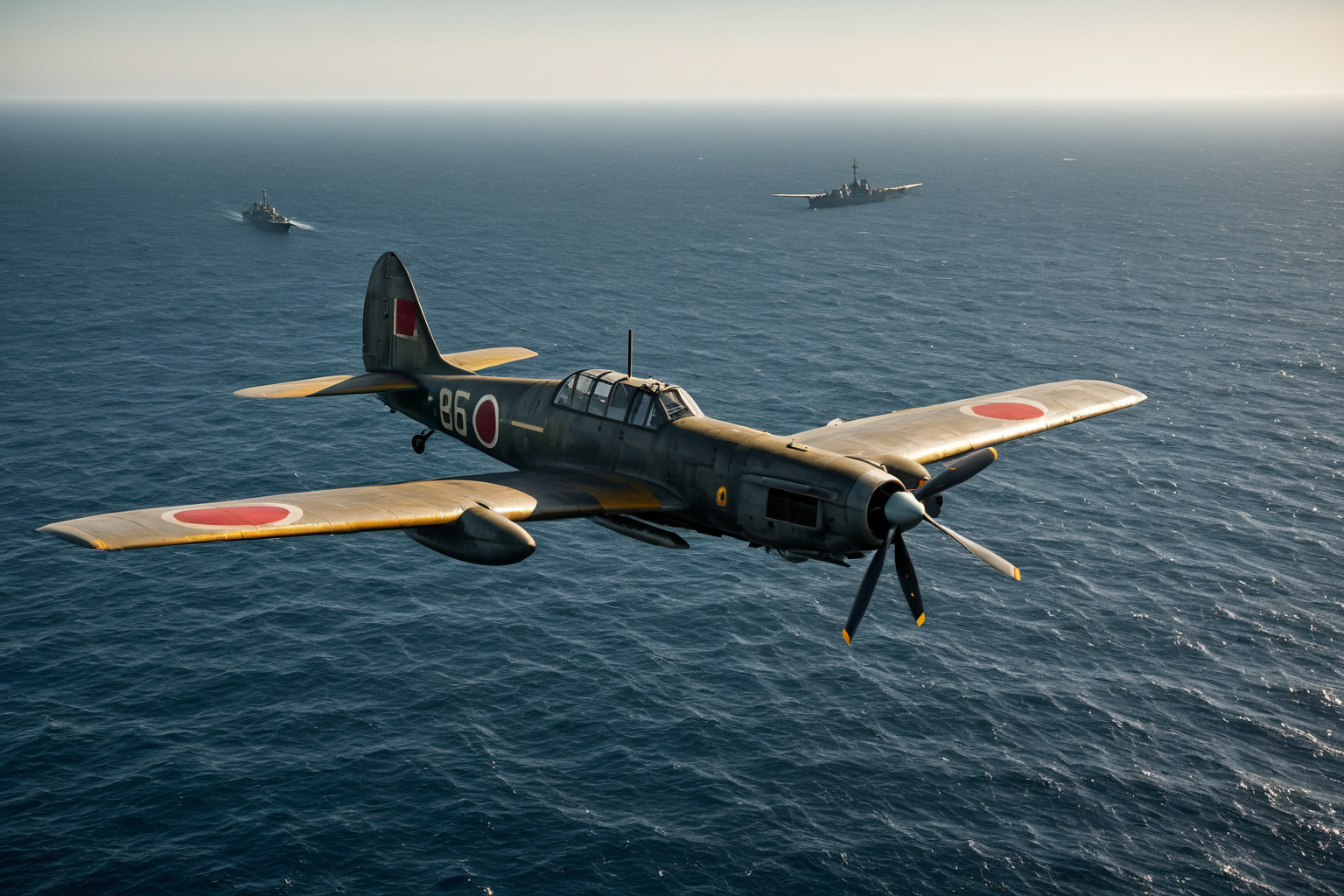
The Meaning of Kamikaze: From Divine Wind to Suicide Attack Squad
Kamikaze is a Japanese term meaning 'divine wind,' referring to the suicide attack squad used by the Imperial Japanese military during World War II. The term has become controversial due to its historical association with war crimes, and in modern times it has been misinterpreted through commercialization.
Etymology and Meaning of Kamikaze
Kamikaze literally means 'divine wind' in Japanese, with 'kami' meaning god or deity and 'kaze' meaning wind. However, the term gained historical significance during World War II when Japan organized suicide attack units.
Historical documents indicate that kamikaze was sometimes interpreted as 'sacrifice to the gods,' but this was a way for Japanese military leaders to glorify reckless tactics aimed at winning battles. After 1944, the term became officially used and appeared to carry positive connotations of 'divine power' or 'divine assistance,' though in reality it was used to romanticize war's tragedies.
Historical Context: Kamikaze Operations After 1944
Kamikaze operations were actively employed by the Japanese military in the Pacific War after 1944. As Japan faced increasing defeats against the United States, these suicide missions inflicted significant damage on enemy forces.
Specifically from late 1944 to early 1945, kamikaze units primarily targeted aircraft carriers and battleships. These operations were considered Japan's final desperate resistance, with a nearly 100% fatality rate for pilots. Historical records indicate that the first large-scale use occurred during the Battle of Leyte Gulf on October 25, 1944.
These tactics continued until the end of the war. Kamikaze units were active mainly from March to August 1945, with an estimated 2,000 Japanese pilots participating in these missions.
Recruitment of Koreans: 16 Koreans Participated
Historical records confirm that 16 Koreans were recruited into kamikaze units. This was part of Japan's colonial policies during its imperial period, where Koreans were forcibly conscripted into military service—a fact still viewed as a historical tragedy today.
The fatality rate for Korean pilots was also nearly 100%, highlighting the grim reality they faced. Some Korean pilots have been identified in historical research, such as Kim Young-su and Lee Dong-ho, both from Gyeongnam Province who trained in Japan's military aviation before participating in combat in March 1945. However, specific details about their deaths remain unclear.

Modern Misunderstandings and Controversy: Commercialization and World Heritage Attempts
Today, the term 'kamikaze' is used commercially in Japan, appearing as business names or product branding. For example, some shops in Tokyo have used 'Kamikaze' as a business name, and T-shirts featuring the term have been sold.
This commercialization has been criticized for failing to accurately represent historical facts. Given that kamikaze is widely seen as a symbol of war crimes, its use in branding is considered inappropriate by many.
In February 2014, KBS News reported that Japan attempted to register 'kamikaze' as a World Heritage site but faced rejection due to controversy over glorifying war crimes. This reflects ongoing international disputes regarding Japan's historical recognition policies.
Additionally, in 2017, a Japanese company launched a cocktail named 'Kamikaze' with 35% alcohol, claiming it represented the meaning of 'divine wind.' However, this caused strong backlash from South Korea and China, among other Asian nations.
Historical Awareness and Japanese Perspectives
Japanese public opinion on kamikaze is divided. Some reports suggest that some Japanese people do not fully understand the term's meaning.
However, this information lacks specific statistics or sources, making it unverified. Japan's historical recognition issues remain a topic of debate, such as when in 2015 the Japanese Ministry of Education considered describing kamikaze operations as 'self-sacrifice' in middle school textbooks—a proposal later revised due to strong objections from South Korea and China.
Within Japan, there are also voices calling for accurate historical representation. For instance, a research institute began a project in 2016 to preserve accurate records of kamikaze operations, aiming to avoid distortion of historical facts.
Modern Interpretation of Kamikaze
In modern times, kamikaze is often understood only as 'divine wind,' ignoring its historical context entirely.
Historically, kamikaze referred specifically to the suicide attack squad used by Japanese forces during World War II—a practice widely regarded as a war crime. Therefore, understanding this history accurately and learning from it is crucial for modern interpretations.
Notably, kamikaze operations represent Japan's strategic failure in WWII, serving as a reminder of war's tragedies and encouraging reflection on peace and human rights. Accurate historical understanding is the first step to avoid repeating past mistakes.
Verified Information: Kamikaze-Related Reports and Sources
To understand kamikaze accurately, it's important to consult multiple sources. While reports mention 16 Koreans recruited into kamikaze units, specific details about individuals remain limited.
Japanese historical documents provide insight into how the term was used. For example, records of kamikaze operations are preserved at Japan's National Archives and are publicly accessible.
Modern commercial controversies around kamikaze should also be noted. In 2019, the Japanese government considered strengthening regulations on products using 'kamikaze' but has yet to implement specific measures.
Frequently Asked Questions
What does Kamikaze mean?
Kamikaze is a Japanese term meaning 'divine wind,' referring to the suicide attack squad used by Japan's military during World War II.
Were Koreans also recruited into kamikaze units?
Yes, 16 Koreans were confirmed to have participated in kamikaze units. This was part of Japan's colonial policy, where Koreans were forcibly conscripted into military service.
What modern issues exist regarding Kamikaze?
Today, the term is sometimes used commercially as business names or product branding in Japan, which critics argue misrepresents historical facts and risks glorifying war crimes.
You can view similar articles on this topic all at once.
View Related ArticlesFAQ
What does Kamikaze mean?
Kamikaze is a Japanese term meaning 'divine wind,' referring to the suicide attack squad used by Japan's military during World War II.
Were Koreans also recruited into kamikaze units?
Yes, 16 Koreans were confirmed to have participated in kamikaze units. This was part of Japan's colonial policy, where Koreans were forcibly conscripted into military service.
What modern issues exist regarding Kamikaze?
Today, the term is sometimes used commercially as business names or product branding in Japan, which critics argue misrepresents historical facts and risks glorifying war crimes.
Korean Source
This article is an English localization of a Korean-language report from BlogScore. Original: 카미카제 뜻, 일본 역사에서의 의미와 현대적 해석