
Understanding 'Iyeolchiryeol': A Traditional Korean Concept and Its Modern Interpretations
Understanding 'Iyeolchiryeol': Meaning and Historical Context
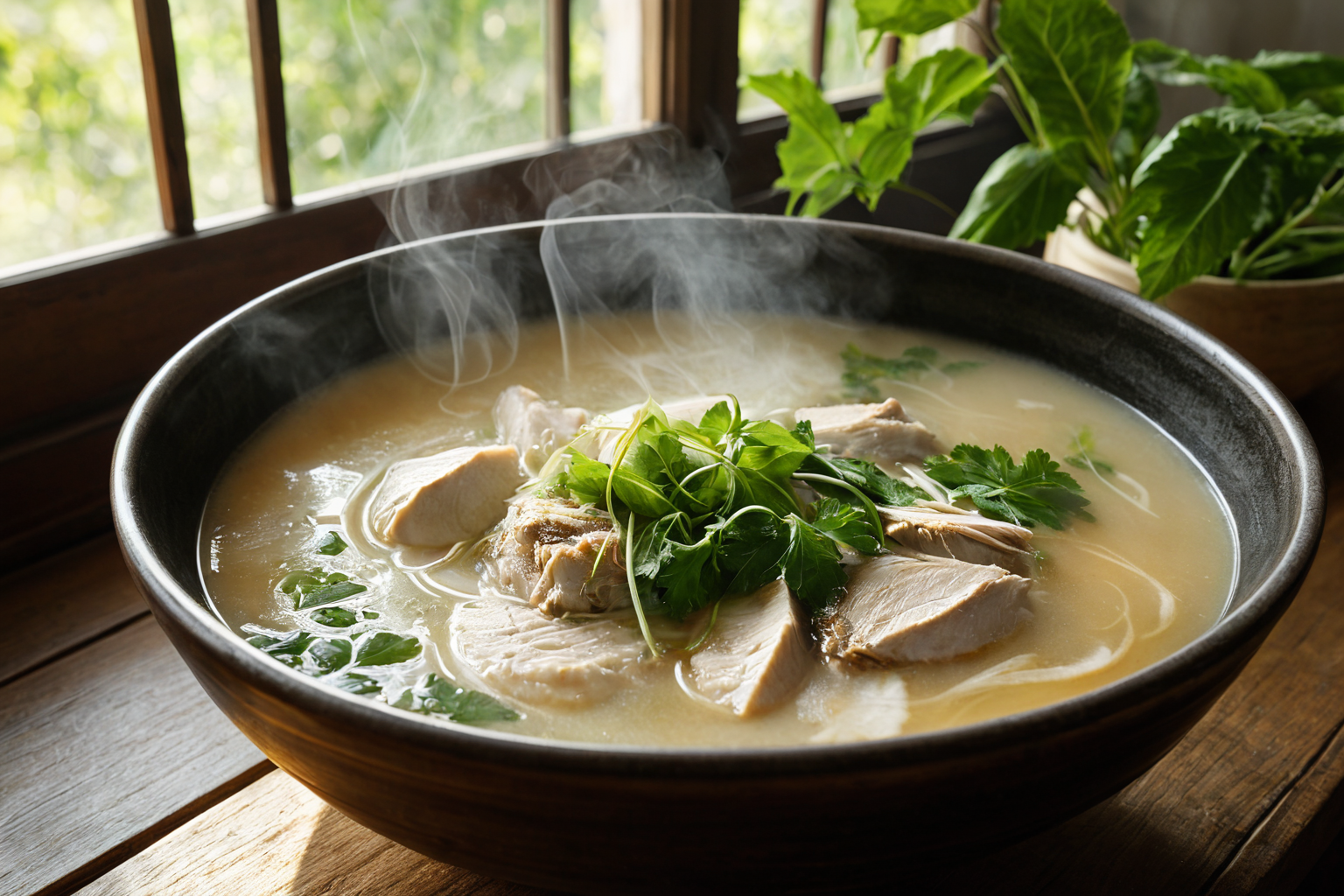
'Iyeolchiryeol' is a Korean idiom meaning 'using heat to treat heat,' derived from the Chinese characters 以熱治熱. Traditionally, it described the practice of consuming hot foods like samgyetang (ginseng chicken soup) during summer to combat the heat, reflecting an ancient belief in balancing body temperature through dietary habits.
Historical Meaning and Hanja Representation
The idiom is written in Chinese characters as 以熱治熱, meaning 'to treat heat with heat.' It was explained in articles from Chosun Ilbo (October 28, 2015) under the series 'Learning Practical Characters Through Newspapers' and by Incheon Daily (August 13, 2013) in an article titled 'A Story of Hanja: All Things Under the Sun.'
Historically, this concept was used in traditional medicine to treat conditions characterized by excessive heat. The idea was that consuming hot foods or drinks could help balance body temperature when overheated during summer months—a practice considered part of managing health during the 'sambok' (three periods of extreme heat) season.
Traditional Practices and Modern Adaptations
Samgyetang, a popular dish eaten during the first day of summer (chobok), is a classic example of this concept. In 2017, the Marine Corps held a summer training camp applying this principle to help soldiers cope with heat. Both Chosun Ilbo and Incheon Daily referenced samgyetang consumption as an illustrative example of 'Iyeolchiryeol' in their articles.
In modern times, the concept has expanded into various fields. A 2022 tennis tournament featured coverage centered around 'Iyeolchiryeol,' and in 2025, Lotte Wellfood will host the 'Seolleim Run' marathon as a reinterpretation of this idea. Additionally, the rising popularity of spicy foods has led to a trend called 'Mapbusim' (spicy craving), which can be seen as a contemporary expression of 'Iyeolchiryeol.'
Scientific Debate and Traditional Wisdom
The scientific basis for 'Iyeolchiryeol' remains debated. Some media outlets have noted the lack of scientific evidence, yet it has long been regarded as traditional wisdom. A 2019 science column discussed both the meaning of this idiom and its modern interpretations.
While there is no scientific proof that consuming samgyetang helps regulate body heat, the practice continues to be widely used as a part of traditional health management during summer. This reflects how traditional knowledge often coexists with science in contemporary society.
Recent Events Linked to 'Iyeolchiryeol'
Lotte Wellfood announced plans to host the 'Seolleim Run' marathon on July 20, 2025. The event reinterprets the concept of 'Iyeolchiryeol' by encouraging participants to run in hot weather as a way to overcome heat through physical activity.
Similar applications were reported during the 2017 Marine Corps summer camp training and at the 2022 tennis tournament. These examples illustrate how the idiom is being adapted into modern contexts across different sectors.
The concept of 'Iyeolchiryeol,' once a traditional health practice, now appears in diverse forms—from eating samgyetang to organizing sports events—showcasing how Korean culture adapts to changing times while preserving its roots.

Scientific Debate on 'Iyeolchiryeol'
From a scientific perspective, discussions about the validity of 'Iyeolchiryeol' are ongoing. Some researchers claim that eating samgyetang may help regulate body heat, though this has not been scientifically proven.
The tradition of consuming hot foods during summer has persisted for centuries. However, modern medicine questions whether such practices effectively manage body temperature.
Events and Trends Linked to 'Iyeolchiryeol'
'Iyeolchiryeol' has evolved beyond a simple idiom into various cultural expressions. The 2025 Lotte Wellfood 'Seolleim Run' marathon is a prime example of reinterpreting this concept through sports.
Alongside this, the growing interest in spicy foods has given rise to the trend known as 'Mapbusim,' reflecting a modern take on 'Iyeolchiryeol.' This trend is now applied across various food products such as ramen and burgers.
Cultural Significance
'Iyeolchiryeol' symbolizes traditional Korean health practices, particularly the custom of eating samgyetang during summer's 'sambok' period. This cultural practice can be understood as a modern interpretation of the idiom.
This tradition reflects not only health management but also social customs and continuity of traditional knowledge. Overcoming summer heat through established methods is part of Korean daily life, connecting past practices with present-day habits.
'Iyeolchiryeol' in Modern Society
Despite criticism regarding the lack of scientific evidence, 'Iyeolchiryeol' continues to be embraced as traditional wisdom and applied in various forms today. It represents a harmonious blend of tradition and modernity.
The expansion of this concept into new formats like sports events demonstrates how Korean culture adapts to contemporary times. From eating samgyetang to participating in marathons, 'Iyeolchiryeol' remains relevant through diverse expressions that connect the past with the present.
FAQ
The Chinese characters for 'Iyeolchiryeol' are 以熱治熱, meaning 'to treat heat with heat.'
In modern times, 'Iyeolchiryeol' has expanded to include practices like eating samgyetang, the popularity of spicy foods ('Mapbusim'), and sports events such as Lotte Wellfood's '2025 Seolleim Run' marathon.
While there is no strong scientific evidence supporting it, it remains widely used as a traditional health practice during summer. It represents how traditional knowledge persists alongside modern science in contemporary society.
Discover more articles on similar topics.
View Related ArticlesFAQ
What are the Hanja characters for 'Iyeolchiryeol'?
The Hanja is 以熱治熱, meaning 'to treat heat with heat.'
How has 'Iyeolchiryeol' evolved in modern times?
It now includes eating samgyetang, spicy food trends like 'Mapbusim,' and events such as the 2025 'Seolleim Run' marathon.
Is there scientific evidence supporting 'Iyeolchiryeol'?
No strong scientific evidence exists, but it remains a widely practiced traditional health method during summer.
Korean Source
This article is an English localization of a Korean-language report from BlogScore. Original: 이열치열 뜻, 한자와 현대적 사용법 비교