
Understanding 'Hokseumumin': The Meaning and Modern Use of a Classical Korean Phrase
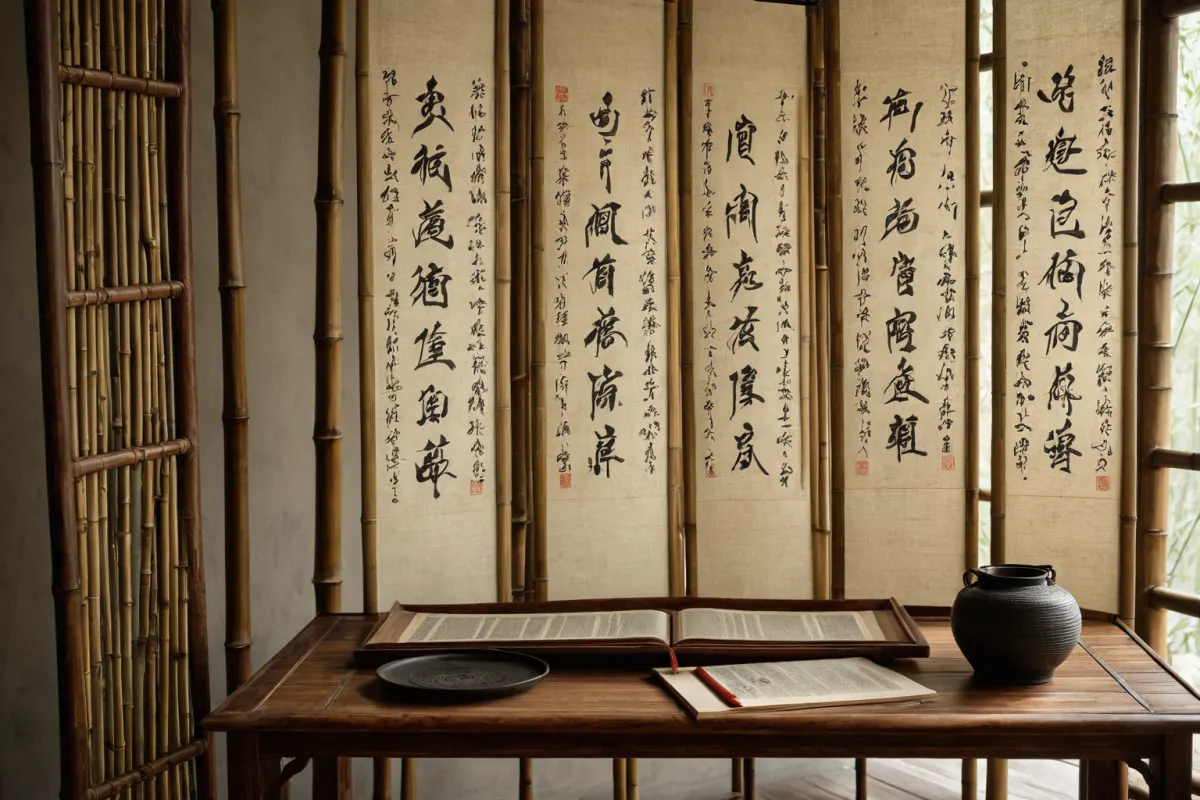
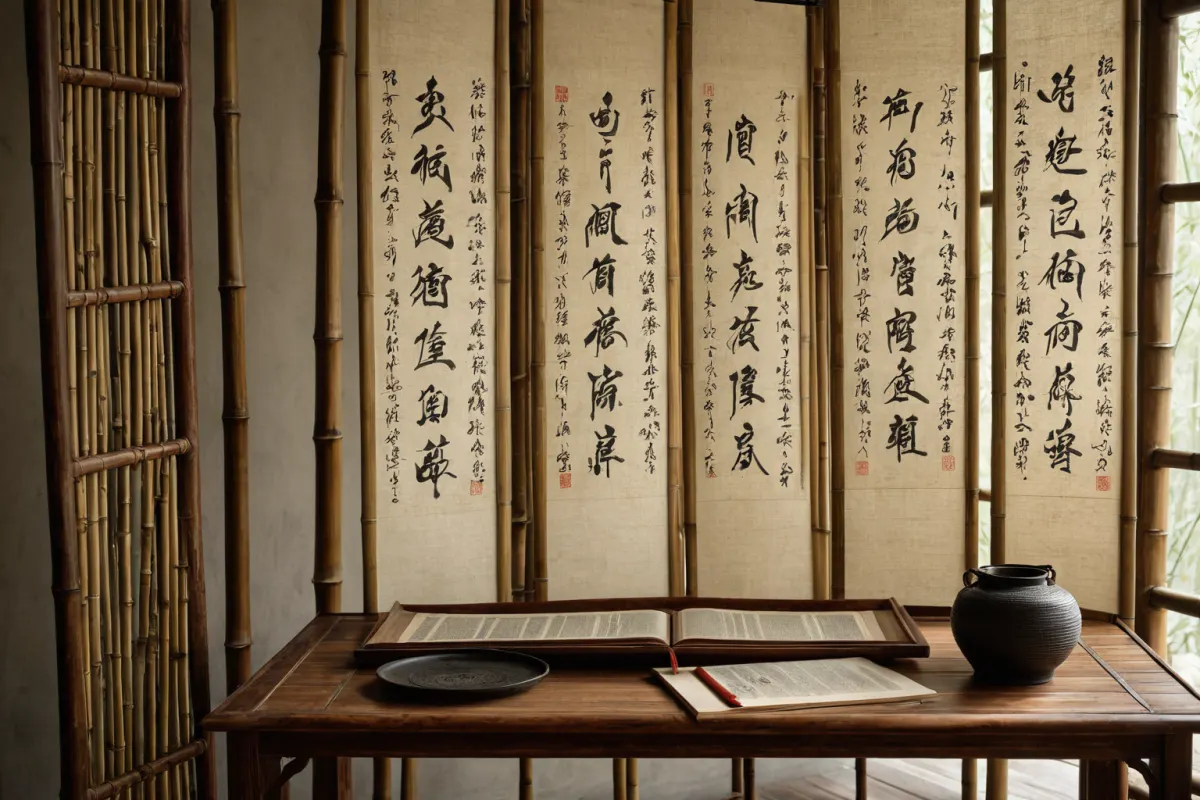
The Meaning of Hokseumumin in Chinese Characters
Hokseumumin (惑世誣民) is a classical phrase meaning 'to confuse the world and deceive the people.' It is used to criticize actions that distort facts and mislead the public, often appearing in political debates when conservative parties or figures attack progressive individuals or policies.

The Meaning and Historical Context of Hokseumumin
Hokseumumin originates from classical texts, where '惑世' means to confuse or disrupt the world, and '誣民' refers to deceiving the people. The term is used to criticize spreading misinformation that causes social unrest.
On October 18, 2019, MP Ha Tae-kyung criticized Yu Simin's remarks as 'hokseumumin,' claiming they distorted facts and misled the public.
On May 26, 2023, YTN reported that the Democratic Party accused the ruling party of 'hokseumumin incitement' regarding a petition opposing nuclear wastewater. This reflects how the term is used in political disputes.
On August 31, 2024, Kyunghyang Shinmun criticized the New Right group as 'hokseumumin,' illustrating its application to modern political discourse.
On December 13, 2024, The Fact reported that the ruling party labeled Kim Eo-jun's exposé as 'hokseumumin,' another example of using this classical phrase in contemporary politics.
Hokseumumin is more than just a linguistic expression; it serves as an important concept for criticizing social issues involving misinformation. It emphasizes the need to guard against misleading information that distorts public perception.
Purpose of Using Hokseumumin
The term hokseumumin is used to critique 'public deception through factual distortion.' It is frequently employed in political debates to point out when opponents' statements or policies are misrepresented, leading the public astray.
Korean media has used 'hokseumumin' to criticize politicians, journalists, and activists. For example, conservative parties often accuse progressive figures or policies of spreading misleading information under this term.
On October 9, 2023, Gyeonggi Ilbo published an article titled '[Opinion] A Country Where Hokseumumin Prevails,' discussing the increasing prevalence of misinformation that undermines public judgment.
On July 10, 2022, Jeungang Sinbo reported on 'Those Who Deceive with Apocalyptic Religious Teachings,' using hokseumumin to criticize religious groups misleading the public.
Modern Application of Hokseumumin
Though a classical phrase, hokseumumin is effectively applied in modern political discourse and social criticism. It emphasizes the importance of factual accuracy and warns against misinformation that influences public perception.
An analysis of articles from 2019 to 2024 shows 'hokseumumin' has been consistently used in political disputes, reflecting its ongoing relevance as a concept warning against spreading false information that could cause social unrest.
For instance, when conservative parties criticize progressive policies as 'hokseumumin,' they argue the policies are misrepresented or edited to mislead the public. The May 26, 2023 YTN report on the Democratic Party's opposition petition exemplifies this use.
The August 31, 2024 Kyunghyang Shinmun article criticizing the New Right as 'hokseumumin' shows how classical phrases are applied to modern political issues. Similarly, the December 13, 2024 The Fact report on Kim Eo-jun's exposé demonstrates this trend.
Hokseumumin remains a relevant concept in contemporary society, emphasizing vigilance against factual distortion to protect public judgment and maintain information accuracy.
Incidents and Cases Involving Hokseumumin
The October 18, 2019 case where MP Ha Tae-kyung criticized Yu Simin's remarks as 'hokseumumin' represents one of the early examples of applying classical phrases to modern political attacks.
The May 26, 2023 YTN report on the Democratic Party's opposition petition highlights how 'hokseumumin' is used to caution against misleading policy claims.
The August 31, 2024 Kyunghyang Shinmun article criticizing the New Right demonstrates the strategic use of classical phrases in modern political criticism.
The December 13, 2024 The Fact report on Kim Eo-jun's exposé shows how 'hokseumumin' is used to critique false information spreading among the public.
These cases illustrate how hokseumumin functions as a tool for criticism when misinformation reaches the public.
Analyzing the Causes of Hokseumumin Usage
The widespread use of 'hokseumumin' in modern politics reflects heightened awareness of factual distortion. The public increasingly values information accuracy and seeks to prevent the spread of false information.
Analysis of articles from 2019 to 2024 shows that 'hokseumumin' has been an effective tool for criticizing opponents during political disputes, as spreading misinformation can lead to social unrest.
The October 9, 2023 Gyeonggi Ilbo article mentioning 'a country where hokseumumin prevails' points to growing concerns about information that undermines public judgment.
The July 10, 2022 Jeungang Sinbo article criticizing religious groups using apocalyptic teachings as 'hokseumumin' shows how classical phrases can be applied to various modern issues.
Responses and Safety Information Related to Hokseumumin
To prevent hokseumumin, verifying facts and ensuring accurate information is crucial. During political debates, one should be cautious not to spread misinformation that could mislead the public.
The May 26, 2023 YTN report where the ruling party criticized the Democratic Party's petition as 'hokseumumin incitement' emphasizes maintaining information accuracy.
The August 31, 2024 Kyunghyang Shinmun article criticizing the New Right as 'hokseumumin' demonstrates how classical phrases are used strategically to highlight factual distortion in political debates.
The December 13, 2024 The Fact report on Kim Eo-jun's exposé shows that when 'hokseumumin' is used politically, it serves as a tool to critique false information spread among the public.
Public awareness of factual distortion and careful verification of information are essential for making informed decisions. When encountering political claims labeled as 'hokseumumin,' verifying their factual basis is important.
Verified Information
The precise meaning of hokseumumin is 'to confuse the world and deceive the people.' This term, originating from classical texts, is used to criticize misleading actions in political debates.
Key cases include MP Ha Tae-kyung's 2019 criticism of Yu Simin, YTN's May 26, 2023 report on petition opposition, Kyunghyang Shinmun's August 31, 2024 critique of the New Right, and The Fact's December 13, 2024 coverage of Kim Eo-jun's exposé.
Hokseumumin remains a relevant concept in modern society, emphasizing vigilance against factual distortion to protect public judgment and maintain information accuracy.
Frequently Asked Questions
What does hokseumumin mean?
Hokseumumin (惑世誣民) means 'to confuse the world and deceive the people.' It is used to criticize actions that distort facts and mislead the public.
In what situations is hokseumumin used?
Hokseumumin is typically used in political debates or social criticism when misinformation spreads, misleading the public. Conservative parties often use it to attack progressive figures or policies.
Is hokseumumin a classical phrase?
Yes, hokseumumin originates from classical texts. '惑世' means confusing or disrupting the world, and '誣民' means deceiving the people. It remains in use today within political discourse.
Where can I find sources about this information?
Refer to MP Ha Tae-kyung's remarks on October 18, 2019; YTN's report on May 26, 2023; Kyunghyang Shinmun's article on August 31, 2024; and The Fact's coverage on December 13, 2024.
Frequently Asked Questions
Hokseumumin (惑世誣民) is a classical phrase meaning 'to confuse the world and deceive the people.' It is used to criticize actions that distort facts and mislead the public, often appearing in political debates when conservative parties attack progressive figures or policies.
Analysis of articles from 2019 to 2024 shows 'hokseumumin' has been consistently used in political disputes. It serves as a tool for criticizing misinformation that reaches the public.
Hokseumumin, though a classical phrase, remains relevant today as it emphasizes vigilance against factual distortion. This helps protect public judgment and maintain information accuracy.
When encountering 'hokseumumin' in political debates, verifying whether the content aligns with facts is crucial for protecting public judgment and preventing social unrest.
You can find similar articles on this topic in one place.
View Related ArticlesFAQ
What does hokseumumin mean?
Hokseumumin (惑世誣民) means 'to confuse the world and deceive the people.' It is used to criticize actions that distort facts and mislead the public.
In what situations is hokseumumin used?
It's typically used in political debates or social criticism when misinformation spreads, misleading the public. Conservative parties often use it to attack progressive figures or policies.
Is hokseumumin a classical phrase?
Yes, it originates from classical texts. '惑世' means confusing or disrupting the world, and '誣民' means deceiving the people. It remains in use today within political discourse.
Where can I find sources about this information?
Refer to MP Ha Tae-kyung's remarks on October 18, 2019; YTN's report on May 26, 2023; Kyunghyang Shinmun's article on August 31, 2024; and The Fact's coverage on December 13, 2024.
Korean Source
This article is an English localization of a Korean-language report from BlogScore. Original: 혹세무민 한자 뜻과 함께 알아보는 고전 명언