
Understanding the Difference Between Heatwave Advisory and Heatwave Alert in Gyeonggi and Jeju
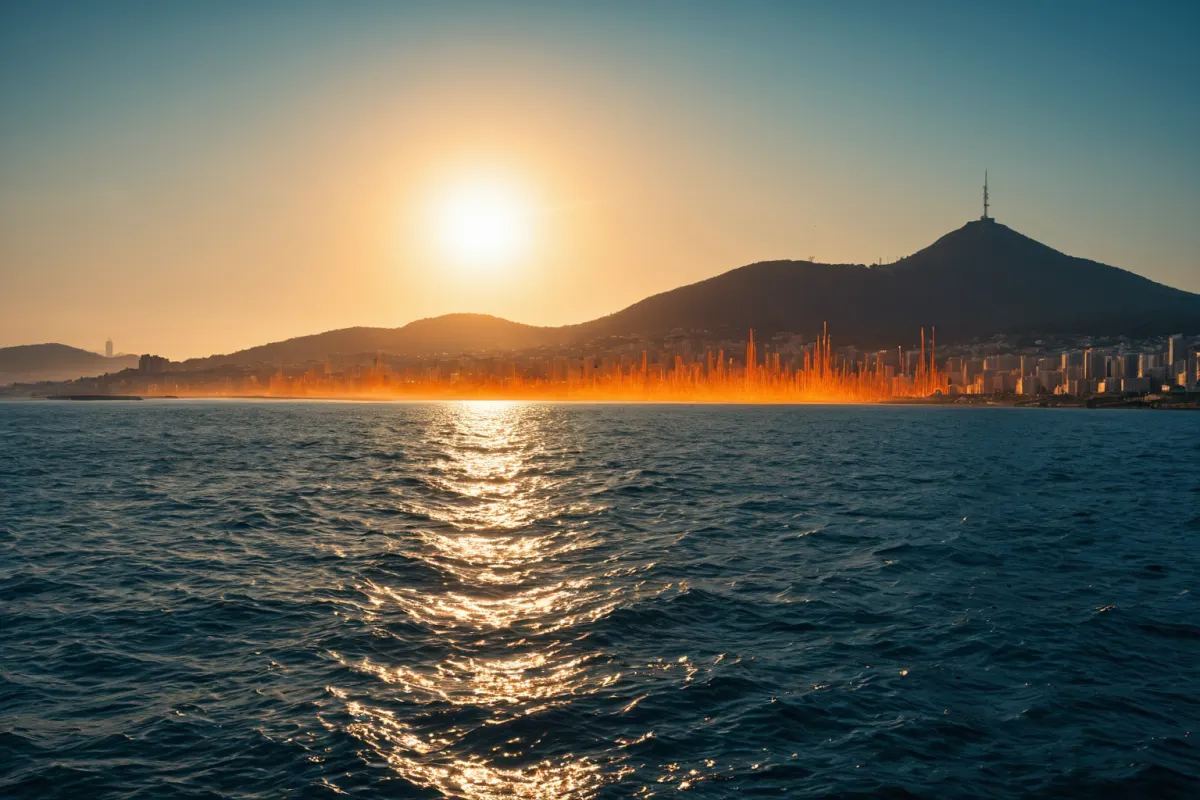
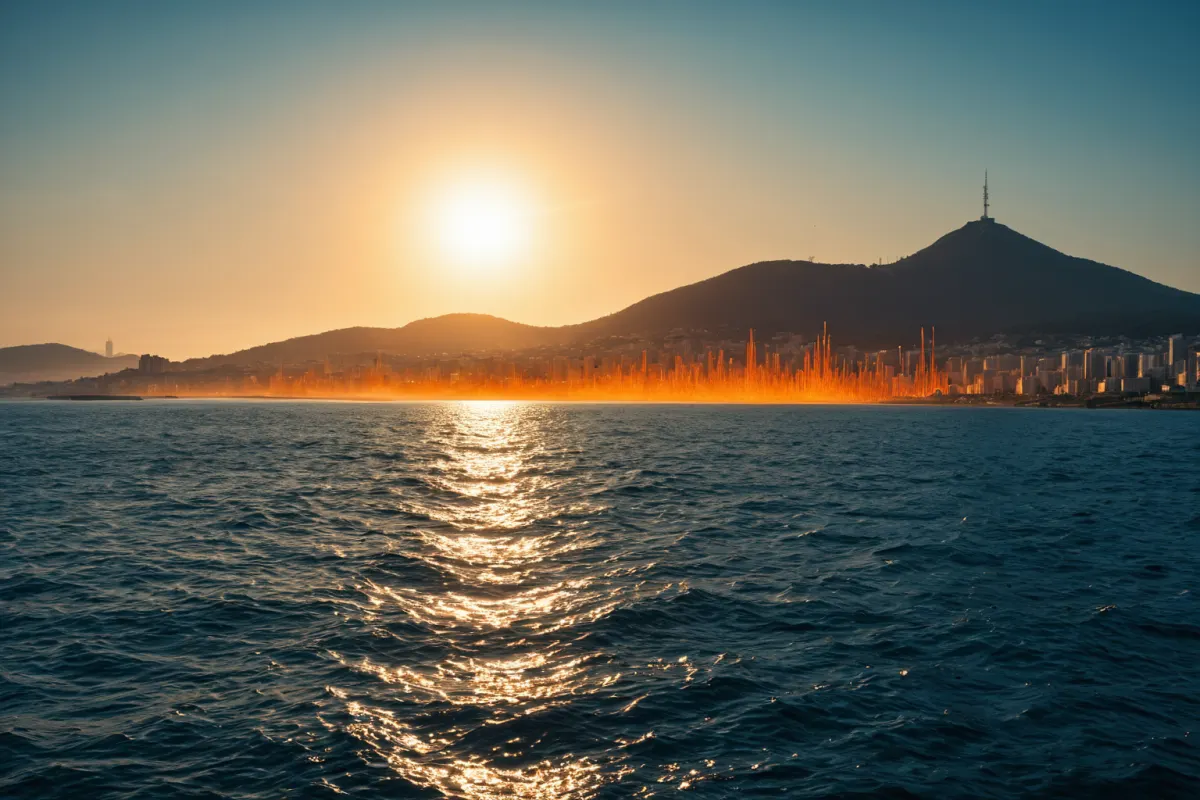
The difference between a heatwave advisory and a heatwave alert in Gyeonggi and Jeju is more than just a name change. An advisory warns of potential worsening conditions, while an alert indicates a higher risk of health impacts requiring stronger action.
In other words, the same 'heat' can mean different levels of danger and require different responses. If you're planning to go out or work outdoors today, it's more important to check which level has been issued than just the temperature reading.
Key Differences Between Heatwave Advisory and Alert
Heatwave alerts are based on temperature and duration. A heatwave advisory typically means conditions are hot enough that health precautions should be taken.
A heatwave alert is a more severe level, indicating a higher risk of heat-related illnesses like heat exhaustion or heatstroke. The same 35°C weather could trigger an alert if it persists for several days.
In reality, what matters more than 'how hot it is today' is 'how many consecutive hot days there are.' Different regions, such as Gyeonggi and Jeju, can experience varying levels of risk even with similar temperatures due to local conditions.
You can find more articles on this topic in one place.
View Related ArticlesSituations to Watch for in Gyeonggi
Gyeonggi Province, with its large urban areas and high development, often experiences heat buildup during the day that doesn't cool down at night. Urban areas with lots of asphalt can make temperatures feel even higher than they actually are.
If you commute by public transport or work outdoors—such as in construction, delivery, or security—you may feel fatigued more quickly even during an advisory-level heatwave. Staying hydrated and avoiding outdoor activities around midday is recommended.
For example, if planning to visit a park with children, consider shifting the time from 2–5 PM to early morning or evening instead, as the perceived heat doesn't drop easily even in shaded areas.
Different Perceived Risks in Jeju
Jeju often feels cooler due to sea breezes, but high humidity means sweat evaporates slowly. This can make you feel more exhausted than the temperature suggests, especially if it's not extremely hot by Gyeonggi standards.
During peak tourist seasons, long walks, outdoor waiting times, and repeated short exposures while driving a rental car can lead to dehydration quickly. Even drinking water may not be enough if your mouth feels dry or you feel lightheaded—these are signs of overexertion.
For example, when planning a midday visit to Seongsan or beaches, include breaks in air-conditioned spaces rather than relying only on hats and sunscreen. Pushing through the heat can lead to exhaustion faster than expected in Jeju's climate.

What to Check When You See a Heatwave Alert
The first things to check when seeing an alert are the region, level, and validity period. Even within Gyeonggi, not all areas will have the same alert level at once, and Jeju's regions may experience different conditions.
Next, look at today's and tomorrow's high and low temperatures along with humidity levels. Nights that stay hot (heat island effect) can cause more fatigue than just hot days.
The quickest adjustment is to change your outdoor schedule. If you have plans like deliveries, children's school runs, outdoor exercise, or farming tasks, try moving them to the morning hours and include water breaks in your plan for safety.
Practical Tips for Managing Heat Exposure
During an advisory, focus on managing without overexertion. During an alert, actively seek cooler spaces. If you can't keep air conditioning running all day, rotating between cooled areas is better than enduring with just a fan.
Indoors, close curtains to block direct sunlight and place water bottles where they're visible to avoid forgetting to drink. When going out, wear light-colored clothing, wide-brimmed hats, and umbrellas to reduce the perceived heat burden.
Older adults and young children may not recognize their own symptoms well, so check on them more often. If you notice headaches, nausea, muscle cramps, or sudden fatigue, move them to a cool place immediately.
Key Takeaways: Gyeonggi vs. Jeju Heatwave Alerts
The most common confusion when searching is whether one region is riskier than the other. The answer isn't about geography—it's about current conditions. In Gyeonggi, urban heat islands and nighttime heat are often concerns, while Jeju's high humidity and strong sunlight can make it feel more exhausting.
So even with the same alert level, the perceived burden differs. For Gyeonggi, focus on daytime heat buildup; for Jeju, watch out for humid air and prolonged outdoor exposure.
The key is to adjust your daily routine immediately after checking an alert. Don't just think 'it's going to be hot today'—adjust your schedule, timing, and rest periods to prevent actual harm.
FAQ
Q1. Do I need to avoid all outdoor activities when a heatwave advisory is issued?
No, but it's best to limit long outdoor activities. Especially between 12 PM and 5 PM, extended exposure can cause significant fatigue.
Q2. If both Gyeonggi and Jeju have the same level of heatwave alert, which area is riskier?
It depends on conditions, not just temperature. In Gyeonggi, urban heat may be more problematic; in Jeju, high humidity and strong sunlight could pose greater challenges.
Q3. What should I prioritize when a heatwave alert affects children or elderly people?
Hydration, shade, and rest are key. Encourage drinking water before thirst sets in, and avoid overheating indoor spaces.
Heatwave alerts can change frequently, so double-check the latest weather information before heading out.
Check out more articles on similar topics.
View Category ArticlesFAQ
Do I need to avoid all outdoor activities when a heatwave advisory is issued?
No, but it's best to limit long outdoor activities. Especially between 12 PM and 5 PM, extended exposure can cause significant fatigue.
If both Gyeonggi and Jeju have the same level of heatwave alert, which area is riskier?
It depends on conditions, not just temperature. In Gyeonggi, urban heat may be more problematic; in Jeju, high humidity and strong sunlight could pose greater challenges.
What should I prioritize when a heatwave alert affects children or elderly people?
Hydration, shade, and rest are key. Encourage drinking water before thirst sets in, and avoid overheating indoor spaces.
Korean Source
This article is an English localization of a Korean-language report from BlogScore. Original: 경기·제주 폭염주의보 vs 폭염경보 차이 한눈에