
Understanding Heatstroke in Seoul: Causes and Prevention Tips


Analyzing the Main Causes of Heatstroke Cases in Seoul
With an unusually rapid onset of extreme heat, Seoul has seen a sharp increase in heatstroke risks, including the first-ever heatstroke-related death in mid-May 2026. According to Seoul City Health Center statistics, during a severe heat warning issued in early August 2026, 23 cases were reported in one day, with occurrence rates 1.5 times higher between 6 AM and 10 AM.
Increasing Heatstroke Cases and Key Incidents
In mid-May 2026, Seoul recorded its first-ever heatstroke death—a man in his 80s who died due to a high temperature of 31.3°C. This marked the earliest occurrence since monitoring began. On May 17 alone, this was the city's first fatality for the year.
During the severe heat warning issued on August 4, 2026, Seoul reported 23 cases in one day, a 20% increase from the previous year (totaling 4,460 emergency room visits). This rise is attributed to increased outdoor activity as extreme heat spread quickly.
Seoul City Health Center data shows over 70% of heatstroke patients were aged 65 or older. This demographic is particularly vulnerable during hot weather, with higher risks observed for those active outdoors between 6 AM and 10 AM. The emergency room visit count for October 2025 was also up 20% year-on-year to 4,460 cases, indicating a continuing trend of worsening heat conditions.
Peak Hours and Vulnerable Groups
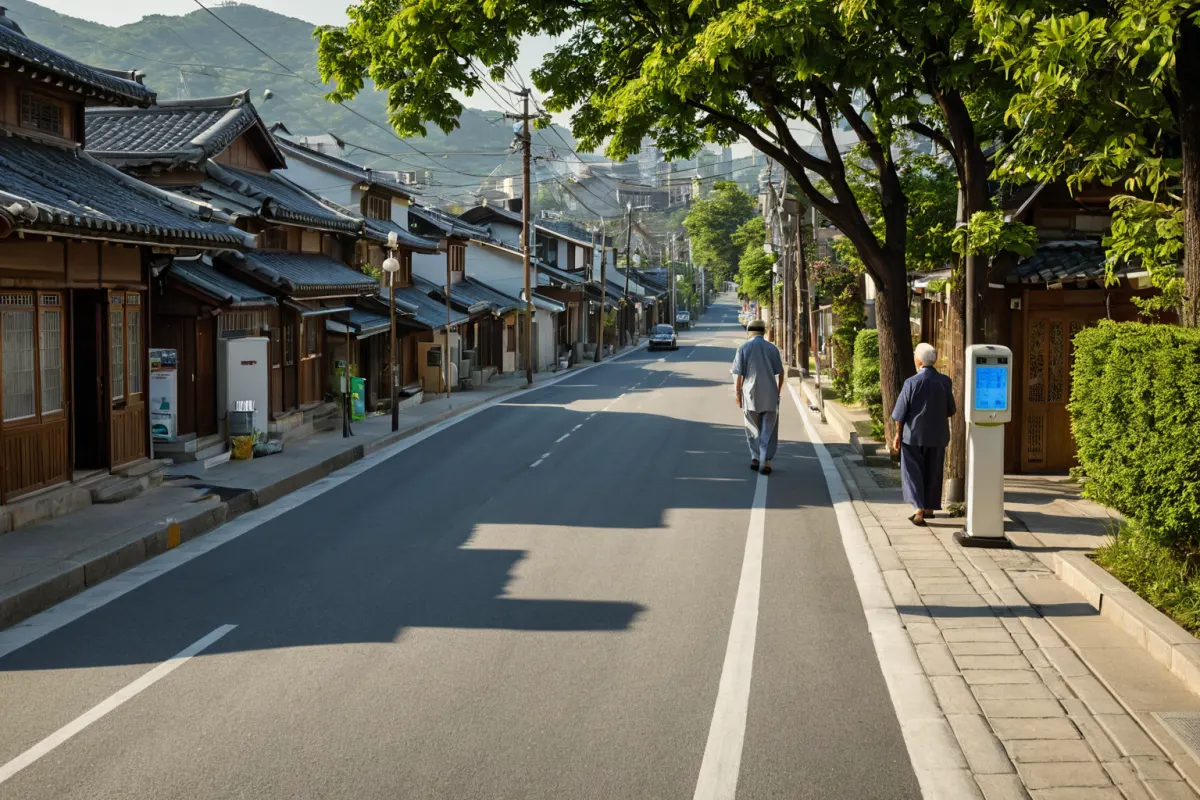
Analysis shows the highest incidence of heatstroke occurs between 6 AM and 10 AM—likely due to elderly individuals being outdoors during this time. While outdoor workers face higher risks in the afternoon, seniors are most affected during morning hours.
Many symptoms like muscle cramps are linked to electrolyte deficiency from excessive sweating without proper hydration. According to Seoul City Health Center data, over 65% of heatstroke patients experienced muscle cramps due to insufficient electrolyte intake.
To address this, Seoul is developing tailored prevention programs for seniors, focusing on minimizing outdoor activity between 6 AM and 10 AM and creating systems where family or community members can monitor health status regularly.
Prevention Campaigns and Responses
Seoul operates an emergency room monitoring system to prevent heat-related injuries through targeted health checks for vulnerable populations. The Seoul Eastern Branch of the Occupational Safety and Health Agency, in collaboration with Hyundai Department Store Cheonho Branch, recently launched a heatstroke prevention campaign. The Salvation Army distributed 2,000 bottles of water across city centers to support public prevention efforts.
Construction sites saw intensified efforts by the Government Procurement Service to prevent worker heatstroke, while Korea Airport Corporation conducted safety inspections focused on preventing heat-related incidents during summer months. Parking lots at department stores also implemented heatstroke prevention checks.
The Occupational Safety and Health Agency provides special training programs teaching workers how to effectively hydrate and replenish electrolytes after sweating. These sessions explain why immediate rehydration is necessary after sweating and why choosing drinks with electrolytes matters.
Salvation Army's water distribution was concentrated in areas with high elderly populations, recognizing that seniors are less likely to properly hydrate during extreme heat.
Korea Airport Corporation's safety inspections covered both indoor and outdoor areas of airports, with enhanced measures timed to coincide with peak passenger travel hours. This reflects their awareness of increased airport traffic during hot weather.
Prevention Tips and Health Management
To prevent heatstroke, minimize outdoor activity during extreme heat—especially avoiding going out between 6 AM and 10 AM. Rehydrate immediately after sweating, choosing beverages with electrolytes.
For seniors, establishing a routine to check health status regularly with family or neighbors is crucial. Preparation should begin as early as mid-May when heatwaves typically start. Seoul has developed a 'Heatwave Response Guide' for seniors, distributed across residential areas.
Indoor activities are also important. Keeping indoor temperatures below 26°C and avoiding electric blankets or heating devices can help. Seniors especially need to stay hydrated indoors as they may sweat even in cool environments.
Key Information and Precautions
Seoul activates its emergency room monitoring system during severe heat warnings, focusing on health checks for vulnerable populations. The Salvation Army, Occupational Safety and Health Agency, and Hyundai Department Store are jointly running prevention campaigns.
Major symptoms include headache, nausea, dizziness, and muscle cramps. If sweating stops, seek immediate medical attention. Muscle cramps after activity indicate electrolyte deficiency requiring prompt rehydration with both water and electrolytes.
Seoul operates a 'Heatwave Alert System' based on weather agency forecasts to issue severe heat warnings. This system helps citizens prepare in advance.
Frequently Asked Questions
When do most heatstroke cases occur in Seoul?
The peak time for heatstroke cases is between 6 AM and 10 AM, when elderly individuals are more likely to be outdoors. This timing correlates with higher incidence rates.
What should people pay attention to for preventing heatstroke?
To prevent heatstroke, minimize outdoor activity during extreme heat and prioritize hydration with electrolytes. Avoid going out between 6 AM and 10 AM if possible.
How are the Salvation Army and Occupational Safety and Health Agency conducting prevention campaigns?
The Salvation Army distributed 2,000 bottles of water across Seoul city centers to support public prevention efforts, while the Occupational Safety and Health Agency and Hyundai Department Store Cheonho Branch jointly launched a heatstroke prevention campaign.
Frequently Asked Questions
Which demographic experiences the most heatstroke cases in Seoul?
The 65+ age group is most affected by heatstroke, due to physical vulnerability during extreme weather and higher risks when active outdoors between 6 AM and 10 AM.
You can view similar articles in one place.
View Related ArticlesFAQ
When do most heatstroke cases occur in Seoul?
The peak time for heatstroke cases is between 6 AM and 10 AM, when elderly individuals are more likely to be outdoors.
What should people pay attention to for preventing heatstroke?
To prevent heatstroke, minimize outdoor activity during extreme heat and prioritize hydration with electrolytes. Avoid going out between 6 AM and 10 AM if possible.
How are the Salvation Army and Occupational Safety and Health Agency conducting prevention campaigns?
The Salvation Army distributed 2,000 bottles of water across Seoul city centers to support public prevention efforts, while the Occupational Safety and Health Agency and Hyundai Department Store Cheonho Branch jointly launched a heatstroke prevention campaign.
Which demographic experiences the most heatstroke cases in Seoul?
The 65+ age group is most affected by heatstroke, due to physical vulnerability during extreme weather and higher risks when active outdoors between 6 AM and 10 AM.
Korean Source
This article is an English localization of a Korean-language report from BlogScore. Original: 서울 온열질환자 발생 주요 원인과 예방 팁