
Understanding Heat-Related Function Test Halts and Restart Criteria
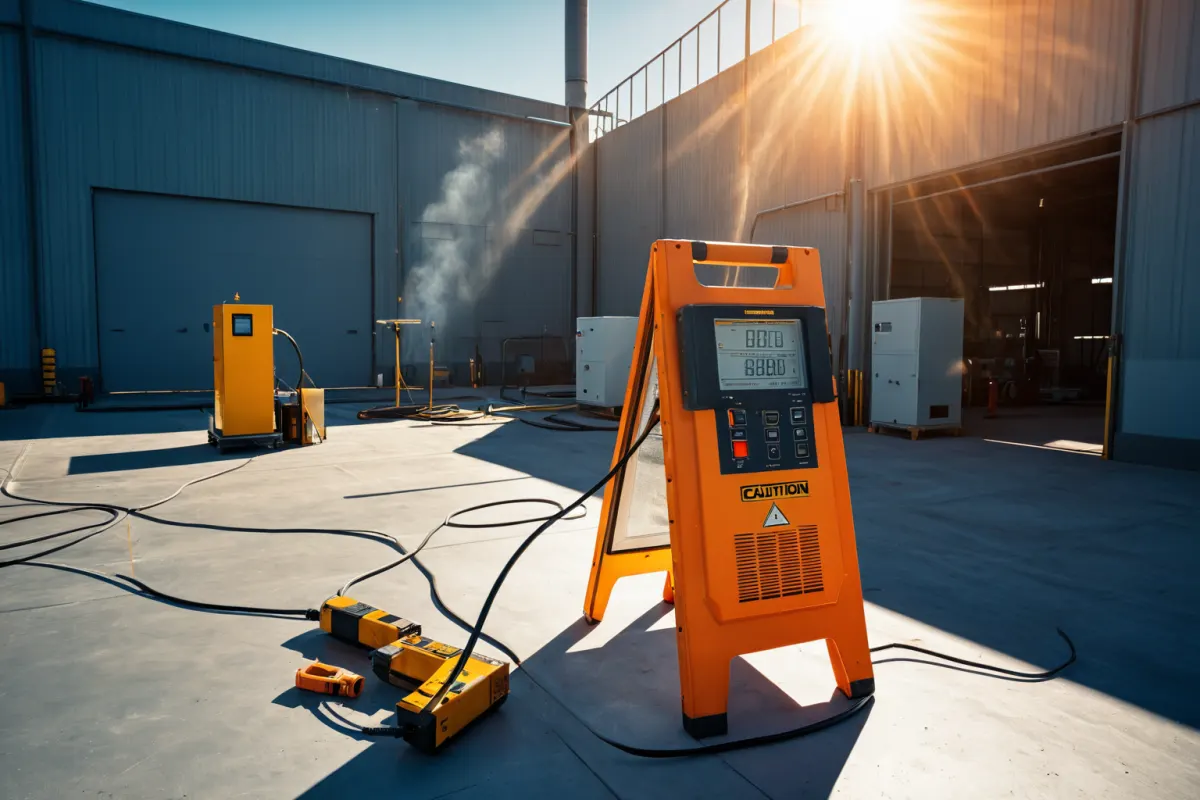
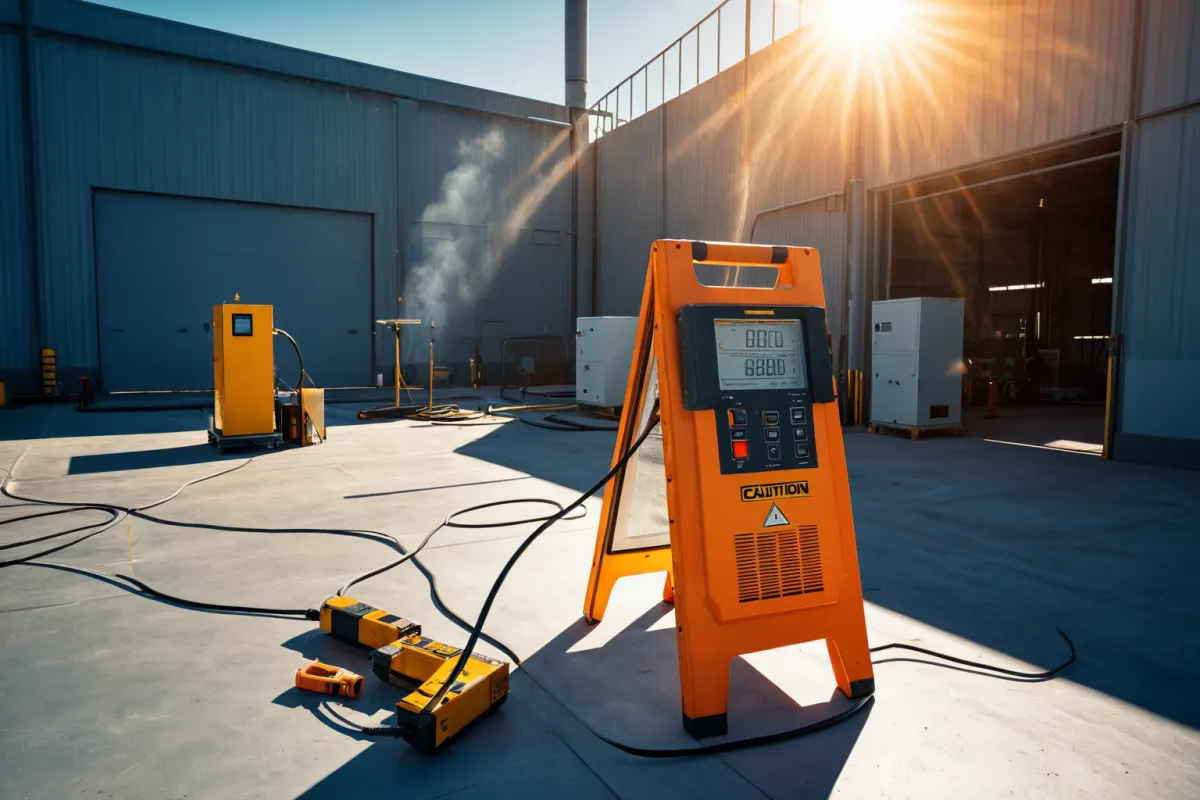
A heat-related function test halt refers to stopping equipment or facility testing due to excessively high temperatures. The key considerations are safety and accuracy: if temperatures exceed certain thresholds, test results may become unreliable, and equipment malfunctions or worker safety issues could arise, prompting immediate halts on-site.
Most people searching for this topic want to know two things: why the tests stop and when they can resume. This article simplifies the process by focusing on practical reasons for halting and restart criteria rather than complex regulations.
Why Heat-Related Function Tests Must Be Halted
A heat-related function test halt isn't just about taking a break because it's hot. In high temperatures, internal equipment temperature can rise, causing measurement values to fluctuate. Sensitive components like batteries or sensors may experience performance degradation.
Safety is another critical factor. Metal casings can become too hot to handle, and working environments may become excessively hot, making it difficult for workers to operate equipment safely. Continuing tests under these conditions increases errors, often requiring repeated testing—resulting in wasted time and resources.
For example, outdoor communication or electrical equipment checks conducted under direct sunlight could see internal temperatures rise continuously. In such cases, pausing the test until temperatures stabilize is far more practical than risking unreliable measurements.
You can find similar articles in one place.
View Related ArticlesOn-Site Halt Criteria
Halt criteria vary slightly depending on the site, but generally consider temperature, perceived temperature, equipment tolerance limits, work duration, and exposure to direct sunlight—not just a single temperature reading.
In practice, the equipment manual's specified operating temperature range is the primary factor. For instance, if an equipment manual states it operates normally between 0°C and 40°C, tests should halt if ambient temperatures exceed this range or internal heating becomes excessive.
- Is the environment outdoor with no shade?
- Is the equipment surface too hot to touch?
- Are measurement values fluctuating significantly within a short period?
- Can workers take adequate breaks?
Evaluating these four factors helps determine when a halt is necessary. If measurements are inconsistent during repeated tests, troubleshooting should come before resuming.
Restart Criteria: Temperature Recovery and Measurement Stability
Resuming tests isn't as simple as waiting for a slight breeze or clouds to cover the sun. Equipment and working conditions must return to a state suitable for testing—meaning temperatures must stabilize and measurements must remain consistent.
In practice, equipment is often moved to shaded or air-conditioned areas and allowed to stabilize for a period before resuming. It's advisable not to start measuring immediately but to wait until internal and ambient temperatures are similar.
For example, if outdoor testing halts at 2 PM, it’s better to move the equipment to cool down and resume after waiting 30 minutes to an hour rather than restarting immediately in the same location. Exact timing depends on equipment type and environmental conditions.

Pre-Restart Checks
After a heat-related halt, simply checking the equipment isn't enough. Power status, cable connections, sensor contamination, and worker condition should also be verified to prevent further issues.
Especially after high-temperature exposure, cables may soften or experience minor contact changes—even if they appear normal externally. It's advisable to recheck connections after reconnecting.
Moving equipment from a cooled area directly into testing can cause condensation inside due to rapid temperature changes, potentially leading to malfunctions. Monitoring both temperature and humidity changes is recommended.
Common Scenarios in Real-World Settings
Heat-related function test halts occur more frequently in smaller-scale inspections than large sites, often because smaller locations lack sufficient shade or cooling equipment. Smaller sites are more vulnerable since one piece of equipment can disrupt the entire schedule.
For instance, rooftop communication equipment checks may be fine in the morning but become problematic as temperatures rise around noon. Repeated attempts without adjusting for heat can lead to inconsistent results requiring halts. Similarly, indoor equipment in poorly ventilated spaces remains susceptible to heat effects.
In such cases, adjusting work schedules helps: conduct heat-sensitive tests early in the day and schedule less sensitive tasks later to minimize halts.
Preventing Frequent Halts
While complete prevention is difficult, preparation can reduce frequency. The simplest step is scheduling tests outside peak heat hours—early morning or after sunset—to lower temperature risks significantly.
Portable shade tents, portable fans, thermometers, spare cables, and backup power are also essential. Since halting requires time to restart properly, having these items ready saves valuable time later.
Documentation matters too: noting the halt time, current temperature, equipment status, and restart time helps quickly assess similar situations in future projects. This record also aids in root cause analysis later.
Key Takeaways for Practitioners
A heat-related function test halt is a temporary safety measure—not an indicator of failure. Continuing tests under unsuitable conditions causes more significant issues than halting properly. Prioritizing reliable results and worker safety defines the best approach.
Restart criteria shouldn't be based solely on feeling; they require checking equipment tolerance limits, environmental stability, and repeated measurement consistency. While specific numbers vary by site, the underlying principle remains: allow sufficient cooling time and resume only when measurements stabilize.
If implementing these practices at work, always verify against both equipment manuals and site-specific safety standards. Current guidelines may differ based on location and equipment type.
FAQ
Q1. At what temperature do function tests get halted?
A. There's no fixed single temperature; it depends on ambient temperature, perceived heat, direct sunlight exposure, equipment tolerance limits, and working conditions.
Q2. Can I restart immediately after a halt?
A. It’s safer to wait until equipment temperature and measurements stabilize before restarting. Checking for condensation risks is also recommended.
Q3. What if heat-related halts happen frequently?
A. Adjust test schedules, increase shade/cooling preparations, and maintain halt records to reduce recurring issues.
Continue exploring similar topics.
View Category ArticlesFAQ
At what temperature do function tests get halted?
There's no fixed single temperature; it depends on ambient temperature, perceived heat, direct sunlight exposure, equipment tolerance limits, and working conditions.
Can I restart immediately after a halt?
It’s safer to wait until equipment temperature and measurements stabilize before restarting. Checking for condensation risks is also recommended.
What if heat-related halts happen frequently?
Adjust test schedules, increase shade/cooling preparations, and maintain halt records to reduce recurring issues.
Korean Source
This article is an English localization of a Korean-language report from BlogScore. Original: 폭염기능시험중단 이유와 재개 기준 정리