
Understanding Gyeonggon Gamri: Decoding the Symbols in South Korea's Flag
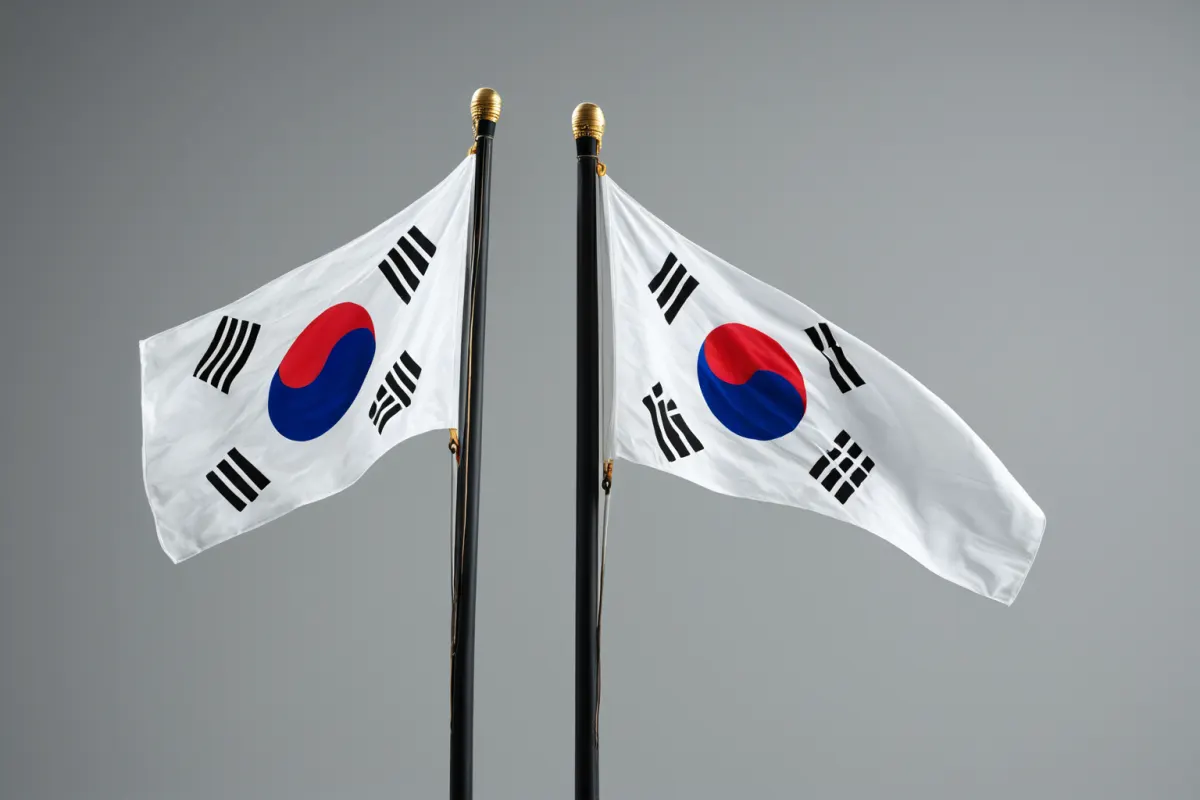
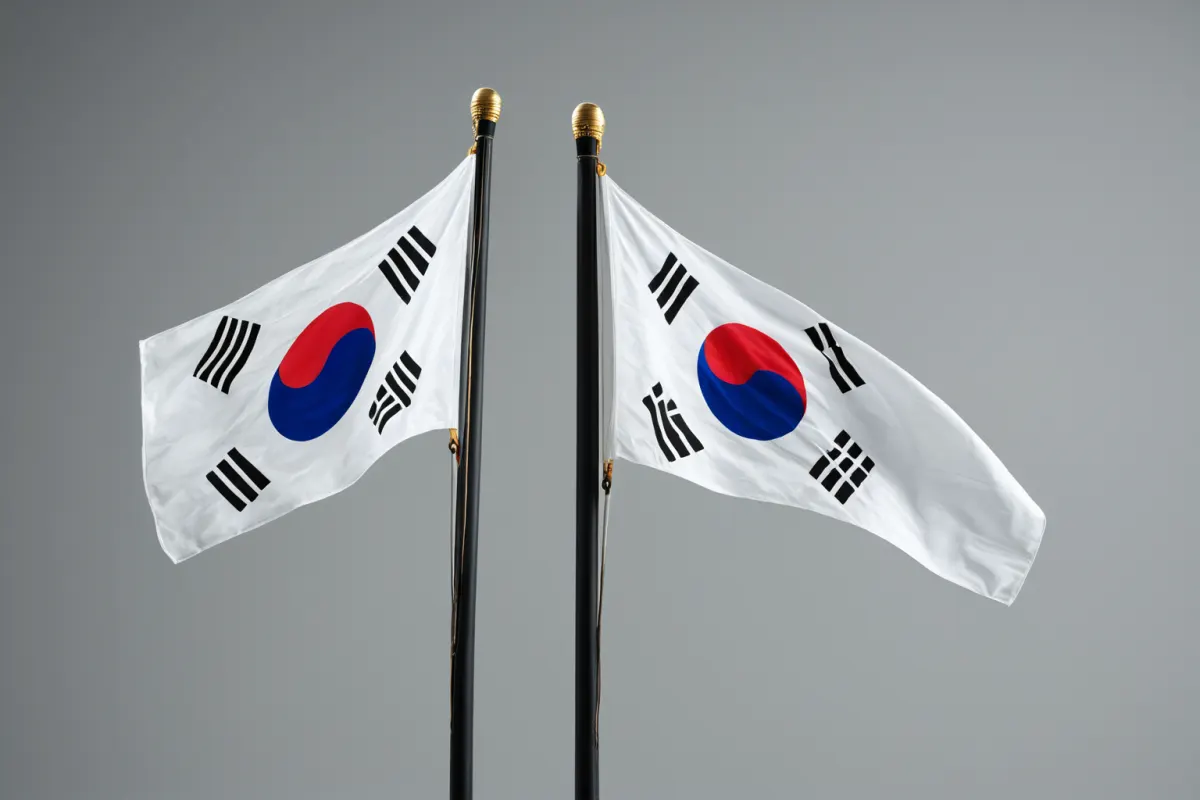
The Meaning of Gyeonggon Gamri: Understanding the Components of the Korean Flag Correctly
Gyeonggon Gamri refers to the arrangement of Gyeong (乾), Gon (坤), Gam (坎), and Ri (離) on South Korea's national flag, representing traditional Korean cosmological concepts. On the flag, Gyeong should be at the top, Gon at the bottom, Gam on the left, and Ri on the right. Recently, New Balance faced backlash after incorrectly displaying these symbols upside down in a product, leading to an official apology and a sales halt.

The Composition and Orientation of Gyeonggon Gamri
Gyeong (乾) represents the south, Gon (坤) the west, Gam (坎) the north, and Ri (離) the east. This symbolism originates from the traditional Taegukdo map used since the Joseon Dynasty. The correct orientation on the flag places Gyeong at the top, Gon at the bottom, Gam on the left, and Ri on the right. This arrangement reflects a deeper philosophical meaning rather than just an aesthetic choice.
Since the adoption of the Taegukgi as South Korea's national flag in 1883, the concept has been continuously preserved as part of traditional symbolism. It serves to reinforce national identity and cultural pride.
The Gyeonggon Gamri concept developed through philosophical interpretations related to the Taegukdo map during the Joseon Dynasty. The Taegukdo combines Yin-Yang philosophy with five colors representing directions. Gyeong (Heaven) points south, as this direction was associated with warmth and activity. Gon (Earth) represents the west, symbolizing stability and earth. Gam (Water) indicates the north, emphasizing yin energy, while Ri (Fire) represents the east, symbolizing yang energy as the direction of sunrise.
Examples of Gyeonggon Gamri Errors and Responses
On July 24, 2026, New Balance's operator Eland World issued an official apology and halted sales after a product incorrectly displayed the Taegukgi symbols upside down. This was due to a design error that failed to consider the correct orientation of Gyeonggon Gamri.
Earlier in March 2024, a similar issue occurred when Chinese brand Temu sold products featuring an inverted Taegukgi design, sparking controversy. These cases highlight the importance of accurately representing national symbols in design.
These errors teach us that national symbols should be handled with care. The orientation of the flag is not merely aesthetic but carries historical and cultural significance. Designers and manufacturers must verify correct placements before releasing Taegukgi-related products to respect national identity and maintain consumer trust.
Modern Applications of Gyeonggon Gamri
The concept has been applied in modern contexts such as commemorative editions for National Liberation Day and Olympic uniforms. On August 4, 2026, Titleist released a 'Pro V1 Taegukgi Edition' to commemorate the 81st anniversary of Korea's liberation from Japanese rule. The product correctly incorporated Gyeonggon Gamri patterns, blending tradition with modern design.
At the Paris Olympics, athlete uniforms featured elements of the Taegukgi. On April 17, 2024, the Paris Olympic team uniforms were unveiled, incorporating a contemporary reinterpretation of the Taegukgi's Gyeonggon Gamri components.
The concept is also used in cultural events and educational programs. For example, Busan Buk-gu Hwamyeong 3-dong organized a program called 'My Life Character Through Taegukgi' to celebrate National Liberation Day. In Gwangju's Korea-in Village Children's Center, color-by-number activities with the Taegukgi were held. These initiatives help make the concept of Gyeonggon Gamri familiar to young people and general citizens.
Historical Background of Gyeonggon Gamri
Since its adoption as South Korea's national flag in 1883, Gyeonggon Gamri has been continuously preserved through traditional and modern design. It represents not just a national symbol but also the Korean worldview and philosophy.
The concept developed during the Joseon Dynasty through philosophical interpretations of the Taegukdo map. The Taegukdo combines Yin-Yang philosophy with five colors representing directions. Gyeong (Heaven) points south, as this direction was associated with warmth and activity. Gon (Earth) represents the west, symbolizing stability and earth. Gam (Water) indicates the north, emphasizing yin energy, while Ri (Fire) represents the east, symbolizing yang energy as the direction of sunrise.
Since 1883, Gyeonggon Gamri has played a key role in reinforcing national identity and cultural pride. It is more than just a design element—it embodies Korean philosophy and worldview.
Correct Understanding of Gyeonggon Gamri
Gyeonggon Gamri is not merely a flag design element but a symbol representing the traditional Korean cosmology and philosophy passed down since the Joseon Dynasty. Gyeong represents south, Gon west, Gam north, and Ri east—based on the Taegukdo map.
The correct orientation of the flag requires Gyeong at the top, Gon at the bottom, Gam on the left, and Ri on the right. This precise arrangement is essential to maintain the sacred meaning and significance of this national symbol.
To properly understand Gyeonggon Gamri, one must consider the traditional philosophy related to Taegukdo. The Taegukdo symbolizes harmony between Yin-Yang and five colors. Gyeong (Heaven) represents the sky, while Gon (Earth) represents the ground. This is why Gyeong is placed in the south—because heaven was thought to be closer to the south than north.
Frequently Asked Questions About Gyeonggon Gamri
Gyeonggon Gamri refers to the arrangement of Gyeong (乾), Gon (坤), Gam (坎), and Ri (離) on South Korea's national flag, representing traditional Korean cosmology. Gyeong represents south, Gon west, Gam north, and Ri east.
The incorrect display of Gyeonggon Gamri occurred in a New Balance product, leading to an official apology from Eland World and sales suspension. A similar issue happened with Chinese brand Temu in March 2024 when they sold products featuring an inverted Taegukgi design.
Gyeonggon Gamri is applied in modern contexts such as National Liberation Day commemorative editions and Olympic uniforms. Titleist released a 'Pro V1 Taegukgi Edition' on August 4, 2026, to mark the 81st anniversary of Korea's liberation.
You can explore similar articles in one place.
View Related ArticlesFAQ
What is Gyeonggon Gamri?
Gyeonggon Gamri refers to the arrangement of four elements (Gyeong, Gon, Gam, Ri) on South Korea's national flag, representing traditional Korean cosmology and philosophy.
Why was New Balance criticized for their product?
New Balance incorrectly displayed the Taegukgi symbols upside down, violating the traditional orientation of Gyeonggon Gamri. They issued an apology and stopped sales.
How is Gyeonggon Gamri used today?
It appears in commemorative products like Titleist's 2026 Liberation Day edition and modern Olympic uniforms, blending tradition with contemporary design.
Korean Source
This article is an English localization of a Korean-language report from BlogScore. Original: 건곤감리의 뜻: 태극기에서 건과 곤, 감과 리를 찾아보세요