
Understanding Gwangyang's Severe Heat Warning: What It Means and How to Respond
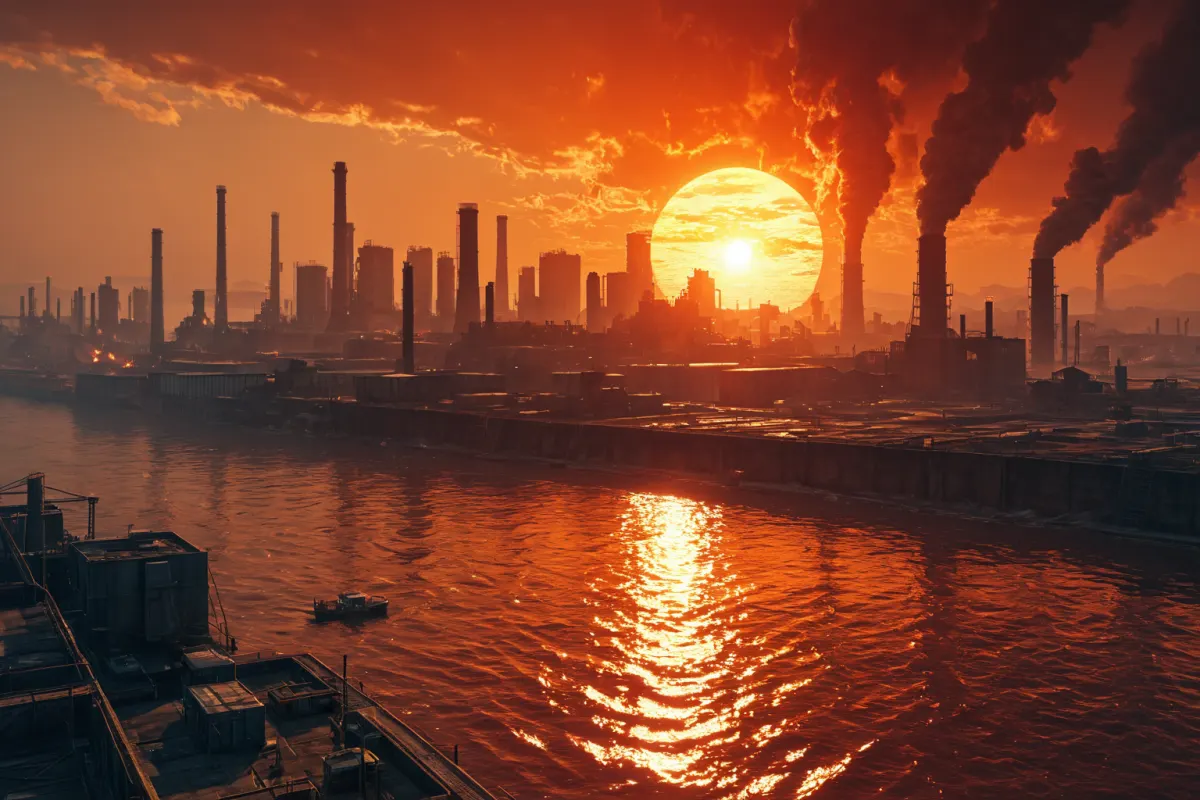
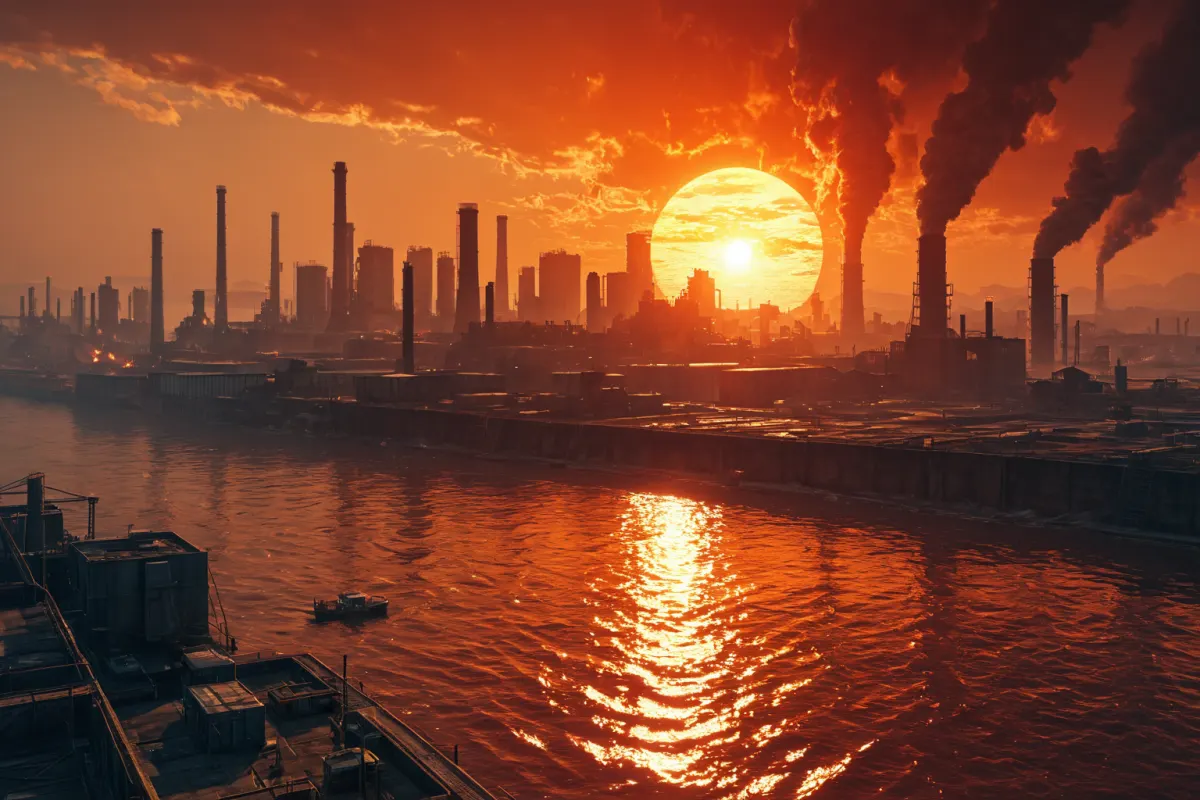
Gwangyang's Severe Heat Warning indicates that extremely high temperatures are expected to persist in the Gwangyang area, increasing the risk of heat-related health issues. While this term is commonly used in news and official notices, it's important to note that it isn't an official administrative term—it's understood within South Korea's standard Heat Advisory System.
Many people get confused about how this differs from a regular Heat Advisory. The key distinction lies in the combination of perceived temperature (heat index), duration of extreme heat, and whether nighttime temperatures remain high—creating conditions where even short outdoor exposure becomes risky. So Gwangyang Severe Heat Warning isn't just about 'it's hot' but emphasizes significant impacts on outdoor activities, vulnerable populations like elderly individuals, crops, and work environments.
Understanding the Meaning of Gwangyang Severe Heat Warning
Heat isn't just about high temperatures. When sunlight, humidity, and heat waves (hot nights) combine, it becomes harder for your body to cool down, increasing health risks. In areas like Gwangyang where perceived temperature rises significantly during summer, even short outings can become challenging.
This is why simple warnings like 'it's hot today' aren't enough—you need to adjust daily routines. Children, elderly individuals, pregnant women, and those with chronic health conditions face higher risks of dehydration and heatstroke.
Find similar articles on this topic in one place.
View Related ArticlesWhen Warnings Are Issued
Heat Advisories aren't based solely on temperature numbers. They consider how long high temperatures persist, whether nighttime temperatures remain high (heat waves), humidity levels, and regional perceived discomfort. It's not just about 'hot during the day' but 'unbearable both day and night.'
Generally, advisories are issued when extreme heat continues beyond certain thresholds. Regional geography, wind patterns, and coastal vs. inland differences mean that even within South Jeolla Province, perceptions of heat can vary.
For example, high temperatures may be tolerable with good airflow but become dangerous with high humidity and no nighttime cooling. In such cases, adjusting work schedules or increasing rest periods becomes critical immediately.
Why Gwangyang Requires Extra Caution
Gwangyang has many industrial facilities, logistics operations, and outdoor labor—meaning heat impacts both daily life and workplace conditions. People working outdoors can quickly lose fluids and electrolytes through sweat, making exhaustion more likely.
Crop management is also critical. Delayed watering schedules, lack of shade, or inadequate facility checks can lead to significant crop damage. Watering during midday leads to rapid evaporation and reduced efficiency—early morning or evening watering is recommended instead.
Indoors isn't immune either. If you can't run air conditioning for long periods, rely on fans alone rather than using curtains to block direct sunlight and stay hydrated with frequent small sips of water.

What to Do When a Warning Is Issued
If you see a heat advisory, adjust your schedule first. Outdoor activities, hiking, construction work, and long trips should be moved earlier in the day or postponed entirely. Midday (around lunchtime) is typically when perceived temperature peaks.
Stay hydrated by drinking small amounts frequently before feeling thirsty. Avoid caffeine and alcohol as they don't help with hydration—they may even worsen your condition. If you feel dizzy, headache, or nausea, stop immediately.
Never leave children or pets in parked cars—even for short periods. Car interiors heat up rapidly, creating dangerous conditions quickly. This is a recurring issue each year requiring extra caution.
Real-Life Examples of Effective Response
Consider someone delivering packages outdoors from 11 AM to 4 PM: carrying just one bottle of water isn't enough. Plan for midday hydration stops at designated locations and schedule regular shaded rest periods.
At home, check in on elderly family members with a simple question like 'Is your air conditioning on?'—it makes a real difference. Elderly people often don't feel the heat as intensely but can still suffer from dehydration or dizziness.
In reality, many more people end up hospitalized due to worsening conditions at home than from immediate heat exposure. So when a heat advisory is issued, staying connected with others rather than enduring alone is much safer.
Perceived Temperature and Health Risks
The perceived temperature (heat index) matters more than actual air temperature. High humidity prevents sweat from evaporating effectively, trapping body heat. This can lead to heatstroke or heat exhaustion.
Symptoms often start mildly: thirst, fatigue, muscle cramps. If ignored, they progress to confusion or difficulty walking. Resting and rehydrating before symptoms worsen is crucial.
Children may not express discomfort well—look for increased irritability or lethargy as signs of heat exposure.
What to Check When You See Gwangyang's Severe Heat Warning
When a warning appears, check the date, time period, and affected area first. Even within one day, different neighborhoods may experience varying heat intensity, with afternoons often being more dangerous than mornings. Adjusting outdoor plans accordingly is practical.
At work or school, verify whether rest periods are adjusted, cooling systems are checked, and outdoor tasks are shortened. Individual preparation combined with institutional response helps minimize risks.
If you're already feeling unwell, don't push through—reduce your schedule for the day. 'I can handle it' is the most dangerous mindset during extreme heat.
FAQ
Q1: Is Gwangyang Severe Heat Warning an official term?
No—it's commonly used in media and notices to emphasize a high-level warning, but it should be understood within South Korea's standard Heat Advisory System.
Q2: How is Severe Heat Warning different from Heat Advisory?
The Severe Warning indicates higher risk than a regular advisory. It's issued when heat is more intense or lasts longer, raising the likelihood of health impacts.
Q3: What should I do first at home during a warning?
Reduce direct sunlight exposure, drink water frequently in small amounts, and rest immediately if experiencing dizziness or headaches. Check on elderly family members or children as well.
Continue exploring similar articles on this topic.
View Category ArticlesFAQ
Is Gwangyang Severe Heat Warning an official term?
No—it's commonly used in media and notices to emphasize a high-level warning, but it should be understood within South Korea's standard Heat Advisory System.
How is Severe Heat Warning different from Heat Advisory?
The Severe Warning indicates higher risk than a regular advisory. It's issued when heat is more intense or lasts longer, raising the likelihood of health impacts.
What should I do first at home during a warning?
Reduce direct sunlight exposure, drink water frequently in small amounts, and rest immediately if experiencing dizziness or headaches. Check on elderly family members or children as well.
Korean Source
This article is an English localization of a Korean-language report from BlogScore. Original: 광양 폭염중대경보 뜻과 발령 기준 정리