
Understanding 'Goni' vs. 'Koni': How to Distinguish the Confusing Korean Seafood Terms
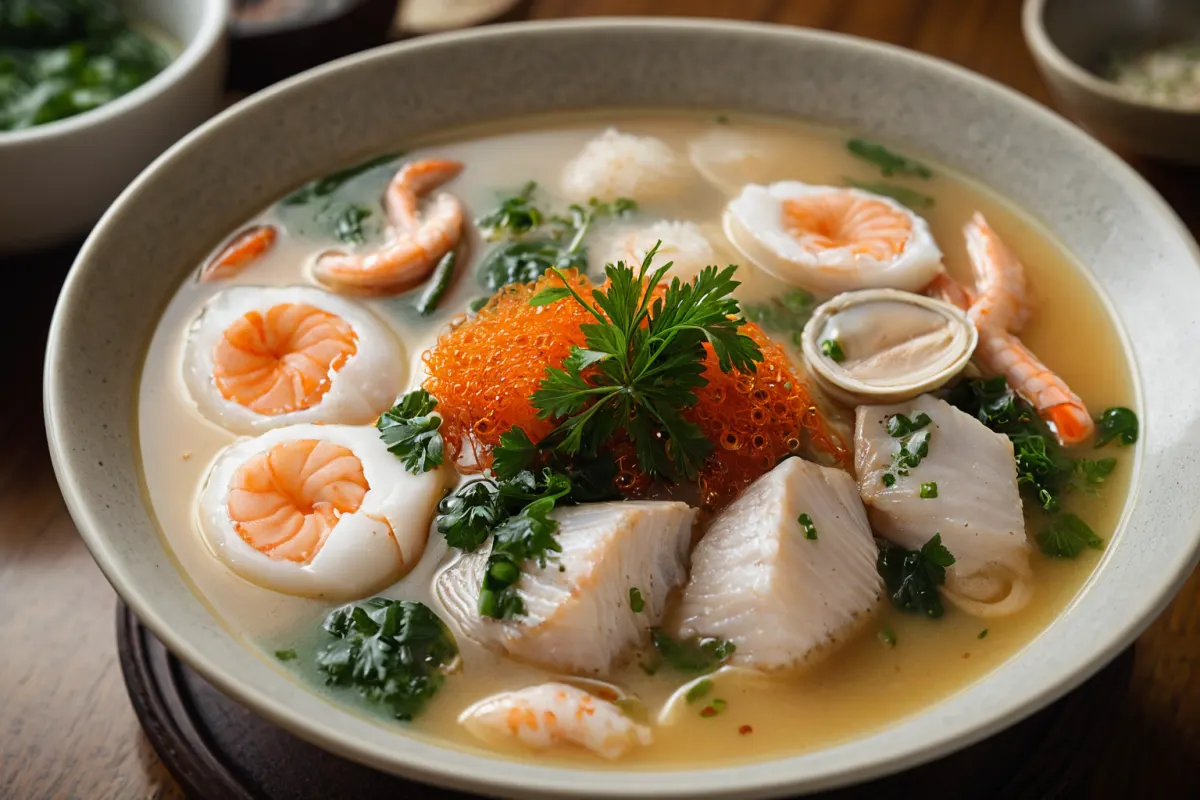
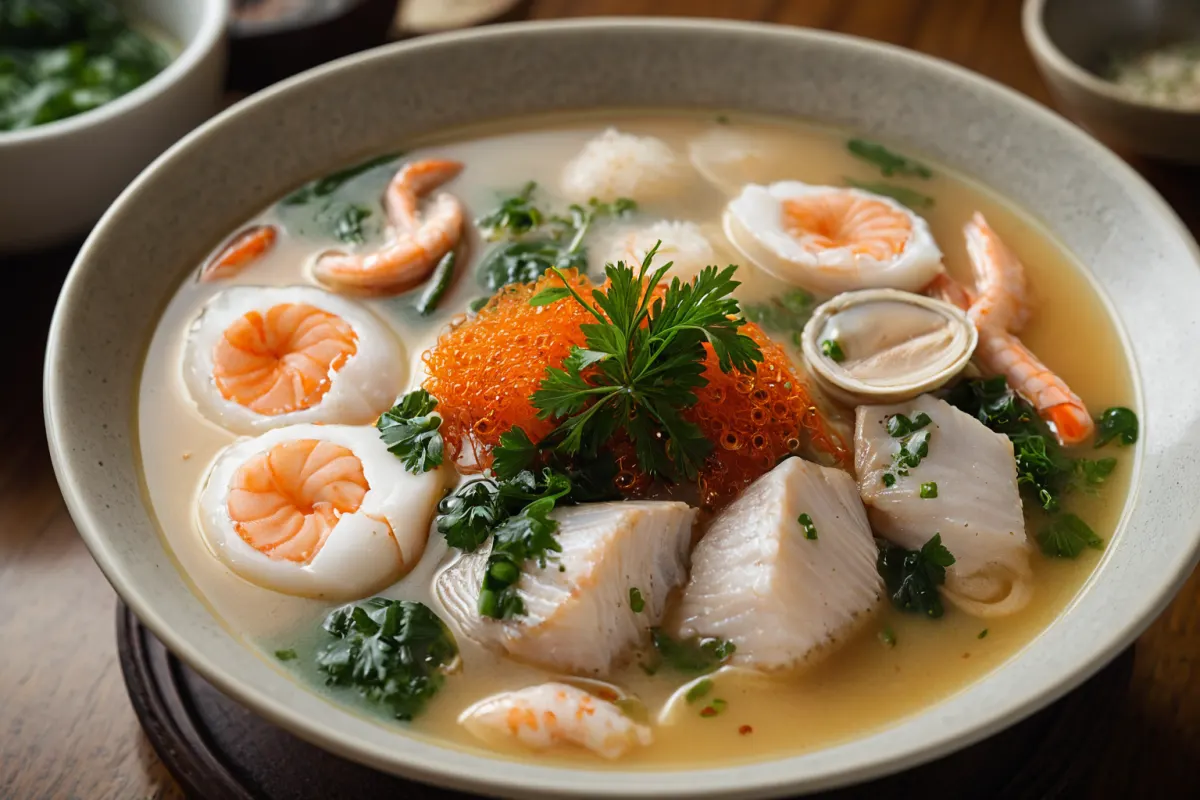
Goni is a term often used to refer to fish roe or internal organs from freshwater fish, but its meaning can vary depending on the region or restaurant menu. In particular, goni and koni are frequently confused due to their similar pronunciation and how they appear on menus.
However, upon closer inspection, goni typically refers to the flesh around the gills or internal organs of fish like pollock (mackeral) or sea bass, while koni generally means fish roe—especially a soft, bouncy texture. Despite this distinction, restaurants sometimes mix up these terms based on local dialects or their own practices, making it easy to confuse them just by looking at the name.
Basic Meanings of Goni and Koni
Goni is a somewhat ambiguous term in everyday conversation—it’s hard to pin down to one specific meaning. Most people associate it with fish roe or internal organs, but regional variations often lead to confusion with koni.
Koni, on the other hand, usually refers specifically to soft, bouncy fish roe, especially when describing dishes served in restaurants. So if you see 'goni' on a menu, it’s worth double-checking whether it’s referring to roe or internal organs.
You can find more articles on this topic in one place.
View Related ArticlesDistinguishing by Appearance
Visually, koni often appears as a round, plump lump with a pale gray or light cream color. When cooked, it becomes soft and delicate, making it ideal for soups and broths.
The part referred to as goni tends to have a more irregular shape and may feel slightly firmer in texture compared to koni. However, preparation methods can vary widely depending on the type of fish and cooking style, so it’s important to consider both the ingredient and how it's prepared to avoid confusion.
For example, in sea bass soup (daegu-tang), a white, fluffy lump is often labeled as koni. But some restaurants might call the same-looking ingredient goni if it has a bit more texture. Ultimately, focusing on the actual texture and part of the fish rather than just the name is key.

Why They’re Often Confused
The main reason for confusion is regional differences in terminology. The same ingredient might be called goni in one area and koni in another, making it seem like two different words with similar pronunciation.
Second, restaurant menus aren’t always consistent in how they label ingredients. This inconsistency is especially common in dishes like seafood soups, roe soup, or sea bass soup, where the actual content can vary from one establishment to another.
The third reason is their similar pronunciation—words like goni, koni, and kongji sound alike, so people often assume they mean the same thing. In reality, asking for clarification about the ingredient usually clears things up right away.
Points to Check on Menus
If you see 'goni' listed at a restaurant, it’s helpful to ask what type of fish it comes from. Whether it’s sea bass, pollock, roe, or internal organs can significantly affect taste and texture.
Before ordering, try asking: "Is this roe or internal organ?" or "Is this the same as koni?" Most restaurants will explain right away.
- Roe-based ingredients tend to have a soft, bouncy texture.
- Internal organ-based ingredients often have a richer, more savory flavor.
- In soups and broths, preparation style has a bigger impact on taste than the ingredient itself.
Real-Life Examples of Confusion
When ordering sea bass soup (daegu-tang), some restaurants serve generous portions of koni, while others label it as goni but still present similar-looking ingredients. Relying solely on photos can lead to misunderstandings.
Conversely, in roe soup dishes, koni is more commonly used than goni—some places don’t even use the term goni at all. So, remember that even within the same type of dish, terminology varies by region and restaurant style, making menu choices much smoother if you’re aware of this.
When shopping for packaged products at a supermarket, the same principle applies: check the ingredient list rather than relying only on the name. Even similar-looking items can differ in texture based on how they were prepared or frozen.
Additional Tips When Ordering Goni
Ingredients like goni (which includes fish roe and internal organs) depend heavily on freshness and preparation quality. If it smells strong or appears overly cloudy, it may not taste as good or be pleasant to eat.
Also, cooking methods can greatly influence preference. When simmered in a hot broth, the rich flavor becomes more pronounced; overcooking can make it tough or mushy. That’s why experienced chefs carefully control the cooking time for optimal texture.
If you’re new to trying these ingredients, starting with soups is safer. Compared to raw consumption, soups are less intimidating and allow you to better appreciate the subtle differences between ingredients. Dishes like sea bass soup or roe soup are great ways to get familiar with goni’s texture before moving on to more complex preparations.
How to Remember Without Confusion
A simple way to remember: koni usually refers to roe, while goni is a broader term that varies by region and restaurant. However, since usage isn’t always consistent, the safest approach is to look at the menu description for clarification.
When ordering with friends, don’t hesitate to ask "What’s goni?"—a quick question about the ingredient usually clears everything up right away. For most people, seeing a photo of the actual cooked ingredient alongside its name makes it much easier to distinguish than relying solely on pronunciation.
Frequently Asked Questions
Q: Are goni and koni exactly the same?
A: Not quite. While they’re often used interchangeably depending on region or restaurant, koni is generally understood to refer more specifically to roe.
Q: What does goni taste like?
A: It’s usually soft and savory, with a mild flavor that becomes more pronounced when cooked in broth. Depending on preparation, it can also feel light and delicate.
Q: How do I ask about confusion at restaurants?
A: The quickest way is to ask "Is this roe or internal organ?" Most places will explain immediately.
Note: Menu labels and regional terms may vary by restaurant, so always check the ingredient description before ordering for accuracy.
Check out more articles on similar topics.
View Category ArticlesFAQ
Are goni and koni exactly the same?
Not quite. While they’re often used interchangeably depending on region or restaurant, koni is generally understood to refer more specifically to roe.
What does goni taste like?
It’s usually soft and savory, with a mild flavor that becomes more pronounced when cooked in broth. Depending on preparation, it can also feel light and delicate.
How do I ask about confusion at restaurants?
The quickest way is to ask "Is this roe or internal organ?" Most places will explain immediately.
Korean Source
This article is an English localization of a Korean-language report from BlogScore. Original: 고니 뜻과 생김새, 실제로 곤이랑 헷갈리는 이유