
Understanding the Meaning Behind the Taeguk and the Geon-Gun-Gam-Ri Symbolism in Korea's Flag
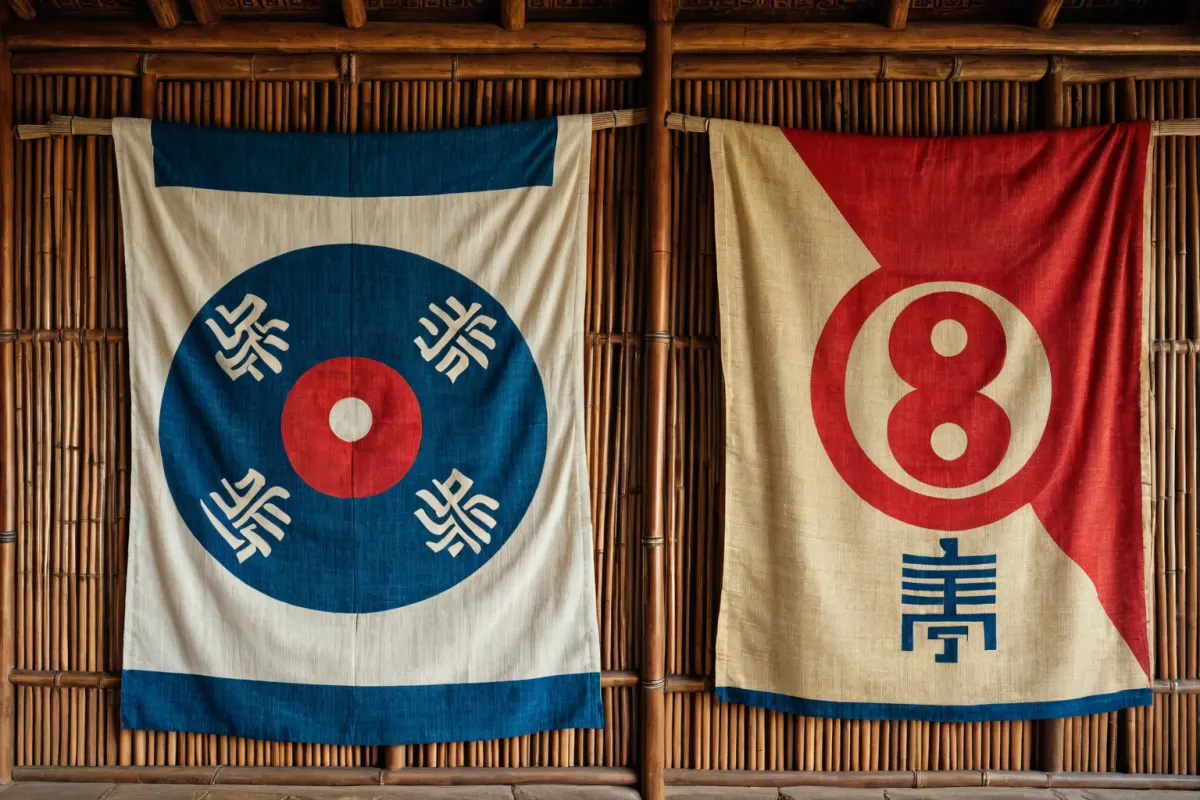
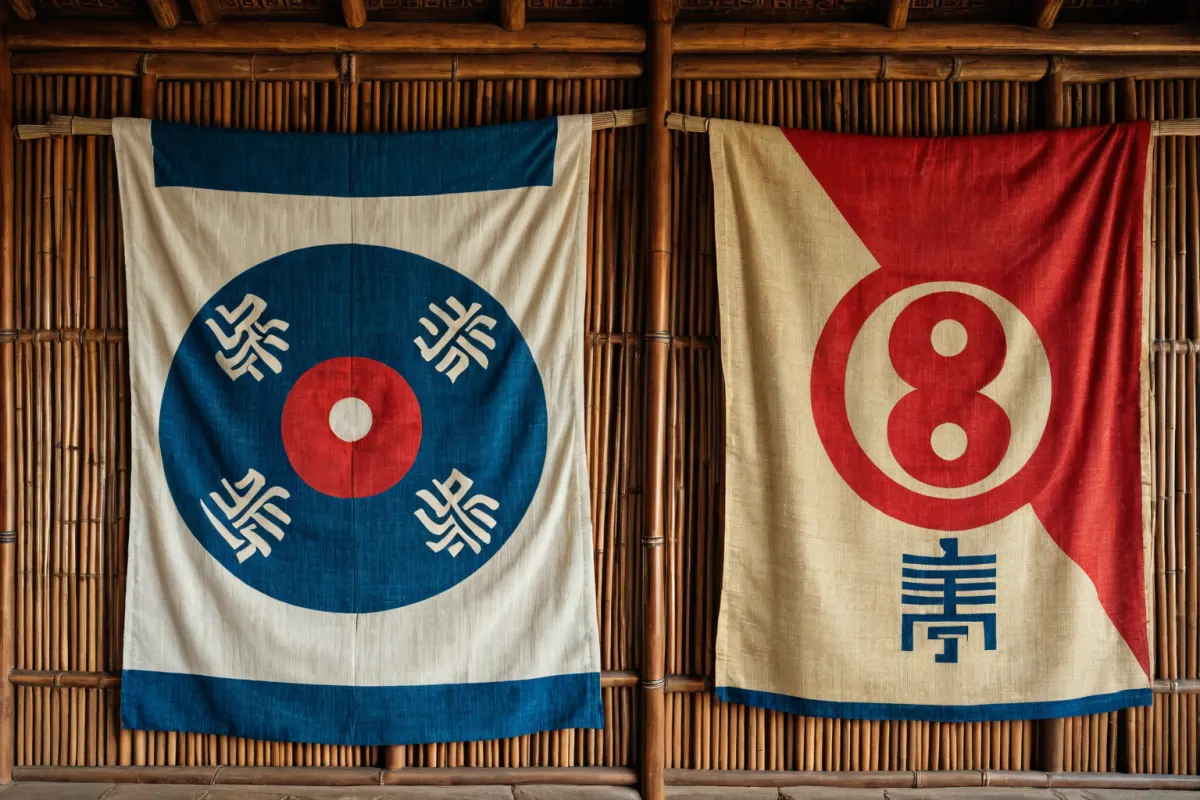
The Meaning of Geon-Gun-Gam-Ri and Its Symbolism in the Taeguk Flag
The taeguk symbol on South Korea's flag embodies the 'Geon-Gun-Gam-Ri' concept, representing heaven (Geon), earth (Gun), water (Gam), and fire (Ri). This is the accurate representation of the flag; however, some brands and events have mistakenly omitted or reversed this symbolism. Recently, there has been controversy over national symbols after a taeguk was hung upside down during a Liberation Day event.
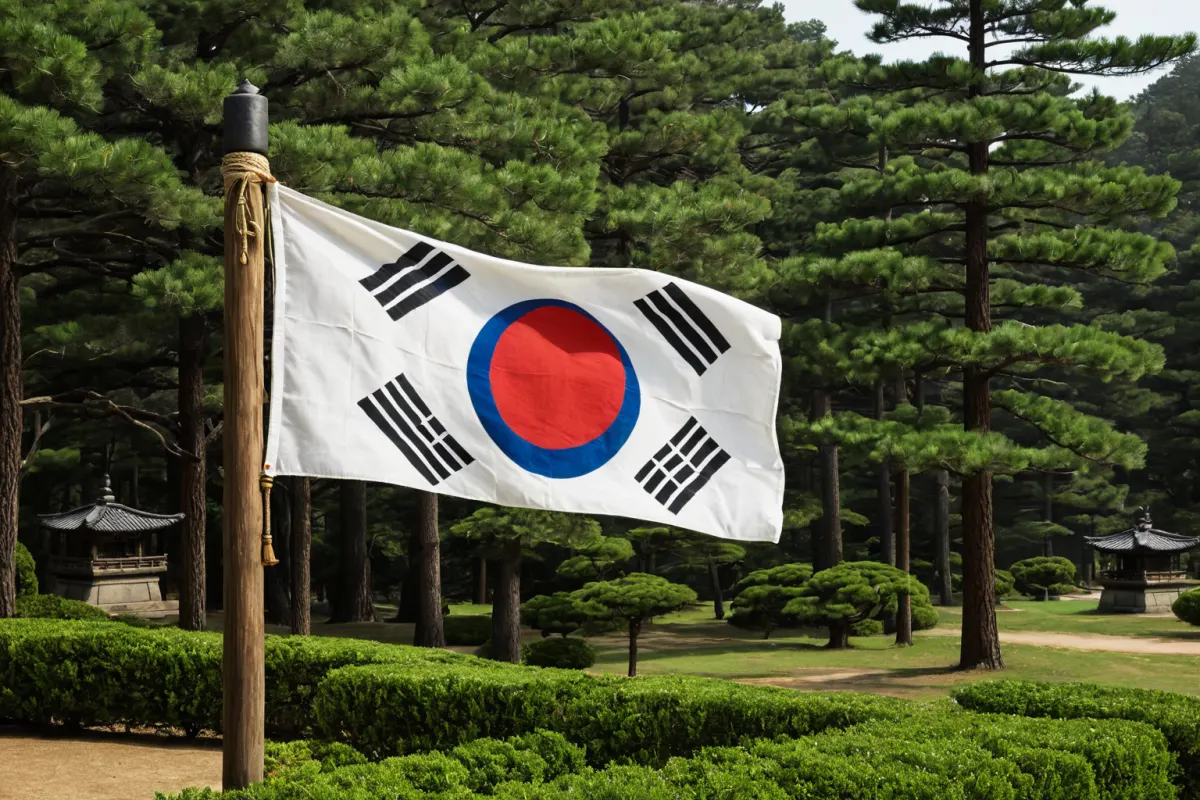
Composition and Symbolism of Geon-Gun-Gam-Ri
Geon (乾) symbolizes heaven, Gun (坤) represents earth. Gam (坎) stands for water, and Ri (離) symbolizes fire. These four elements express the balance of all things in the universe and the directions of east, west, south, and north. They harmonize with the central taeguk pattern on the flag. Geon-Gun-Gam-Ri reflects a philosophical view where yin and yang are in harmony, embodying Korean cultural identity and philosophical thought.
Geon and Gun represent the opposing yet complementary relationship between heaven and earth, while Gam and Ri show the harmonious balance of water and fire. Geon symbolizes creation and activity, Gun represents receptiveness and growth, Gam signifies danger and challenge, and Ri stands for change and development. This symbolism goes beyond mere design, reflecting deep philosophical roots in Korean tradition.
Examples of Errors and Social Controversy
In July 2026, an 'incorrect taeguk' was reported at a World Cup merchandise stand in Abu Dhabi's Sheikh Zayed Stadium. The Geon-Gun-Gam-Ri pattern was omitted from the design, sparking social controversy. This is an example of global brands misunderstanding Korea's national symbol and ignoring its symbolic significance.
On July 24, 2026, New Balance's operator Eland World announced an apology and halted sales after it was found that their merchandise featured a reversed Geon-Gun-Gam-Ri pattern. This incident revealed insufficient understanding of the taeguk's symbolism even among domestic companies.
On August 7, 2026, during Liberation Day celebrations, another case emerged where the taeguk flag was hung upside down, causing public controversy due to poor management of national symbols by government agencies. This incident highlights the need for greater attention from government bodies.
The UK-based Superdry also had a similar error with their t-shirts featuring incorrect taeguk patterns. These errors stem from viewing the taeguk as merely a design rather than understanding its cultural symbolism.
Importance of Correct Taeguk Usage
The taeguk must not be hung upside down, and Geon-Gun-Gam-Ri should be accurately represented. Geon (Heaven) should be at the top, Gun (Earth) at the bottom, Gam (Water) on the left, and Ri (Fire) on the right. This is the official standard set by the state.
On August 4, 2026, Titleist released a 'Pro V1 Taeguk Edition' to commemorate the 81st anniversary of Liberation Day. The product emphasized accurate Geon-Gun-Gam-Ri representation and promoted correct understanding of the taeguk's symbolism. Titleist limited the release to raise social awareness.
Titleist's 'Pro V1 Taeguk Edition' featured a design with correctly displayed Geon-Gun-Gam-Ri, showcasing a shift in perception toward viewing the taeguk as cultural heritage. Alongside product launch, Titleist provided educational content about the symbolism to inform consumers accurately.
Geon-Gun-Gam-Ri and Cultural Significance of the Taeguk
Geon-Gun-Gam-Ri holds a significant place in Korean traditional philosophy. Geon and Gun represent the relationship between heaven and earth, while Gam and Ri symbolize the harmony of water and fire, reflecting balance throughout the universe. These concepts mirror ancient Koreans' natural worldview and philosophical thinking.
The taeguk's composition is not merely aesthetic but carries deep philosophical meaning. Geon (Heaven) signifies creation and activity; Gun (Earth) represents receptiveness and growth; Gam (Water) symbolizes danger and challenge, while Ri (Fire) denotes change and development. This reflects Korean perspectives on life and society.
The concept of Geon-Gun-Gam-Ri influences not only traditional culture but modern society as well. For example, combining Geon's creativity with Gun's receptiveness is valued in modern business innovation. Gam's risk management and Ri's adaptability to change are applied in contemporary business strategies.
International Errors and Lessons Learned
Misrepresentations of the taeguk continue to be reported domestically and internationally. Examples include the omission of Geon-Gun-Gam-Ri on World Cup merchandise in Abu Dhabi and New Balance's 'reversed Geon-Gun-Gam-Ri' incident, both indicating insufficient understanding of the symbol's significance.
When using the taeguk internationally, it is essential to consider Korean culture and historical context. For instance, researching the correct composition and meaning should be reflected in locally produced merchandise. This demonstrates respect for national symbols.
International brands and companies should consult experts when using the taeguk. This ensures accurate representation and preservation of its cultural significance. Additionally, running educational programs to increase staff understanding of the taeguk's symbolism is recommended.
Strategies for Correct Geon-Gun-Gam-Ri Representation
Titleist's 'Pro V1 Taeguk Edition' emphasizes accurate representation of Geon-Gun-Gam-Ri and promotes correct understanding of the symbol. This reflects a growing recognition of the taeguk as cultural heritage.
National agencies and companies should adhere to the proper depiction of Geon-Gun-Gam-Ri when producing taeguk-related items. To achieve this, collaborating with experts and running educational programs is necessary. For example, including cultural experts in design teams or providing educational materials about the taeguk can be effective.
Individuals can also deepen their understanding of the taeguk's symbolism. By searching online for information or participating in exhibitions organized by cultural institutions, people can learn about the history and meaning behind the flag. These efforts will help shift perception from seeing the taeguk as a simple symbol to recognizing it as cultural heritage.
Geon-Gun-Gam-Ri Verification Information
Geon (Heaven), Gun (Earth), Gam (Water), Ri (Fire). On the flag, Geon should be at the top, Gun at the bottom, Gam on the left, and Ri on the right.
When Geon-Gun-Gam-Ri is omitted or reversed, it's called an 'incorrect taeguk,' which undermines the national symbol's identity. Therefore, proper representation of Geon-Gun-Gam-Ri is essential in all taeguk production and usage.
The correct composition is: top = Geon (Heaven), bottom = Gun (Earth), left = Gam (Water), right = Ri (Fire). This is the officially prescribed standard.
Frequently Asked Questions
What does Geon-Gun-Gam-Ri mean?
Geon (Heaven) represents heaven, Gun (Earth) symbolizes earth, Gam (Water) stands for water, and Ri (Fire) signifies fire. This concept embodies a harmonious view of the universe.
What happens if the taeguk is hung upside down?
The taeguk must not be hung upside down. Reversing Geon-Gun-Gam-Ri undermines its identity as a national symbol.
Can you provide examples of omitted or reversed Geon-Gun-Gam-Ri on the taeguk?
Examples include World Cup merchandise in Abu Dhabi and New Balance's Eland World products, where Geon-Gun-Gam-Ri was either omitted or displayed incorrectly.
You can view similar articles on this topic all at once.
View Related ArticlesFAQ
What does Geon-Gun-Gam-Ri mean?
Geon (Heaven) represents heaven, Gun (Earth) symbolizes earth, Gam (Water) stands for water, and Ri (Fire) signifies fire. This concept embodies a harmonious view of the universe.
What happens if the taeguk is hung upside down?
The taeguk must not be hung upside down. Reversing Geon-Gun-Gam-Ri undermines its identity as a national symbol.
Can you provide examples of omitted or reversed Geon-Gun-Gam-Ri on the taeguk?
Examples include World Cup merchandise in Abu Dhabi and New Balance's Eland World products, where Geon-Gun-Gam-Ri was either omitted or displayed incorrectly.
Korean Source
This article is an English localization of a Korean-language report from BlogScore. Original: 건곤감리의 뜻과 태극기: 건과 곤, 감과 리의 상징성