
Understanding Forced Labor Tariffs: A Clear Guide for International Readers
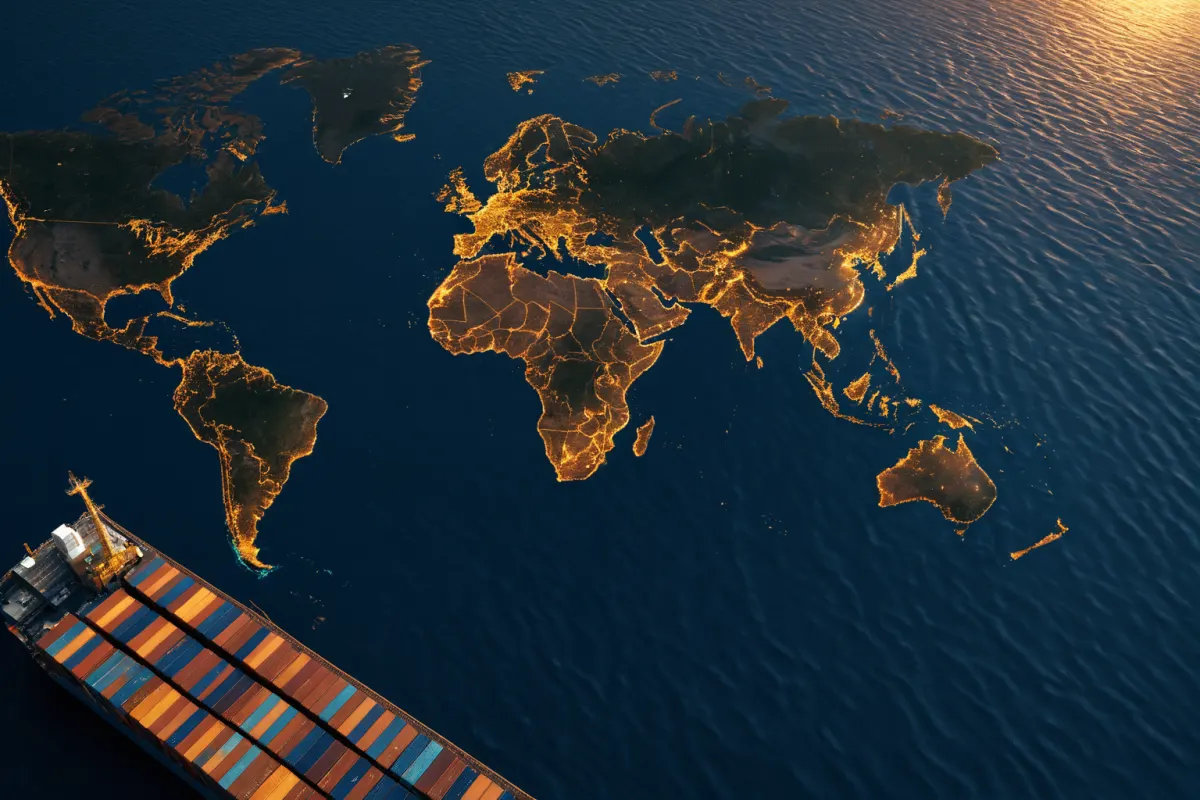
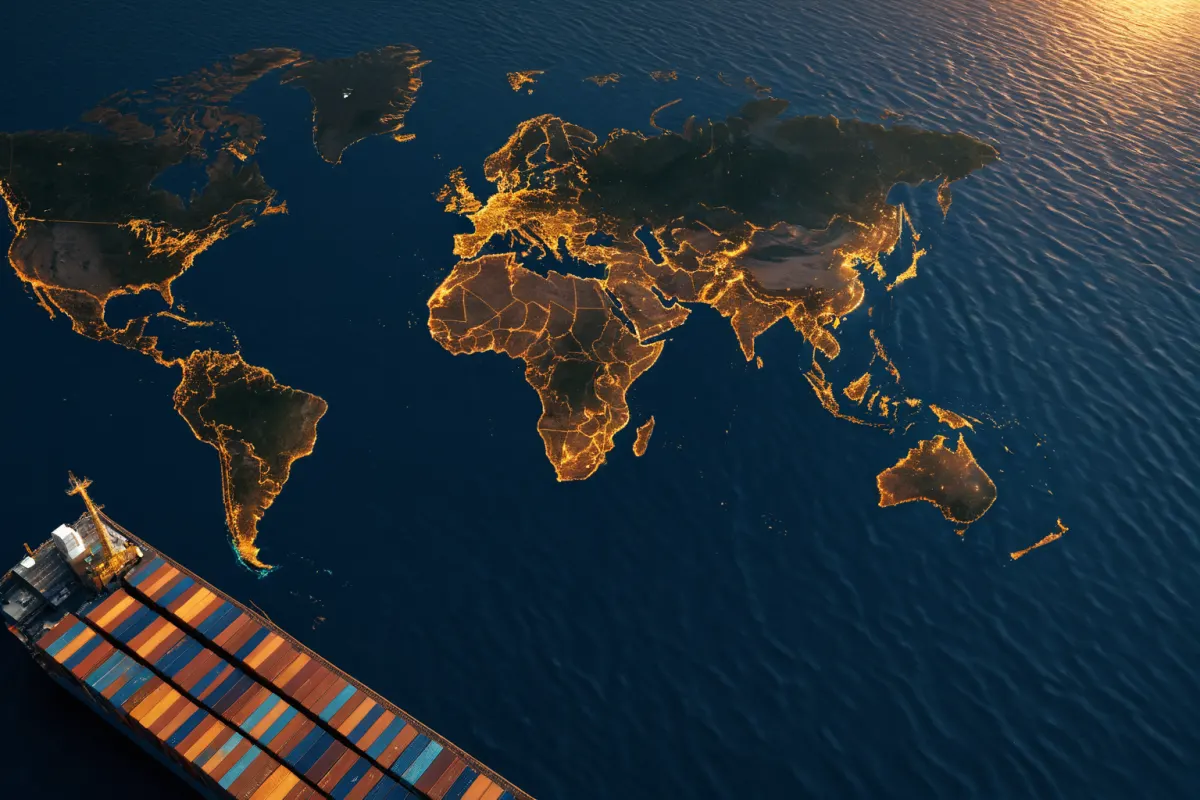
The term "forced labor tariffs" does not refer to additional taxes imposed on goods suspected or confirmed to be produced using forced labor. Instead, it describes a system that uses tariffs and customs measures to restrict or block imports, rather than simply raising tax rates. Recently, cases like the U.S. Uyghur Forced Labor Prevention Act have made this issue more prominent, shifting the focus from a mere tax matter to one of supply chain verification.
A common point of confusion is whether forced labor tariffs are about increasing taxes as a form of punishment. In reality, customs authorities can suspend clearance, seize goods, or block imports entirely if evidence of forced labor is found. For businesses, verifying origin and auditing suppliers become critical steps.
Core Meaning of Forced Labor Tariffs
This term isn't a fixed legal phrase but is commonly used to refer broadly to customs measures related to products connected with forced labor—including tariffs, customs procedures, and import bans.
In other words, it's less about collecting higher tariffs and more about regulating the flow of goods suspected of being made under forced labor conditions. When you see this term in news reports, it usually relates to the intersection of international human rights standards and trade regulations.
You can find more articles on similar topics here.
View Related ArticlesWhy Forced Labor Tariffs Are Controversial
The main reason for controversy is that companies often don't directly oversee final manufacturing facilities. With supply chains involving multiple tiers—raw materials, components, subcontractors, and sub-subcontractors—it can be difficult to determine where forced labor might occur.
Another issue is the evidence standard. Importers may claim they were unaware of any forced labor practices, but customs authorities base their decisions on documentation like supply chain records, logistics routes, and transaction history. As a result, businesses face much higher verification demands than simple purchasing would require.
For example, if a company imports clothing or electronics, verifying only the final assembly plant may not be sufficient. They must also examine cotton production sites, yarn suppliers, and component subcontractors. Without proper documentation, customs clearance issues can arise at any stage.
How Forced Labor Measures Actually Work
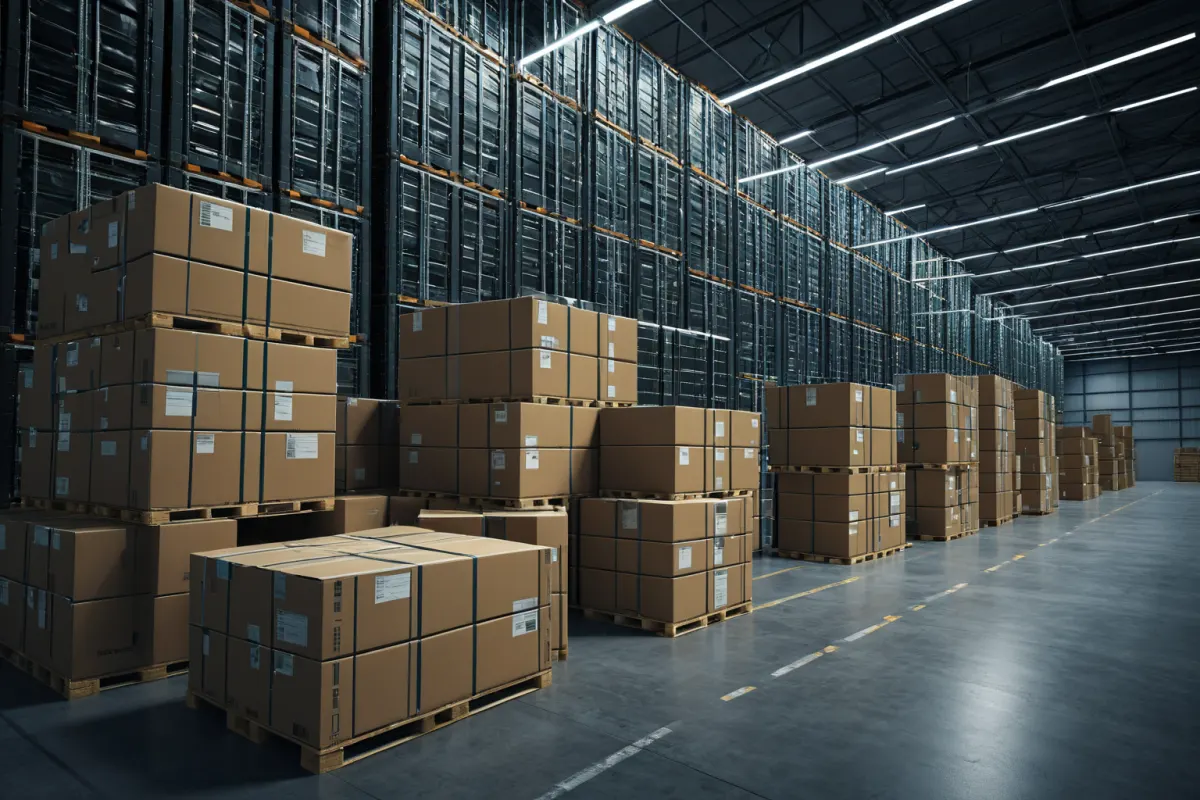
Forced labor-related measures typically appear in the form of customs watchlists, import bans, or additional document requests. Rather than imposing immediate severe penalties, authorities often first identify suspicious goods and request detailed information before proceeding.
The required documentation is quite specific: commercial invoices, origin certificates, manufacturing process details, supplier contracts, and shipping records are all standard. These documents must align with one another to support a claim of a legitimate supply chain.
In practice, the connection between records matters more than any single document. For example, if Company A claims products were made at Factory B but the raw materials came from Region C—which is suspected of forced labor—the explanation may require additional details.
What Businesses Need to Prepare
The first step for businesses is to map their supply chain in detail, breaking it down into each stage—from raw materials through processing and assembly to shipping. Simply listing the final point of sale isn't enough.
Next, verify suppliers. When selecting new partners, consider not just price but also whether they have human rights policies, how their subcontracting structure works, and if they can provide production records.
For example, a South Korean company importing finished goods should not stop at including a "no forced labor" clause in contracts. They must request process diagrams, factory locations, and key material sources from suppliers to build a defense against potential customs challenges.
What Consumers Should Know
This issue isn't just for businesses—consumers also have a role. It's important to consider what supply chain backs the cheap or fast products you buy, especially in categories like apparel, minerals, and electronics that often involve complex global supply chains.
While consumers can't verify every detail themselves, reviewing brand sustainability reports, supply chain transparency data, and certifications is a practical step. The key isn't necessarily choosing more expensive items but opting for those with better transparency reporting.
How to Interpret 'Forced Labor Tariffs' in News
When you see this term in news headlines, it usually refers to one of three scenarios: 1) Import restrictions on goods from specific countries or regions, 2) Customs holds on products from certain companies, or 3) Trade pressure applied for human rights reasons.
Don't mistake "tariffs" as meaning simply higher tax rates. The core issue is about import blockage and verification demands rather than tariff increases. Therefore, these stories should be understood more as a mix of human rights, trade policy, and customs procedures rather than straightforward tax news.
When examining similar international issues, apply the same interpretation: When countries announce measures citing forced labor concerns, their main goal is often to reform supply chains rather than protect domestic markets.
FAQ
Q1. Does "forced labor tariffs" mean simply raising tax rates?
A. Not necessarily. In practice, import bans, customs holds, and additional verification are more central than tariff increases.
Q2. Which products are most commonly affected?
A. Goods with complex supply chains like apparel, electronics, solar components, and mineral-based raw materials often face these measures.
Q3. What should businesses prepare first?
A. Start by auditing suppliers, gathering origin documentation, manufacturing process details, and shipping records.
The concept of forced labor tariffs ultimately connects international human rights concerns with trade regulation. Rather than viewing it as a simple tax story, understanding which supply chains are under scrutiny provides a clearer picture. Always check the latest customs trends and country-specific guidelines before importing or signing contracts, as these rules change frequently.
Explore more articles on similar topics.
View Category ArticlesFAQ
Does "forced labor tariffs" mean simply raising tax rates?
Not necessarily. In practice, import bans, customs holds, and additional verification are more central than tariff increases.
Which products are most commonly affected?
Goods with complex supply chains like apparel, electronics, solar components, and mineral-based raw materials often face these measures.
What should businesses prepare first?
Start by auditing suppliers, gathering origin documentation, manufacturing process details, and shipping records.
Korean Source
This article is an English localization of a Korean-language report from BlogScore. Original: 강제노동 관세 뜻이 뭔가요? 제도 핵심만 정리