
Understanding Foot Pain Causes: Why It Hurts and Tingles
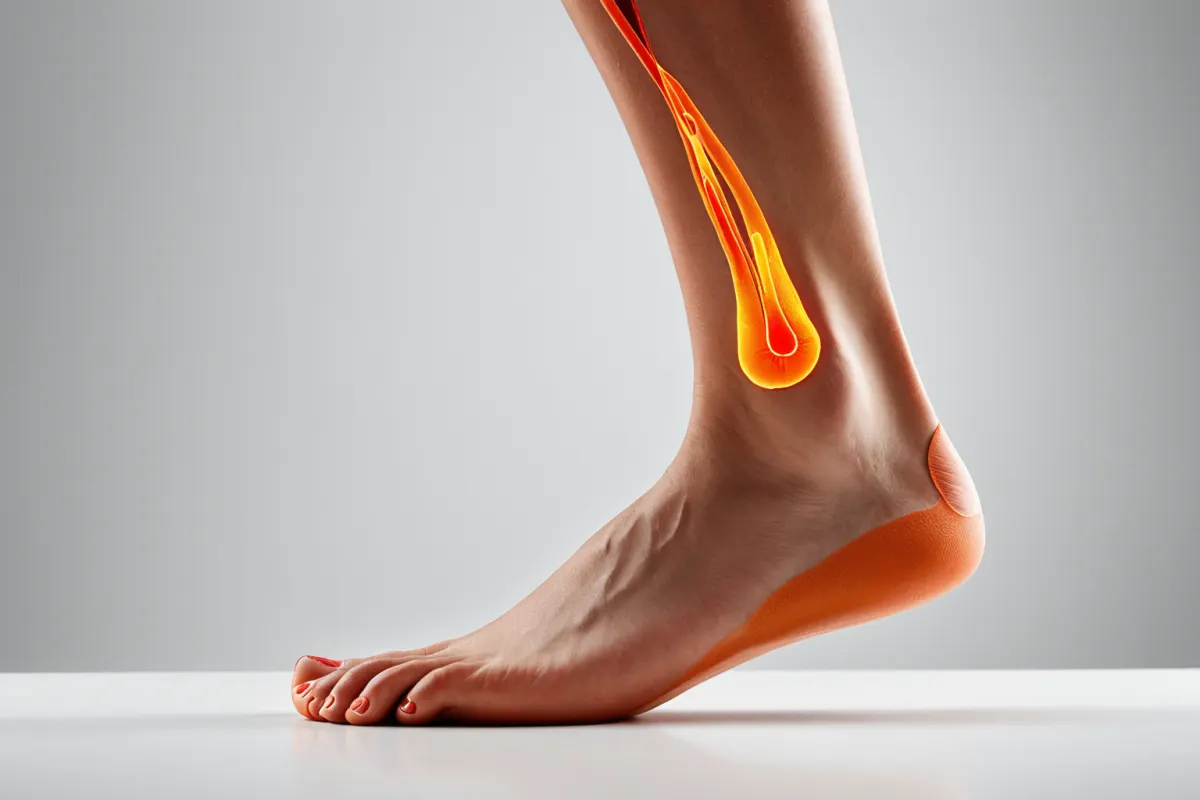
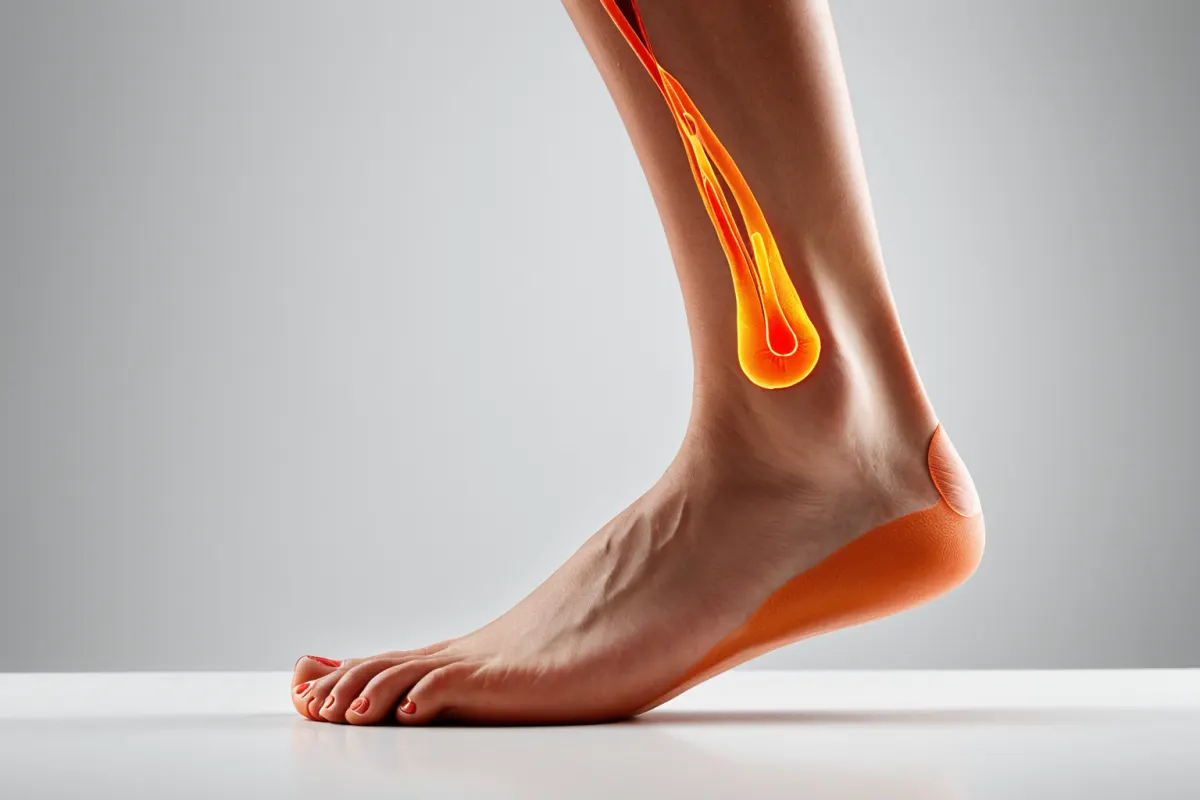
If your feet hurt and tingle, the first things to consider are overuse, plantar fascia irritation, or nerve compression. Many people experience severe pain with their first steps in the morning or when standing for long periods, and the location of the pain can help pinpoint the cause.
Sometimes it feels like simple fatigue, but if it persists for days, you may need to consider shoe issues, weight-related stress, or foot structure problems. For instance, tingling on the inside of the heel often points to plantar fascia issues, while numbness in the toes suggests a nerve problem.
Most Common Cause: Plantar Fascia Irritation
The most frequent cause is repeated strain on the plantar fascia—a tough band of tissue running from the heel to the toes. Overuse from walking or running can cause micro-tears, leading to pain.
This pain often feels worst with that first step in the morning. It may also feel sharp when getting up after sitting for a while, and it tends to ease slightly as you walk but worsen again after prolonged standing.
For example, people who stand all day or suddenly increase hiking on weekends are prone to this issue. Wearing shoes with little cushioning for extended periods can also contribute.
You can find similar articles in one place.
View Related ArticlesPossible Nerve Compression Causing Tingling Pain
If your foot doesn't just hurt but tingles or feels like an electric shock, nerve irritation might be the cause. Pressure on nerves inside the ankle or along the toes can lead to these sensations.
Symptoms often worsen with certain positions—like wearing tight shoes, walking for long periods, or feeling numbness between the toes.
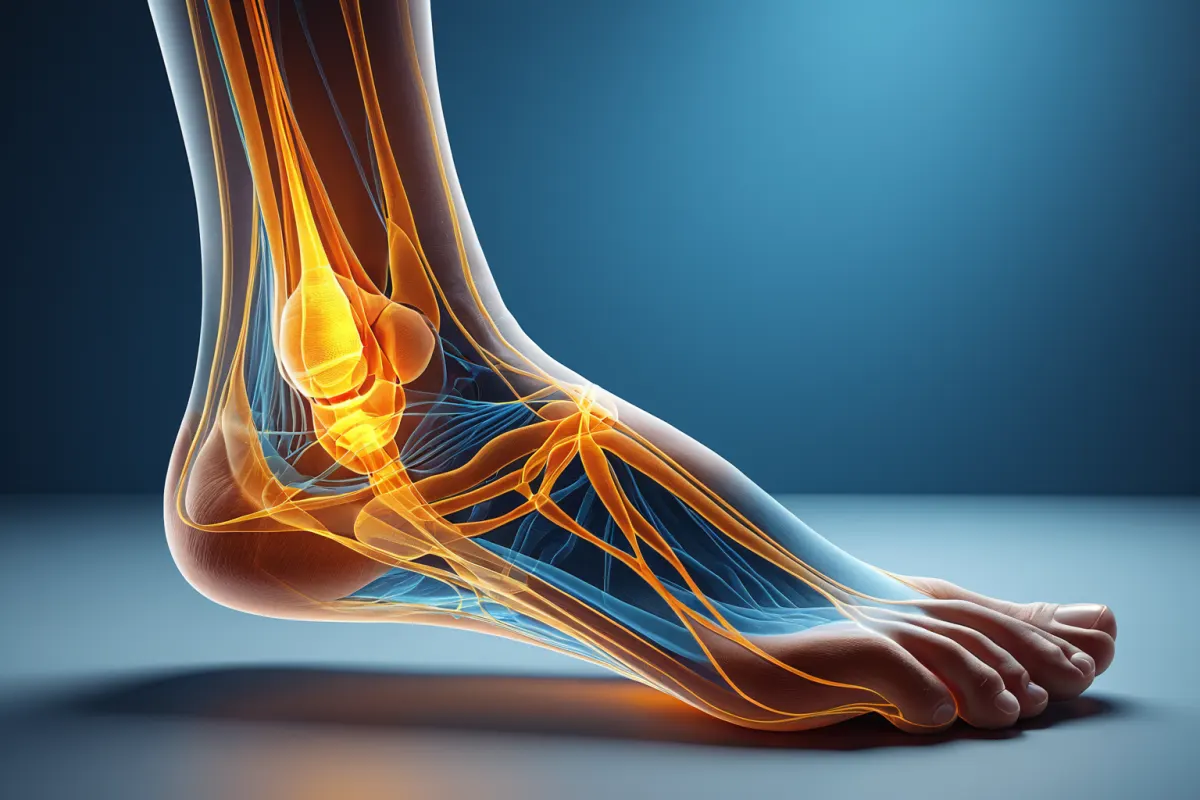
To distinguish at home, look for numbness, burning sensations, or reduced sensation rather than just pain. Check if it hurts only when pressed or if it tingles even when resting—it can help narrow down the cause.
Weight and Walking Habits Contributing to Pain
Sudden weight gain or imbalanced walking patterns can concentrate stress on the feet. This is especially true for those with collapsed arches or flat feet, where pressure builds up in specific areas.
Jobs requiring long standing, working on hard surfaces, or wearing thin-soled indoor shoes are common contributors. In such cases, reducing impact through better footwear matters more than relying on painkillers temporarily.
For instance, walking barefoot at home, wearing stiff heels at work, and then exercising after work leaves no time for feet to recover. Over time, this pattern can make the pain feel sudden, even though it’s been building up gradually.
Differentiating Heel vs. Ball-of-Foot Pain
Pain location offers clues about the cause. If the inside of your heel hurts, consider plantar fascia issues first; if the area under the ball of the foot is painful, check for toe pressure or metatarsal overload.
Heel pain often worsens with that first morning step, while ball-of-foot pain gets worse after walking long distances or when weight shifts to the toes. If the area right below your toes feels bruised, high heels or excessive walking might be contributing factors.
Pointing at the exact spot of pain can provide hints: sharp pain in one spot suggests localized pressure, while widespread tingling indicates possible nerve involvement.
Self-Care Tips for Immediate Relief
You don’t need to see a doctor right away. Start by reducing activities that cause pain and switching to cushioned shoes—it can significantly ease discomfort. If you’ve been walking barefoot often, opt for slip-on footwear with good shock absorption indoors.
Gently stretching your calves and feet before getting out of bed may reduce morning step pain. Ice packs help after exercise or long walks if swelling occurs, but avoid aggressive massage, which might make things more sensitive.
- If pain doesn’t improve in a day or two, cut back on activity further
- Replace thin-soled shoes with ones featuring cushioned soles
- Avoid forceful stretching that bends the foot sharply; keep it gentle instead
- Postpone high-impact activities like running or jumping when pain is severe
When to See a Doctor
If pain continues despite rest, or if walking becomes difficult due to discomfort, it’s time for medical evaluation. Signs requiring attention include swelling, heat, bruising, numbness, or one-sided intense pain.
People with diabetes or accompanying lower back pain along with foot tingling should also get checked. In these cases, the issue might involve nerves or blood circulation beyond just the feet.
For example, if you feel pain only in the afternoon after a good morning, numbness in your toes, or recurring symptoms for over a month, it’s safer to identify the cause than simply endure the discomfort.
Key Checkpoints for Identifying Causes
Documenting when pain started, what movements make it worse, and where it hurts most can help during medical visits. Also note changes in exercise routine, footwear, or weight—they all contribute to pinpointing the root cause.
Pay special attention to whether pain repeats during four key scenarios: morning first steps, long walking sessions, prolonged standing, and wearing tight shoes. If these patterns are present, plantar fascia irritation or nerve compression should be considered early on.
Also consider if symptoms come and go briefly or occur consistently every day. Higher recurrence means it’s likely tied to lifestyle habits and foot structure that need review.
FAQ
Q1. Is my tingling foot pain due to plantar fasciitis?
If morning steps are especially painful and the inside of your heel feels stiff, it could be related. However, if numbness is strong or sensation changes occur, nerve issues should also be considered.
Q2. Will resting from exercise cure foot pain quickly?
Mild overuse may improve with rest. But without addressing shoe choices, weight stress, or walking habits, symptoms often return.
Q3. What’s the first thing to change at home?
Switching to cushioned shoes and reducing barefoot time is a practical start. Next, reduce activities that cause pain for a short period.
If symptoms persist or are accompanied by numbness, swelling, or reduced sensation, medical consultation may be needed. Always consult with healthcare providers about the latest treatment options based on your specific condition.
Continue exploring similar topics.
View Category ArticlesFAQ
Is my tingling foot pain due to plantar fasciitis?
If morning steps are especially painful and the inside of your heel feels stiff, it could be related. However, if numbness is strong or sensation changes occur, nerve issues should also be considered.
Will resting from exercise cure foot pain quickly?
Mild overuse may improve with rest. But without addressing shoe choices, weight stress, or walking habits, symptoms often return.
What’s the first thing to change at home?
Switching to cushioned shoes and reducing barefoot time is a practical start. Next, reduce activities that cause pain for a short period.
Korean Source
This article is an English localization of a Korean-language report from BlogScore. Original: 발바닥통증 원인, 왜 아프고 찌릿거릴까