
Understanding Drunk Driving Stop Evasion and Crash Accidents
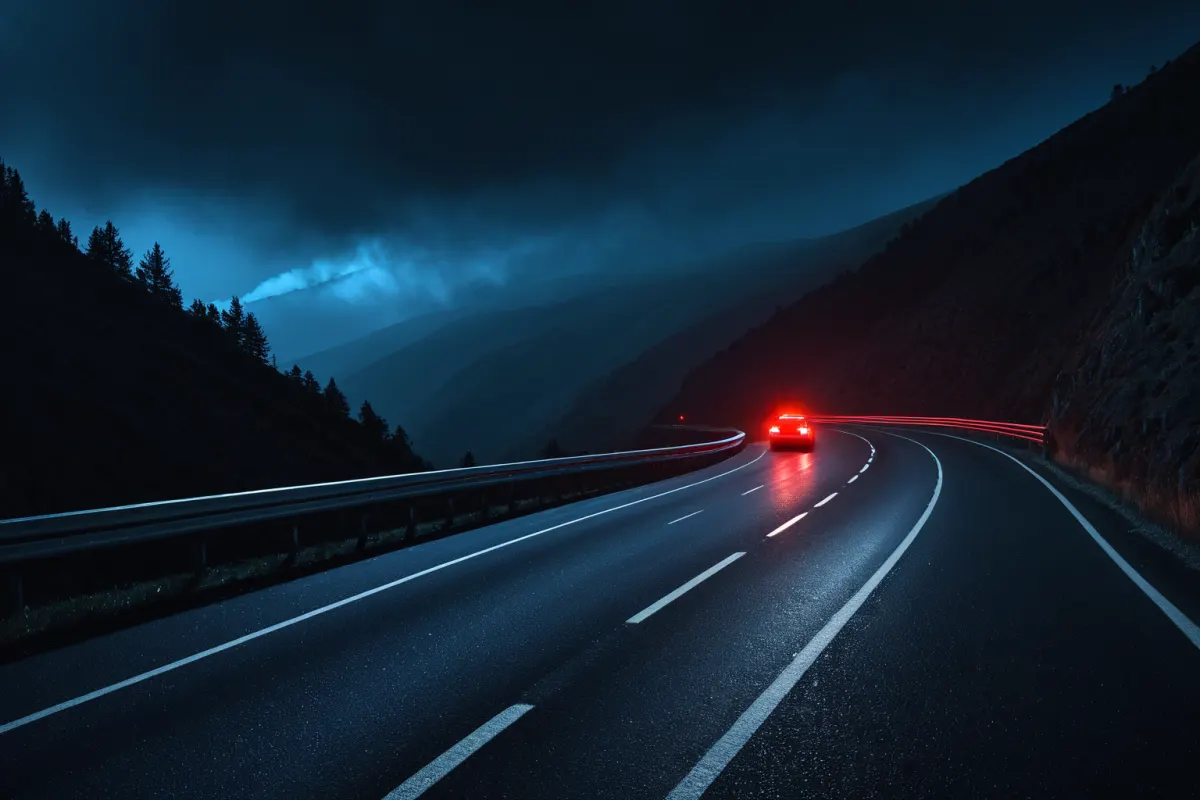
A 'drunk driving stop evasion crash' refers to an accident where a vehicle loses control and crashes while trying to flee from a traffic checkpoint. These incidents often draw significant attention because they can lead to severe injuries or fatalities when drivers, attempting to avoid detection, make poor decisions under stress.
When examining such cases, it's crucial to recognize that this is more than just a traffic accident. Factors like whether the driver was intoxicated, their escape route, the crash location, presence of passengers, and on-site response all need to be considered together to understand the full sequence of events.
The Basic Sequence of Events
Drunk driving stop evasion crashes typically follow a similar pattern. A vehicle passing through or spotting a checkpoint may either ignore a stop request or abruptly change direction to speed away.
During this escape attempt, drivers often fail to slow down and engage in risky maneuvers like sudden lane changes, rapid acceleration, or dangerous evasive actions. This frequently leads to crashes into road structures, guardrails, retaining walls, riverbanks, or steep slopes.
Nighttime or rainy conditions can worsen visibility and increase the likelihood of severe accidents. The decision to flee from a checkpoint often directly escalates an already risky situation into something much more dangerous.
You can find similar articles on this topic in one place.
View Related ArticlesWhy Evasion Leads to Crashes
Under the influence of alcohol, drivers experience impaired judgment and slower reaction times. They may fail to recognize obstacles they would normally avoid or react too slowly with brakes and steering, making accidents more likely.
The psychological stress of fleeing from a checkpoint also heightens anxiety. The focus on avoiding detection often prevents drivers from carefully observing surrounding vehicles, pedestrians, or road conditions at the edge of the roadway.
For example, attempting to make sharp turns on downhill sections or entering narrow alleys without proper assessment can lead to crashes when encountering unprotected areas like missing railings. Fleeing from checkpoints essentially encourages continued risky driving behavior.
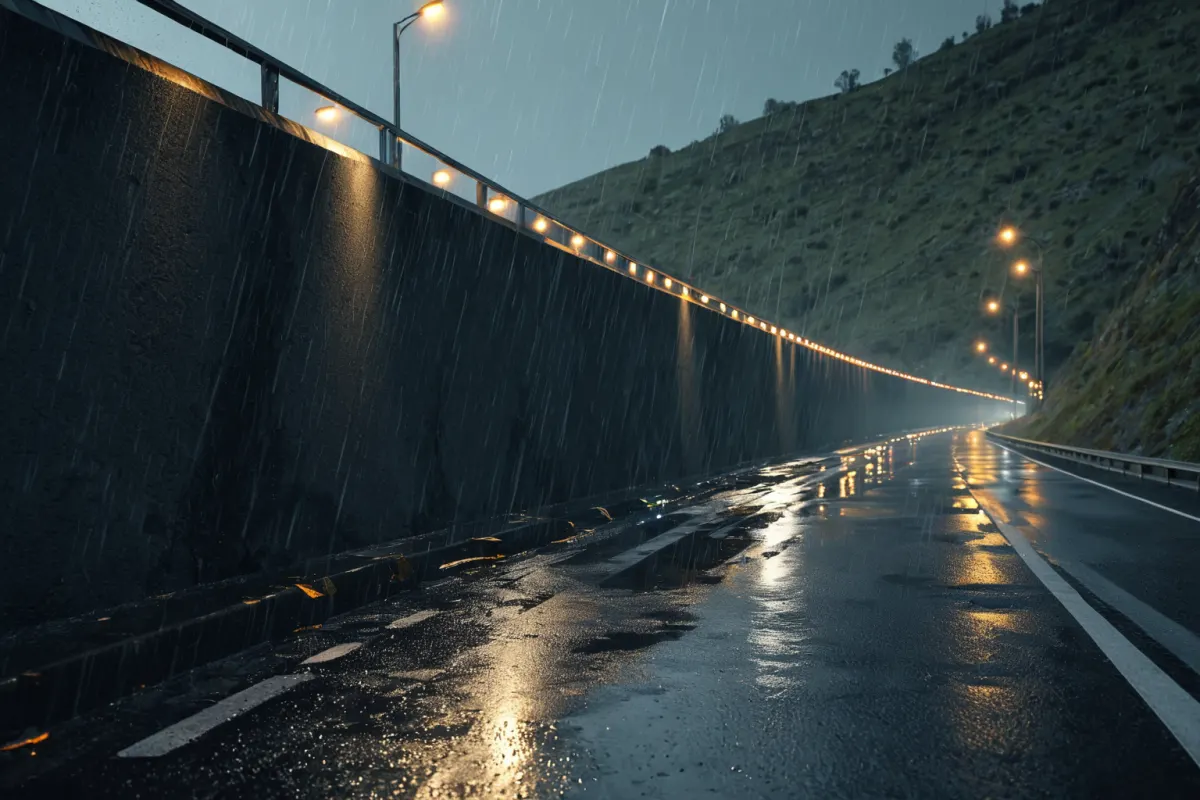
Key Details Observed at the Scene
Investigating these incidents is most effective when following a chronological timeline: checkpoint start time, vehicle response, distance traveled during evasion, crash location, and subsequent rescue and arrest procedures.
For instance, "Stopped at checkpoint but drove off without stopping → Traveled hundreds of meters before losing control on a sharp curve → Crashed down the roadside embankment" provides clear context for understanding what happened.
Black box footage, nearby CCTV recordings, and witness statements are crucial in these cases. The speed of travel and actions immediately before impact can significantly influence how the incident is understood and evaluated.
Alcohol Use and Additional Considerations
Many people focus only on the crash itself, but additional factors like refusal to undergo alcohol testing or failure to take appropriate action after the accident are also important. Whether the driver left the scene immediately after crashing or prioritized moving passengers can significantly affect how the case is viewed.
For example, if a driver reported the accident and requested help immediately afterward, this could change the circumstances. Conversely, if they caused additional damage to other vehicles or structures during their escape attempt, liability for secondary accidents may apply.
This distinction matters greatly when analyzing such incidents. The fact of alcohol impairment, the evasion behavior, and post-crash actions are typically evaluated separately in most cases.
Common Patterns Seen in News Reports
These types of crashes frequently occur in areas with narrow roads or poor visibility, especially around riverbanks, highway entrances/exits, or rural outskirts where driving conditions can be more challenging. These locations often present higher risks for such accidents.
A recurring pattern involves vehicles with passengers. Whether passengers tried to dissuade the driver, encouraged the escape, or helped request assistance after the crash affects how these incidents are perceived and handled.
For instance, drivers might maintain control on straight roads while evading checkpoints but face sudden challenges when entering curves. Even brief evasion attempts can lead to severe outcomes due to the change in driving conditions.
Key Points to Verify When Reviewing an Incident
To quickly understand such incidents, focusing on these five key points is sufficient:
- Checkpoint timing and location
- Trigger for evasion attempt
- Crash location and road conditions
- Presence of injuries
- Alcohol testing or arrest process
Reviewing these elements in sequence provides a much clearer understanding than simply reading the headline. The exact nature of the crash site—whether near sidewalks, rivers, or simple slopes—affects how the incident is assessed.
What to Remember as an Ordinary Observer
When encountering such incidents, prioritize safety and rescue over sensational details. Immediately after a crash, calling emergency services (119), securing the scene to prevent further accidents, and avoiding direct contact with vehicles are crucial steps.
If you witness the accident firsthand, avoid moving vehicles or passengers unless absolutely necessary. First assess whether there are additional hazards like unstable terrain or potential fuel leaks that could create secondary risks.
For example, if a vehicle has come to rest on a steep slope, it may appear stable at first glance but could have fuel leakage or risk of further sliding. In such cases, reporting the incident and waiting for professionals is safer than approaching directly.
Why It's Important to Understand the Full Context
Drunk driving stop evasion crashes connect multiple issues: traffic checkpoints, road safety, and legal responsibility. Viewing these as simple accidents misses important context about why drivers fled and what environmental factors contributed to the crash.
The same type of crash can have different meanings depending on whether it resulted from drunk driving evasion, reckless speeding, or adverse weather conditions. This is precisely why readers search for terms like 'drunk driving stop evasion crash'—to understand the full sequence of events.
As investigations and official updates evolve, details may change, so checking recent news reports and official statements provides the most accurate picture of each specific case.
FAQ
Q. When do drunk driving stop evasion crashes typically occur?
A. These accidents commonly happen when drivers spot a checkpoint and attempt to flee without stopping, or ignore a stop request, then lose control on narrow roads or steep sections.
Q. Does a crash alone confirm drunk driving?
A. No. The presence of alcohol is determined through testing results, witness statements, and video evidence. A crash itself doesn't prove intoxication.
Q. What should you look for first when reviewing such an incident?
A. Check the checkpoint start time, evasion route, crash location, and injury status in that order to quickly grasp the full situation.
Continue exploring similar topics.
View Category ArticlesFAQ
When do drunk driving stop evasion crashes typically occur?
These accidents commonly happen when drivers spot a checkpoint and attempt to flee without stopping, or ignore a stop request, then lose control on narrow roads or steep sections.
Does a crash alone confirm drunk driving?
No. The presence of alcohol is determined through testing results, witness statements, and video evidence. A crash itself doesn't prove intoxication.
What should you look for first when reviewing such an incident?
Check the checkpoint start time, evasion route, crash location, and injury status in that order to quickly grasp the full situation.
Korean Source
This article is an English localization of a Korean-language report from BlogScore. Original: 음주단속 도주추락 사건, 발생 과정과 경위