
Understanding the Differences Between Gravel, Crushed Stone, and Crushed Rock: Uses and Applications
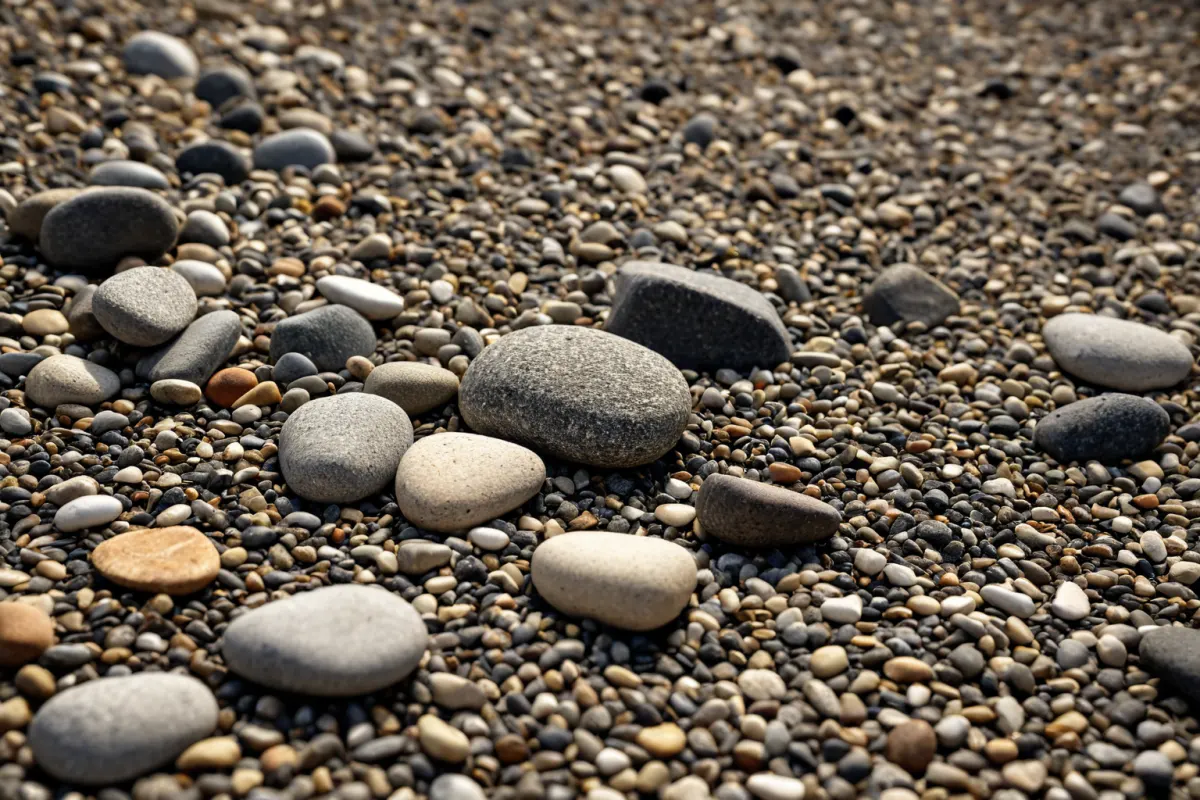
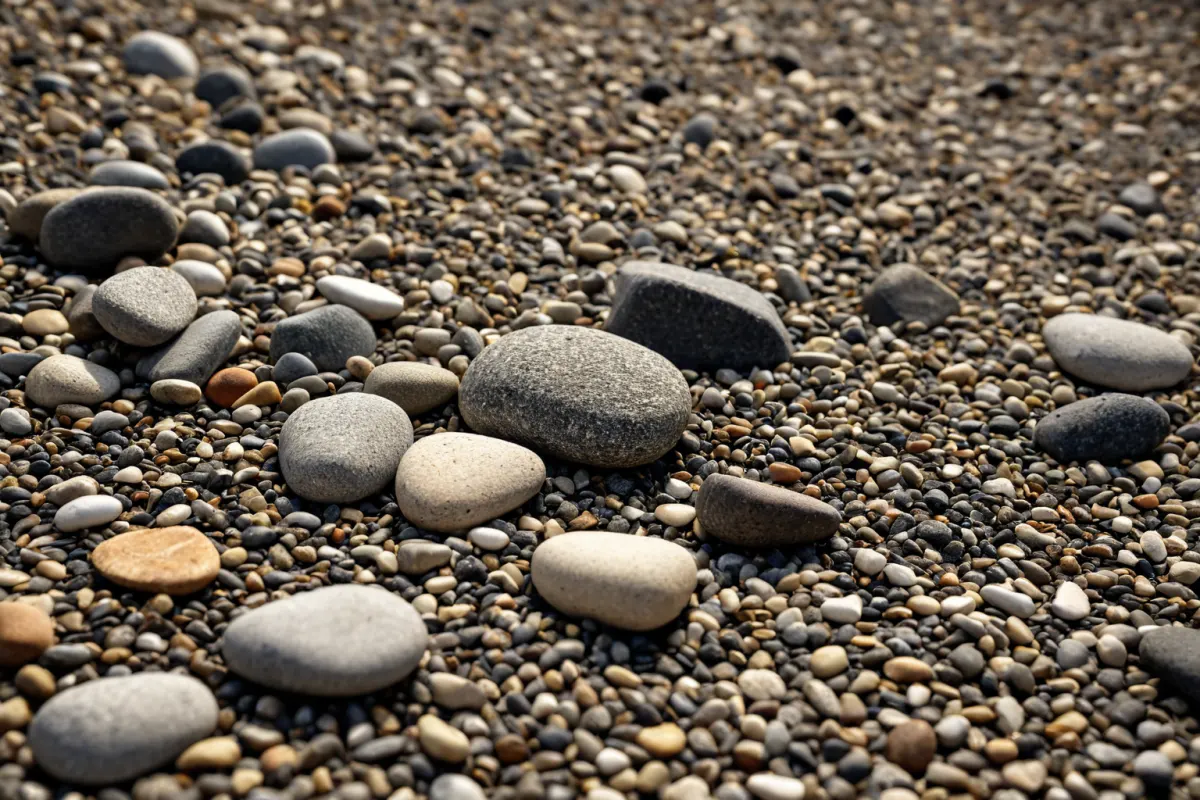
When choosing aggregate materials, many people get confused between gravel, crushed stone, and crushed rock. In short, gravel is naturally rounded stones worn smooth by water flow, while crushed stone and crushed rock are made by breaking rocks. Since their uses differ, it's important to consider how you'll use them—rather than just looking at their appearance—when selecting materials for patios, drainage layers, or concrete.
Natural Rounded Shape of Gravel
Gravel forms naturally as stones roll along riverbanks or seashores over time, smoothing out their edges. It feels less sharp to the touch and gives a soft visual impression.
This makes it ideal for landscape flooring, flower beds, drainage layers, and decorative finishes. For example, laying white gravel or river gravel around your patio not only ensures good drainage but also creates a clean, polished look.
However, because gravel pieces don't interlock well, it's often unsuitable for high-traffic areas or places requiring strong compaction. While walking on it feels comfortable, its stability is relatively low.
You can find more articles on similar topics in one place.
View Related ArticlesAngular Shape and Strong Interlocking of Crushed Stone
Crushed stone is made by breaking larger rocks, resulting in a rough, angular surface. Its sharp edges allow it to interlock well with other pieces—a key advantage.
This makes it commonly used for road bases, concrete foundations, and paving projects where structural strength is needed. Because it compacts more tightly than gravel of the same amount, it offers better stability after compaction.
For example, when building a parking lot floor, using crushed stone instead of gravel—and compacting it thoroughly—can prevent uneven surfaces from forming later. While it may look rough at first glance, it's widely trusted in construction for its reliability.
Practical Applications of Crushed Rock
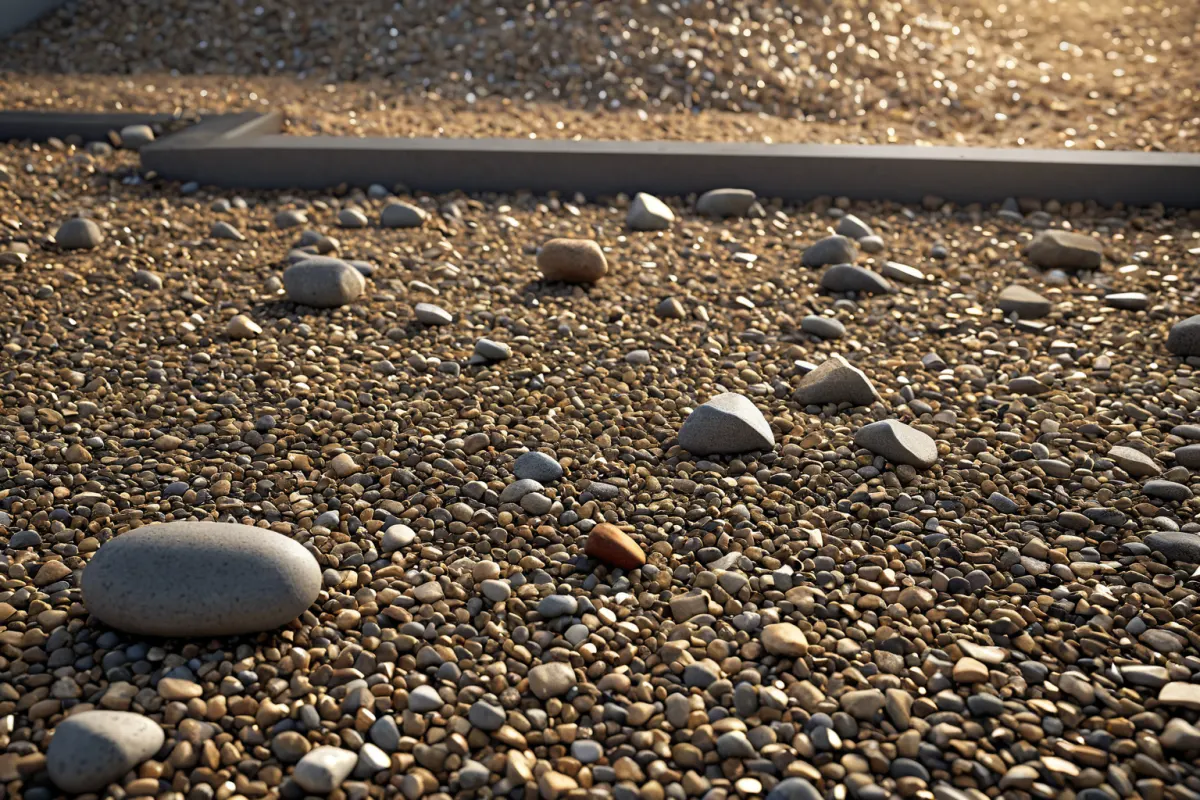
Crushed rock is literally made by crushing rocks or large stones. In practice, it’s often grouped with crushed stone but may be distinguished based on production methods or specifications depending on context.
The key point is that size and quality matter more than the name. Even within crushed rock, different sizes, dust content, and compaction properties determine their use. For instance, for drainage layers, materials with good water flow and uniform particle size are preferred.
A common confusion in the field isn't whether it's crushed stone or crushed rock but what specification is needed—like 25mm vs. 40mm—which affects compaction and drainage performance. So when ordering, be sure to specify both the purpose and required specifications.
Different Uses by Aggregate Type
Gravel works best for landscaping, finishing, drainage, and decorative purposes. It feels soft underfoot and blends naturally with gardens or outdoor spaces.
Crushed stone and crushed rock are better suited for structural applications like road bases, concrete foundations, compaction layers before paving, and soil reinforcement. For areas bearing heavy loads, angular aggregates like crushed stone perform much better than rounded gravel.
For example, a drainage path beside a vegetable garden might use gravel for its clean look, while an entrance road that sees frequent vehicle traffic would be better suited with crushed stone. Even though they may look similar at first glance, their performance differs significantly based on where they’re used.
Mistakes to Avoid When Choosing Gravel and Crushed Stone
Many people choose materials based solely on shape, but particle size and dust content are often more important. Too much fine dust can actually block drainage in layers meant for water flow.
Another point is the potential for settlement after compaction. Rounded gravel may look attractive but tends to slip against other pieces, causing surface instability if layers shift. Crushed stone compacts well but feels rough underfoot, making it less ideal as a walking surface finish.
For example, using decorative gravel on one side of your yard and crushed stone for soil reinforcement on the other can balance both function and aesthetics. Rather than sticking to just one type across all areas, dividing materials by purpose is more practical.
Cycle Aggregate and Masato: Their Place in Construction
Related materials often searched for include cycle aggregate and masato. Cycle aggregate is recycled construction waste like concrete that’s processed again for use—its application depends on specific needs.
Masato is a granular material mixed with soil, used when both drainage and compaction are important considerations. However, it differs from naturally washed stones like gravel, so it shouldn't be confused as the same type of material.
For example, flowerbeds needing good water absorption often pair well with gravel or specific drainage aggregates, while slope reinforcement or temporary paving might use masato instead. The right choice depends entirely on your project's needs.
What to Check When Looking at Crushed Rock Prices
The price of crushed rock varies depending on specifications, quarry location, delivery distance, and demand. Even for the same weight, differences in size and quality can lead to varying unit prices, making simple comparisons difficult.
When reviewing quotes, don't just look at the per-ton price—check if shipping costs are included and what minimum order quantities apply. It's common for materials that seem affordable upfront to end up costing more due to added delivery fees.
For example, buying 1 ton in small quantities versus ordering 10 tons at once can result in different pricing structures. To make an accurate comparison, always review quotes with the same specifications and delivery conditions.
Simple Selection Criteria for Beginners
To sum it up: choose gravel if you want something visually appealing; go for crushed stone or crushed rock if you need structural support. For drainage and compaction needs, check particle size and dust content as well.
In practice, writing down your purpose first makes decision-making easier. Whether it’s "decorative patio," "parking lot base layer," "drainage channel," or "flowerbed edge," identifying the specific need will help you find the right material with fewer mistakes.
Don't try to make one choice for everything—start by distinguishing between pedestrian and vehicle use. Even though stones may look similar, their performance varies significantly based on where they’re placed.
FAQ
Q1. Can you tell the difference between gravel and crushed stone just by looking?
Nearly always. Gravel tends to be smooth and rounded, while crushed stone is angular and rough. However, for smaller sizes, it might help to touch them for a more accurate assessment.
Q2. Which is better for laying in your yard: gravel or crushed stone?
This depends on the purpose of your yard. For decorative purposes with good drainage, gravel works well. If you need something stable for frequent walking or fixed placement, crushed stone offers greater stability.
Q3. Are crushed rock and crushed stone completely different materials?
In practice, they're often used interchangeably on-site. However, there are subtle differences in production methods or specifications, so when ordering, it's better to confirm the required specification and purpose rather than relying solely on the name.
Prices and specifications can vary based on location and current conditions, so always double-check with suppliers before making a final purchase decision.
Continue exploring similar topics.
Browse CategoryFAQ
Can you tell the difference between gravel and crushed stone just by looking?
Nearly always. Gravel tends to be smooth and rounded, while crushed stone is angular and rough. However, for smaller sizes, it might help to touch them for a more accurate assessment.
Which is better for laying in your yard: gravel or crushed stone?
This depends on the purpose of your yard. For decorative purposes with good drainage, gravel works well. If you need something stable for frequent walking or fixed placement, crushed stone offers greater stability.
Are crushed rock and crushed stone completely different materials?
In practice, they're often used interchangeably on-site. However, there are subtle differences in production methods or specifications, so when ordering, it's better to confirm the required specification and purpose rather than relying solely on the name.
Korean Source
This article is an English localization of a Korean-language report from BlogScore. Original: 골재 종류(자갈·쇄석·파쇄석) 차이와 용도