
Understanding the Criteria and Benefits for 'Victims of Benevolent Acts' in South Korea
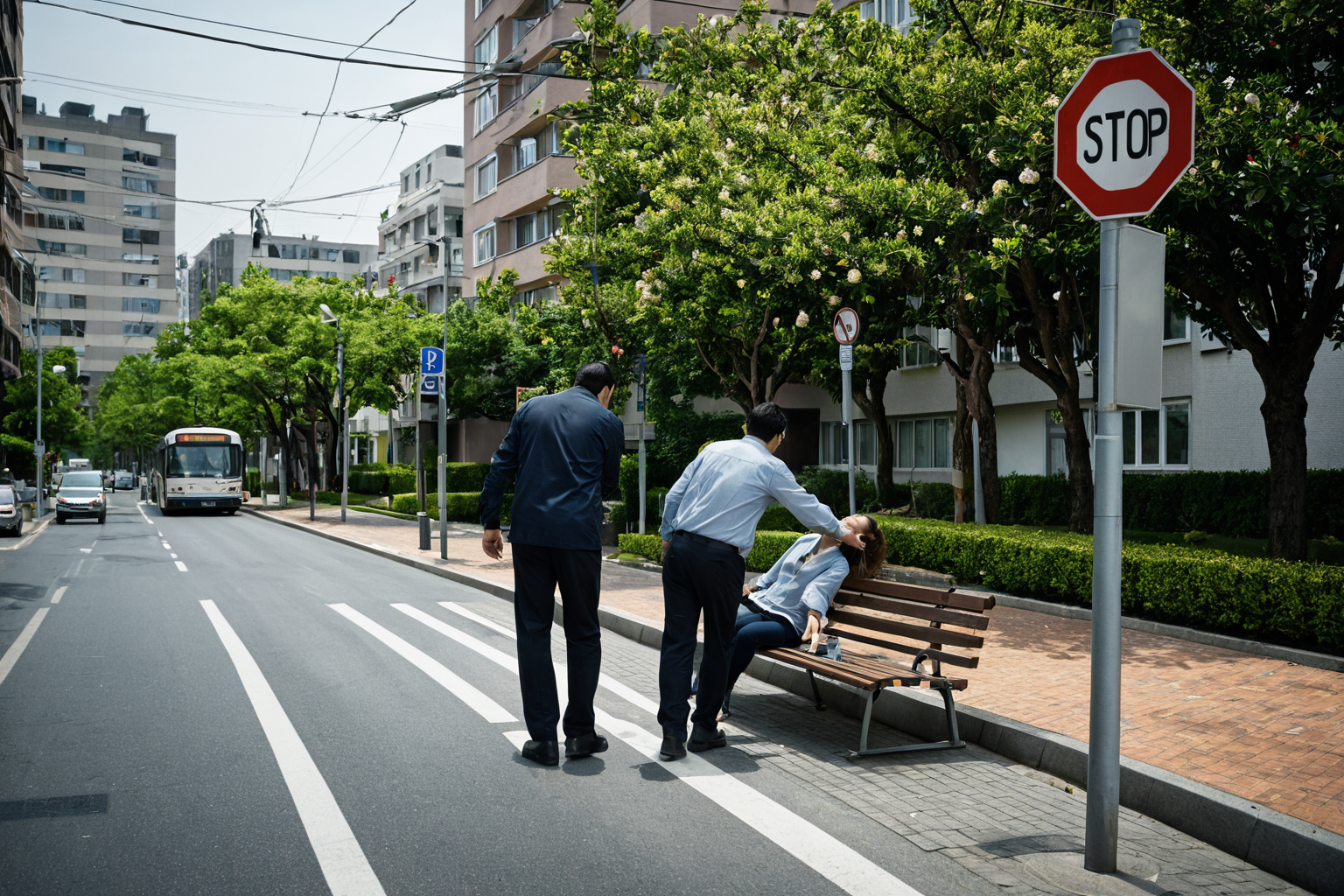
Eligibility Criteria and Benefits for Victims of Benevolent Acts
Victims of benevolent acts are supported for injuries or fatalities resulting from altruistic actions, though specific eligibility criteria remain undisclosed. Minor injuries such as bruises or abrasions may also qualify. The Ministry of Health and Welfare operates a review process for recognition and reconsideration, with an emergency medical expense advance support system currently being implemented to address gaps in treatment costs.

Definition and Real-World Examples
Victims of benevolent acts refer to those supported for injuries or deaths caused by altruistic actions, as defined by the Ministry of Health and Welfare. Cases where minor injuries like bruises or abrasions have been recognized include a university student who helped rescue a woman who fell from the sixth floor. Another example is a 50-year-old man in Jinju City whose intervention prevented an assault at a convenience store, leading to his recognition as a victim of benevolent acts.
A notable case involved Professor Im Se-won's family member, who was initially denied recognition on September 27, 2019, but later underwent reconsideration in November. This case highlighted the need for policy improvements, prompting ongoing efforts by the Ministry to refine its approach.
Application Process and Reconsideration
The Ministry of Health and Welfare manages recognition decisions and reconsideration procedures. Following the initial denial on September 27, 2019, a reconsideration was conducted in November for Professor Im Se-won's family member. This case underscored the necessity for revising eligibility criteria.
To address gaps in treatment costs before formal recognition, the Ministry is implementing an emergency medical expense advance support system starting August 23, 2026. The policy aims to reduce financial burdens during treatment, with detailed implementation guidelines available in official documents.
Policy improvements continue to emphasize that even minor injuries like bruises or abrasions qualify for recognition, reflecting a broader scope of altruistic actions covered under the program.
Benefits and Support Scope
The specific amount and scope of benefits remain unspecified, though support is available for injuries or fatalities resulting from benevolent acts. The Ministry aims to detail these aspects through ongoing policy refinement.
The emergency medical expense advance support system helps victims focus on recovery without financial strain. This initiative demonstrates the Ministry's commitment to improving the program.
Beyond monetary assistance, benefits aim to alleviate economic burdens during treatment while promoting societal recognition of altruistic acts—a key aspect of ongoing policy development.
Starting August 23, 2026, the emergency medical expense advance support system is expected to not only fill coverage gaps but also improve the efficiency of the recognition process.
Key Points for Verification
While specific criteria are undisclosed, minor injuries like bruises or abrasions can qualify. This indicates that even less severe injuries resulting from altruistic acts may be eligible for support.
The exact benefit amount and scope remain undetermined but will likely be detailed during policy improvements expected to continue until 2026. The Ministry regularly reviews related policies to ensure accuracy and relevance.
Accurate information can be found on the Ministry's website or through official documents, with updates including key cases like Professor Im Se-won's family member denial and reconsideration (September 27, 2019) and the upcoming emergency medical expense support launch (August 23, 2026).
How to Apply for Recognition
To be recognized as a victim of benevolent acts, individuals must go through the Ministry's reconsideration process. Real cases include the university student who rescued a woman falling from the sixth floor and the convenience store assault prevention case in Jinju City.
Benefits include emergency medical expense support to alleviate financial burdens during treatment, part of an ongoing initiative by the Ministry.
Once recognized, the Ministry provides detailed guidance on specific benefits and required documentation for medical expense reimbursement, ensuring individuals receive accurate information to claim their entitlements.
How to Access Information
For precise details on eligibility criteria and benefits, refer to official Ministry documents. Updates include key cases like Professor Im Se-won's family member denial (September 27, 2019) and reconsideration (November 2019), as well as the upcoming emergency medical expense support system starting August 23, 2026.
Search for 'Victim of Benevolent Acts Support Policy' or 'Support for Injuries from Altruistic Actions' on the Ministry's website. Local community welfare centers and offices also provide guidance on related policies.
Policies continue to evolve, with the August 2026 emergency medical expense support system representing a significant change. Regularly checking updates is essential for those seeking information.
Frequently Asked Questions
What documents are required to apply?
The Ministry has not specified exact documentation due to vague criteria. Refer to the latest official documents for accurate requirements.
Will specific benefit amounts be determined?
Benefit amounts have not been disclosed yet and will likely be detailed during policy improvements expected to continue until 2026.
How does the reconsideration process work if I'm denied recognition?
The Ministry operates a reconsideration system for recognition decisions, as demonstrated in the September 27, 2019 case. Requests for reconsideration are possible under this framework.
You can find more articles on similar topics here.
View Related ArticlesFAQ
What documents are required to apply?
The Ministry has not specified exact documentation due to vague criteria. Refer to the latest official documents for accurate requirements.
Will specific benefit amounts be determined?
Benefit amounts have not been disclosed yet and will likely be detailed during policy improvements expected to continue until 2026.
How does the reconsideration process work if I'm denied recognition?
The Ministry operates a reconsideration system for recognition decisions, as demonstrated in the September 27, 2019 case. Requests for reconsideration are possible under this framework.
Korean Source
This article is an English localization of a Korean-language report from BlogScore. Original: 의상자 선정 기준과 혜택, 실제로 받는 방법은?