
Understanding CPI Calculation with Real-Life Examples
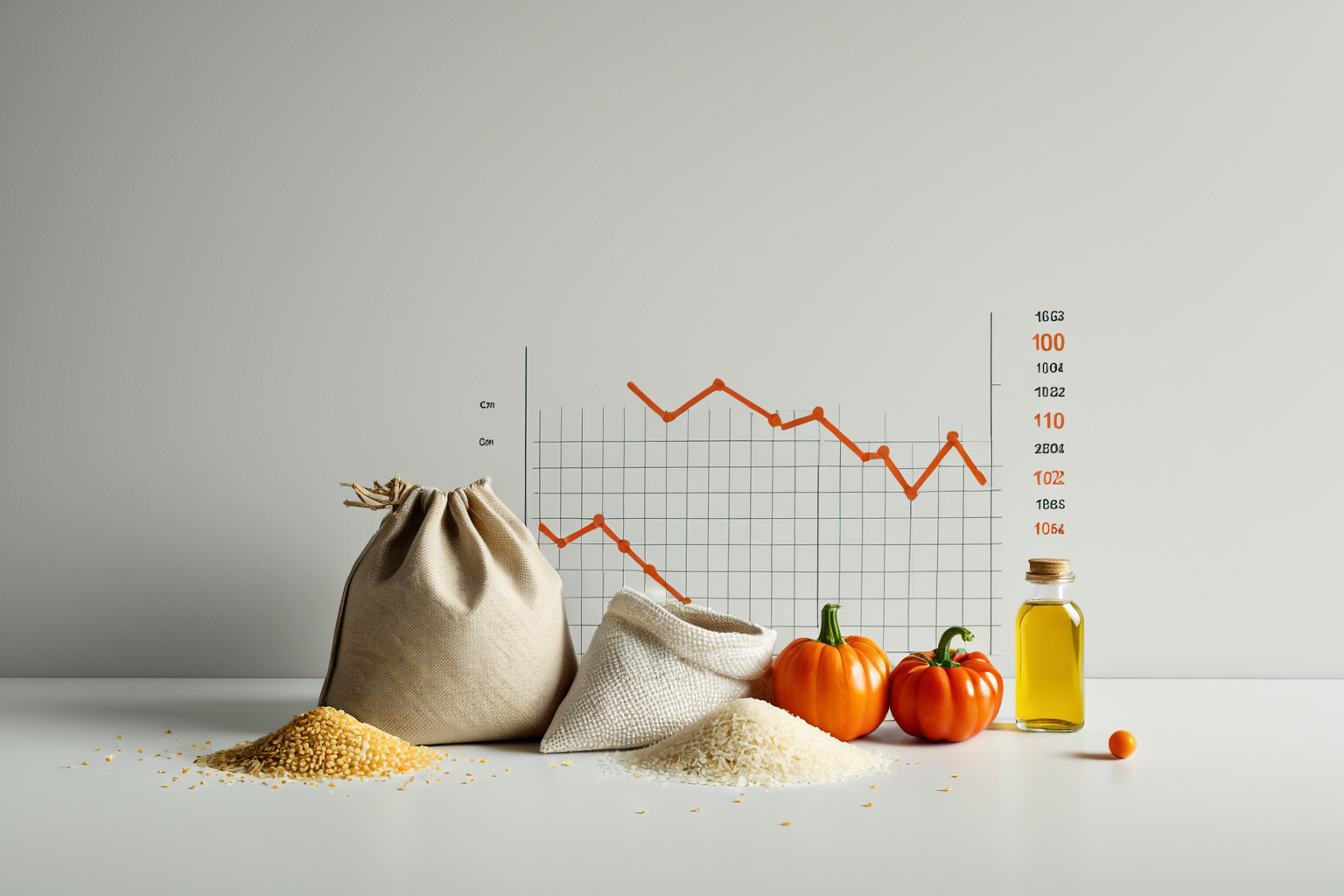
CPI Calculation Example
The Consumer Price Index (CPI) measures price changes for goods and services commonly purchased by consumers, serving as a key indicator for assessing inflation. In the first eight months of 2024, CPI has shown an upward trend, suggesting potential price pressures heading into year-end.
CPI calculation sets a base year at 100 and compares other years' price levels to it. For example, if 2023 is set as the base year (100), then a 2024 price level of 105 would indicate a 5% inflation rate.
CPI Calculation Formula and Real-Life Examples
Selecting an appropriate base year is crucial. Typically, it's based on the average price levels over recent years. For instance, using 2023 as the base year (100) and comparing to 2024 prices would show a level of 105.
This method tracks changes in everyday consumer goods and services. If ramen prices rose from 1,000 won in 2023 to 1,050 won in 2024, this reflects a CPI increase to 105.
2024 CPI Rise and Year-End Price Pressure
CPI has risen steadily over the first eight months of 2024, indicating that price pressures may intensify by year-end. The rise in CPI is driven by factors such as increased raw material costs and supply chain issues.
Food and energy prices have been particularly influential. For example, food prices rose by 7% compared to the previous year as of August 2024, while energy prices increased by 5%.
Difference Between CPI and Perceived Inflation
CPI measures overall consumer price changes, but individual perceptions can vary based on purchasing habits. For instance, someone who spends heavily on fuel will feel energy price increases more acutely than others.
Similarly, consumers with high food spending may be more sensitive to food price fluctuations, while those who rely more on services might notice service price changes more.
Practical Example of CPI Calculation
When using 2023 as the base year (100), a 5% increase in prices by August 2024 means consumer prices have risen approximately 5% compared to the previous year. This data serves as an important reference for government economic policy decisions.
For example, if housing rents or food prices significantly impact CPI, the government might enhance support policies in these areas. Data through August 2024 suggests this direction.

Specific Example of CPI Calculation Method
The base year is typically determined by averaging price levels over recent years, such as the average from 2019 to 2023. This average is set at 100, and prices for subsequent years are compared against it.
This method ensures accurate CPI measurement. Using 2023 as the base year (100), a 2024 price level of 105 means a 5% inflation rate.
Main Causes of 2024 CPI Increase
The rise in CPI during 2024 results from multiple factors, primarily increases in food and energy prices.
Food price increases stem from reduced production due to climate change or export restrictions. Energy prices have risen due to international market fluctuations and supply chain disruptions.
Understanding the Difference Between CPI and Perceived Inflation
Perceived inflation varies based on individual purchasing patterns. For example, frequent car users will feel energy price increases more than those who drive less.
Consumers with high food spending are more sensitive to food price changes, while those relying more on services may be affected more by service pricing fluctuations.
Real-World Application of CPI Calculation
The Consumer Price Index (CPI) directly relates to everyday consumer patterns. If 2023 is used as the base year (100), a price level of 105 in 2024 means that prices for goods and services have risen by approximately 5% compared to the previous year.
This data informs government economic policies, such as decisions on housing rent support or food subsidies. The continued CPI rise through August 2024 suggests this policy direction.
Importance of Consumer Price Index (CPI)
CPI is a key indicator for assessing inflation and influences both economic policy-making and consumer behavior. With CPI rising steadily over the first eight months of 2024, year-end price pressures are anticipated.
Government can use CPI changes to understand economic conditions and develop policies addressing inflation, such as support programs for food prices or energy cost reduction strategies.
Frequently Asked Questions
How is the CPI index calculated?
CPI sets a base year at 100 and compares other years' price levels to calculate inflation. For example, setting 2023 as the base (100), if prices in 2024 reach 105, this indicates a 5% inflation rate.
What is the difference between perceived inflation and CPI?
CPI measures overall consumer price changes, but perceived inflation varies based on individual purchasing habits. For instance, someone who spends significantly on fuel will feel energy price increases more acutely.
How might the 2024 CPI rise impact consumers?
The steady increase in CPI over eight months of 2024 suggests potential year-end price pressures. Governments can prepare economic policies accordingly.
FAQ
How is the CPI index calculated?
CPI sets a base year at 100 and compares other years' price levels to calculate inflation. For example, setting 2023 as the base (100), if prices in 2024 reach 105, this indicates a 5% inflation rate.
What is the difference between perceived inflation and CPI?
CPI measures overall consumer price changes, but perceived inflation varies based on individual purchasing habits. For instance, someone who spends significantly on fuel will feel energy price increases more acutely.
How might the 2024 CPI rise impact consumers?
The steady increase in CPI over eight months of 2024 suggests potential year-end price pressures. Governments can prepare economic policies accordingly.
Korean Source
This article is an English localization of a Korean-language report from BlogScore. Original: CPI 지수 계산 방법 예시: 실생활에서 쉽게 이해하는 공식