
Understanding Common Side Effects After Chalina Double Eyelid Surgery
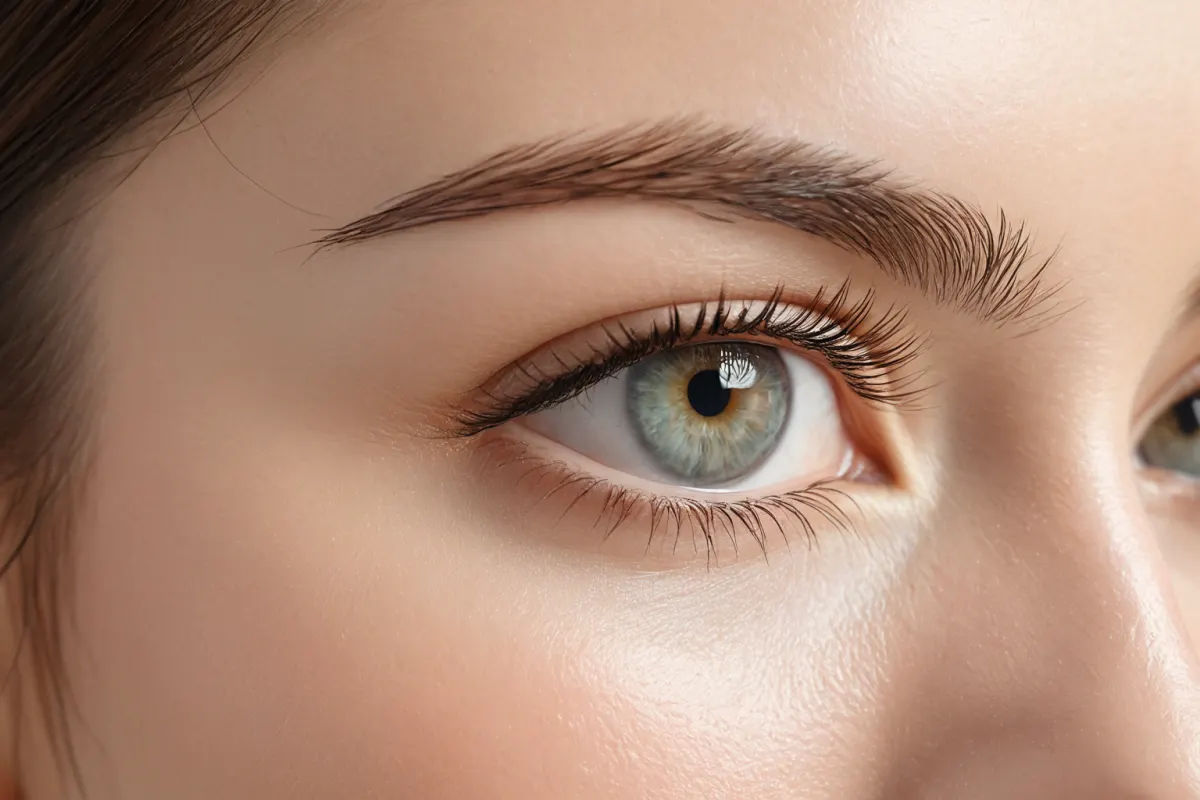
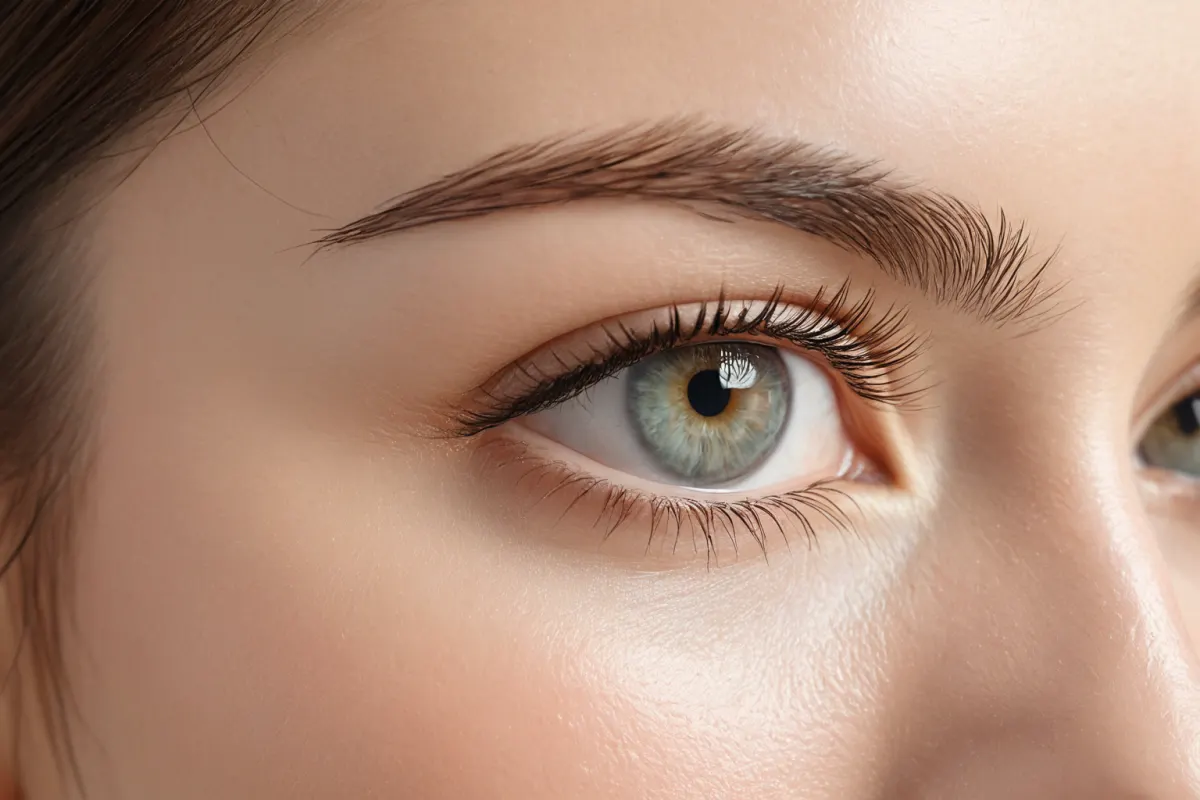
Common side effects after double eyelid surgery include swelling, bruising, asymmetry, line loosening, scarring, and difficulty closing the eyes. While many are normal during recovery, whether to ignore them or seek medical advice depends on how long symptoms persist.
It's easy to confuse what's normal versus problematic immediately after surgery. Knowing the types of side effects and their causes can significantly reduce anxiety.
Most Common Swelling and Bruising Right After Surgery
The most frequent reactions after double eyelid surgery are swelling and bruising. These may be more noticeable if a larger area was cut or tissue was manipulated, and people with sensitive eye blood vessels might experience longer-lasting bruises.
For example, eyes may appear more swollen in the morning but slightly less by evening, showing fluctuations common in early recovery. However, if one side swells significantly more or pain worsens over time, it's likely not just normal healing.
Prolonged swelling can be caused by inflammation right after surgery, sleeping position, consuming salty foods, or excessive eye use. Cold compresses may help initially, but avoid pressing or rubbing the area as this can cause further irritation.
You can find similar articles in one place.
View Related ArticlesWhy Asymmetry Occurs After Surgery
The most common concern after surgery is asymmetry. It's normal for both sides not to look identical during early recovery, so it's difficult to conclude immediately that the result has failed.
Causes can include differences in original eye structure, swelling concentrated on one side, or uneven strength when blinking. Surgical suture placement and variations in skin thickness can also contribute.
For instance, one side may appear clear while the other looks blurry. Avoid jumping to conclusions too early; track changes during recovery instead. If noticeable asymmetry remains after 2-3 months, a follow-up consultation is recommended.

Causes of Line Loosening and Blurring
The double eyelid line may appear faded or loose compared to before. This is especially common with non-incision or buried suture techniques, where tissue fixation might be weaker.
This isn't necessarily due to a failed surgery but often results from habits like rubbing the eyes frequently, prolonged swelling, or structural factors such as Mongolian folds or skin sagging. Avoid forcefully closing the eyes early after surgery or improperly wearing contact lenses.
For example, if the double eyelid is visible in the morning but nearly disappears by afternoon, it's important to monitor both swelling and line stability. If improvements occur over weeks, there may be no issue; however, persistent instability warrants reevaluation.
Scarring and 'Sausage Eye' Appearance
With incision techniques, the incision site may feel red or firm during recovery. This is often a normal scar reaction but can become overly prominent, making eyelids appear thicker.
Some describe lines looking bulging or uneven above the lashes, commonly referred to as 'sausage eye.' This can occur due to swelling, tissue response at the incision site, excessive fixation, or insufficient skin laxity.
If scarring is a concern, minimize irritation during early recovery and follow the hospital's recommended ointments and care. Scars often fade over time, but if they darken or remain firm for too long, medical evaluation may be needed.
Difficulty Closing Eyes and Dryness
After surgery, some experience difficulty closing their eyes or a gritty sensation. This can happen due to heavy eyelids from swelling or the line being set too high, restricting eyelid movement.
If eyes don't close well, dryness increases, leading to morning irritation or discomfort with contact lenses. Ignoring these symptoms may worsen daily life, so it's important to monitor artificial tear use and recovery progress.
For example, if you feel like your eyes are slightly open while sleeping or tears frequently appear when exposed to wind, consider rechecking the eyelid closure status. It's safer to consult a doctor rather than assume it's just part of the adjustment process.
Life Habits That Can Worsen Side Effects
Small habits after Chalina double eyelid surgery can significantly impact recovery speed. Rubbing eyes, sleeping face-down, drinking alcohol, using saunas, or overexerting during exercise may prolong swelling.
Makeup and contact lens use also require timing considerations. Starting too early increases irritation and inflammation risk. For example, rubbing the eye area when removing makeup can easily irritate the line.
A real case: some resumed wearing eye makeup just days after surgery, leading to increased swelling. Those with slower recovery should wait until the recommended time rather than assume it's 'fine' to skip guidelines.
When to Return to the Clinic
Not all side effects indicate a problem, but worsening pain, significant heat sensation, spreading redness, or sudden visual discomfort in one eye require medical attention. Repeated bleeding or pus-like discharge also needs evaluation.
Swelling and bruising typically decrease over time; if they worsen instead, it's likely not normal healing. Taking photos at different dates can make describing symptoms to the clinic much easier during consultations.
Since recovery varies greatly between individuals, avoid judging based solely on others' experiences. Even with the same surgical method, outcomes differ due to skin thickness, fat volume, and eyelid muscle strength.
What to Keep in Mind During Recovery
Post-surgery side effects often overlap with normal recovery processes, so it's important not to judge results too early. However, distinguishing between symptoms that will resolve over time and those needing medical attention is essential.
Check if swelling and bruising are gradually fading, lines are stabilizing, and eye closure discomfort or dryness are improving. A practical tip: take photos in the same angle at morning and evening to track changes easily.
The final appearance should be judged after recovery has progressed sufficiently. Especially with newer surgical techniques or varying hospital care standards, it's wise to review pre- and post-operative instructions again.
FAQ
Q1. How long is swelling normal after double eyelid surgery?
Initial swelling is common and varies by person. However, if it doesn't improve over time or gets worse, medical consultation is needed.
Q2. Does asymmetry always require revision surgery?
No. Early post-surgery asymmetry may result from swelling differences. Consider a follow-up only after sufficient recovery if the difference remains noticeable.
Q3. How long should I monitor difficulty closing my eyes?
It might be due to initial swelling, but if dryness or pain is severe, it's safer to get checked rather than wait.
Continue exploring similar topics.
View Category ArticlesFAQ
How long is swelling normal after double eyelid surgery?
Initial swelling is common and varies by person. However, if it doesn't improve over time or gets worse, medical consultation is needed.
Does asymmetry always require revision surgery?
No. Early post-surgery asymmetry may result from swelling differences. Consider a follow-up only after sufficient recovery if the difference remains noticeable.
How long should I monitor difficulty closing my eyes?
It might be due to initial swelling, but if dryness or pain is severe, it's safer to get checked rather than wait.
Korean Source
This article is an English localization of a Korean-language report from BlogScore. Original: 채리나쌍꺼풀수술 후 부작용 종류와 생기는 원인 정리