
Understanding 'Civil Disturbance' in English: Historical Context and International Comparisons
English Terms for 'Civil Disturbance'
The Korean term 소요사태 is accurately translated into English as 'civil disturbance' or 'social disturbance.' This distinguishes it from 'riot,' which refers to violent uprisings. The term describes social unrest or collective protests without implying violence.
For instance, the Jeju 4.3 Incident was previously labeled as a 'riot' in official documents. However, in March 2024, the Jeju Special Committee on April 3rd corrected this to 'civil disturbance,' marking an effort toward more precise historical representation.
Historical Comparison: Jeju 4.3 and New Caledonia's Unrest
The correction of the Jeju 4.3 Incident’s English designation reflects a broader effort to accurately represent historical events. The term 'riot' often implied violent conflict, while 'civil disturbance' better captures the complexity of social tensions.
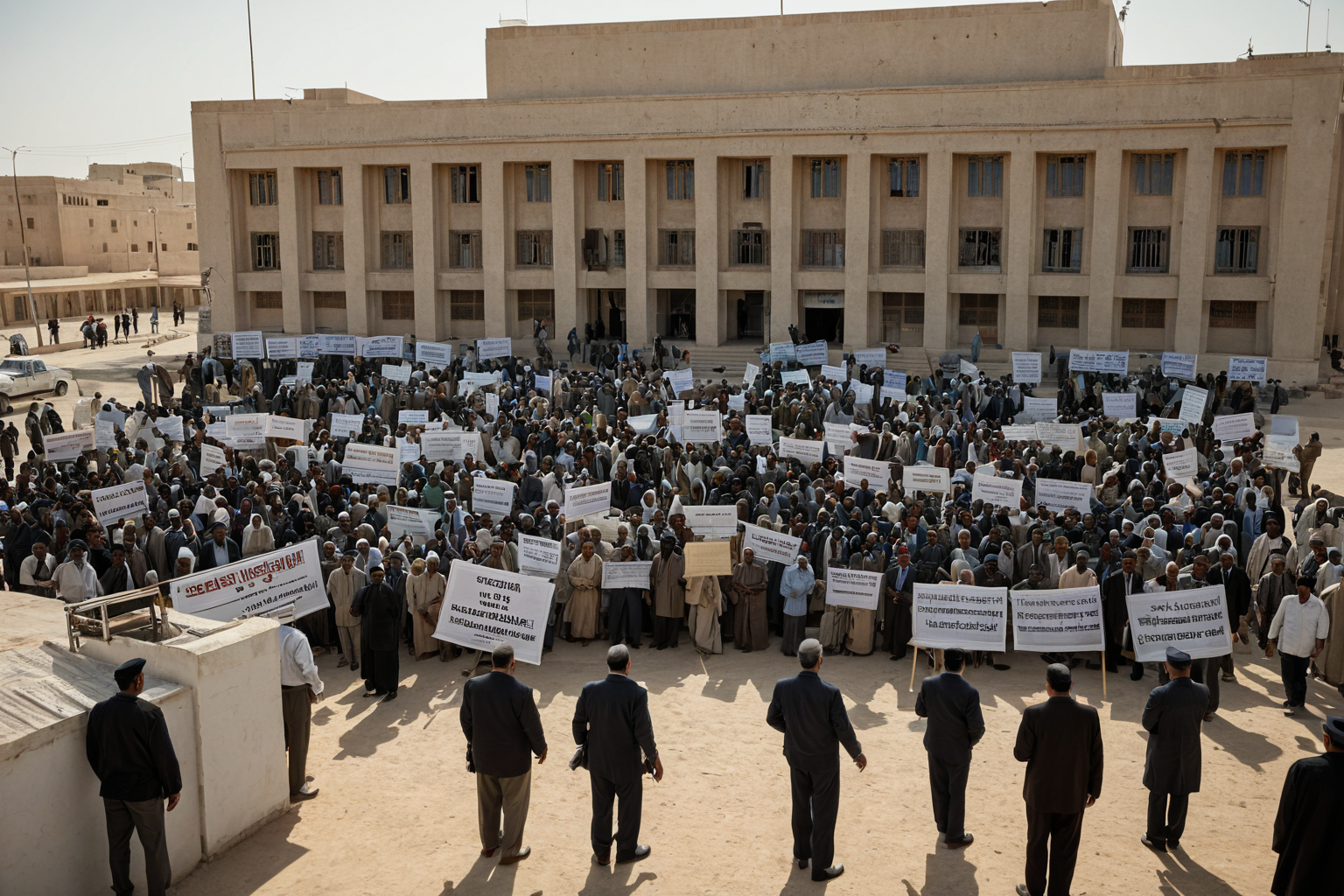
In May 2024, New Caledonia—a French territory—experienced violent civil unrest on May 15th. The incident halted nickel mining and processing, leading to the evacuation of six South Korean residents. French President Macron canceled events due to the crisis.
Controversy Over 'Civil Disturbance' in Gwangju Uprising
The use of 'civil disturbance' to describe the 5·18 Gwangju Democratization Movement sparked political debate. The term was used at a forum hosted by Lee Jin-sook, prompting strong reactions from political figures.
This controversy highlights how historical terminology can carry different meanings based on context. While 'civil disturbance' refers to social unrest, its application in political narratives can shape public perception significantly.
Global Context of Civil Disturbance
'Civil disturbance' is widely used internationally as a neutral term for social instability. In New Caledonia, the unrest disrupted nickel production, affecting global markets and demonstrating how such events have economic implications beyond local tensions.
New Caledonia's case shows that civil disturbances can extend beyond domestic issues into economic and diplomatic spheres. The nickel industry shutdown caused ripple effects in international trade.
May 15, 2024: Violent unrest occurred in French territory New Caledonia. May 26, 2024: Six South Korean residents evacuated from New Caledonia. May 29, 2024: Nickel mining and processing halted due to civil disturbance.
These events illustrate how 'civil disturbance' is understood globally, emphasizing its relevance in both historical and contemporary contexts.
The Importance of Accurate Historical Terminology
Using the correct terminology for historical events ensures accurate communication of their significance. Changing from 'riot' to 'civil disturbance' for the Jeju 4.3 Incident represents more than a linguistic shift—it opens space for nuanced interpretations of history.
This change supports neutral discussions on social conflict within cultural and political contexts. Accurate historical narratives help future generations understand past events and learn from them.
International Responses to Civil Disturbance
Globally, civil disturbances require careful international responses. As seen in New Caledonia, such events impact more than local governance—they affect global markets and diplomatic relations.
The French government worked to stabilize the situation, with President Macron canceling engagements as part of a swift response. This highlights the need for effective strategies when addressing civil unrest on an international scale.
Key Facts to Verify
'Civil disturbance' or 'social disturbance' is the correct English term for 소요사태, confirmed through both Jeju 4.3 and New Caledonia cases.
The Jeju Special Committee on April 3rd updated legal documents in March 2024 from 'riot' to 'civil disturbance,' a move praised as part of efforts toward historical accuracy.
In New Caledonia, civil unrest led to halted nickel production and the evacuation of six South Korean residents, demonstrating the event's global economic impact.
Frequently Asked Questions
Q: How should 'civil disturbance' be translated into English?
'Civil disturbance' or 'social disturbance' is used in English. It differs from 'riot,' which refers to violent protests, and describes social unrest or collective demonstrations.
Q: How did the Jeju 4.3 Incident's English name change?
In March 2024, the Jeju Special Committee on April 3rd revised legal documents from 'riot' to 'civil disturbance,' aiming for a more accurate historical description.
Q: What happened in New Caledonia’s civil unrest?
On May 15, 2024, violent protests occurred in New Caledonia (a French territory), halting nickel production and leading to the evacuation of six South Korean residents. President Macron canceled events due to the crisis.
Accurate historical terminology helps neutralize discussions about social conflict. The shift from 'riot' to 'civil disturbance' goes beyond linguistic change—it allows for deeper reflection on how history is interpreted. Examples like Jeju 4.3 and New Caledonia provide valuable insights into global understanding of civil disturbances.
Find similar articles in one place for a comprehensive view.
View Related ArticlesFAQ
How should 'civil disturbance' be translated into English?
'Civil disturbance' or 'social disturbance' is used in English. It differs from 'riot,' which refers to violent protests, and describes social unrest or collective demonstrations.
How did the Jeju 4.3 Incident's English name change?
In March 2024, the Jeju Special Committee on April 3rd revised legal documents from 'riot' to 'civil disturbance,' aiming for a more accurate historical description.
What happened in New Caledonia’s civil unrest?
On May 15, 2024, violent protests occurred in New Caledonia (a French territory), halting nickel production and leading to the evacuation of six South Korean residents. President Macron canceled events due to the crisis.
Korean Source
This article is an English localization of a Korean-language report from BlogScore. Original: 소요사태 영어로 표현법과 역사적 사건 비교