
Understanding the Meaning and Examples of 'Chochi' in Diplomacy
The Meaning of Chochi
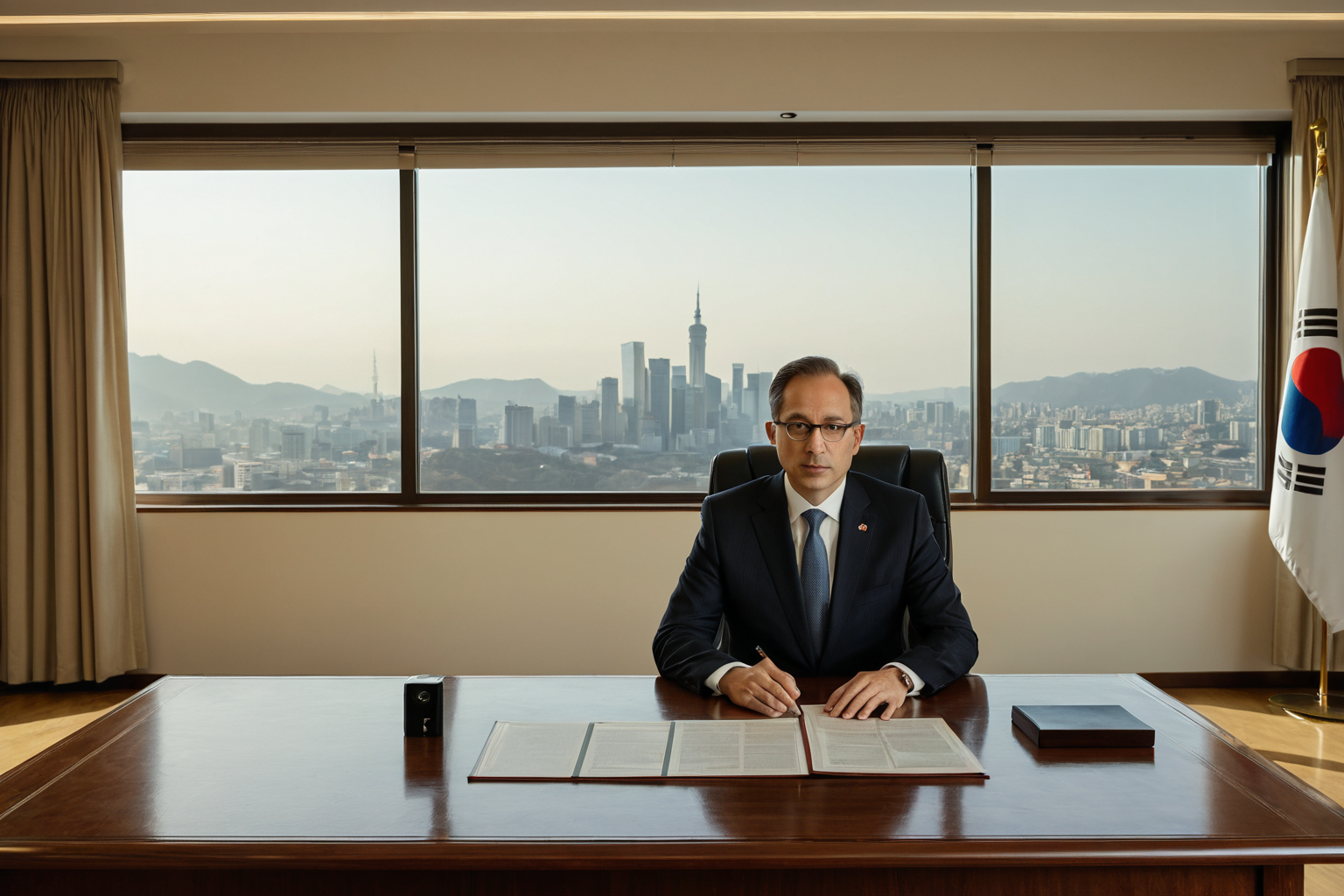
Chochi refers to the formal act of summoning an official from another country's embassy to express diplomatic protests or convey opinions. It is a formal diplomatic procedure used by governments to signal strong disapproval toward another nation. Chochi should not be simplified as merely 'summoning'; it serves as a significant diplomatic tool in international relations. This action represents a formal response to specific actions or statements by another country and can also serve as the first step toward diplomatic dialogue.
Key Examples of Chochi
From February to September 2026, South Korea summoned Japan's chief consul and defense attaché multiple times in response to diplomatic issues. For example, the government strongly protested Japan's claims regarding Dokdo (a disputed island) and Yasukuni Shrine visits.
On February 21, 2026, the government summoned Japan's chief consul to demand the cancellation of 'Dokodo Day' events and express protest. This was part of South Korea's response to Japan's territorial claims over Dokdo (known as Takeshima in Japan). On February 22, the government again summoned Japan's consul to request the cancellation of Dokdo-related events.
On April 10, 2026, the government summoned Japan's chief consul at the embassy to strongly protest a statement claiming Dokdo belongs to Japan. This was a direct response to Japan's defense white paper that asserted sovereignty over Dokdo, with South Korea demanding its withdrawal.
On August 4, 2026, the government summoned the chief consul over Japan's inclusion of Dokdo territorial claims in its defense white paper. On August 15 and 17, it summoned Japanese officials to strongly criticize Yasukuni Shrine visits as outdated practices. Notably, on August 17, the Ministry of National Defense summoned Japan's defense attaché following the minister's visit to Yasukuni Shrine.
On September 28, 2026, Ukraine's acting ambassador was summoned over North Korean prisoner repatriation issues. The Foreign Ministry expressed public regret and demanded an apology from Ukraine, showing a strong diplomatic reaction.
On May 28, 2026, Iran's ambassador to South Korea was summoned at the Foreign Ministry to explain the 'Namuho' incident. The Iranian envoy provided explanations and opinions on the matter, turning it into an opportunity for formal dialogue to resolve international tensions.
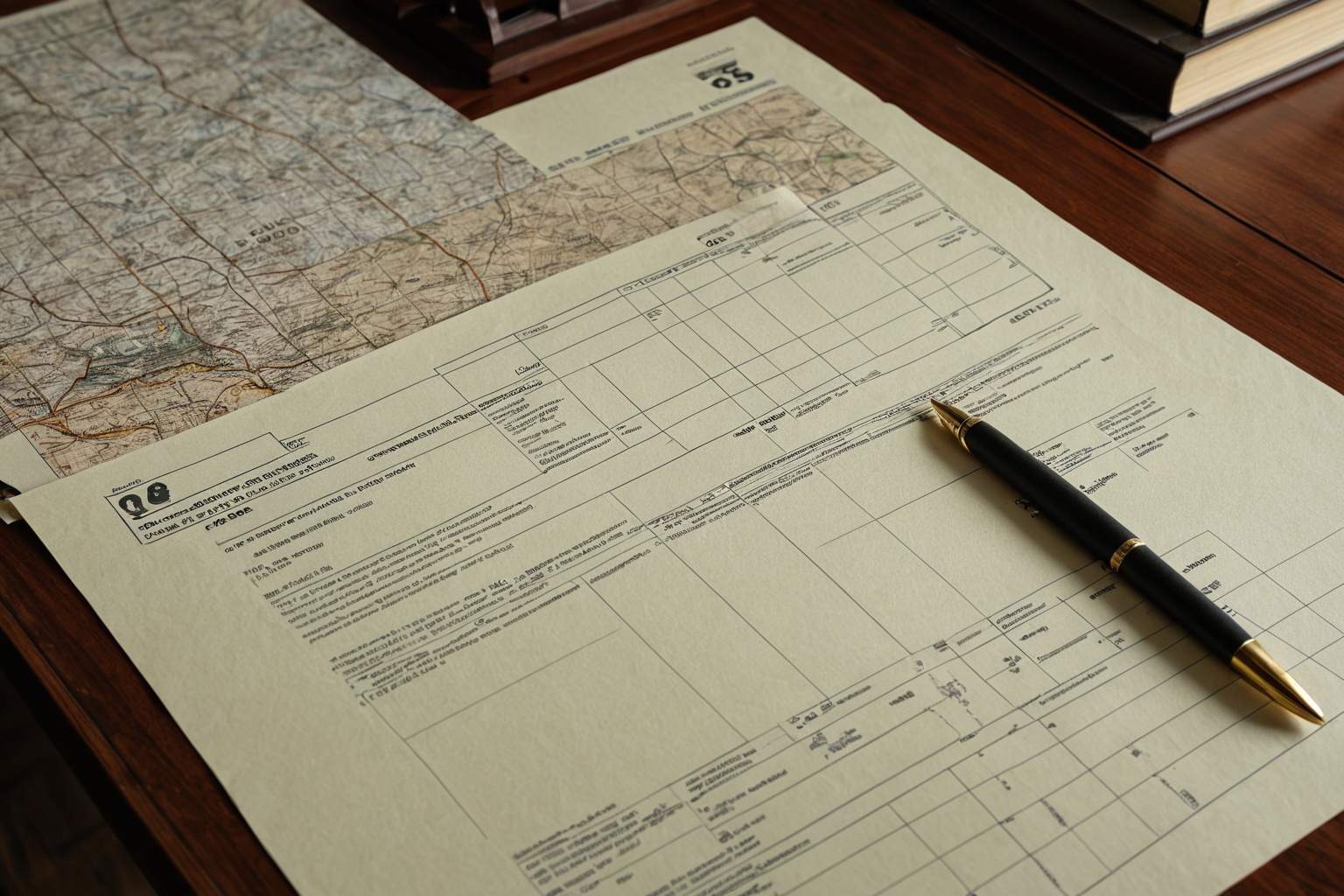
On September 8, 2026, Iceland summoned the U.S. ambassador over a map error that incorrectly marked another country as part of U.S. territory. This was a formal protest regarding an international error and demonstrated diplomatic procedures aimed at resolving such issues.
Practical Application of Chochi
The government summoned Japan's chief consul to demand the withdrawal of territorial claims over Dokdo in its defense white paper, which occurred on August 4, 2026. Similarly, on August 15 and 17, officials were summoned for protests related to Yasukuni Shrine visits.
On February 21 and 22, 2026, Japan's chief consul was summoned to demand the cancellation of 'Takeshima Day' events and Dokdo-related celebrations. This can be seen as a strong response to Japan's territorial claims over Dokdo.
The April 10, 2026 summons of Japan's chief consul regarding the false claim that Dokdo belongs to Japan was a direct reaction to Japan's defense white paper. It marked an important turning point in diplomatic discussions on this issue.
On August 15, 2026, summoning Japanese officials over Yasukuni Shrine visits represented a strong diplomatic response to Japan's historical stance, which had been widely debated internationally. This formal protest highlighted South Korea's position and aimed at resolving the matter through dialogue.
The September 8, 2026 case where Iceland summoned the U.S. ambassador showed a standard diplomatic procedure for addressing map errors. It demonstrated how other countries also employ similar diplomatic measures, emphasizing the importance of standardized procedures in international relations.
Chochi and Diplomatic Significance
Chochi goes beyond simple summoning; it is an important diplomatic procedure to formally express protest against another nation. As seen when Iran's ambassador explained the 'Namuho' incident, chochi serves as a formal channel for resolving international disputes.
Iceland's case of summoning the U.S. ambassador over map errors also illustrates how other nations use similar diplomatic measures. Chochi represents a formal response to specific actions or statements by another country and can initiate diplomatic dialogue.
Rank Changes and Future Outlook
What is the difference between chochi and regular summons?
Chochi is a formal diplomatic procedure involving summoning embassy officials for protest. In contrast, regular summonses are often used for legal or administrative purposes.
When is chochi used?
It is employed when a strong diplomatic reaction is needed due to foreign policy issues. It is frequently utilized in sensitive matters like territorial disputes over Dokdo and Yasukuni Shrine visits.
What are the outcomes of chochi?
Chochi conveys formal protests, which may lead to subsequent diplomatic dialogue. However, specific results vary depending on the situation.
You can explore more articles on similar topics.
View Related ArticlesFAQ
What is chochi in diplomacy?
Chochi refers to the formal act of summoning an embassy official from another country to express diplomatic protest or convey opinions.
How does chochi differ from regular summons?
Chochi is a specific diplomatic procedure for expressing formal protests, while regular summons are typically used for legal or administrative reasons.
Korean Source
This article is an English localization of a Korean-language report from BlogScore. Original: 초치의 뜻과 사용 예시, 쉽게 이해하는 방법